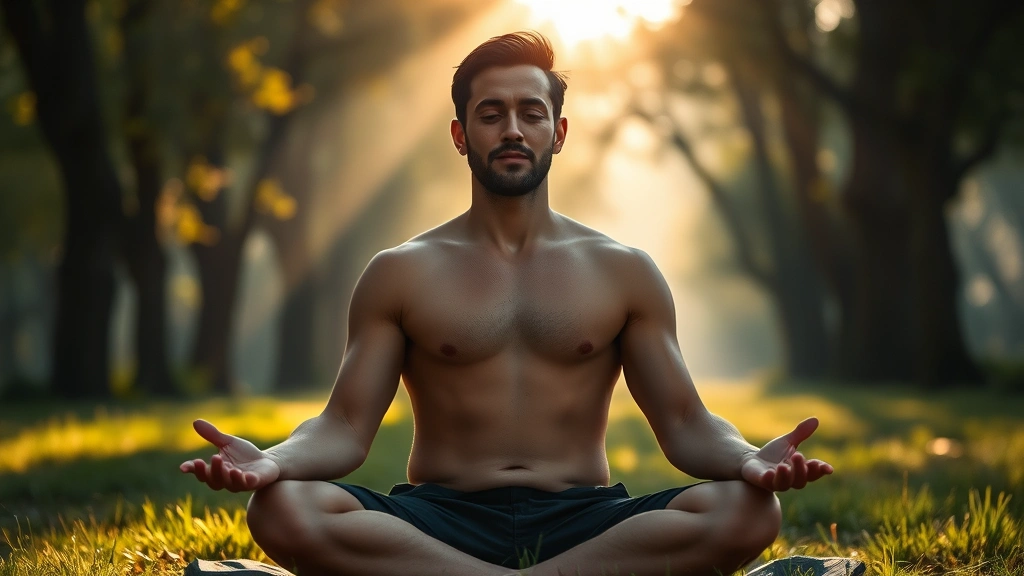
How Mindfulness Boosts Mental Health: Expert Insights
Mindfulness has emerged as one of the most evidence-based practices for enhancing mental health and emotional resilience. Defined as the intentional, non-judgmental awareness of present-moment experiences, mindfulness has been scientifically validated to reduce anxiety, depression, and stress while promoting overall psychological well-being. As mental health challenges continue to affect millions worldwide, understanding how mindfulness works and incorporating it into daily life has become increasingly important for individuals seeking sustainable wellness solutions.
The intersection of mindfulness and mental health care represents a paradigm shift in how we approach psychological treatment and prevention. Whether used as a standalone intervention or combined with traditional cognitive behavioral therapy for anxiety management, mindfulness practices offer accessible tools that anyone can implement immediately. This comprehensive guide explores the scientific foundations of mindfulness, its proven mental health benefits, and practical strategies for integrating these powerful techniques into your wellness routine.
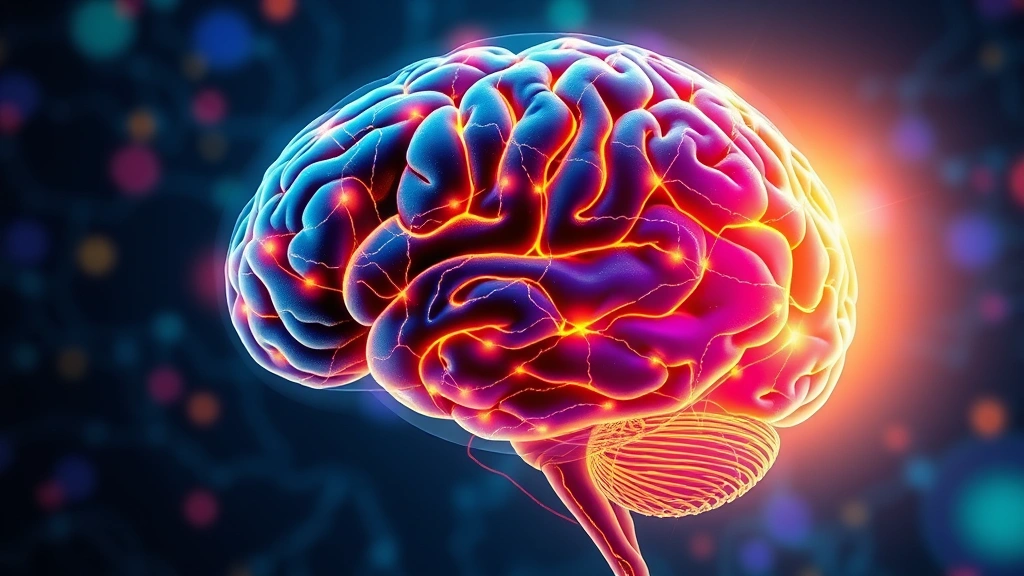
Understanding Mindfulness and Its Scientific Foundation
Mindfulness originates from ancient Buddhist meditation practices but has been thoroughly researched and adapted for modern mental health applications. The practice involves deliberately focusing attention on the present moment while maintaining an attitude of openness, curiosity, and non-judgment toward thoughts, feelings, and bodily sensations. Unlike traditional meditation that may aim for a blank mind, mindfulness embraces whatever arises in consciousness without resistance or attachment.
Neuroscientific research has demonstrated that regular mindfulness practice produces measurable changes in brain structure and function. Studies published in peer-reviewed journals show that mindfulness meditation increases gray matter density in the prefrontal cortex, which governs emotional regulation and decision-making. Simultaneously, it reduces activity in the amygdala, the brain region responsible for processing fear and threat responses. These neurological changes translate directly into improved emotional resilience and reduced reactivity to stressors.
Frontiers in Psychology has published extensive research documenting how consistent mindfulness practice rewires neural pathways associated with anxiety and depression. The dorsolateral prefrontal cortex, which supports rational thinking and perspective-taking, strengthens through mindfulness training, allowing individuals to observe their thoughts as temporary mental events rather than absolute truths. This cognitive shift represents a fundamental transformation in how people relate to their internal experiences.
The scientific community has increasingly validated mindfulness-based interventions through randomized controlled trials and longitudinal studies. Organizations including the National Institutes of Health and leading universities have invested significant resources in understanding mindfulness mechanisms, resulting in a robust body of evidence supporting its efficacy for mental health applications.

Key Mental Health Benefits of Mindfulness Practice
Extensive research has identified numerous mental health benefits associated with regular mindfulness practice. These benefits extend across multiple psychological domains and represent some of the most well-documented outcomes in contemporary mental health research.
Anxiety Reduction and Management: Mindfulness significantly reduces both generalized anxiety and specific phobic responses. By training attention to remain anchored in the present moment, mindfulness interrupts the anxious mind’s tendency to ruminate about future threats. Individuals who practice mindfulness develop the capacity to notice anxious thoughts without becoming entangled in catastrophic thinking patterns. This is particularly valuable for those exploring speech therapy services who may experience anxiety about communication challenges, as mindfulness complements therapeutic interventions by addressing underlying emotional patterns.
Depression Symptom Relief: Mindfulness-based cognitive therapy has demonstrated effectiveness comparable to antidepressant medications for preventing depression relapse. The practice counteracts the rumination and self-critical thinking patterns that maintain depressive states. By cultivating self-compassion through mindfulness, individuals develop gentler relationships with themselves, reducing the shame and self-blame that perpetuate depression.
Stress Reduction: Mindfulness activates the parasympathetic nervous system, the body’s relaxation response. This physiological shift reduces cortisol levels, blood pressure, and inflammatory markers associated with chronic stress. Regular practitioners report improved sleep quality, reduced muscle tension, and enhanced overall physical health outcomes.
Emotional Regulation: Perhaps one of the most transformative benefits involves developing superior emotional regulation skills. Mindfulness trains the capacity to observe emotions as they arise, understand their messages, and respond thoughtfully rather than react impulsively. This skill proves invaluable across all life domains, from personal relationships to professional environments.
Enhanced Self-Awareness: Consistent mindfulness practice deepens understanding of personal thought patterns, emotional triggers, and behavioral patterns. This self-knowledge enables individuals to identify unhelpful patterns and make conscious choices aligned with their values.
Mindfulness Techniques for Anxiety and Depression
Numerous evidence-based mindfulness techniques have been specifically adapted for addressing anxiety and depression. These practices range from brief daily exercises to comprehensive structured programs.
Body Scan Meditation: This foundational technique involves systematically directing attention through different body regions, noticing sensations without judgment. Starting at the toes and moving upward through the entire body, practitioners develop awareness of physical tension patterns and learn to consciously relax muscle groups. The body scan proves particularly effective for individuals with anxiety, as it interrupts the stress-tension cycle and activates relaxation responses. Practicing 15-20 minutes daily produces measurable anxiety reduction within two weeks.
Mindful Breathing Exercises: Focused breathing practices provide immediate access to nervous system regulation. The 4-7-8 breathing technique, where individuals inhale for four counts, hold for seven, and exhale for eight, directly activates parasympathetic responses. Box breathing, which involves equal counts for inhale, hold, exhale, and pause, similarly calms the nervous system. These techniques require no special equipment and can be practiced anywhere, making them ideal for managing acute anxiety episodes.
Loving-Kindness Meditation: This practice cultivates compassion toward oneself and others through directed well-wishing phrases. Beginning with self-directed phrases like “May I be peaceful, may I be healthy,” practitioners gradually extend these wishes to loved ones, neutral individuals, and even difficult people. Loving-kindness meditation particularly benefits depression by countering self-criticism and isolation, fostering connection and compassion.
Mindful Walking: This accessible practice combines movement with mindfulness attention. Practitioners walk slowly while focusing on physical sensations of feet contacting the ground, the rhythm of movement, and environmental stimuli. Mindful walking provides the mental health benefits of both exercise and meditation, making it ideal for individuals who find sitting meditation challenging.
For those receiving physical therapy treatment, mindful movement practices can be integrated into therapeutic protocols, enhancing both physical rehabilitation and mental health outcomes. The synergistic benefits of combining movement-based therapy with mindfulness awareness accelerates overall recovery and well-being.
Integrating Mindfulness with Professional Therapy
While mindfulness offers powerful standalone benefits, integrating mindfulness with professional therapeutic interventions creates comprehensive mental health treatment approaches. Leading therapists increasingly combine mindfulness with evidence-based modalities to enhance treatment effectiveness.
Mindfulness-Based Cognitive Therapy (MBCT) explicitly integrates mindfulness meditation with cognitive-behavioral principles. Originally developed for depression relapse prevention, MBCT now treats anxiety disorders, eating disorders, and substance abuse. The combination proves more effective than either approach alone because mindfulness provides the awareness necessary for identifying unhelpful thought patterns, while cognitive therapy provides concrete tools for addressing distortions.
Acceptance and Commitment Therapy (ACT) similarly incorporates mindfulness as a central mechanism. Rather than attempting to eliminate painful thoughts or emotions, ACT uses mindfulness to develop psychological flexibility—the capacity to notice difficult experiences while continuing to move toward valued life directions. This approach particularly benefits individuals with chronic anxiety or depression who have struggled with symptom-focused treatment.
Dialectical Behavior Therapy (DBT), originally developed for borderline personality disorder, emphasizes mindfulness as a foundational skill. DBT combines mindfulness with distress tolerance, emotion regulation, and interpersonal effectiveness skills, creating a comprehensive treatment framework. The mindfulness component helps individuals develop the present-moment awareness necessary for implementing other DBT skills effectively.
For those seeking occupational therapy support or other therapeutic services, discussing mindfulness integration with your therapist can enhance treatment outcomes. Many mental health professionals now routinely incorporate mindfulness techniques into their practice.
The American Psychological Association has published extensive resources documenting how mindfulness complements traditional therapy, with research indicating that clients who practice mindfulness alongside therapy experience faster symptom improvement and more durable long-term outcomes.
Building a Sustainable Mindfulness Practice
Establishing a consistent mindfulness practice requires intentional effort and realistic planning. Research indicates that sustainable practice development follows specific principles that maximize adherence and benefit accumulation.
Starting Small and Building Gradually: Rather than attempting 45-minute meditation sessions, begin with 5-10 minutes daily. Short, consistent practice proves more beneficial than occasional lengthy sessions. As the practice becomes habitual, gradually extend duration to 15-20 minutes. This incremental approach prevents the common pitfall of initial enthusiasm followed by abandonment.
Establishing Consistent Timing: Practicing mindfulness at the same time daily, preferably in the morning before other demands arise, creates neural associations that support habit formation. Morning practice sets a calm, present-moment foundation for the entire day. Alternatively, evening practice helps process daily experiences and improves sleep quality.
Creating a Dedicated Space: Designating a specific location for practice—even a corner of a room—signals to your brain that this space supports mindfulness. Comfortable seating, minimal distractions, and perhaps a few meaningful objects create an environment conducive to deep practice.
Using Guided Resources: Beginning practitioners benefit from guided meditations that structure the practice and maintain attention. Numerous high-quality apps and online platforms offer guided sessions. Exploring different teachers and styles helps identify approaches that resonate personally, increasing engagement and consistency.
Joining Community and Classes: Practicing within a community amplifies benefits through shared commitment and mutual support. Mindfulness classes, meditation groups, or online communities provide accountability and connection. Many mental health clinics and therapy resource sites offer information about local mindfulness groups and classes.
Addressing Common Challenges: Expect that your mind will wander—this is completely normal and not a failure. Each time you notice your attention has drifted and gently redirect it, you strengthen mindfulness capacity. Experiencing emotions during meditation indicates the practice is working; emotions that surface during mindfulness often need acknowledgment and processing. Patience with yourself during this process proves essential.
Tracking your practice through journals or meditation apps helps maintain motivation and reveals patterns in how consistency correlates with mental health improvements. Many individuals find that visible progress—noting reduced anxiety levels, improved sleep, or greater emotional calm—powerfully reinforces commitment to continued practice.
Frequently Asked Questions
How quickly do mindfulness benefits appear?
Research indicates that measurable mental health improvements typically emerge within 4-8 weeks of consistent daily practice. However, some individuals notice subtle shifts in awareness and emotional reactivity within days. Long-term neurological changes develop over months and years of sustained practice, with continued benefits accumulating throughout life.
Can mindfulness replace psychiatric medication?
Mindfulness represents a valuable complementary treatment but should not replace psychiatric medication without medical guidance. For many individuals, combining mindfulness with medication produces superior outcomes compared to either treatment alone. Always consult with your psychiatrist before making medication changes. Mindfulness works synergistically with medication by addressing psychological patterns while medication stabilizes neurochemistry.
What if I cannot quiet my mind during meditation?
A quiet mind is not the goal of mindfulness. The practice involves noticing whatever arises—busy thoughts, emotions, physical sensations—without judgment. Your mind wandering constantly indicates you’re not failing; you’re successfully practicing by repeatedly returning attention to the present moment. This process itself strengthens mindfulness capacity.
How does mindfulness differ from relaxation techniques?
While both promote calm, mindfulness and relaxation differ fundamentally. Relaxation aims to achieve a peaceful state, which can paradoxically increase anxiety when relaxation proves difficult. Mindfulness involves observing whatever state you’re in without attempting to change it. This non-striving approach often produces deeper relaxation than directly pursuing it.
Can children and teens benefit from mindfulness?
Absolutely. Research increasingly demonstrates mindfulness benefits for young people, improving attention, emotional regulation, and academic performance while reducing anxiety and depression. Age-appropriate techniques like mindful movement, brief breathing exercises, and guided visualizations make mindfulness accessible to children. Schools increasingly integrate mindfulness into curricula with documented positive outcomes.
Is mindfulness religious or spiritual?
While mindfulness originates from Buddhist traditions, contemporary mindfulness practice is entirely secular and compatible with all belief systems. Mindfulness-Based Stress Reduction, the primary clinical format, contains no religious content and has been adopted across medical and psychological settings worldwide. Individuals may choose to deepen mindfulness within spiritual traditions, but this remains optional.
Mindfulness represents a powerful, evidence-based approach to enhancing mental health and building psychological resilience. By understanding the scientific foundations of mindfulness, exploring specific techniques suited to your needs, and committing to consistent practice, you can harness these transformative benefits. Whether practiced independently or integrated with professional therapy and counseling services, mindfulness offers accessible pathways to greater peace, emotional balance, and lasting mental wellness.