
How Does Mindfulness Aid Depression? Expert Insights and Evidence-Based Approaches
Depression affects millions of people worldwide, creating a significant burden on mental health systems and individual well-being. While traditional therapeutic interventions and medications remain cornerstone treatments, emerging research increasingly supports mindfulness as a powerful complementary approach for managing depressive symptoms. Mindfulness-based interventions have demonstrated remarkable efficacy in clinical settings, offering patients practical tools to reshape their relationship with negative thoughts and emotions.
The intersection of ancient contemplative practices and modern neuroscience has created compelling evidence that mindfulness can meaningfully reduce depression severity and prevent relapse. This comprehensive exploration examines how mindfulness works at neurological and psychological levels, supported by expert insights and rigorous scientific research. Whether you’re exploring mental health support options or seeking to understand depression treatment better, understanding mindfulness’s role can complement professional care like speech therapy near me and other therapeutic modalities.
Understanding Depression and Current Treatment Landscape
Depression represents one of the most prevalent mental health conditions globally, characterized by persistent sadness, loss of interest in activities, changes in sleep and appetite, and profound feelings of hopelessness. Traditional treatment approaches include pharmacological interventions with antidepressant medications and psychotherapy modalities. However, approximately 30% of individuals with depression experience treatment-resistant symptoms, highlighting the critical need for additional therapeutic strategies.
The conventional treatment paradigm often focuses on external interventions—medications that alter neurotransmitter levels or talk therapy that addresses cognitive patterns. While effective for many, these approaches sometimes leave individuals searching for additional tools to manage their condition. This is where mindfulness enters the therapeutic landscape, offering an internal mechanism for transforming how individuals relate to their depressive experiences. Understanding therapy for generational trauma and its intersection with depression can also provide valuable context for comprehensive mental health treatment.
Depression often perpetuates itself through rumination—a cyclical pattern where individuals become trapped in repetitive negative thoughts about past failures and future catastrophes. Mindfulness directly addresses this mechanism by training attention and promoting present-moment awareness rather than dwelling in problematic thought patterns. Research from the National Institute of Mental Health demonstrates that this shift in cognitive processing can produce measurable improvements in depression symptoms.

The Neuroscience Behind Mindfulness and Brain Changes
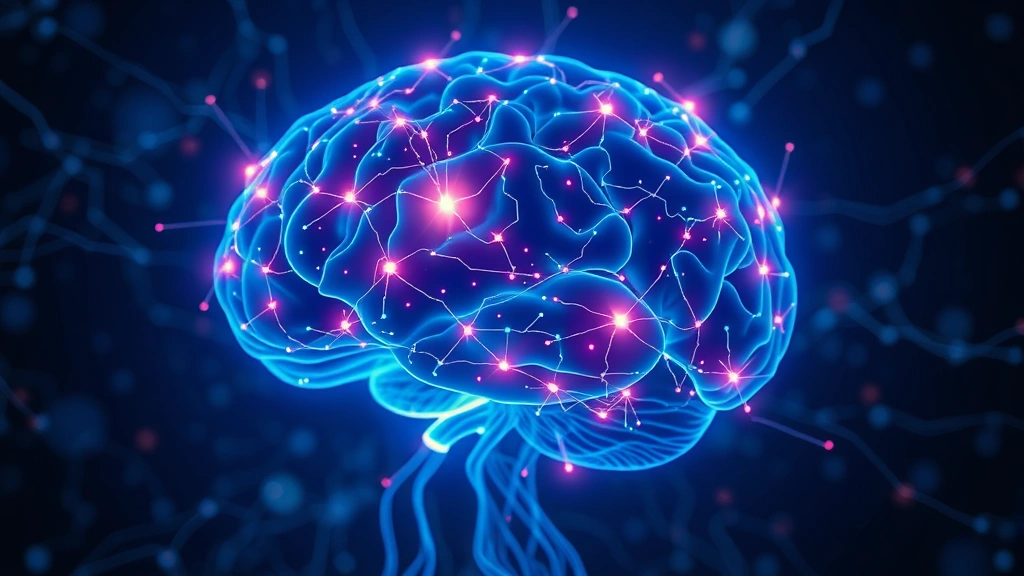
Neuroscientific research has revealed fascinating mechanisms through which mindfulness physically alters brain structure and function in ways that reduce depression. Advanced neuroimaging studies using functional MRI (fMRI) show that regular mindfulness practice strengthens specific brain regions while reducing activity in others associated with depression.
The default mode network (DMN), a collection of brain regions active during rest and self-referential thinking, becomes hyperactive in individuals with depression. This network generates the ruminating thoughts and self-critical narratives that characterize depressive episodes. Mindfulness practice systematically reduces DMN activity, interrupting the neural patterns that sustain depression. Simultaneously, mindfulness strengthens the prefrontal cortex—the brain region responsible for executive function, decision-making, and emotional regulation.
Research from Frontiers in Human Neuroscience shows that mindfulness practitioners demonstrate increased gray matter density in the hippocampus, a region crucial for memory and emotional processing that often shrinks in depression. These structural changes correlate directly with symptom reduction and improved emotional resilience. The amygdala, responsible for processing fear and negative emotions, also shows reduced reactivity following consistent mindfulness practice.
Additionally, mindfulness increases activity in the insula, which processes bodily sensations and interoception—awareness of internal physical states. This enhanced bodily awareness allows individuals to detect early warning signs of depressive episodes, enabling earlier intervention. The anterior cingulate cortex, involved in attention and emotional regulation, also demonstrates strengthened connectivity following mindfulness training, supporting better cognitive control over depressive thoughts.
Mindfulness-Based Cognitive Therapy for Depression
Mindfulness-Based Cognitive Therapy (MBCT) represents a formalized integration of mindfulness practices with cognitive-behavioral principles specifically designed for depression prevention and management. Originally developed for relapse prevention in recurrent depression, MBCT has demonstrated efficacy comparable to maintenance antidepressant medication in preventing depressive relapse.
MBCT programs typically involve eight weekly sessions combining guided meditation, body scan exercises, and psychoeducation about depression’s cognitive patterns. Participants learn to observe their thoughts and feelings without judgment, recognizing that thoughts are temporary mental events rather than facts or commands requiring action. This metacognitive shift fundamentally changes how individuals relate to depressive content.
The therapy explicitly addresses the “doing mode”—the brain’s problem-solving orientation that becomes maladaptive during depression. When ruminating about past failures or future threats, the doing mode intensifies negative thinking. MBCT cultivates “being mode,” characterized by present-moment awareness and acceptance, which naturally reduces rumination. Participants develop what researchers call “decentering,” the ability to observe thoughts from a distance rather than identifying with them.
Expert practitioners emphasize that MBCT differs fundamentally from positive thinking or thought suppression approaches. Rather than replacing negative thoughts with positive ones, mindfulness teaches individuals to notice thoughts without fighting them or believing them unconditionally. This paradoxical approach—accepting depressive thoughts while not being controlled by them—produces more durable results than suppression-based strategies.
Practical Mindfulness Techniques for Depression Management
Implementing mindfulness for depression doesn’t require extensive training or equipment. Several accessible techniques have demonstrated effectiveness in clinical and real-world settings. These can complement professional treatment and integrate naturally into daily routines, similar to how occupational therapy jobs emphasize practical, activity-based interventions.
Body Scan Meditation: This foundational practice involves systematically directing attention through different body regions, noticing sensations without trying to change them. The body scan develops awareness of how depression manifests physically—the heaviness, tension, and numbness often accompanying depressive episodes. Regular practice helps individuals recognize these signals early and respond with self-compassion rather than self-criticism.
Mindful Breathing: Focusing attention on the natural breath provides an anchor for present-moment awareness. When depressive thoughts arise, returning attention to breathing interrupts rumination cycles. Even five minutes of mindful breathing can temporarily reduce negative thinking intensity and create psychological space for perspective.
Loving-Kindness Meditation: Depression often involves self-directed criticism and shame. Loving-kindness practice systematically cultivates compassion beginning with oneself, then extending to others. Research shows this practice reduces self-criticism and increases emotional warmth, directly countering depressive isolation and self-rejection.
Mindful Walking: Combining movement with mindfulness attention, mindful walking involves noticing sensations of feet contacting ground, environmental sounds, and breath while moving slowly. This practice proves particularly valuable for individuals struggling with the motivation needed for traditional sitting meditation.
Mindful Eating: Depression frequently disrupts normal eating patterns. Mindful eating involves fully attending to sensory experiences of food, noticing hunger and satiety cues, and eating without distraction. This practice reconnects individuals with basic self-care and bodily needs often neglected during depression.
Research Evidence and Clinical Outcomes
Substantial empirical evidence supports mindfulness as an effective depression intervention. A landmark meta-analysis published in JAMA Psychiatry examining 39 randomized controlled trials found that mindfulness-based interventions produced significant reductions in depression and anxiety symptoms comparable to antidepressant medication.
Specifically, studies demonstrate that MBCT reduces relapse rates in recurrent depression from approximately 60% to 30-40% over two years. This effect persists even after treatment completion, suggesting that mindfulness develops enduring skills rather than providing temporary symptom relief. For individuals with treatment-resistant depression, mindfulness-based approaches offer hope when conventional interventions prove insufficient.
Research from American Psychologist indicates that mindfulness produces benefits through multiple pathways: reducing rumination, increasing emotional acceptance, improving attention regulation, and enhancing self-compassion. These mechanisms work synergistically, creating robust protection against depression onset and relapse.
Neuroimaging studies reveal that individuals who practice mindfulness show normalized activity patterns in brain regions dysregulated during depression. These changes predict clinical improvement, confirming that observed brain effects translate to meaningful symptom reduction. Additionally, mindfulness practice increases brain-derived neurotrophic factor (BDNF), a protein supporting neuroplasticity and neural growth, potentially reversing some depression-related neurobiological changes.
Long-term follow-up studies indicate that benefits of mindfulness training persist and often increase over time. Unlike medications requiring continuous administration, mindfulness develops as a skill that individuals can deploy independently throughout their lives. This sustainability makes mindfulness particularly valuable for chronic depression management and relapse prevention.
Integrating Mindfulness with Other Therapeutic Approaches
While mindfulness demonstrates impressive efficacy independently, optimal depression treatment often involves integration with multiple therapeutic modalities. Mindfulness complements cognitive-behavioral therapy by enhancing awareness of thought patterns and providing tools for behavioral activation. When combined with MindLift Daily blog resources and therapy articles, individuals access comprehensive mental health information supporting integrated treatment approaches.
Medication and mindfulness work synergistically for many individuals. While medications stabilize mood and reduce acute symptoms, mindfulness develops cognitive skills and emotional resilience preventing relapse. This combination proves particularly effective for moderate to severe depression where medication provides necessary stability enabling engagement with mindfulness practice.
Psychodynamic therapy, which explores unconscious patterns and relational origins of depression, integrates naturally with mindfulness. Mindfulness develops observational capacity that facilitates deeper exploration of psychological material. Similarly, interpersonal therapy addressing relationship patterns benefits from mindfulness’s emphasis on present-moment awareness in social interactions.
Behavioral activation—scheduling valued activities despite depressive motivation loss—combines powerfully with mindfulness. While mindfulness provides tools for managing the discomfort of behavioral engagement, behavioral activation ensures individuals take concrete steps toward meaningful living. Exercise and physical activity, which independently reduce depression, become more sustainable when supported by mindfulness attention and body awareness.
For individuals exploring comprehensive therapeutic support, understanding available resources like physical therapy treatment for cerebral palsy and red light therapy near me demonstrates how holistic approaches address mental and physical health interconnections. Mental health improvement often accompanies attention to overall wellness.
FAQ
Can mindfulness completely replace antidepressant medication?
Mindfulness should not replace medication without professional guidance, particularly for moderate to severe depression. However, research suggests that for some individuals with mild depression or as maintenance treatment, mindfulness-based approaches can be comparably effective. Optimal treatment decisions require consultation with mental health professionals who can assess individual circumstances, symptom severity, and personal preferences.
How long does it take to experience benefits from mindfulness practice?
Some individuals report mood improvements within weeks of beginning mindfulness practice, while others require months of consistent practice. Research suggests that meaningful neurobiological changes occur after approximately eight weeks of regular practice. Consistency matters more than duration—daily 10-minute sessions prove more beneficial than occasional longer sessions.
Is mindfulness appropriate for severe depression?
While mindfulness benefits mild to moderate depression significantly, severe depression may require medication and intensive psychotherapy before mindfulness practice becomes accessible. Depression’s severity can impair concentration and motivation needed for meditation. As acute symptoms improve through medication or hospitalization, mindfulness becomes a valuable addition to comprehensive treatment.
What’s the difference between mindfulness and meditation?
Meditation represents a formal practice with structured techniques, while mindfulness describes a broader quality of present-moment awareness applicable throughout daily activities. Mindfulness meditation involves formal practice, but mindfulness itself can be cultivated through mindful eating, walking, listening, and other everyday activities.
Does mindfulness work for anxiety accompanying depression?
Yes, mindfulness-based interventions effectively reduce both depression and comorbid anxiety. In fact, mindfulness’s mechanisms—reducing rumination, increasing present-moment focus, and developing emotional acceptance—address both conditions simultaneously. Many individuals experience greater anxiety relief from mindfulness than from depression relief alone.