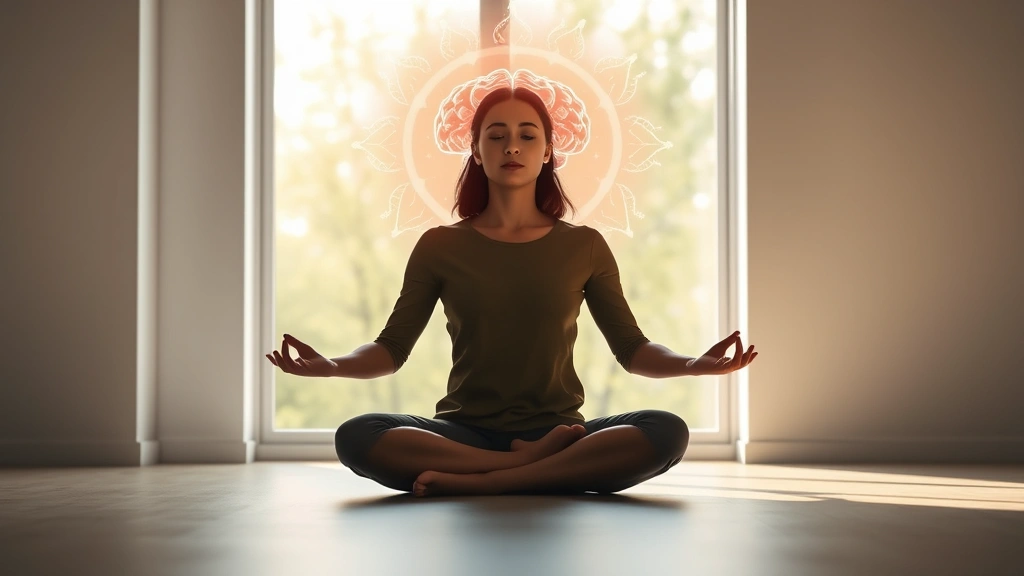
Is Mindfulness Effective? Expert Insights and Scientific Evidence
Mindfulness has become one of the most discussed wellness practices in modern healthcare and mental health treatment. From corporate wellness programs to clinical therapeutic settings, mindfulness-based interventions are increasingly recommended as complementary approaches to traditional therapy. But does the science actually support these claims? This comprehensive guide examines the evidence behind mindfulness effectiveness, explores how it integrates with other therapeutic modalities like speech therapy services, and provides expert insights into when and how mindfulness works best.
The growing interest in mindfulness reflects a broader shift toward holistic health approaches that address mental, emotional, and physical wellbeing simultaneously. Whether you’re considering mindfulness for stress reduction, anxiety management, or as part of a comprehensive treatment plan, understanding the research is essential for making informed decisions about your mental health care.
What Is Mindfulness and How Does It Work
Mindfulness is the practice of maintaining present-moment awareness with non-judgmental attention to thoughts, feelings, bodily sensations, and the surrounding environment. Rooted in Buddhist meditation traditions but now secularized for Western contexts, mindfulness involves deliberately focusing attention on what’s happening right now rather than ruminating about the past or worrying about the future.
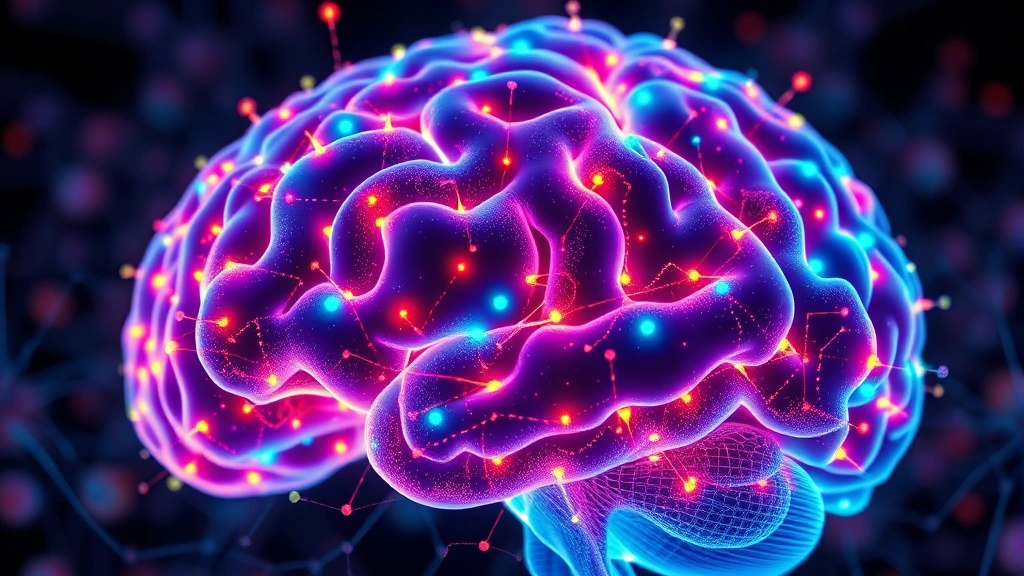
The mechanism behind mindfulness effectiveness involves several interconnected neurobiological processes. When you practice mindfulness, you activate the prefrontal cortex—the brain region responsible for rational thinking, emotional regulation, and decision-making. Simultaneously, mindfulness reduces activity in the amygdala, which processes fear and emotional reactivity. This neurological shift allows individuals to observe their thoughts and emotions without automatically reacting to them, creating what researchers call “psychological distance” from distressing mental content.
Research from institutions like MIT has demonstrated that consistent mindfulness practice strengthens neural pathways associated with attention, emotional regulation, and self-awareness. The practice essentially trains your brain to respond more skillfully to stress, rather than react automatically. This is why mindfulness is often integrated into comprehensive therapy resources and mental health articles alongside evidence-based treatments.

Scientific Evidence Supporting Mindfulness
Multiple randomized controlled trials and meta-analyses have documented significant benefits of mindfulness-based interventions across diverse populations. A landmark study published in JAMA Psychiatry comparing mindfulness-based stress reduction (MBSR) to standard medical treatment found that mindfulness produced comparable anxiety reduction without medication side effects.
The evidence base includes:
- Anxiety Reduction: Studies show 25-40% reduction in anxiety symptoms for individuals completing 8-week MBSR programs
- Depression Management: Mindfulness-based cognitive therapy reduces depression relapse rates by approximately 50% compared to standard care alone
- Sleep Improvement: Mindfulness interventions significantly improve sleep quality and reduce insomnia symptoms
- Pain Management: Chronic pain patients using mindfulness report improved pain tolerance and reduced medication dependence
- Immune Function: Research indicates mindfulness practice enhances immune response markers and inflammatory regulation
A comprehensive review in Nature Reviews Neuroscience analyzed neuroimaging studies showing that regular mindfulness practitioners demonstrate structural brain changes, including increased gray matter density in regions associated with learning, memory, and emotional regulation. These findings suggest mindfulness creates lasting neural adaptations rather than temporary relief.
However, effect sizes vary considerably depending on the population studied, intervention duration, and measurement methods. Some individuals experience dramatic benefits while others show modest improvements, highlighting the importance of personalized approaches to mental health treatment.
Mindfulness in Clinical Settings
Healthcare providers increasingly recommend mindfulness as an adjunctive treatment within integrated care models. When combined with traditional therapeutic approaches like cognitive-behavioral therapy (CBT) or as a complement to physical rehabilitation programs, mindfulness often produces superior outcomes compared to either intervention alone.
Clinical psychologists report that mindfulness helps patients develop metacognitive awareness—the ability to observe and understand their own thought patterns. This awareness becomes foundational for implementing cognitive restructuring techniques and behavioral changes. Mental health professionals recognize that mindfulness addresses the emotional dysregulation that often underlies anxiety, depression, and trauma-related conditions.
In psychiatric hospitals and outpatient clinics, mindfulness-based interventions have become standard components of treatment protocols for:
- Generalized anxiety disorder
- Major depressive disorder
- Post-traumatic stress disorder
- Obsessive-compulsive disorder
- Borderline personality disorder
- Substance use disorders
Research from the American Psychological Association indicates that clinician-guided mindfulness instruction produces better outcomes than self-directed practice, particularly for individuals with severe mental health conditions. This underscores why understanding therapy costs and treatment options matters when seeking professional guidance.
Mindfulness for Anxiety and Depression
Anxiety and depression represent two of the most prevalent mental health conditions, affecting millions globally. Mindfulness addresses these conditions through multiple mechanisms that traditional medication alone cannot replicate.
For anxiety disorders, mindfulness works by interrupting the anxiety cycle. Anxiety typically involves catastrophic thinking patterns where individuals ruminate about potential negative outcomes. Mindfulness training teaches individuals to notice anxious thoughts as mental events rather than factual predictions about the future. This cognitive shift reduces the emotional charge associated with anxious thinking and prevents escalation into panic responses.
Depression often involves rumination about past failures and hopelessness about the future. Mindfulness redirects attention to present-moment experience, which naturally reduces depressive rumination. Additionally, mindfulness increases awareness of small positive experiences—a phenomenon called “savoring”—that depressed individuals often overlook.
A randomized controlled trial comparing mindfulness-based cognitive therapy to standard treatment for depression found that individuals receiving mindfulness training showed:
- Sustained symptom improvement at 12-month follow-up
- Reduced relapse rates by 50% compared to medication alone
- Improved quality of life and social functioning
- Greater sense of agency and control over mental health
The integration of mindfulness with other therapeutic modalities creates comprehensive treatment approaches. For instance, individuals receiving occupational therapy for functional recovery benefit from mindfulness’s capacity to enhance motivation and emotional engagement with rehabilitation activities.
Integration with Traditional Therapy
The most effective mental health treatment models combine mindfulness with established therapeutic frameworks. Mindfulness-based cognitive therapy (MBCT), developed specifically for depression relapse prevention, integrates cognitive-behavioral techniques with meditation practices. This hybrid approach addresses both the cognitive distortions underlying depression and the emotional dysregulation that maintains it.
Similarly, acceptance and commitment therapy (ACT) incorporates mindfulness principles alongside values clarification and behavioral activation. Dialectical behavior therapy (DBT), widely used for borderline personality disorder, integrates mindfulness with distress tolerance and emotion regulation skills.
Research demonstrates that mindfulness enhances therapy effectiveness by:
- Increasing therapeutic engagement: Mindfulness practice develops the attentional skills necessary for productive therapy work
- Reducing defensive responses: Non-judgmental awareness reduces resistance to therapeutic insights
- Improving emotion regulation: Mindfulness strengthens capacity to tolerate uncomfortable emotions during therapy
- Facilitating behavioral change: Mindfulness increases awareness of habitual patterns and creates space for new responses
When combined with complementary treatment modalities, mindfulness creates synergistic effects that amplify overall therapeutic benefit. Mental health professionals increasingly recognize that addressing mental health requires multifaceted approaches incorporating biological, psychological, and behavioral interventions.
Limitations and Considerations
While research supporting mindfulness is substantial, important limitations and contraindications exist. Mindfulness is not universally effective, and certain populations may experience adverse effects from meditation practice.
Individuals with active psychosis, severe dissociation, or certain trauma presentations may find intensive mindfulness practice destabilizing. The inward focus of meditation can intensify paranoid or dissociative symptoms in vulnerable individuals. Additionally, some people with severe depression report that sitting quietly with depressive thoughts without external engagement worsens their condition.
Mindfulness also requires consistent practice to maintain benefits. Many individuals begin meditation programs enthusiastically but discontinue after several weeks when immediate results aren’t apparent. Research indicates that sustained practice—typically 20-45 minutes daily for 8 weeks minimum—is necessary for significant neurobiological changes.
Furthermore, mindfulness should not replace evidence-based treatments for serious mental health conditions. While mindfulness shows promise as an adjunctive intervention, individuals with severe depression, bipolar disorder, or psychotic disorders require comprehensive treatment including medication management and professional clinical oversight.
The commercialization of mindfulness has also raised concerns about oversimplification and unrealistic expectations. Mindfulness is sometimes marketed as a panacea for all mental health challenges, when research actually supports its effectiveness for specific conditions under particular circumstances.
Practical Implementation Strategies
For individuals interested in exploring mindfulness, several evidence-based approaches provide structured frameworks for practice.
Mindfulness-Based Stress Reduction (MBSR): This 8-week program, developed at the University of Massachusetts Medical School, includes daily meditation, body scans, and yoga. MBSR programs are offered through hospitals, clinics, and community centers worldwide and provide professional instruction and structured support.
Self-Directed Practice: Individuals can begin with simple practices like 5-10 minutes of focused breathing meditation daily. Numerous apps and online resources provide guided meditations, though research suggests professional instruction produces better outcomes.
Informal Mindfulness: Integrating mindfulness into daily activities—mindful eating, walking, or listening—makes practice accessible without dedicated meditation time.
Professional Support: Working with therapists trained in mindfulness-based interventions ensures appropriate application for your specific circumstances. This is particularly important if you have mental health conditions or trauma history.
Starting mindfulness practice involves:
- Choosing a consistent time and quiet location
- Beginning with short sessions (5-10 minutes) and gradually extending duration
- Focusing on breath awareness without attempting to control breathing
- Noticing when attention wanders and gently returning focus
- Practicing self-compassion rather than self-criticism during practice
- Maintaining consistency even when practice feels difficult
If you’re seeking professional guidance for mental health concerns, exploring speech therapy and mental health services in your area can connect you with qualified professionals who integrate mindfulness into comprehensive treatment plans.
FAQ
Is mindfulness effective for everyone?
Mindfulness shows benefits across diverse populations, but effectiveness varies individually. Some people experience significant improvements in anxiety and depression, while others show modest benefits. Certain populations, including those with active psychosis or severe dissociation, may experience adverse effects. Professional guidance helps determine if mindfulness is appropriate for your specific situation.
How long does it take to experience mindfulness benefits?
Some individuals notice reduced stress and improved focus within 1-2 weeks of consistent practice. However, significant neurobiological changes typically require 8 weeks of regular practice. Most research protocols involve 20-45 minutes of daily practice for measurable mental health improvements.
Can mindfulness replace psychiatric medication?
Mindfulness should not replace medication for serious mental health conditions. Research supports mindfulness as an adjunctive treatment that complements medication, potentially reducing dosage needs over time under professional supervision. Always consult with psychiatrists before modifying medication regimens.
What’s the difference between mindfulness meditation and other meditation practices?
Mindfulness meditation focuses on present-moment awareness of thoughts, feelings, and sensations without judgment. Other meditation practices like transcendental meditation or mantra-based meditation use different techniques. While all meditation offers benefits, mindfulness-based interventions have the strongest research support for mental health conditions.
How do I know if I’m practicing mindfulness correctly?
Correct mindfulness practice doesn’t require achieving a particular mental state or experiencing specific sensations. The practice itself involves noticing whatever arises—thoughts, emotions, sensations—without judgment. If you’re regularly sitting and observing your experience with gentle attention, you’re practicing mindfulness correctly. Professional instruction can refine technique and address challenges.
Can children benefit from mindfulness?
Yes, research demonstrates that age-appropriate mindfulness programs help children manage anxiety, improve attention, and develop emotional regulation skills. School-based mindfulness programs show promise for reducing behavioral problems and improving academic performance. However, mindfulness instruction for children should be adapted to developmental levels and delivered by trained professionals.