How Does Mindfulness Boost Mental Health? Experts Weigh In
Mindfulness has emerged as one of the most researched and evidence-backed approaches to improving mental health in recent years. From reducing anxiety and depression to enhancing emotional resilience, the scientific community continues to validate what meditation practitioners have known for centuries. But what exactly happens in your brain when you practice mindfulness, and how can it transform your mental wellbeing?
In this comprehensive guide, we explore the neuroscience behind mindfulness, its proven benefits for mental health, and practical strategies recommended by leading experts. Whether you’re dealing with stress, seeking emotional balance, or looking to deepen your psychological wellbeing, understanding how mindfulness works can help you unlock its transformative potential.
The Neuroscience of Mindfulness
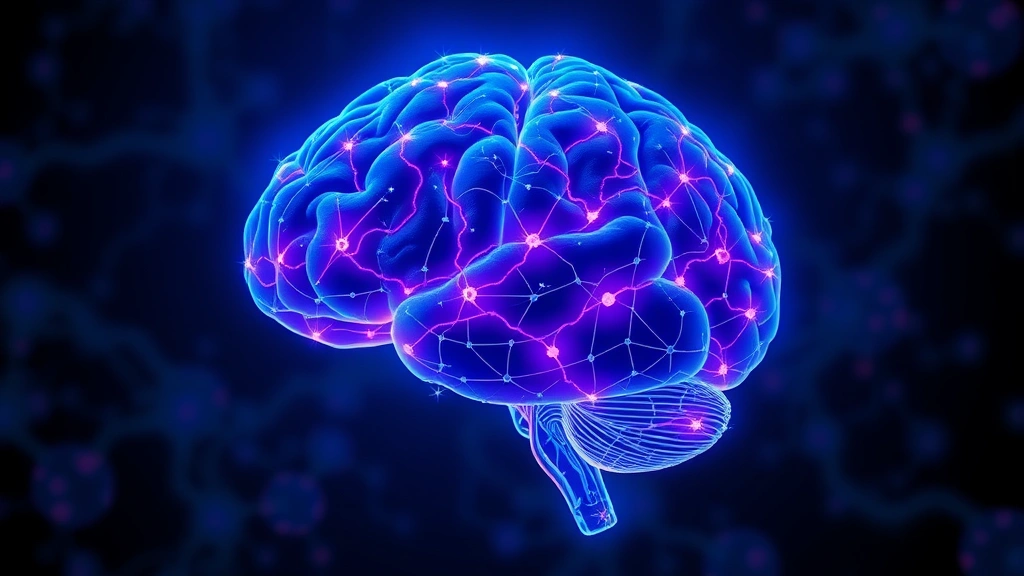
When you practice mindfulness, measurable changes occur in your brain’s structure and function. Research from Harvard Medical School demonstrates that regular meditation increases gray matter density in the hippocampus, the region responsible for memory and emotional regulation. This physical transformation isn’t metaphorical—it’s neurobiological.
The prefrontal cortex, your brain’s executive control center, becomes more active during mindfulness practice. This area manages decision-making, emotional processing, and self-awareness. Simultaneously, the amygdala, which processes fear and threat responses, shows decreased activation. This neurological shift explains why mindful individuals report feeling calmer and more in control of their emotional responses.
Brain imaging studies reveal that mindfulness practitioners develop stronger connections between the prefrontal cortex and amygdala. This neural pathway acts like a communication highway, allowing rational thinking to better regulate emotional impulses. Over time, consistent practice literally rewires these connections, making emotional stability more automatic and sustainable.
One fascinating discovery involves the default mode network (DMN), a brain system active during mind-wandering and self-referential thinking. Excessive DMN activity correlates with anxiety, depression, and rumination. Mindfulness practice quiets the DMN, reducing the tendency toward negative thought spirals that fuel mental health challenges.

How Mindfulness Reduces Anxiety and Depression
Anxiety and depression often stem from our relationship with thoughts rather than the thoughts themselves. Mindfulness teaches a fundamentally different approach: observing thoughts without judgment or attachment. Instead of fighting anxious thoughts or believing depressive narratives, mindfulness practitioners learn to witness them with curiosity and compassion.
Research published by the American Psychological Association shows that mindfulness-based cognitive therapy (MBCT) reduces depression relapse rates by up to 50% compared to standard treatment alone. For anxiety disorders, mindfulness interventions demonstrate efficacy comparable to pharmaceutical treatments, without the side effects.
The mechanism works through several pathways. First, mindfulness interrupts the rumination cycle. When you notice yourself caught in repetitive worry or self-criticism, mindfulness teaches you to redirect attention to present-moment experience. This simple shift prevents the cascade of negative thoughts that amplifies anxiety and depression.
Second, mindfulness builds distress tolerance. Rather than avoiding uncomfortable emotions—which paradoxically intensifies them—mindfulness teaches you to sit with discomfort. This counterintuitive approach actually reduces the suffering associated with difficult emotions. You learn that feelings, however intense, are temporary and manageable.
Third, mindfulness enhances self-compassion. Many people with anxiety and depression engage in harsh self-criticism, which compounds their suffering. Mindfulness practice naturally cultivates kindness toward yourself, creating a more supportive internal dialogue. This shift in self-relationship is profoundly healing.
Mindfulness and Emotional Regulation
Emotional regulation—your ability to experience emotions without being overwhelmed by them—is fundamental to mental health. Mindfulness strengthens this capacity through multiple mechanisms. When you practice mindfulness, you’re essentially training your nervous system to respond rather than react.
The amygdala, your brain’s alarm system, can trigger the fight-flight-freeze response before conscious thought occurs. This evolutionary adaptation served us well in physical danger but misfires in modern life, creating unnecessary stress and emotional dysregulation. Mindfulness creates a pause between stimulus and response, allowing your prefrontal cortex to engage before your amygdala hijacks your behavior.
This pause is transformative. Instead of automatically lashing out when angry, mindfulness gives you the space to choose a more constructive response. Instead of avoiding social situations when anxious, you can acknowledge the anxiety while still showing up. This flexibility is the essence of emotional maturity.
Mindfulness also teaches emotional granularity—the ability to distinguish between different emotional states. Many people collapse all negative emotions into a single “bad feeling.” Mindfulness helps you identify whether you’re experiencing frustration, sadness, fear, or disappointment. This specificity enables more targeted and effective responses.
For those dealing with complex emotional challenges, integrating mindfulness with speech therapy approaches can enhance emotional expression and communication. Similarly, professional therapy options can complement your mindfulness practice for comprehensive mental health support.
Mindfulness Practices for Daily Life
The beauty of mindfulness is its accessibility. You don’t need special equipment, expensive retreats, or hours of daily practice to experience benefits. Even brief, consistent mindfulness practice produces measurable improvements in mental health.
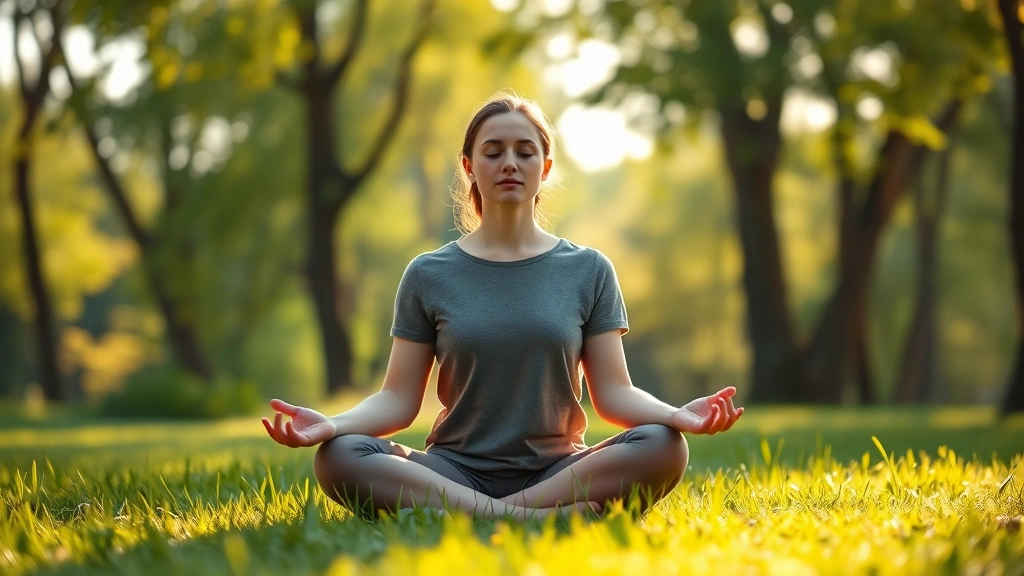
Breath Awareness Meditation: This foundational practice involves focusing attention on your natural breath. Sit comfortably, close your eyes, and notice the sensation of breathing. When your mind wanders—and it will—gently redirect attention back to the breath. Start with 5-10 minutes daily. This simple practice activates your parasympathetic nervous system, naturally reducing stress and anxiety.
Body Scan Meditation: Lie comfortably and systematically bring attention through your body, noticing sensations without judgment. This practice enhances body awareness and releases physical tension that often accompanies stress. It’s particularly helpful for those with anxiety disorders, as it grounds you in present-moment physical experience.
Mindful Walking: Transform a regular walk into a meditation. Notice each footstep, the sensation of movement, your surroundings. This accessible practice integrates mindfulness into daily life, making it sustainable long-term. Walking meditation is especially valuable for those who find sitting meditation challenging.
Loving-Kindness Meditation: This practice involves directing compassionate wishes toward yourself and others. Research shows it significantly increases positive emotions and reduces self-criticism. For those struggling with depression or anxiety rooted in self-judgment, this practice is particularly transformative.
Mindful Eating: Bring full attention to eating, noticing flavors, textures, and sensations. This practice reduces emotional eating, improves digestion, and enhances satisfaction from meals. It’s a practical way to integrate mindfulness into daily routines.
Consistency matters more than duration. A 10-minute daily practice produces more benefit than sporadic hour-long sessions. Like physical exercise, mindfulness works best as a regular habit.
Expert Recommendations and Research
Leading researchers and clinicians increasingly recommend mindfulness as a first-line intervention for mental health challenges. Mindful magazine regularly reviews the latest research demonstrating mindfulness effectiveness for anxiety, depression, PTSD, and chronic pain.
Jon Kabat-Zinn, pioneering researcher who developed Mindfulness-Based Stress Reduction (MBSR), emphasizes that mindfulness isn’t about achieving a blank mind or feeling perpetually calm. Rather, it’s about changing your relationship with experience. This reframe is crucial: mindfulness doesn’t eliminate negative emotions but transforms your relationship with them.
Clinical psychologists increasingly integrate mindfulness into evidence-based treatments. Dialectical Behavior Therapy (DBT), Acceptance and Commitment Therapy (ACT), and Cognitive Behavioral Therapy (CBT) all now incorporate mindfulness components. This integration reflects growing recognition that mindfulness addresses core psychological processes underlying mental health challenges.
Research from the National Institute of Mental Health shows that mindfulness produces neuroplastic changes—your brain literally rewires itself through practice. This neuroplasticity means you’re not stuck with anxiety or depression patterns; you can actively reshape your brain through mindfulness.
For specific populations, research demonstrates tailored benefits. Veterans with PTSD show significant symptom reduction through mindfulness-based interventions. Adolescents with depression benefit from school-based mindfulness programs. Patients with chronic illness experience improved quality of life through mindfulness practice.
Expert consensus suggests starting with guided meditations, whether through apps, online resources, or therapy resource platforms. This guidance helps establish correct technique and prevents discouragement from common beginner challenges.
Integrating Mindfulness with Professional Support
While mindfulness is powerful, it works best integrated with comprehensive mental health care. If you’re experiencing significant anxiety, depression, or trauma, combining mindfulness with professional therapy creates synergistic benefits.
A therapist trained in mindfulness-based approaches can help you understand how mindfulness specifically addresses your unique challenges. They can guide you through meditation practices tailored to your needs and help you navigate difficulties that arise during practice.
For those with communication challenges or difficulty articulating emotional experiences, combining mindfulness with speech therapy near me services can enhance your ability to process and express emotions effectively. Similarly, exploring occupational therapy approaches can help integrate mindfulness into daily routines and activities.
Understanding how much therapy costs helps you plan mental health care that fits your budget. Many therapists now offer mindfulness-based treatment options, and some insurance plans cover MBSR programs prescribed by healthcare providers.
For those interested in complementary approaches, red light therapy and other evidence-based modalities can complement mindfulness practice. Explore physical therapy options if your mental health challenges involve physical components.
The comprehensive MindLift Daily Blog therapy resources offer extensive information on integrating various therapeutic approaches with mindfulness practice for optimal mental health outcomes.
FAQ
How long before mindfulness improves mental health?
Most people notice subtle improvements within 2-4 weeks of consistent daily practice. Brain imaging changes appear within 8 weeks. However, significant mental health improvements typically emerge over months of sustained practice. Patience and consistency are essential.
Can mindfulness replace medication for anxiety or depression?
Mindfulness is effective for many people but shouldn’t automatically replace medication without medical guidance. The most effective approach often combines medication, therapy, and mindfulness. Consult your healthcare provider before making changes to psychiatric medication.
What if I can’t quiet my mind during meditation?
Mind-wandering during meditation is completely normal, not a failure. The practice isn’t about achieving a blank mind but noticing when your mind wanders and gently returning attention. This noticing-and-returning cycle is where the benefit occurs.
Is mindfulness religious or spiritual?
While mindfulness has roots in Buddhist traditions, secular mindfulness programs like MBSR are completely non-religious. You can practice mindfulness regardless of your spiritual beliefs or lack thereof. It’s a practical technique, not a belief system.
How much mindfulness practice is needed for mental health benefits?
Research suggests 10-20 minutes daily produces measurable benefits for mental health. Some people benefit from shorter practices, while others prefer longer sessions. Consistency matters more than duration—daily practice outweighs occasional longer sessions.
Can mindfulness help with specific diagnoses like PTSD or bipolar disorder?
Yes, mindfulness-based interventions show effectiveness for PTSD, bipolar disorder, and other specific diagnoses. However, the specific approach matters. Work with a mental health professional experienced with your particular diagnosis to ensure mindfulness complements your treatment plan appropriately.