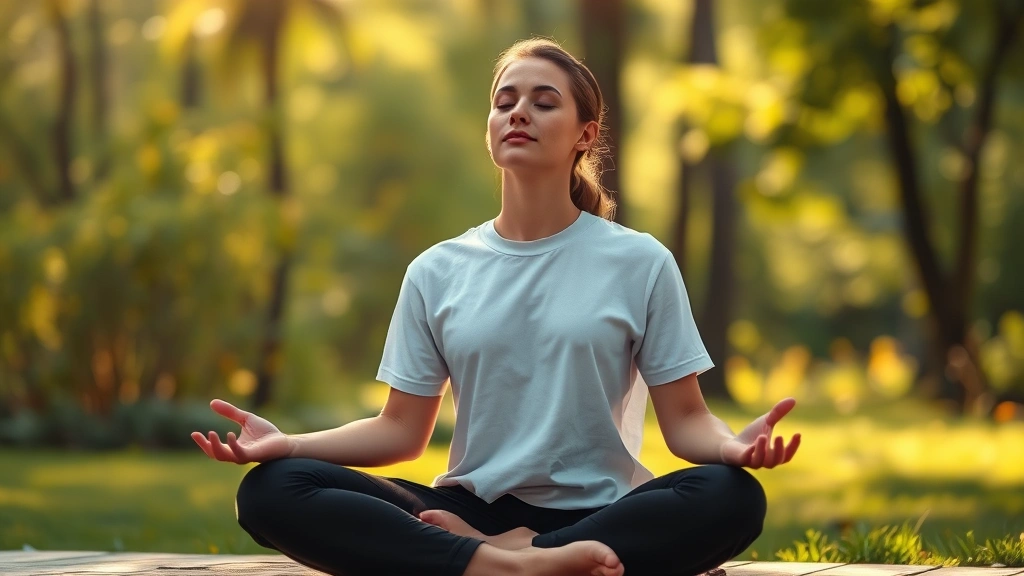
Mindfulness for Mental Health: Expert Opinions
Mindfulness has emerged as one of the most researched and evidence-based approaches to improving mental health in recent decades. Mental health professionals, neuroscientists, and psychologists increasingly recognize mindfulness as a powerful tool for managing stress, anxiety, depression, and various psychological conditions. This comprehensive guide explores expert opinions on mindfulness practices, their scientific foundation, and practical applications for mental wellness.
The integration of mindfulness into mainstream mental health treatment represents a significant shift in how we approach psychological wellness. From clinical settings to corporate wellness programs, mindfulness-based interventions have demonstrated measurable benefits for individuals seeking to improve their emotional resilience and overall quality of life. Understanding these expert perspectives can help you make informed decisions about incorporating mindfulness into your mental health journey.
What Experts Say About Mindfulness and Mental Health
Leading mental health experts consistently emphasize the transformative potential of mindfulness for psychological well-being. Dr. Jon Kabat-Zinn, founder of the Center for Mindfulness at the University of Massachusetts Medical School, defines mindfulness as “paying attention in a particular way: on purpose, in the present moment, and non-judgmentally.” This foundational definition has shaped decades of research and clinical practice.
Experts from institutions like the American Psychological Association recognize mindfulness as a legitimate therapeutic approach with measurable outcomes. Clinical psychologists increasingly recommend cognitive behavioral therapy combined with mindfulness practices for comprehensive mental health treatment. The consensus among experts is that mindfulness complements traditional therapeutic modalities while offering accessible techniques individuals can practice independently.
Dr. Tasha Eurich, organizational psychologist and mindfulness researcher, highlights that mindfulness training enhances self-awareness, a critical component of mental health improvement. When individuals develop greater awareness of their thoughts, emotions, and behavioral patterns, they gain the capacity to respond more effectively rather than react automatically to stressors.

Scientific Evidence Supporting Mindfulness Practices
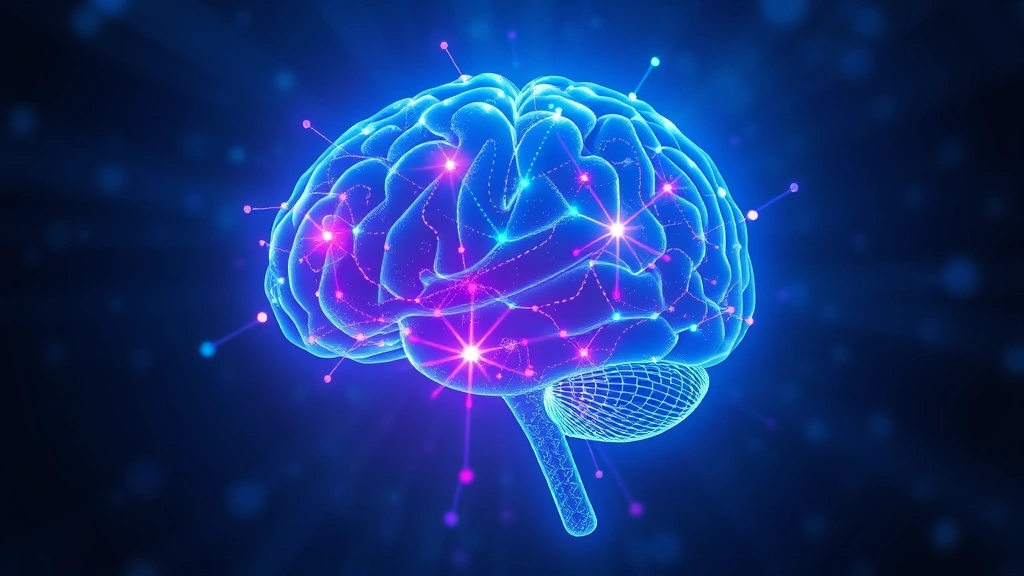
Neuroimaging studies provide compelling evidence for mindfulness’s effectiveness. Research published in peer-reviewed journals demonstrates that regular mindfulness meditation produces measurable changes in brain structure and function. Studies using functional MRI technology show that mindfulness practitioners exhibit increased gray matter density in regions associated with learning, memory, and emotional regulation.
The National Center for Biotechnology Information has published extensive research documenting mindfulness’s effects on the brain’s default mode network, which is overactive during rumination and anxiety. By training attention through mindfulness, individuals can reduce the brain’s tendency toward repetitive negative thinking patterns.
Clinical trials demonstrate that mindfulness-based stress reduction (MBSR) programs, typically consisting of eight weeks of structured training, produce significant improvements in anxiety symptoms, pain perception, and overall quality of life. These outcomes rival or exceed those achieved through pharmaceutical interventions for many individuals, particularly when combined with other therapeutic approaches and professional support.
Expert researchers from major universities continue documenting mindfulness’s impact on various mental health conditions. The consistency of positive findings across diverse populations and research methodologies strengthens the evidence base supporting mindfulness as an evidence-based intervention.
Mindfulness for Anxiety and Stress Management
Anxiety disorders affect millions of individuals worldwide, and experts increasingly recommend mindfulness as a first-line intervention. The mechanism is straightforward: anxiety thrives on avoidance and future-focused worry, while mindfulness anchors attention to the present moment where no actual threat exists.
Dr. Bessel van der Kolk, trauma specialist and neuroscientist, emphasizes that mindfulness helps regulate the amygdala, the brain’s alarm system. When individuals practice mindfulness regularly, they develop improved control over this reactive system, reducing the automatic fear response that characterizes anxiety disorders.
Experts recommend specific mindfulness techniques for anxiety management, including body scan meditation, which systematically directs attention through different body regions. This practice helps individuals recognize the physical manifestations of anxiety and develop a more objective relationship with bodily sensations rather than becoming overwhelmed by them.
Breathing-focused mindfulness practices, particularly extended exhale techniques, directly activate the parasympathetic nervous system, triggering the body’s relaxation response. Mental health professionals frequently teach these techniques as accessible tools individuals can employ during anxiety episodes.
The American Psychological Association recognizes mindfulness-based stress reduction as an empirically supported treatment for anxiety disorders, positioning it alongside traditional therapeutic interventions.
Depression and Mindfulness-Based Interventions
Depression represents one of the most prevalent mental health challenges globally, and experts have developed specialized mindfulness approaches for this condition. Mindfulness-based cognitive therapy (MBCT), originally developed for depression relapse prevention, combines mindfulness with cognitive therapeutic principles.
The mechanism of mindfulness for depression addresses the rumination cycle—the tendency to repetitively focus on negative thoughts and feelings. By cultivating non-judgmental awareness of thoughts without attempting to change or suppress them, individuals break the rumination cycle that perpetuates depressive episodes.
Research demonstrates that individuals who complete MBCT programs show significantly reduced relapse rates compared to those receiving standard treatment alone. Experts particularly recommend mindfulness for individuals with recurrent depression, as it teaches skills for early recognition of depressive symptoms and intervention before full episodes develop.
Dr. Mark Williams, co-developer of mindfulness-based cognitive therapy, emphasizes that mindfulness teaches individuals to observe their thoughts as mental events rather than facts or commands. This shift in perspective fundamentally alters the relationship with depressive thoughts, reducing their power to trigger behavioral withdrawal and hopelessness.
Compassion-focused mindfulness practices hold particular value for depression treatment. By cultivating self-compassion through mindfulness, individuals counteract the harsh self-criticism that often accompanies depression, creating space for healing and recovery.
Integrating Mindfulness with Professional Treatment
Experts unanimously recommend that mindfulness serve as a complement to, rather than replacement for, professional mental health treatment when clinical conditions warrant intervention. For individuals experiencing severe depression, anxiety disorders, or other significant mental health challenges, professional therapy and mental health services remain essential components of comprehensive care.
Many therapists now integrate mindfulness into evidence-based treatment protocols. Therapy resources and information increasingly include mindfulness components alongside traditional interventions. This integrated approach leverages the strengths of multiple modalities, providing individuals with comprehensive support.
Experts in occupational and physical health note that mindfulness enhances outcomes across various therapeutic contexts. Individuals undergoing physical therapy for neurological conditions or pursuing occupational therapy often benefit from mindfulness practices that improve focus, reduce pain perception, and enhance motivation for rehabilitation.
Mental health professionals with expertise in mindfulness recommend that individuals beginning mindfulness practice while managing significant psychological conditions do so under professional guidance. Certain populations, including those with trauma histories or psychotic disorders, may require specialized mindfulness approaches or careful monitoring.
The integration of mindfulness into treatment planning represents a sophisticated, evidence-based approach that honors both traditional therapeutic wisdom and contemporary neuroscientific understanding.
Practical Mindfulness Techniques Recommended by Experts
Experts recommend several evidence-based mindfulness techniques suitable for mental health improvement. Focused attention meditation, where practitioners maintain attention on a single anchor such as the breath, develops the foundational capacity for present-moment awareness.
Body scan meditation, typically lasting 20-45 minutes, involves systematically directing attention through different body regions. This practice enhances interoceptive awareness (the ability to perceive internal bodily states) and helps individuals recognize how emotions manifest physically.
Open monitoring meditation, where practitioners observe all arising thoughts, sensations, and emotions without attachment or judgment, develops greater equanimity and reduces reactivity. Experts consider this advanced practice valuable for individuals with established meditation experience.
Walking meditation offers an accessible alternative for individuals who struggle with seated practice. This technique combines mindful movement with present-moment awareness, making it suitable for various physical conditions and preferences.
Loving-kindness meditation, which involves directing well-wishes toward oneself and others, shows particular promise for depression and social anxiety. Research demonstrates that this practice increases positive emotions and social connection while reducing self-criticism.
Experts recommend starting with brief daily practices, typically 10-15 minutes, before gradually extending duration as comfort and skill develop. Consistency matters more than length; brief daily practice produces superior outcomes compared to occasional longer sessions.
Mindfulness-based stress reduction programs typically follow structured eight-week curricula that combine meditation, body awareness practices, and yoga, providing comprehensive training with professional guidance.
Challenges and Limitations in Mindfulness Practice
While mindfulness offers substantial benefits, experts acknowledge significant limitations and challenges. Some individuals experience increased anxiety or emotional distress when beginning meditation, particularly those with trauma histories. These individuals benefit from trauma-sensitive mindfulness approaches or professional guidance during practice.
The “mindfulness movement” has sometimes oversold mindfulness as a panacea, leading to unrealistic expectations. Experts emphasize that mindfulness represents one valuable tool among many therapeutic approaches, not a cure-all for serious mental health conditions.
Access and equity concerns persist in mindfulness research and practice. Most published research involves predominantly white, educated, middle-class populations, potentially limiting generalizability. Experts recognize that mindfulness programs require adaptation to serve diverse cultural contexts effectively.
Some individuals experience difficulty with meditation due to attention challenges, intrusive thoughts, or physical discomfort. Experts recommend that practitioners with ADHD, racing thoughts, or pain conditions explore adapted approaches or alternative mindfulness expressions.
The commercialization of mindfulness through apps and abbreviated programs sometimes dilutes the depth of traditional practice. While technology-based mindfulness offers accessibility advantages, experts caution that brief guided meditations may not produce the neurobiological changes documented in longer, more intensive programs.
Research limitations also merit consideration. Many mindfulness studies employ small sample sizes, lack rigorous control conditions, or struggle with blinding procedures. Experts call for continued rigorous research to clarify which populations benefit most from specific mindfulness approaches and under what conditions.
FAQ
How long does it take to experience mental health benefits from mindfulness?
Experts report that individuals typically notice improved stress management and emotional awareness within 2-4 weeks of consistent daily practice. Measurable changes in anxiety and depression symptoms often emerge within 4-8 weeks of structured mindfulness-based programs. However, neurobiological changes detected through brain imaging may require longer practice periods, and individual variation is substantial.
Can mindfulness replace psychiatric medication for mental health conditions?
Mental health experts emphasize that mindfulness should not replace psychiatric medication for serious mental health conditions without professional medical guidance. Mindfulness works most effectively as a complement to medication and therapy. Individuals considering medication changes should consult with psychiatrists, not make independent decisions based on mindfulness practice.
What is the difference between mindfulness and meditation?
Experts define mindfulness as a quality of present-moment awareness that can be cultivated throughout daily activities, while meditation represents a formal practice designed to develop mindfulness. Meditation serves as a training method for mindfulness, but mindfulness itself encompasses informal awareness during routine activities like eating, walking, or conversing.
Is mindfulness effective for all mental health conditions?
While mindfulness shows promise for numerous conditions including anxiety, depression, chronic pain, and stress, research is less conclusive for some disorders. Experts note that mindfulness requires adaptation for trauma, psychosis, and severe dissociation. Professional assessment helps determine whether standard mindfulness approaches suit individual circumstances.
How do I find qualified mindfulness instructors or programs?
Experts recommend seeking instructors certified through established programs like mindfulness-based stress reduction or mindfulness-based cognitive therapy training. Professional mental health organizations provide referral resources, and university medical centers often offer evidence-based programs. Individual therapy providers increasingly incorporate mindfulness training into their practice.