
Mindfulness: Can It Improve Mental Health? Studies Say Yes
The question of whether mindfulness can genuinely improve mental health has moved beyond casual wellness trends into rigorous scientific territory. Over the past two decades, researchers have conducted thousands of peer-reviewed studies examining mindfulness meditation and its effects on anxiety, depression, stress, and overall psychological well-being. The evidence is compelling: mindfulness practices demonstrate measurable improvements in mental health outcomes across diverse populations, from corporate professionals to clinical patients with diagnosed mental health conditions.
Mindfulness, defined as the practice of maintaining moment-to-moment awareness without judgment, has become increasingly integrated into therapeutic settings alongside traditional treatment approaches. When combined with other interventions like speech therapy services for communication-related anxiety or therapy for generational trauma, mindfulness creates a comprehensive approach to mental health. This article explores the scientific evidence supporting mindfulness as a legitimate mental health intervention, examines how it works neurologically, and discusses its practical applications.
Scientific Evidence: What Research Reveals About Mindfulness
The scientific foundation for mindfulness-based interventions is substantial and growing. A landmark meta-analysis published in JAMA Psychiatry examined 47 trials involving over 3,500 participants and found that mindfulness meditation programs showed moderate evidence of improvement in anxiety and depression. This wasn’t anecdotal reporting—these were controlled clinical trials with rigorous methodologies.
Research from the University of Massachusetts Medical School, pioneers in mindfulness-based stress reduction (MBSR), demonstrates that eight weeks of structured mindfulness training produces measurable decreases in perceived stress and anxiety symptoms. Participants showed sustained improvements even six months after completing the program, suggesting that mindfulness creates lasting neurological and psychological changes rather than temporary relief.
Studies specifically examining mindfulness-based cognitive therapy (MBCT) reveal its effectiveness in preventing depression relapse. For individuals with a history of recurrent depression, MBCT reduced relapse rates by approximately 50% compared to treatment as usual. This finding is particularly significant because it demonstrates that mindfulness doesn’t just manage symptoms—it fundamentally alters how the brain processes emotional information and responds to stress triggers.
The National Institutes of Health has invested millions in mindfulness research, recognizing its potential as a cost-effective, low-risk intervention. Their findings consistently show that mindfulness produces benefits comparable to pharmaceutical interventions for mild to moderate anxiety and depression, without the side effects associated with medication.
How Mindfulness Changes Your Brain
Understanding the neuroscience behind mindfulness explains why it’s so effective. Functional MRI studies reveal that regular mindfulness practice physically rewires neural pathways, strengthening areas associated with emotional regulation and weakening those linked to rumination and anxiety. This process, called neuroplasticity, demonstrates that our brains aren’t fixed—they continuously adapt based on our mental practices.
The prefrontal cortex, responsible for rational thinking and emotional regulation, becomes more active and better connected in people who practice mindfulness regularly. Simultaneously, the amygdala, which processes fear and emotional reactivity, shows reduced activation. This neurological shift means that individuals literally become less reactive to stressors and more capable of choosing thoughtful responses rather than automatic reactions.
Mindfulness also increases gray matter density in the hippocampus, the brain region critical for learning and memory formation. This structural change correlates with improved emotional regulation and reduced anxiety symptoms. Additionally, mindfulness reduces activity in the default mode network—the brain system associated with mind-wandering and self-referential thinking that often fuels anxiety and depression.
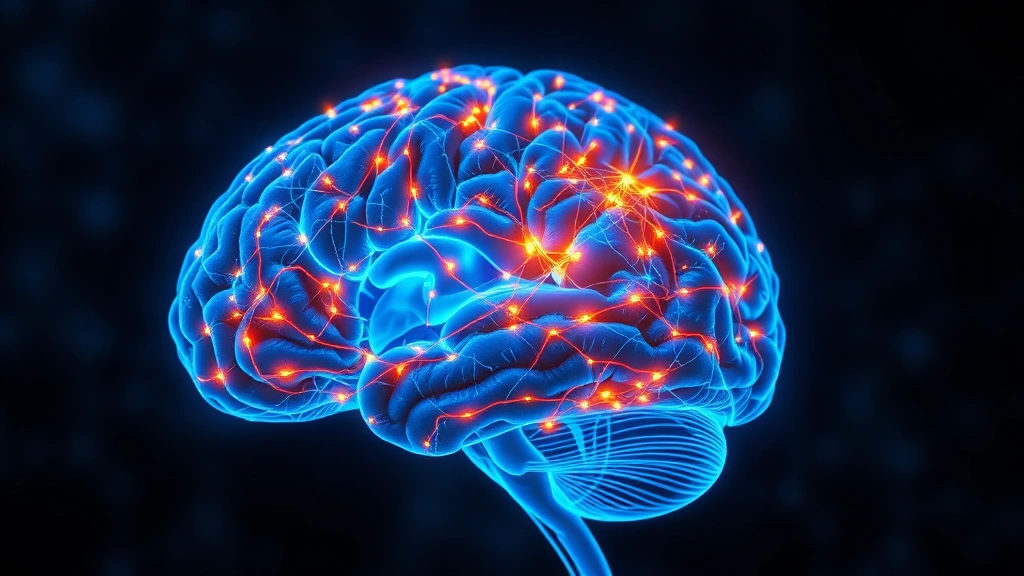
Research using electroencephalography (EEG) shows that experienced meditators display distinct brain wave patterns, with increased alpha and theta waves associated with relaxation and reduced beta waves linked to stress and anxiety. These changes occur during meditation and persist into daily life, suggesting that mindfulness creates baseline improvements in brain function rather than temporary states.
Mindfulness for Anxiety and Depression
Anxiety and depression represent two of the most prevalent mental health conditions globally, affecting hundreds of millions of people. Mindfulness addresses these conditions through multiple mechanisms. For anxiety, mindfulness breaks the cycle of worry by teaching individuals to observe anxious thoughts without engaging with them or believing they’re accurate predictions of the future.
Depression often involves rumination—repetitive, negative thinking patterns that maintain low mood. Mindfulness interrupts this cycle by training attention to return to present-moment experience rather than dwelling in past regrets or future fears. A study published in Journal of Affective Disorders found that mindfulness was as effective as antidepressant medication for reducing depressive symptoms in participants with moderate depression.
For individuals with social anxiety, mindfulness reduces the hypervigilance and self-monitoring that characterize the condition. By practicing non-judgmental awareness of internal sensations and thoughts, people with social anxiety gradually become less threatened by social situations. This is particularly relevant for those seeking speech therapy near me, as anxiety often interferes with communication effectiveness.
The beauty of mindfulness for mental health is its accessibility. Unlike medication that requires prescriptions and monitoring, or therapy that requires finding appropriate providers, mindfulness can be practiced anywhere with just a few minutes of focused attention. This democratization of mental health intervention has profound implications for populations with limited access to traditional mental health services.
Practical Mindfulness Techniques You Can Start Today
Understanding the science is valuable, but practicing mindfulness is what creates change. Here are evidence-based techniques you can implement immediately:
- Body Scan Meditation: Systematically bring attention through each body part, noticing sensations without trying to change them. This 10-15 minute practice reduces muscle tension and anxiety while improving interoceptive awareness.
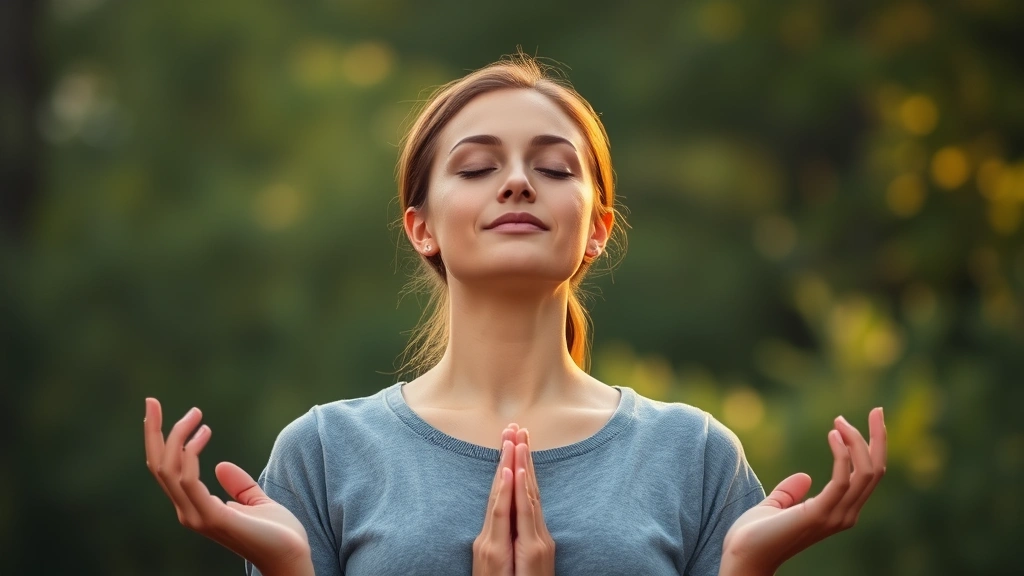
- Breathing Exercises: Focus attention on the natural rhythm of your breath. When your mind wanders, gently return attention to breathing. This foundational practice is accessible even for beginners and provides immediate calming effects.
- Mindful Walking: Move slowly while paying full attention to physical sensations, sounds, and visual experiences. This practice combines the benefits of meditation with physical movement.
- Loving-Kindness Meditation: Systematically direct compassionate wishes toward yourself and others. Research shows this technique reduces self-criticism and increases emotional resilience.
- Mindful Eating: Eat slowly, engaging all senses and noticing flavors, textures, and satiation cues. This practice reduces stress-related overeating and improves digestive health.
Starting with just five minutes daily produces measurable benefits. The key is consistency rather than duration. Daily practice, even briefly, creates more significant neurological changes than occasional longer sessions. Many people find that combining mindfulness with other therapeutic approaches, such as therapy resources and articles available through professional mental health platforms, accelerates improvement.
Mindfulness in Clinical Settings
Mindfulness has transitioned from alternative wellness practice to evidence-based clinical intervention. Major medical institutions including Mayo Clinic, Johns Hopkins Medicine, and the Cleveland Clinic now offer mindfulness-based programs as standard mental health treatments. This institutional adoption reflects the substantial clinical evidence supporting its effectiveness.
Mindfulness-based stress reduction (MBSR) is an eight-week structured program developed specifically for clinical populations. MBSR combines meditation, yoga, and body awareness practices with psychoeducation about stress and emotion regulation. Thousands of healthcare facilities worldwide now deliver MBSR, and insurance companies increasingly cover the intervention due to its proven cost-effectiveness.
Mindfulness-based cognitive therapy (MBCT) specifically targets depression prevention and is particularly effective for individuals with recurrent depressive episodes. By combining mindfulness practice with cognitive therapy techniques, MBCT teaches individuals to recognize early warning signs of depression and interrupt the downward spiral before it becomes severe.
For individuals working with physical therapy treatment for cerebral palsy or other conditions with psychological components, mindfulness reduces pain perception and anxiety while improving treatment adherence. The mind-body integration that mindfulness develops directly supports physical rehabilitation outcomes.
Combining Mindfulness with Other Therapeutic Approaches
While mindfulness is effective independently, combining it with other evidence-based interventions often produces superior outcomes. Cognitive-behavioral therapy (CBT) paired with mindfulness practice addresses both thought patterns and present-moment awareness, creating comprehensive treatment.
For individuals experiencing generational trauma, mindfulness provides grounding techniques that help process difficult emotions without becoming overwhelmed. The non-judgmental awareness cultivated through mindfulness allows trauma survivors to gradually process experiences at a manageable pace.
Professional mental health support, whether traditional therapy or specialized services, becomes more effective when combined with mindfulness practice. A therapist can guide mindfulness development while addressing specific mental health conditions. Those seeking occupational therapy services or other specialized interventions often find that mindfulness enhances treatment effectiveness.
Workplace wellness programs increasingly incorporate mindfulness, recognizing that stress reduction improves productivity, reduces healthcare costs, and decreases employee turnover. Companies investing in mindfulness training report measurable improvements in employee mental health, engagement, and performance metrics.
The integration of mindfulness with red light therapy and other complementary approaches demonstrates how multiple therapeutic modalities can work synergistically. While red light therapy addresses physiological factors, mindfulness addresses psychological and neurological dimensions of health.
FAQ
How long does it take to see benefits from mindfulness practice?
Research indicates that measurable improvements in stress and anxiety appear within two to four weeks of consistent daily practice, even with just five to ten minutes daily. Significant neurological changes occur after eight weeks of regular practice. However, some individuals report feeling calmer after a single session, while others require longer to notice effects.
Is mindfulness effective for severe mental health conditions?
While mindfulness is highly effective for anxiety, depression, and stress, severe mental health conditions like bipolar disorder or psychosis require professional psychiatric treatment. Mindfulness can complement medication and therapy but shouldn’t replace them for serious conditions. Always consult with healthcare providers about appropriate treatment combinations.
Can mindfulness replace psychiatric medication?
For mild to moderate anxiety and depression, mindfulness demonstrates effectiveness comparable to medication without side effects. However, medication remains essential for many individuals, particularly those with moderate to severe symptoms or treatment-resistant conditions. The decision to adjust medication should always involve consultation with psychiatrists or physicians.
What’s the difference between mindfulness and meditation?
Meditation is a formal practice involving structured sitting and focused attention. Mindfulness is the broader quality of present-moment awareness that can be cultivated through meditation but also through daily activities like mindful eating or walking. Mindfulness is the capacity; meditation is one method for developing it.
Do I need special training to practice mindfulness?
No—mindfulness is a natural human capacity that anyone can develop through practice. While guided instruction accelerates learning, numerous free resources, apps, and books provide sufficient guidance for self-directed practice. Many people benefit from combining self-practice with occasional professional instruction to deepen their practice.
Is mindfulness suitable for children?
Yes, research demonstrates that mindfulness benefits children and adolescents, improving attention, emotional regulation, and academic performance. School-based mindfulness programs show particular promise for reducing anxiety and behavioral problems. Practices should be age-appropriate, with shorter sessions and simpler techniques for younger children.