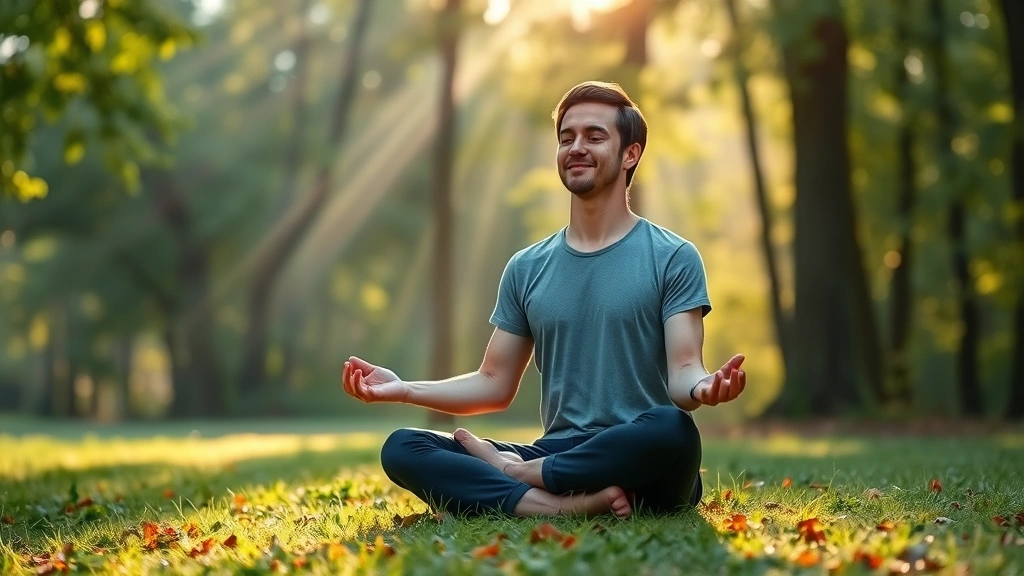
Does Mindfulness Boost Mental Health? Experts Weigh In
Mindfulness has become a buzzword in modern wellness culture, but behind the trend lies decades of scientific research exploring its genuine impact on mental health. From corporate wellness programs to clinical therapeutic settings, mindfulness practices are increasingly integrated into mental health treatment plans worldwide. Yet the question remains: does mindfulness truly boost mental health, or is it simply another wellness fad? We consulted leading experts, reviewed peer-reviewed research, and examined real-world outcomes to provide you with evidence-based insights into this transformative practice.
The conversation around mindfulness extends beyond meditation cushions and yoga studios. Mental health professionals, neuroscientists, and clinical psychologists are documenting measurable changes in brain structure and function among regular practitioners. Whether you’re exploring mindfulness as a complement to therapy for mental health support or seeking alternative stress management techniques, understanding the scientific evidence is crucial for making informed decisions about your wellbeing.
What Is Mindfulness and How Does It Work?
Mindfulness is the practice of maintaining present-moment awareness with a non-judgmental, accepting attitude toward thoughts, feelings, and bodily sensations. Unlike meditation, which is a broader practice that can include various techniques, mindfulness is a specific approach focused on intentional attention and acceptance. Psychologist Jon Kabat-Zinn, who pioneered Mindfulness-Based Stress Reduction (MBSR) in the late 1970s, defines it as “paying attention in a particular way: on purpose, in the present moment, and non-judgmentally.”
The mechanism works through several interconnected processes. When you practice mindfulness, you train your brain to observe thoughts without automatically reacting to them. This creates what neuroscientists call “psychological distance”—the ability to recognize that a thought is just a thought, not necessarily a truth or a command requiring action. For individuals experiencing anxiety or intrusive thoughts, this distinction can be profoundly liberating. Rather than fighting uncomfortable emotions, mindfulness teaches acceptance and observation, which paradoxically reduces their intensity.
The practice activates the parasympathetic nervous system, often called the “rest and digest” system, which counterbalances the stress-driven sympathetic nervous system. This shift triggers lower cortisol levels, reduced heart rate, and decreased blood pressure—measurable physiological changes that contribute to improved mental health outcomes.
The Neuroscience Behind Mindfulness
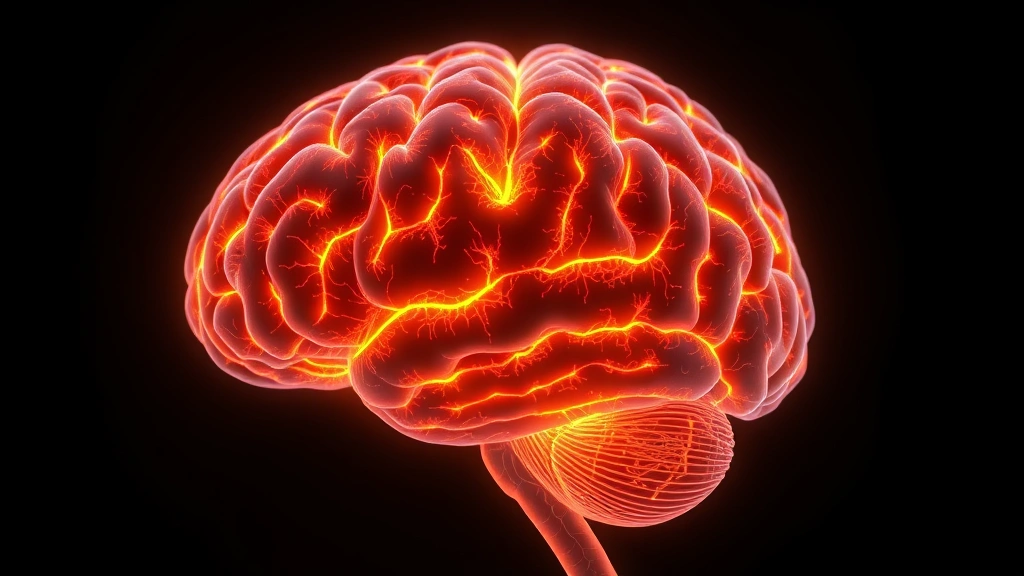
Neuroimaging studies have revealed that regular mindfulness practice produces structural and functional changes in the brain. Research published in Nature Neuroscience demonstrates that eight weeks of mindfulness training increases gray matter density in the hippocampus, a region critical for learning and memory, while decreasing it in the amygdala, the brain’s fear and threat-detection center.
The prefrontal cortex, responsible for executive function and emotional regulation, shows increased activation in long-term meditators. Simultaneously, the default mode network (DMN)—the brain’s self-referential thought pattern associated with rumination and mind-wandering—becomes less active. This is significant because excessive DMN activity correlates with depression, anxiety, and other mental health conditions. By quieting this network, mindfulness practitioners experience fewer intrusive negative thoughts and less rumination.
Dr. Bessel van der Kolk, a leading trauma researcher, has documented how mindfulness helps regulate the insula, a brain region involved in interoception (awareness of internal bodily states). Trauma survivors often lose connection with their bodies; mindfulness helps restore this crucial awareness, facilitating healing. These neurobiological changes aren’t temporary—they persist and strengthen with consistent practice, suggesting mindfulness creates lasting rewiring rather than temporary relief.
Additionally, mindfulness enhances communication between the prefrontal cortex and the amygdala, improving top-down emotional regulation. This neural pathway strengthening explains why practitioners develop better emotional resilience and distress tolerance over time.
Mindfulness for Anxiety and Depression
Clinical trials consistently demonstrate mindfulness effectiveness for anxiety disorders. A meta-analysis of 142 studies published in JAMA Psychiatry found that mindfulness-based interventions produced effect sizes comparable to pharmaceutical treatments for anxiety without side effects. The research showed that MBSR reduced generalized anxiety disorder symptoms by approximately 20-30% in study participants.
For depression, the evidence is equally compelling. Mindfulness-Based Cognitive Therapy (MBCT), developed by Zindel Segal, Mark Williams, and John Teasdale, was specifically designed to prevent depressive relapse. Studies show it reduces recurrence rates from 66% to 36% in individuals with recurrent depression. Participants learn to recognize early warning signs of depression and interrupt rumination patterns before they escalate into full depressive episodes.
The mechanism differs slightly from anxiety treatment. Depression often involves rumination about the past and hopelessness about the future. Mindfulness anchors awareness in the present moment, where most people have agency and resources. By repeatedly practicing present-moment focus, individuals with depression gradually shift their cognitive patterns away from rumination. When negative thoughts arise—which they inevitably do—practitioners observe them without identification or resistance, reducing their emotional impact.
Dr. Madhav Goyal’s systematic review found that mindfulness meditation has moderate evidence for improving anxiety and depression symptoms in adults, with benefits comparable to antidepressant medication in some cases. However, experts emphasize that mindfulness works best as a complement to, not replacement for, professional mental health care. Consider exploring local mental health services in conjunction with developing a mindfulness practice.
Complementing Professional Therapy Services
While mindfulness is powerful, it functions optimally within a comprehensive mental health framework. Therapists increasingly integrate mindfulness into evidence-based treatments like Cognitive Behavioral Therapy (CBT) and Dialectical Behavior Therapy (DBT). The combination addresses both thought patterns and emotional regulation simultaneously.
For individuals with trauma, therapeutic approaches that include somatic awareness—body-based mindfulness—can be particularly effective. Trauma becomes encoded in the nervous system; mindfulness helps discharge this stored activation safely. However, trauma survivors should work with trained professionals, as certain meditation practices can inadvertently trigger distressing symptoms without proper guidance.
Mental health professionals also recognize that mindfulness alone may be insufficient for severe depression, bipolar disorder, or psychotic disorders where pharmacological intervention is essential. The evidence suggests an integrative approach: medication manages acute symptoms while therapy addresses underlying patterns, and mindfulness builds long-term resilience and self-awareness. This multi-pronged strategy produces superior outcomes compared to any single intervention alone.
If you’re considering therapy options, understanding therapy pricing and accessibility can help you make informed decisions about combining professional care with mindfulness practice. Many therapists now offer mindfulness-integrated sessions.
Practical Mindfulness Techniques You Can Start Today
You don’t need years of experience or special equipment to begin mindfulness practice. Here are evidence-based techniques you can implement immediately:
- Body Scan Meditation: Systematically bring awareness through each body part from toes to crown, noticing sensations without judgment. Research shows this technique reduces muscle tension and increases body awareness. Practice for 10-15 minutes daily for optimal benefits.
- Mindful Breathing: Focus attention on the natural rhythm of your breath. When your mind wanders—which it will—gently redirect attention back to breathing. This foundational practice strengthens attention and calms the nervous system within minutes.
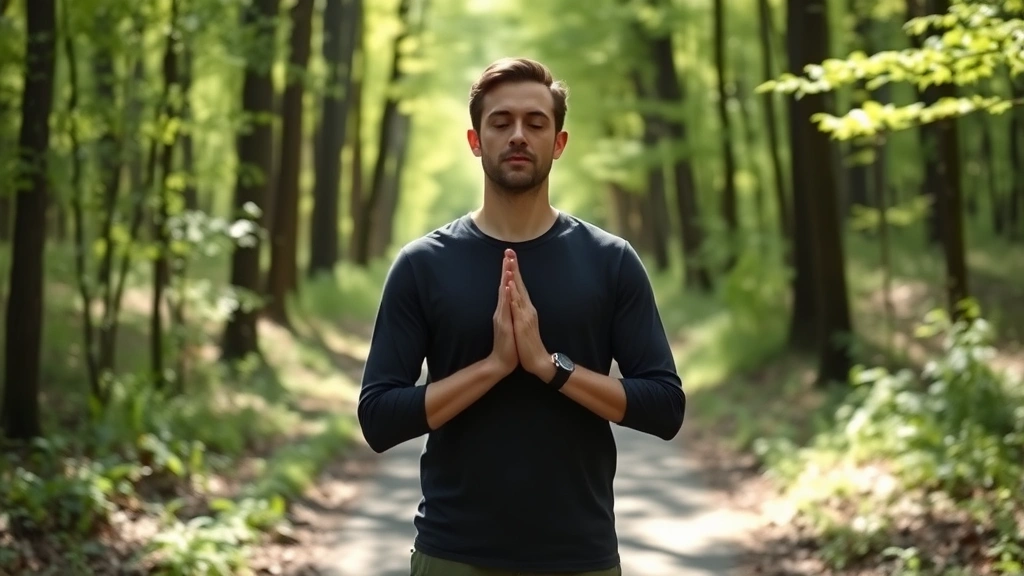
- Mindful Walking: Bring full awareness to the physical sensations of walking: feet contacting the ground, leg movements, air on your skin. This integrates mindfulness into daily activity, making the practice sustainable and accessible.
- Loving-Kindness Meditation: Direct compassionate wishes toward yourself and others. This technique specifically targets negative self-judgment and social isolation, common features of depression and anxiety.
- Mindful Eating: Eat without distractions, noticing flavors, textures, and sensations. This practice reduces emotional eating and increases satisfaction from meals.
Starting with just five minutes daily produces measurable benefits. Research from the American Psychological Association indicates that consistency matters more than duration—regular brief practice outperforms occasional longer sessions.
Limitations and Realistic Expectations
While mindfulness research is largely positive, important limitations exist. First, mindfulness isn’t universally beneficial. Approximately 10-15% of practitioners experience adverse effects including increased anxiety, dissociation, or emotional dysregulation, particularly individuals with trauma histories or certain psychiatric conditions. The practice requires careful titration and professional guidance in these cases.
Second, mindfulness requires sustained effort. Benefits accumulate gradually; expecting immediate transformation sets unrealistic expectations leading to discouragement. Most research showing significant benefits involved eight-week programs with 45-60 minutes of daily practice—substantial commitment many people struggle to maintain.
Third, mindfulness is not a substitute for psychiatric medication when indicated. Some individuals with severe mental illness require pharmacological intervention as a foundation for any psychological practice to be effective. The National Institute of Mental Health recommends integrated treatment combining medication, therapy, and lifestyle practices including mindfulness.
Additionally, mindfulness’s effectiveness depends on proper instruction. Self-taught practice from apps or books may lack the personalization and correction that trained instructors provide. Consider exploring therapy resources and information to find qualified mindfulness teachers or therapists.
Finally, cultural context matters. Mindfulness originated in Buddhist traditions but is often secularized in Western contexts. Some practitioners find meaning in the spiritual dimensions, while others prefer purely secular approaches. Neither is inherently superior; what matters is personal resonance and consistent practice.
FAQ
How long does it take to experience mindfulness benefits?
Most research participants notice subtle changes within 2-4 weeks of consistent daily practice. More significant improvements in anxiety and depression typically emerge after 8 weeks of regular practice. However, individual timelines vary considerably based on practice frequency, prior meditation experience, and the specific mental health condition being addressed.
Can mindfulness replace medication for anxiety or depression?
For mild to moderate anxiety and depression, mindfulness can be effective as a primary intervention. However, for severe conditions, medication is often essential. The optimal approach typically combines both. Always consult with a psychiatrist or mental health professional before making changes to medication regimens. Mindfulness and medication work through different mechanisms and can be powerfully synergistic.
Is mindfulness suitable for people with trauma?
Mindfulness can be beneficial for trauma survivors, but standard meditation practices sometimes trigger distressing symptoms. Trauma-informed mindfulness approaches that emphasize choice, pacing, and body awareness are safer. Working with a trauma-specialized therapist who integrates mindfulness is highly recommended rather than practicing independently.
What’s the difference between mindfulness and meditation?
Meditation is an umbrella term for various mental training practices. Mindfulness is a specific type of meditation focused on present-moment awareness with acceptance. Other meditation forms include transcendental meditation, mantra meditation, and visualization. All can support mental health, but through somewhat different mechanisms.
Can I practice mindfulness if I have a racing mind?
Yes—in fact, a racing mind is exactly what mindfulness addresses. The practice isn’t about achieving a blank mind; it’s about noticing thoughts without judgment. Everyone’s mind wanders; that’s normal. The skill is gently returning attention to the present moment, which strengthens with practice regardless of your starting point.
Are there any groups or communities for mindfulness practice?
Yes. MBSR programs are offered at hospitals, universities, and meditation centers worldwide. Online communities, apps like Insight Timer, and local meditation groups provide accessible options. Many mental health professionals also facilitate group mindfulness sessions. Group practice enhances motivation and provides accountability.