
How Mindfulness Improves Mental Health: Studies Show
Mindfulness has emerged as one of the most researched and evidence-based approaches to improving mental health in recent decades. This ancient practice, rooted in Buddhist meditation traditions, has been scientifically validated to reduce anxiety, depression, and stress while enhancing overall psychological well-being. As mental health challenges continue to rise globally, mindfulness offers an accessible, cost-effective intervention that individuals can integrate into their daily lives.
The scientific community has increasingly recognized mindfulness as a legitimate therapeutic tool. Major medical institutions, including the National Institutes of Health and leading universities, have conducted rigorous studies demonstrating its effectiveness. Whether you’re seeking speech therapy near me or exploring complementary mental health strategies, understanding how mindfulness works can enhance your therapeutic journey and support overall wellness.
What Is Mindfulness and How Does It Work
Mindfulness is the practice of maintaining moment-to-moment awareness of our thoughts, feelings, bodily sensations, and surrounding environment without judgment. Rather than fighting or suppressing difficult emotions, mindfulness teaches us to observe them with curiosity and acceptance. This fundamental shift in perspective transforms our relationship with mental experiences that previously caused distress.
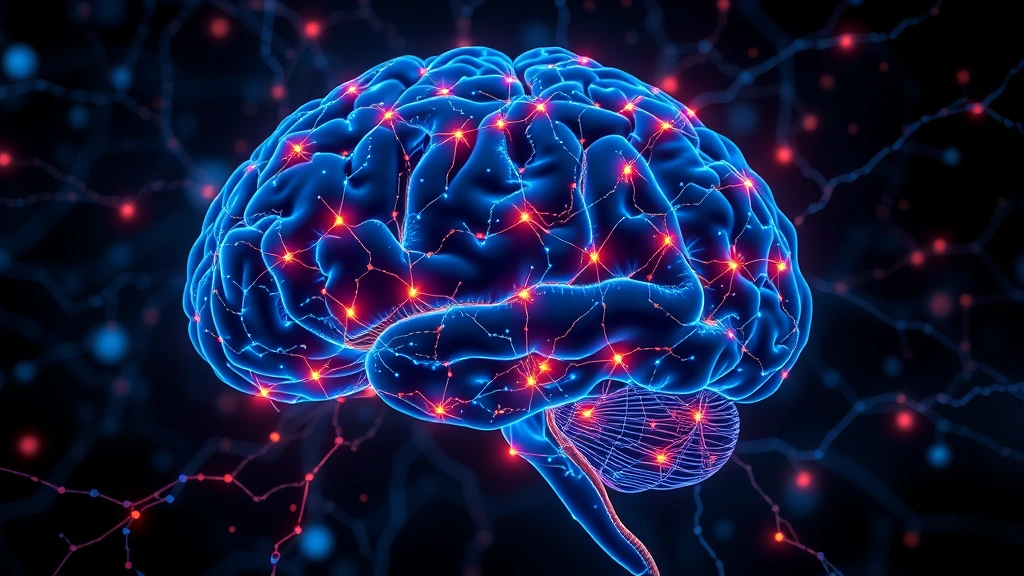
The mechanism behind mindfulness’s effectiveness lies in neuroplasticity—the brain’s ability to form new neural connections throughout life. When we practice mindfulness regularly, we strengthen the prefrontal cortex, the brain region responsible for emotional regulation and rational thinking. Simultaneously, mindfulness reduces activity in the amygdala, which processes fear and emotional reactions. This neurological rebalancing explains why consistent practitioners experience lasting improvements in emotional resilience.
Mindfulness operates through several key pathways: attention regulation (focusing awareness intentionally), body awareness (recognizing physical sensations linked to emotions), emotion regulation (managing intense feelings without reactive behavior), and perspective-taking (observing thoughts as mental events rather than absolute truths). These interconnected processes create a comprehensive approach to mental health that addresses multiple dimensions of psychological well-being.

Scientific Research on Mindfulness and Mental Health
Extensive clinical research validates mindfulness as an evidence-based mental health intervention. A landmark systematic review published in JAMA Psychiatry analyzing 47 trials with over 3,500 participants found moderate evidence that mindfulness programs reduce anxiety and depression. The effect sizes were comparable to antidepressant medications for some individuals, making mindfulness a valuable alternative or complement to pharmaceutical treatment.
The National Center for Complementary and Integrative Health has funded numerous studies examining mindfulness-based interventions. Research demonstrates that mindfulness meditation produces measurable changes in brain structure and function. Functional MRI studies show increased gray matter density in regions associated with emotional processing, perspective-taking, and self-referential thinking. These neurobiological changes correlate directly with reported improvements in mental health symptoms.
One particularly influential study from the American Psychological Association tracked individuals with generalized anxiety disorder who completed an eight-week mindfulness-based stress reduction program. Participants showed significant reductions in anxiety symptoms that persisted at three-month follow-up, with many maintaining gains at one-year assessment. This long-term sustainability demonstrates that mindfulness produces durable psychological benefits rather than temporary relief.
Meta-analyses examining mindfulness interventions across diverse populations consistently show positive outcomes. Whether applied to healthcare workers managing occupational stress, students facing academic pressure, or individuals with chronic pain, mindfulness proves effective across varied contexts. This broad applicability suggests mindfulness addresses fundamental psychological processes relevant to mental health universally.
Mindfulness for Anxiety and Stress Reduction
Anxiety disorders represent the most common mental health condition, affecting millions worldwide. Mindfulness-based stress reduction (MBSR), developed by Jon Kabat-Zinn at the University of Massachusetts Medical School, has become the gold standard for anxiety treatment in clinical settings. The eight-week MBSR program combines meditation, body awareness exercises, and yoga to systematically reduce anxiety symptoms.
The mechanism through which mindfulness reduces anxiety involves interrupting the worry cycle. Anxiety typically feeds on rumination—repetitive thoughts about future threats and worst-case scenarios. Mindfulness trains attention to return to present-moment experience, naturally breaking this rumination pattern. By anchoring awareness in immediate sensory experience (breathing, bodily sensations, sounds), mindfulness prevents the mind from spiraling into anxious projections.
Research on mindfulness for anxiety demonstrates impressive clinical outcomes. Studies show that individuals practicing mindfulness experience reduced physical symptoms of anxiety, including decreased heart rate, lower cortisol levels, and reduced muscle tension. Neuroimaging reveals that mindfulness practitioners show decreased amygdala reactivity when exposed to anxiety-provoking stimuli, indicating fundamental changes in how the brain processes threat.
Particularly relevant for those exploring how much is therapy costs, mindfulness offers an economical intervention. Once learned through formal instruction (often available through community centers, apps, or therapy), mindfulness can be practiced independently at minimal cost. This accessibility makes anxiety management possible for individuals with financial constraints limiting access to ongoing professional care.
Workplace stress represents a major mental health challenge. Organizations implementing mindfulness programs report decreased employee anxiety, improved focus, and enhanced workplace relationships. These organizational benefits create positive feedback loops where reduced anxiety improves work performance, further decreasing stress and anxiety.
Depression Relief Through Mindfulness Practices
Depression involves persistent negative thinking patterns, emotional numbness, and loss of motivation. Mindfulness-based cognitive therapy (MBCT), developed specifically for depression, combines cognitive therapy principles with mindfulness meditation. This integrated approach addresses both the thought patterns maintaining depression and the emotional avoidance that intensifies depressive symptoms.
MBCT teaches individuals to recognize depressive thoughts as mental events rather than factual statements about reality. This cognitive shift reduces the power these thoughts exert over mood and behavior. Simultaneously, mindfulness helps individuals engage with difficult emotions they’ve been avoiding, paradoxically reducing the emotional weight these feelings carry. This combination of cognitive and emotional work creates powerful antidepressant effects.
Research on MBCT demonstrates remarkable efficacy for depression prevention. A landmark study published in the Journal of Consulting and Clinical Psychology found that individuals with recurrent depression who completed MBCT experienced significantly lower relapse rates compared to those receiving standard care alone. For individuals with treatment-resistant depression, mindfulness provides an evidence-based complementary approach worth exploring alongside other interventions.
The anhedonia characteristic of depression—inability to experience pleasure—responds well to mindfulness. By training attention to subtle positive experiences (pleasant sensations, moments of connection, natural beauty), mindfulness gradually restores capacity for enjoyment. This mechanism operates differently from antidepressant medications, offering a psychological pathway to recovery.
Mindfulness also addresses the social withdrawal that perpetuates depression. By reducing self-critical thoughts that fuel social anxiety, mindfulness makes social engagement feel less threatening, encouraging individuals to rebuild relationships and community connections essential for recovery.
Mindfulness in Professional Therapy Settings
Modern psychotherapists increasingly integrate mindfulness into evidence-based treatment protocols. Whether practicing speech therapy near me or other specialized interventions, mental health professionals recognize mindfulness as a complementary tool enhancing therapeutic outcomes. Therapists trained in mindfulness can teach clients these techniques within therapeutic relationships, providing professional guidance and accountability.
Dialectical behavior therapy (DBT), widely used for borderline personality disorder and emotion dysregulation, centers on mindfulness as a core skill. DBT clients learn mindfulness of thoughts, emotions, and bodily sensations to build emotional awareness and regulation capacity. This structured mindfulness training within comprehensive therapy produces superior outcomes compared to mindfulness alone or standard treatment.
Acceptance and commitment therapy (ACT) similarly emphasizes mindfulness as a foundational skill. Rather than eliminating difficult thoughts and feelings, ACT teaches mindfulness-based acceptance while pursuing valued life directions. This approach proves particularly effective for individuals struggling with chronic pain, anxiety, and depression who have unsuccessfully attempted to eliminate symptoms.
Therapists also use mindfulness meditation as an in-session technique, guiding clients through brief practices addressing immediate distress. These micro-interventions provide immediate relief while building longer-term mindfulness capacity. Many clients find that experiencing mindfulness’s benefits directly in therapy motivates consistent home practice.
For those considering physical therapy treatment or other rehabilitation services, mindfulness can enhance outcomes by improving emotional regulation and motivation for active participation. The mind-body integration that mindfulness develops supports recovery across various therapeutic contexts.
Practical Mindfulness Techniques You Can Start Today
Breath Awareness Meditation: The simplest mindfulness practice involves focusing attention on natural breathing. Sit comfortably, close your eyes, and notice the sensation of breath entering and leaving your body. When your mind wanders (which it will), gently return attention to breathing without judgment. Practice for five to ten minutes daily. This foundational technique activates the parasympathetic nervous system, immediately reducing stress physiology.
Body Scan Meditation: Lie down comfortably and systematically move attention through your body from toes to head, noticing sensations without trying to change them. This practice develops body awareness, revealing how emotions manifest physically. Many people discover tension they weren’t consciously aware of, creating opportunity for release and relaxation.
Mindful Walking: Transform ordinary walking into meditation by focusing complete attention on physical sensations: feet contacting ground, leg movements, arm swinging, air on skin. This practice integrates mindfulness into daily activity, making it sustainable and convenient. Walking meditation proves particularly helpful for individuals who find sitting meditation challenging.
Mindful Eating: Select a small food item and eat it with complete attention. Notice colors, aromas, textures, and flavors. This practice cultivates gratitude while improving digestive function and reducing mindless overeating. Many people discover foods taste significantly better when eaten mindfully.
Loving-Kindness Meditation: Direct compassionate wishes toward yourself and others systematically. Begin with yourself: “May I be happy, may I be healthy, may I be safe.” Expand to loved ones, neutral people, difficult people, and all beings. Research shows loving-kindness meditation reduces self-criticism and increases positive emotion.
For those interested in occupational therapy jobs or other healthcare careers, understanding these techniques provides valuable knowledge for future client education. Mental health professionals benefit tremendously from personal mindfulness practice, developing authentic expertise and modeling the benefits they teach.
Integrating Mindfulness With Other Therapeutic Approaches
Mindfulness works synergistically with numerous evidence-based treatments, enhancing overall effectiveness. When combined with cognitive-behavioral therapy (CBT), mindfulness adds emotional awareness and acceptance dimensions to cognitive restructuring. Clients can observe thoughts changing through mindfulness practice while also using CBT techniques to challenge unhelpful thinking patterns—a comprehensive approach addressing mental health from multiple angles.
Pharmacological treatment and mindfulness complement each other effectively. Medications may reduce symptoms sufficiently for individuals to engage in mindfulness practice, while mindfulness builds psychological skills supporting long-term recovery. Many psychiatrists recommend mindfulness as adjunctive treatment, particularly for individuals seeking to reduce medication dependence or enhance treatment response.
For individuals exploring red light therapy near me or other complementary treatments, mindfulness integrates seamlessly with biological interventions. The mind-body connection means that addressing mental health psychologically (through mindfulness) while supporting physical health (through various therapies) creates optimal conditions for recovery.
Mindfulness also enhances the effectiveness of lifestyle interventions including exercise, sleep optimization, and nutrition. Individuals practicing mindfulness make healthier choices more consistently because mindfulness increases awareness of how different behaviors affect mood and well-being. This awareness creates natural motivation for healthy lifestyle changes.
Consulting MindLift Daily Blog – Therapy Resources and Information provides additional resources for understanding how mindfulness integrates with various therapeutic approaches. Professional guidance ensures mindfulness practice complements rather than replaces necessary medical treatment.
FAQ
How long does it take to experience mindfulness benefits?
Many people notice improvements in stress and anxiety within the first week of daily practice. However, more substantial neurobiological changes and lasting symptom reduction typically require four to eight weeks of consistent practice. Research shows that practicing twenty to thirty minutes daily produces optimal results, though even five to ten minutes provides measurable benefits.
Can mindfulness replace psychiatric medication?
Mindfulness can be an effective complement to medication and sometimes reduces medication needs over time. However, individuals should never discontinue psychiatric medication without professional guidance. Mindfulness and medication often work synergistically, with mindfulness building psychological skills while medication stabilizes neurochemistry. Discuss any medication changes with your prescribing physician.
Is mindfulness effective for severe mental illness?
Research supports mindfulness for anxiety, depression, PTSD, and other conditions. However, individuals with severe mental illness like active psychosis should practice mindfulness under professional guidance, as intensive meditation can sometimes trigger symptoms in vulnerable individuals. Therapist-guided mindfulness within comprehensive treatment plans proves safe and effective.
What if I can’t quiet my mind during meditation?
Mental activity during meditation is completely normal—the goal isn’t eliminating thoughts but rather observing them without getting caught up in them. A busy mind doesn’t indicate failure; returning attention to your meditation focus repeatedly is the actual practice. Over time, with consistent practice, the mind naturally becomes quieter, but this isn’t required for mindfulness to benefit mental health.
Are there any risks or contraindications to mindfulness?
Mindfulness is generally safe, but individuals with certain trauma histories or psychotic disorders should practice under professional supervision. Some people experience temporary increased anxiety or emotional intensity when beginning meditation as they become aware of previously suppressed feelings. Working with a therapist ensures mindfulness practice supports rather than destabilizes mental health.
How does mindfulness compare to other stress-reduction techniques?
While exercise, social connection, and other interventions reduce stress effectively, mindfulness offers unique benefits through developing awareness and acceptance skills. Many people combine mindfulness with other approaches for comprehensive mental health support. Research suggests combining multiple evidence-based techniques produces superior outcomes compared to single interventions.