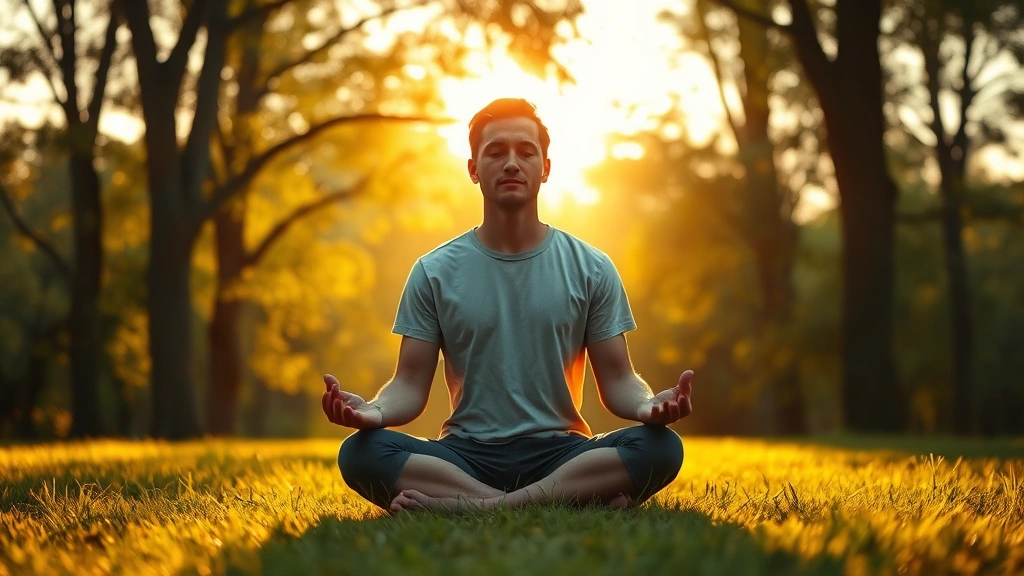
Does Mindfulness Reduce Stress? Expert Insights and Scientific Evidence
Mindfulness has become a buzzword in wellness circles, but the question remains: does it actually reduce stress? With millions turning to meditation apps and mindfulness practices, understanding the science behind these techniques is essential. This comprehensive guide explores the evidence-based benefits of mindfulness, how it works neurologically, and practical ways to implement it into your daily routine for genuine stress relief.
The modern world presents unprecedented stressors—work pressures, social media overload, and constant connectivity create a perfect storm for anxiety and burnout. Mindfulness offers a counterbalance by training your mind to focus on the present moment rather than ruminating on past regrets or future worries. But what does research actually tell us about its effectiveness?
Understanding Mindfulness and Stress
Mindfulness is the practice of maintaining present-moment awareness with non-judgmental attention. Jon Kabat-Zinn, who developed Mindfulness-Based Stress Reduction (MBSR), defines it as “paying attention in a particular way: on purpose, in the present moment, and non-judgmentally.” This seemingly simple concept has profound implications for stress management.
Stress operates through both physical and psychological pathways. When you perceive a threat, your body activates the fight-or-flight response, releasing cortisol and adrenaline. Chronic stress keeps this system activated, leading to inflammation, weakened immunity, and mental health challenges. Mindfulness interrupts this cycle by changing how you relate to stressful thoughts and sensations rather than trying to eliminate them.
The relationship between mindfulness and stress reduction isn’t about ignoring problems. Instead, it’s about developing a different relationship with your thoughts and emotions. When you observe stress without judgment, you create space between stimulus and response—what Viktor Frankl called the “last of human freedoms.”
Interestingly, mindfulness practices also complement traditional speech therapy and therapeutic interventions, as both emphasize present-moment awareness and self-regulation. Many mental health professionals integrate mindfulness into their treatment approaches.
The Neuroscience Behind Mindfulness
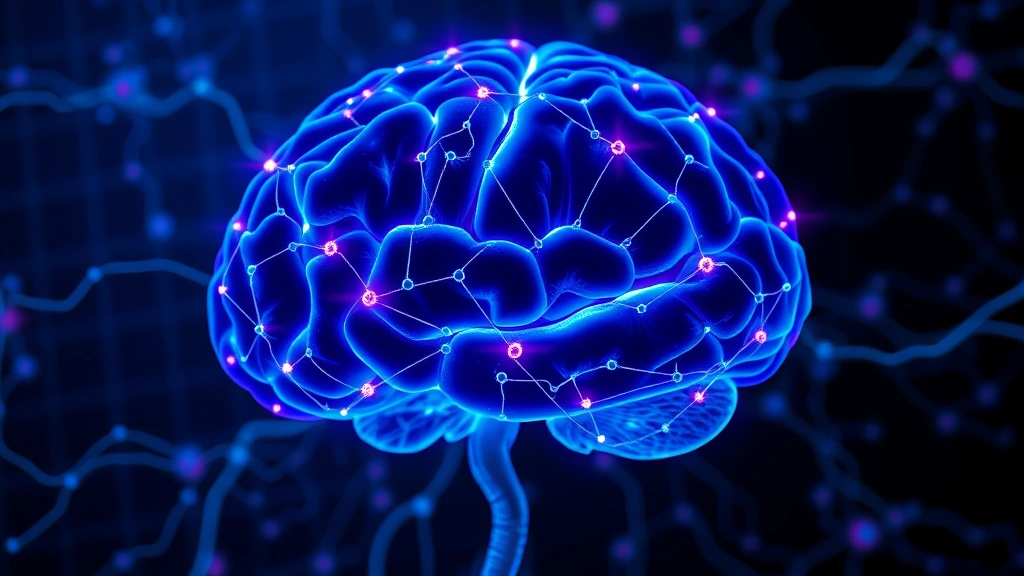
Brain imaging studies reveal that mindfulness literally rewires neural pathways. Functional MRI scans show that regular meditation practitioners have increased gray matter density in regions associated with emotional regulation, self-awareness, and perspective-taking. Specifically, the prefrontal cortex—responsible for rational decision-making—becomes more active, while the amygdala—your brain’s alarm system—shows decreased reactivity.
Research from neuroscience laboratories demonstrates that mindfulness reduces activity in the default mode network, a brain system associated with mind-wandering and self-referential thinking. This network is hyperactive in people with anxiety and depression. By quieting this network, mindfulness reduces rumination and worry.
The vagus nerve, a crucial component of your parasympathetic nervous system, becomes more responsive through mindfulness practice. This “rest and digest” system counteracts stress responses. Enhanced vagal tone correlates with lower heart rate, reduced blood pressure, and decreased inflammation markers. This is why mindfulness produces measurable physiological changes, not just psychological ones.
Neuroplasticity—the brain’s ability to form new connections—means that consistent mindfulness practice creates lasting changes. Even eight weeks of MBSR shows measurable differences in brain structure and function. These changes persist long after formal practice ends.
Clinical Evidence and Research Studies
The scientific literature supporting mindfulness for stress reduction is substantial. A meta-analysis published in JAMA Internal Medicine reviewed 47 trials with over 3,500 participants and concluded that mindfulness meditation programs show moderate evidence of improving anxiety and depression. This finding carries significant weight given the rigorous standards of meta-analytic review.
Mindfulness-Based Stress Reduction programs have been studied extensively in clinical populations. Cancer patients undergoing MBSR showed reduced anxiety and improved quality of life. Chronic pain patients experienced significant pain reduction and improved functioning. Healthcare workers practicing mindfulness demonstrated lower burnout rates and improved patient satisfaction.
The National Center for Complementary and Integrative Health has funded numerous studies examining mindfulness. Their research confirms that mindfulness-based interventions are effective for anxiety, depression, and chronic pain. The evidence is strong enough that major medical institutions, including the Mayo Clinic and Johns Hopkins, now offer mindfulness-based programs.
A landmark study by the American Psychological Association found that mindfulness meditation produces similar stress-reduction outcomes to cognitive-behavioral therapy for some individuals, with the advantage of fewer sessions required. This positions mindfulness as a viable first-line intervention for stress and anxiety.
However, it’s important to note that mindfulness isn’t a panacea. The research shows it works best as part of a comprehensive approach that may include professional therapy and counseling services, lifestyle modifications, and sometimes medication for severe conditions.
Mindfulness Techniques That Work
Focused Attention Meditation involves concentrating on a single object—your breath, a mantra, or a visual focal point. When your mind wanders, you gently return attention to the object. This trains attention control and reduces mind-wandering associated with stress.
Body Scan Meditation systematically moves attention through different body regions, noticing sensations without judgment. This technique is particularly effective for somatic anxiety and helps you recognize how stress manifests physically. Regular practice reduces chronic muscle tension and increases body awareness.
Loving-Kindness Meditation cultivates compassion by directing well-wishes toward yourself and others. Research shows this technique reduces self-criticism, increases positive emotions, and decreases inflammatory markers. It’s particularly beneficial for those with perfectionist tendencies that amplify stress.
Mindful Movement combines mindfulness with physical activity through practices like yoga and tai chi. These approaches integrate the benefits of exercise with meditative awareness, making them accessible to people who struggle with sitting meditation. Studies show mindful movement produces comparable stress-reduction benefits to seated meditation.
Mindful Breathing uses breath as an anchor for attention. Techniques like box breathing (inhale-4, hold-4, exhale-4, hold-4) activate the parasympathetic nervous system and produce immediate stress relief. This technique is so effective that military and emergency personnel use it for acute stress management.
Mindfulness in Therapeutic Settings
Mental health professionals increasingly integrate mindfulness into evidence-based treatments. Acceptance and Commitment Therapy (ACT) uses mindfulness to help clients accept difficult thoughts and emotions while committing to valued actions. Dialectical Behavior Therapy (DBT) teaches mindfulness as a core skill for emotional regulation.
Many therapeutic approaches and rehabilitation programs now include mindfulness components. For individuals recovering from trauma, mindfulness helps regulate the nervous system hyperarousal characteristic of PTSD. Therapists trained in trauma-sensitive mindfulness adapt practices to ensure safety.
In occupational therapy settings, mindfulness helps clients develop present-moment awareness during therapeutic activities, enhancing engagement and outcomes. The field of occupational therapy and wellness careers increasingly emphasizes mindfulness as a therapeutic tool.
Cognitive-behavioral therapy (CBT) practitioners use mindfulness to help clients observe thoughts without believing them or acting on them. This metacognitive awareness—thinking about thinking—is central to cognitive change. Combining mindfulness with CBT’s structured approach produces robust outcomes for anxiety and depression.
Group mindfulness programs in clinical settings provide community support alongside individual practice. The shared experience of group meditation normalizes the practice and increases adherence. Research shows group mindfulness programs produce outcomes equivalent to individual practice with added social benefits.
Implementing Mindfulness Daily
Start Small: Begin with five minutes daily rather than attempting lengthy sessions. Consistency matters more than duration. A five-minute daily practice produces better results than sporadic longer sessions. Use phone reminders to establish the habit.
Choose Your Time: Morning practice sets a calm tone for the day and is easier to maintain consistently. However, evening practice can improve sleep quality. Experiment to find what works for your schedule.
Find Your Method: Not everyone responds to sitting meditation. Try walking meditation, mindful eating, or mindful listening. The best practice is the one you’ll actually do. Many people find therapy resources and mindfulness guides helpful for exploring different approaches.
Use Technology Wisely: Meditation apps like Insight Timer, Calm, and Headspace provide guided practices. However, avoid getting distracted by notifications. Put your phone in airplane mode during practice.
Join a Community: Meditation groups, yoga classes, or mindfulness-based stress reduction courses provide structure and accountability. The social element increases motivation and provides instruction from experienced teachers.
Track Your Progress: Notice subtle changes in stress reactivity, sleep quality, and emotional regulation. These improvements motivate continued practice. Consider keeping a simple journal noting your practice and its effects.
Common Misconceptions
Myth: Mindfulness means clearing your mind. Actually, mindfulness involves noticing thoughts without engaging with them. Your mind will wander—that’s normal and expected. The practice is returning attention, not preventing thoughts.
Myth: You need hours daily to see benefits. Research shows five to ten minutes daily produces measurable improvements. Consistency trumps duration. Even brief practices throughout the day accumulate benefits.
Myth: Mindfulness is religious or spiritual. While mindfulness has Buddhist roots, modern mindfulness-based interventions are secular and evidence-based. They’re taught in medical schools and hospitals worldwide without religious content.
Myth: Mindfulness replaces other treatments. Mindfulness works best integrated with other approaches. For clinical depression or anxiety disorders, combining mindfulness with therapy or medication produces better outcomes than either alone.
Myth: You’ll feel peaceful immediately. Initially, mindfulness may increase awareness of stress and discomfort you’ve been ignoring. Genuine benefits typically emerge after several weeks of consistent practice. This adjustment period is normal and necessary.
Myth: Mindfulness works for everyone. While research supports mindfulness broadly, individual responses vary. Some people respond exceptionally well; others need different approaches. A comprehensive stress-reduction program includes multiple strategies.
FAQ
How long does it take for mindfulness to reduce stress?
Research shows measurable stress reduction within 8 weeks of consistent daily practice, though many people notice subtle improvements within 2-3 weeks. Effects continue deepening with longer practice. Physiological changes like reduced cortisol appear within 4-8 weeks.
Can mindfulness help with severe anxiety or depression?
Mindfulness is effective for mild to moderate anxiety and depression. For severe cases, it works best combined with therapy and sometimes medication. Always consult mental health professionals for severe symptoms rather than relying on mindfulness alone.
What’s the difference between mindfulness and meditation?
Meditation is a formal practice with specific techniques and duration. Mindfulness is the underlying quality of present-moment awareness that can be cultivated during meditation or throughout daily activities. You can be mindful while eating, walking, or listening without formal meditation.
Is mindfulness the same as relaxation?
No. Relaxation aims to feel calm, which is pleasant but temporary. Mindfulness aims to observe experience without judgment, which produces lasting changes in stress reactivity. Mindfulness may initially feel less relaxing than relaxation techniques but produces deeper benefits.
How do I know if mindfulness is working?
Track changes in sleep quality, emotional reactivity, physical tension, and ability to focus. You might notice you react less intensely to stressors or recover faster from stress. Formal measures like cortisol levels or heart rate variability show objective changes.
Can I practice mindfulness if I have ADHD?
Yes, though traditional sitting meditation may be challenging. Mindful movement, shorter practice periods, and guided meditations work better for ADHD. Some research suggests mindfulness improves ADHD symptoms, though results vary individually.