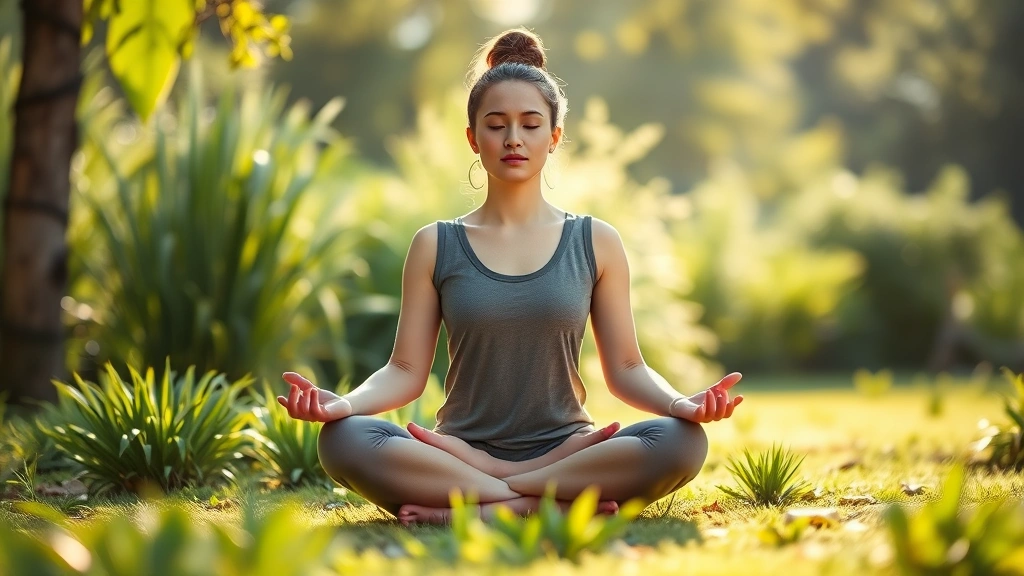
Mindfulness and Mood: Can Meditation Help? Expert Insights
The relationship between mindfulness meditation and emotional well-being has become increasingly central to modern mental health discussions. As stress levels rise globally and traditional therapeutic approaches expand, many individuals seek evidence-based practices that can enhance mood regulation and psychological resilience. Meditation represents one of the most researched and accessible interventions available, with scientific validation spanning decades of rigorous studies.
Understanding how meditation influences mood requires examining both neurobiological mechanisms and practical application strategies. This comprehensive guide explores the intersection of mindfulness practices and emotional health, drawing on expert research and clinical evidence to answer whether meditation truly delivers measurable mood improvements.
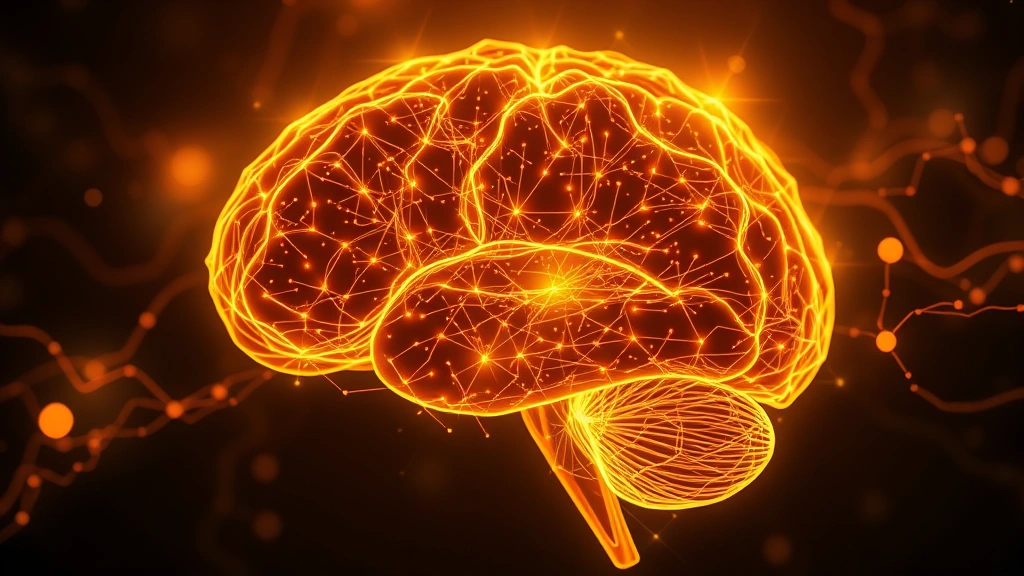
The Neuroscience Behind Meditation and Mood
Meditation fundamentally alters brain structure and function in regions responsible for emotional regulation. The amygdala, which processes fear and emotional responses, demonstrates reduced activity and volume in regular meditators. Simultaneously, the prefrontal cortex—responsible for rational decision-making and emotional control—shows enhanced activation and connectivity. This neuroplasticity represents a measurable biological foundation for mood improvement.
Research from JAMA Psychiatry and similar peer-reviewed journals consistently documents that meditation practitioners exhibit lower cortisol levels, the primary stress hormone. When cortisol decreases, anxiety symptoms diminish, sleep quality improves, and overall mood stabilizes. The default mode network—a brain system active during self-referential thinking and rumination—becomes less hyperactive in meditators, reducing the tendency toward depressive thought patterns.
The anterior cingulate cortex, crucial for attention regulation and emotional conflict monitoring, strengthens through consistent meditation practice. This enhancement enables practitioners to observe negative thoughts without becoming absorbed in them, a mechanism central to mood improvement. Additionally, meditation increases gray matter density in the hippocampus, supporting memory formation and emotional context processing, which directly contributes to resilience against mood disorders.

How Mindfulness Rewires Emotional Processing
Mindfulness meditation teaches practitioners to observe emotions without judgment, fundamentally changing their relationship with negative feelings. Rather than suppressing or fighting mood disturbances, this approach involves acknowledging emotions while maintaining psychological distance. This non-reactive awareness prevents emotional spiraling and breaks the cycle of rumination that perpetuates depression and anxiety.
The practice develops metacognitive awareness—the ability to think about thinking. When individuals recognize that thoughts are mental events rather than facts, mood regulation becomes significantly easier. A person experiencing sadness can observe the thought “I am worthless” as a passing mental phenomenon rather than objective truth, substantially reducing emotional suffering. This cognitive restructuring occurs naturally through meditation without requiring explicit cognitive therapy techniques.
Meditation also enhances emotional granularity, enabling practitioners to distinguish between subtle emotional states. Rather than experiencing undifferentiated “bad mood,” meditators can identify specific emotions like disappointment, frustration, or fatigue. This precision facilitates targeted responses—addressing fatigue through rest, disappointment through acceptance, or frustration through problem-solving. The ability to differentiate emotions correlates strongly with psychological well-being and mood stability.
Integration of mindfulness within structured therapy and counseling frameworks amplifies these benefits. Therapists increasingly incorporate meditation into evidence-based treatments, combining mindfulness with cognitive-behavioral techniques for enhanced outcomes. The synergy between meditation practice and professional mental health support creates comprehensive mood management strategies.
Meditation Techniques for Mood Enhancement
Breath-focused meditation serves as the foundational technique for mood improvement. By concentrating attention on natural breathing patterns, practitioners activate the parasympathetic nervous system, triggering the relaxation response. This physiological shift immediately reduces anxiety and creates mental space for emotional clarity. Even five minutes of focused breathing produces measurable mood elevation and stress reduction.
Body scan meditation promotes somatic awareness and emotional release. This technique involves systematically directing attention through different body regions, noticing physical sensations without attempting to change them. Many individuals hold emotional tension in specific body areas—jaw tightness from anxiety, chest heaviness from sadness, or stomach tension from stress. Conscious attention to these sensations facilitates release and prevents emotional suppression that exacerbates mood disorders.
Loving-kindness meditation directly cultivates positive emotional states. Practitioners systematically generate feelings of compassion toward themselves and others through repeated phrases and visualization. Research demonstrates that loving-kindness practice increases positive emotions, reduces negative emotions, and enhances overall life satisfaction. This technique proves particularly effective for individuals struggling with self-criticism or relationship difficulties affecting mood.
Mindful movement practices, including yoga and tai chi, combine meditation with physical activity, amplifying mood benefits. These practices integrate body awareness, breath control, and meditative focus while providing exercise benefits that independently improve mood. Physical therapy and movement interventions similarly recognize the profound connection between bodily awareness and emotional well-being.
Walking meditation offers accessibility for individuals struggling with seated practice. This technique involves slow, deliberate walking with focused attention on physical sensations and surroundings. Walking meditation proves particularly effective for individuals with restlessness or physical limitations, providing mood benefits without requiring special equipment or extended time commitments.
Integration with Professional Therapy Services
Mindfulness-based cognitive therapy (MBCT) represents a clinically validated approach combining meditation with cognitive-behavioral principles. Originally developed for depression relapse prevention, MBCT demonstrates efficacy across anxiety disorders, substance use, and other mood-related conditions. Mental health professionals trained in MBCT guide clients through integrated meditation and cognitive restructuring, addressing both neurobiological and psychological dimensions of mood disturbance.
Acceptance and commitment therapy (ACT) similarly integrates mindfulness meditation with values-based living. Rather than pursuing mood improvement as a direct goal, ACT encourages practitioners to accept difficult emotions while pursuing meaningful activities aligned with personal values. This paradoxical approach—accepting negative emotions while building positive life experiences—produces sustained mood improvement and psychological flexibility.
Dialectical behavior therapy (DBT) incorporates mindfulness as a core skill for emotional regulation. DBT practitioners teach clients to observe emotions, describe emotional experiences accurately, and participate fully in activities despite emotional difficulties. The integration of mindfulness within DBT creates powerful tools for individuals with severe mood dysregulation or emotional sensitivity.
Professional therapists can assess whether meditation suits individual needs and recommend appropriate techniques. Some individuals with trauma histories require trauma-sensitive meditation approaches. Others benefit from group meditation settings, while some prefer individual practice. Mental health professionals help navigate these considerations, ensuring meditation supports rather than complicates therapeutic work. Exploring mental health and therapy career fields reveals increasing recognition of meditation’s clinical importance.
The integration of mindfulness within clinical settings reflects growing acceptance of meditation as legitimate therapeutic intervention. Insurance companies increasingly cover mindfulness-based interventions, reflecting evidence-based recognition of their effectiveness. This professional integration validates meditation’s role in comprehensive mood management strategies.
Clinical Evidence and Research Findings
Numerous meta-analyses and systematic reviews confirm meditation’s effectiveness for mood improvement. A comprehensive analysis published in JAMA Psychiatry examined 47 trials involving over 3,500 participants, concluding that meditation-based interventions produce modest but meaningful improvements in anxiety and depression comparable to pharmacological treatments for many individuals.
The National Institutes of Health recognizes mindfulness meditation as an evidence-based practice, funding extensive research investigating mechanisms and applications. Studies demonstrate that meditation effectiveness increases with consistent practice, with benefits accumulating over weeks and months. Participants practicing 20-30 minutes daily show more robust mood improvements than those practicing sporadically.
Longitudinal research tracking meditators over years reveals sustained mood benefits and enhanced resilience to future stressors. Rather than creating temporary mood elevation, consistent meditation practice builds lasting emotional resilience and psychological flexibility. This sustained benefit distinguishes meditation from mood-altering substances or temporary interventions.
Neuroimaging studies using functional MRI and PET scanning directly visualize meditation’s brain effects. Research from institutions including Johns Hopkins University and the University of Massachusetts Medical School documents increased gray matter density in emotion-regulating brain regions following meditation training. These objective biological changes provide compelling evidence that meditation produces genuine neurological transformation rather than placebo effects.
Comparative effectiveness research indicates that meditation benefits most individuals, though response varies based on individual factors, practice consistency, and technique selection. Some individuals experience rapid mood improvements, while others require weeks of practice before noticing changes. This variability reflects normal human neurobiology and doesn’t indicate meditation ineffectiveness.
Overcoming Common Meditation Challenges
Many individuals abandon meditation practice due to perceived failure—inability to quiet the mind or maintain focus. Understanding that mind-wandering represents normal neurobiology rather than meditation failure prevents this discouragement. The meditation practice itself involves noticing when attention wanders and gently redirecting focus, not achieving perfect mental silence. Each redirection strengthens attention and emotional regulation, making the experience itself therapeutic.
Emotional discomfort during meditation affects some practitioners, particularly those with trauma histories or significant emotional suppression. Meditation can surface previously avoided emotions, creating temporary distress. Working with experienced teachers or mental health professionals familiar with meditation ensures safe navigation of these experiences. Trauma-sensitive meditation approaches specifically address this challenge, allowing gradual emotional processing within safe containers.
Physical discomfort during seated meditation discourages continued practice. Experimenting with different positions—sitting in chairs rather than cross-legged, using meditation cushions, or practicing walking meditation—addresses physical barriers. The meditation practice itself doesn’t require specific physical positions; comfort facilitates sustained practice and deepening benefits.
Skepticism about meditation’s effectiveness sometimes prevents individuals from maintaining practice long enough to experience benefits. Reframing meditation as skill development—similar to learning musical instruments or athletic abilities—encourages persistence through initial learning phases. Research consistently demonstrates that benefits emerge after consistent practice, typically within 2-4 weeks of daily practice.
Time constraints present practical barriers to meditation practice. Brief practices—even five minutes of focused breathing—produce measurable benefits. Integrating meditation into existing routines, such as practicing immediately after waking or before sleep, builds sustainable habits. Therapy resources and wellness information increasingly address practical strategies for integrating meditation into busy lifestyles.
Sustainable Practice Development
Establishing consistent meditation practice requires deliberate habit formation strategies. Scheduling meditation at consistent times daily leverages habit automaticity, requiring less willpower and motivation. Morning meditation often proves most sustainable, setting positive emotional tone for entire days. Some individuals prefer evening practice, facilitating sleep quality and reflecting on daily experiences.
Creating dedicated meditation spaces supports practice consistency. These spaces need not be elaborate—simply a quiet corner with comfortable seating suffices. Physical environment consistency strengthens habit associations, making meditation increasingly automatic. Over time, entering these spaces triggers meditative mental states, deepening practice efficiency.
Utilizing meditation apps and guided recordings provides structure and reduces decision-making barriers. Applications like Insight Timer, Calm, and Headspace offer guided meditations across various styles and durations. Guided practices prove particularly valuable for beginners, reducing uncertainty about correct technique and maintaining motivation through early practice phases.
Joining meditation groups or classes creates social accountability and community support. Group practice environments normalize meditation, provide teacher guidance, and create social motivation for consistency. Many communities offer free or low-cost meditation groups through Buddhist centers, yoga studios, or mental health organizations.
Tracking meditation practice through journals or app records provides tangible evidence of consistency and correlates mood improvements with practice patterns. This documentation strengthens motivation by making progress visible and identifying optimal practice schedules for individual responses. Many practitioners notice that consistent practice produces mood improvements within 2-3 weeks, providing reinforcing evidence.
Deepening practice through retreats or intensive training accelerates benefits and sustains motivation. Multi-day meditation retreats create immersive experiences that catalyze significant neurological and psychological shifts. These intensive experiences often represent pivotal moments in meditation practitioners’ journeys, substantially deepening practice commitment and benefits.
FAQ
How quickly does meditation improve mood?
Most individuals experience mood improvements within 2-4 weeks of consistent daily practice, though some notice benefits immediately. Sustained practice over months and years produces increasingly robust mood stability and resilience. The timeline varies based on practice consistency, technique selection, and individual neurobiological factors.
Can meditation replace psychiatric medication?
Meditation complements pharmaceutical treatment but shouldn’t replace medications without professional guidance. Many individuals benefit from combined approaches integrating meditation with medication and psychotherapy. Mental health professionals should guide decisions about medication adjustments, ensuring safety and treatment continuity.
Which meditation technique works best for mood improvement?
Different techniques suit different individuals. Breath-focused meditation provides accessible entry points, while loving-kindness meditation directly cultivates positive emotions. Experimenting with various techniques identifies personal preferences and optimal approaches. Working with experienced teachers helps match techniques to individual needs and temperaments.
How long should meditation sessions be?
Research supports benefits from sessions as brief as 5-10 minutes, though 20-30 minutes daily produces more robust effects. Consistency matters more than duration—daily 10-minute practice exceeds benefits from irregular longer sessions. Beginners often start with 5-10 minutes, gradually extending duration as comfort and skill develop.
Is meditation safe for everyone?
Meditation proves safe for most individuals but requires modifications for certain populations. Individuals with psychotic disorders or trauma histories may require trauma-informed approaches. Mental health professionals can assess individual suitability and recommend appropriate practices, ensuring meditation supports overall treatment and well-being.
Can meditation help with treatment-resistant depression?
While meditation shouldn’t replace conventional treatment, research suggests it enhances treatment response in depression. Some individuals with treatment-resistant depression benefit from intensive mindfulness-based interventions combined with medication and psychotherapy. Mental health professionals can assess whether meditation fits individual treatment plans.
How does meditation compare to physical therapy for mood?
Both meditation and therapeutic physical modalities improve mood through distinct mechanisms. Physical activity directly elevates mood through neurochemical changes, while meditation cultivates emotional awareness and resilience. Combining both approaches—meditation for emotional regulation and physical activity for mood elevation—creates comprehensive strategies.