
How Does Mindfulness Aid Recovery? Expert Insights
Recovery from physical injury, chronic pain, or mental health challenges requires a multifaceted approach that extends beyond traditional medical interventions. Mindfulness—a practice rooted in ancient contemplative traditions and now validated by modern neuroscience—has emerged as a powerful complementary tool in the recovery process. By cultivating present-moment awareness and non-judgmental observation of thoughts and sensations, mindfulness creates a foundation for healing that addresses both physiological and psychological dimensions of recovery.
The integration of mindfulness into recovery protocols represents a paradigm shift in how healthcare professionals approach patient outcomes. Whether someone is recovering from surgery, managing chronic pain during physical therapy treatment, or working through anxiety disorders, mindfulness offers evidence-based strategies that enhance conventional treatments. This comprehensive guide explores the scientific mechanisms behind mindfulness-aided recovery, practical applications, and expert recommendations for integrating these practices into your healing journey.

The Neuroscience of Mindfulness and Healing
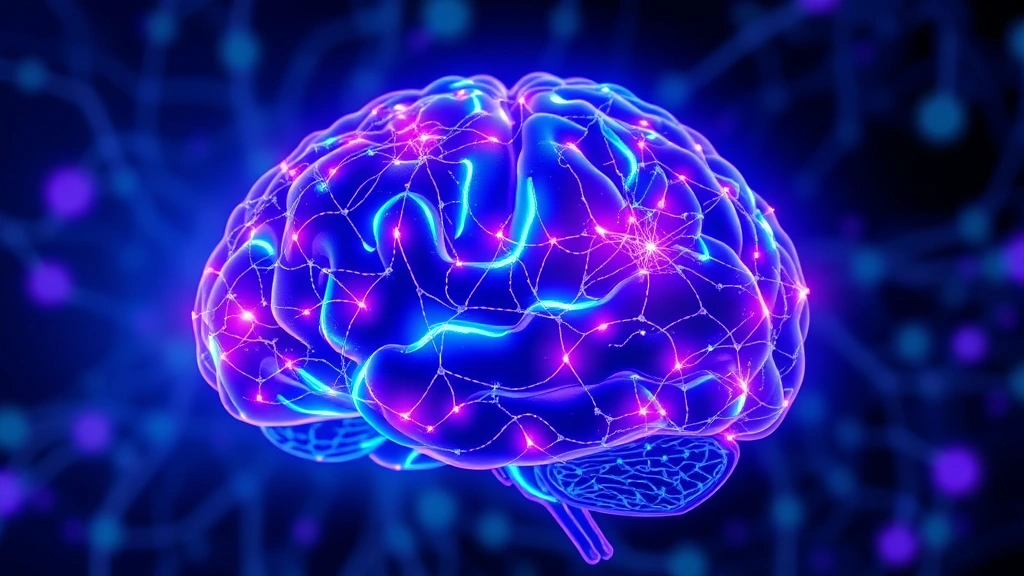
Neuroscientific research has illuminated how mindfulness physically transforms brain structure and function in ways that directly support recovery. When individuals practice mindfulness meditation, measurable changes occur in the prefrontal cortex, anterior cingulate cortex, and insula—brain regions responsible for emotional regulation, self-awareness, and pain perception. A landmark study published in Proceedings of the National Academy of Sciences demonstrated that consistent mindfulness practice increases gray matter density in areas associated with learning and memory, while simultaneously reducing activity in the amygdala, which processes fear and stress responses.
These neuroplastic changes have profound implications for recovery. When the brain’s threat-detection system (amygdala) becomes overactive due to injury or illness, it perpetuates a stress cycle that impedes healing. Mindfulness interrupts this cycle by retraining neural pathways toward calm and resilience. The vagus nerve, a crucial component of the parasympathetic nervous system, becomes more responsive to mindfulness practice, enabling faster transitions from stress (sympathetic activation) to rest-and-digest states that optimize healing processes. This neurological foundation explains why mindfulness produces effects that extend far beyond simple relaxation.
Research from leading institutions demonstrates that mindfulness increases telomerase activity—an enzyme that protects cellular DNA during stress. This cellular-level benefit suggests that mindfulness doesn’t merely help patients cope with recovery; it actively facilitates biological healing at the molecular level. The American Psychological Association has documented these neurological changes across diverse populations, confirming that mindfulness benefits transcend demographic boundaries.
Mindfulness and Pain Management During Recovery
Chronic pain represents one of the most significant obstacles to successful recovery, yet conventional pain management often relies heavily on pharmaceutical interventions that carry risks of dependency and side effects. Mindfulness offers an evidence-based alternative that reframes the relationship between patient and pain. Rather than attempting to eliminate pain through force or medication alone, mindfulness teaches individuals to observe pain with curiosity and acceptance, fundamentally altering the suffering associated with the sensation.
The distinction between pain and suffering proves crucial here. Pain is a sensory experience—the nociceptive signals from damaged tissues. Suffering, however, involves the mental resistance to pain, catastrophic thinking about pain, and fear of future pain. Mindfulness-based pain management, as described in research from the Center for Mindfulness at Massachusetts General Hospital, targets suffering rather than pain itself. When patients practice observing pain without judgment or resistance, neural activity in pain-processing regions decreases, and patients report significant reductions in pain intensity and emotional distress.
During physical rehabilitation, mindfulness enables patients to distinguish between protective pain (which signals genuine danger) and amplified pain (which results from fear and tension). This discernment allows patients to push through appropriate therapeutic challenges while respecting legitimate physical limitations. Studies show that patients who combine physical therapy with mindfulness achieve faster recovery timelines and experience greater functional improvements compared to physical therapy alone. The concentration required during mindfulness practice also enhances body awareness, enabling patients to execute therapeutic exercises with greater precision and effectiveness.
Mental Health Benefits for Recovery Patients
Recovery invariably involves psychological challenges—depression, anxiety, frustration with limitations, and grief over lost function or health. Mindfulness addresses these mental health dimensions directly by cultivating emotional resilience and adaptive coping mechanisms. Unlike cognitive behavioral therapy approaches that challenge negative thoughts, mindfulness teaches individuals to observe thoughts without engaging with their content or truth value. This metacognitive skill proves particularly valuable during recovery when catastrophic thinking patterns often emerge.
The relationship between mindfulness and depression during recovery has received substantial research attention. Depression frequently accompanies physical illness and injury, creating a vicious cycle where depressive symptoms impede motivation for rehabilitation, which then worsens depression. Mindfulness interrupts this cycle by increasing awareness of depressive thought patterns without allowing those patterns to dictate behavior. Patients practicing mindfulness maintain engagement in therapeutic activities despite depressive urges, gradually rebuilding the behavioral patterns that support recovery and mood improvement.
Anxiety management represents another critical mental health benefit. Recovery uncertainty naturally generates anxiety—uncertainty about outcomes, timeline, and future capability. Mindfulness anchors patients in present-moment reality, where most situations are manageable, rather than in anxious projections about future scenarios. Research demonstrates that mindfulness-based interventions reduce anxiety symptoms more effectively than pharmaceutical management alone in many recovery contexts. When combined with appropriate medical treatment, mindfulness creates a comprehensive mental health strategy that addresses both immediate symptoms and underlying psychological patterns that might otherwise complicate recovery.
Mindfulness in Physical Rehabilitation Programs
Progressive physical rehabilitation demands sustained motivation, accurate body awareness, and psychological resilience—precisely the capacities that mindfulness cultivates. Forward-thinking rehabilitation centers now integrate mindfulness into their standard protocols, recognizing that recovery success depends on more than biomechanical intervention. When patients develop mindfulness skills, they become more attuned to subtle bodily sensations, enabling them to detect improvements in strength, range of motion, and coordination that might otherwise go unnoticed. This enhanced proprioceptive awareness creates positive feedback loops that maintain motivation.
Mindfulness also addresses a common rehabilitation challenge: the tendency to either push too hard (risking re-injury) or hold back excessively (limiting therapeutic benefit). Mindful awareness enables the delicate balance required for optimal recovery. Patients learn to recognize the distinction between productive discomfort (the sensation of muscle working) and warning pain (the signal of potential damage). This discrimination, developed through consistent mindfulness practice, allows therapists and patients to collaborate more effectively in determining appropriate therapeutic intensity.
For those recovering from neurological injuries or conditions, mindfulness offers particular advantages. The focused attention training inherent in mindfulness practice can help rebuild neural pathways and improve cognitive function. When integrated with physical therapy treatment protocols, mindfulness enhances neuroplasticity—the brain’s ability to form new neural connections. This combination proves especially valuable for stroke recovery, traumatic brain injury rehabilitation, and other conditions where both physical and cognitive recovery are necessary.
The therapeutic alliance between patient and practitioner also strengthens through mindfulness integration. When patients practice present-moment awareness, they become more receptive to feedback from therapists, more willing to attempt challenging exercises, and more capable of tolerating the temporary discomfort necessary for progress. This psychological shift often produces measurable improvements in recovery speed and functional outcomes.
Practical Mindfulness Techniques for Recovery
Implementing mindfulness in recovery doesn’t require exotic practices or extensive time commitments. Several evidence-based techniques prove particularly valuable for individuals navigating recovery challenges. Body scan meditation, where practitioners systematically direct attention through different body regions, builds the body awareness essential for rehabilitation. This technique takes 10-20 minutes and can be practiced in any comfortable position, making it accessible even for individuals with significant physical limitations.
Breath awareness meditation offers another foundational practice. By focusing attention on natural breathing patterns, individuals activate the parasympathetic nervous system and create mental space between impulses and reactions. During recovery, this mental space proves invaluable—it allows patients to observe pain, anxiety, or frustration without automatically reacting in ways that undermine progress. Even five minutes of daily breath-focused practice produces measurable benefits within weeks.
Mindful movement—gentle, deliberate motion performed with full attention—bridges meditation and physical therapy beautifully. Practices like tai chi or yoga, performed with mindfulness intention, simultaneously address physical rehabilitation goals and mental health benefits. The slow, controlled movements characteristic of these practices build strength and flexibility while the attentional focus generates the psychological benefits of meditation. For recovery patients, mindful movement often feels more engaging than sitting meditation while delivering comparable neurological benefits.
Loving-kindness meditation specifically addresses the emotional challenges of recovery. By systematically cultivating compassion toward oneself and others, this practice combats the self-blame, resentment, and isolation that often accompany illness or injury. Recovery patients who practice loving-kindness report improved mood, better sleep, and enhanced motivation for therapeutic activities. The practice involves repeating phrases like “may I be well, may I be strong, may I heal” while visualizing these intentions, taking approximately 15 minutes per session.
Informal mindfulness practice—bringing present-moment awareness to daily activities—may prove equally important as formal meditation. Eating mindfully, walking mindfully, and performing therapeutic exercises mindfully extend meditation benefits throughout the day. This continuous practice builds the neural pathways that support recovery, making mindfulness increasingly natural and effortless over time.
Expert Recommendations and Best Practices
Healthcare professionals specializing in recovery medicine increasingly recognize mindfulness as an essential component of comprehensive treatment. The National Institutes of Health has funded extensive research documenting mindfulness benefits across recovery contexts, from post-surgical rehabilitation to addiction recovery. Expert consensus suggests that mindfulness works optimally when integrated early in the recovery process rather than introduced only when conventional treatments plateau.
Experts recommend that recovery patients learn mindfulness through guided instruction rather than attempting self-teaching. Working with experienced teachers ensures proper technique development and provides accountability that increases practice consistency. Many rehabilitation centers now employ mindfulness instructors or partner with local meditation centers to provide patient access. Some insurance plans cover mindfulness-based interventions when prescribed by medical providers, making these resources increasingly accessible.
Consistency proves more important than duration. Research demonstrates that 10-15 minutes of daily mindfulness practice produces more substantial benefits than occasional extended sessions. This manageable commitment level makes mindfulness sustainable for recovery patients who often experience fatigue and limited energy. Starting with brief practices and gradually extending duration prevents overwhelm and supports habit formation.
Integration with conventional medical treatment remains essential. Mindfulness serves as a complement to, not a replacement for, appropriate medical care including medication, surgery, physical therapy, and psychological treatment. Expert practitioners emphasize that mindfulness works synergistically with these interventions, enhancing their effectiveness rather than substituting for them. Recovery patients should discuss mindfulness practice with their healthcare team to ensure alignment with their overall treatment plan.
For those interested in exploring mindfulness-supported recovery within broader therapeutic contexts, resources like the MindLift Daily Blog provide evidence-based information about various therapeutic approaches. Additionally, exploring local therapy services and complementary treatment options can help create comprehensive recovery strategies tailored to individual needs.
The most successful recovery outcomes emerge when patients take active roles in their healing through evidence-based practices like mindfulness. This active engagement transforms recovery from a passive experience of receiving treatment into an empowered process of self-directed healing. Patients who develop mindfulness skills report greater satisfaction with their recovery experience, improved quality of life, and better long-term outcomes—benefits that extend far beyond the recovery period itself.
FAQ
Can mindfulness replace physical therapy during recovery?
No. Mindfulness complements physical therapy rather than replacing it. Physical therapy addresses structural and biomechanical aspects of recovery, while mindfulness enhances the psychological, neurological, and emotional dimensions. Combined, they produce superior outcomes compared to either intervention alone. Always follow your healthcare provider’s recommendations for physical rehabilitation.
How long does it take for mindfulness to improve recovery outcomes?
Some benefits appear within days—improved sleep and reduced anxiety often emerge after just a few sessions. However, more substantial improvements in pain management and functional recovery typically require 4-8 weeks of consistent practice. Brain imaging studies show measurable neurological changes after 8 weeks of regular mindfulness practice, correlating with clinical improvements in recovery progress.
Is mindfulness appropriate for all types of recovery?
Mindfulness benefits most recovery contexts, including post-surgical recovery, physical rehabilitation, chronic pain management, and mental health recovery. However, certain psychiatric conditions require careful guidance when introducing meditation practices. Individuals with active psychosis or severe trauma should work with experienced practitioners who understand contraindications. Always consult your healthcare provider before beginning mindfulness practice.
What if I can’t sit still to meditate during recovery?
Mindful movement practices like gentle yoga, tai chi, or mindful walking provide excellent alternatives to seated meditation. These practices deliver comparable neurological benefits while accommodating physical limitations. Additionally, body scan meditation can be practiced lying down, making it accessible for individuals with significant mobility restrictions.
How does mindfulness affect medication needs during recovery?
Mindfulness may reduce the amount of pain medication or anxiety medication required during recovery, but this determination must be made by your healthcare provider. Never adjust medications without professional guidance. Mindfulness works alongside appropriate medical treatment to optimize recovery outcomes. Some patients find they need less medication as mindfulness practice deepens, but this reduction must be medically supervised.