
How Mindfulness Boosts Mental Health: Expert Insights
Mindfulness has emerged as one of the most scientifically validated approaches to improving mental health and overall well-being. By cultivating present-moment awareness and non-judgmental observation of thoughts and emotions, individuals can fundamentally transform their relationship with stress, anxiety, and depression. This ancient practice, now supported by decades of neuroscientific research, offers practical tools that complement traditional therapeutic interventions and enhance quality of life across diverse populations.
The integration of mindfulness into mental health treatment represents a paradigm shift in how we approach psychological wellness. Rather than simply managing symptoms, mindfulness-based interventions address the root causes of mental distress by rewiring neural pathways and building emotional resilience. Whether used alongside cognitive behavioral therapy or as a standalone practice, mindfulness offers measurable improvements in focus, emotional regulation, and psychological flexibility.
Understanding Mindfulness and Mental Health
Mindfulness is fundamentally about paying attention to the present moment with openness and curiosity, without judgment or resistance. Jon Kabat-Zinn, the pioneer of Mindfulness-Based Stress Reduction (MBSR), defines it as “paying attention in a particular way: on purpose, in the present moment, and non-judgmentally.” This simple yet powerful definition encapsulates the essence of a practice that has transformed mental health treatment worldwide.
The relationship between mindfulness and mental health operates on multiple levels. At the cognitive level, mindfulness helps individuals recognize patterns of rumination and catastrophic thinking that fuel anxiety and depression. By observing these thought patterns without becoming entangled in them, practitioners develop what psychologists call “cognitive distance”—the ability to see thoughts as mental events rather than absolute truths. This shift alone can dramatically reduce the intensity of negative emotional states.
Mental health professionals increasingly recognize mindfulness as an essential component of comprehensive treatment plans. When combined with evidence-based therapies like cognitive behavioral therapy for specific phobias, mindfulness amplifies therapeutic outcomes and promotes lasting psychological change. The practice addresses not just symptoms but the underlying mechanisms that perpetuate mental health challenges.
The Neuroscience Behind Mindfulness
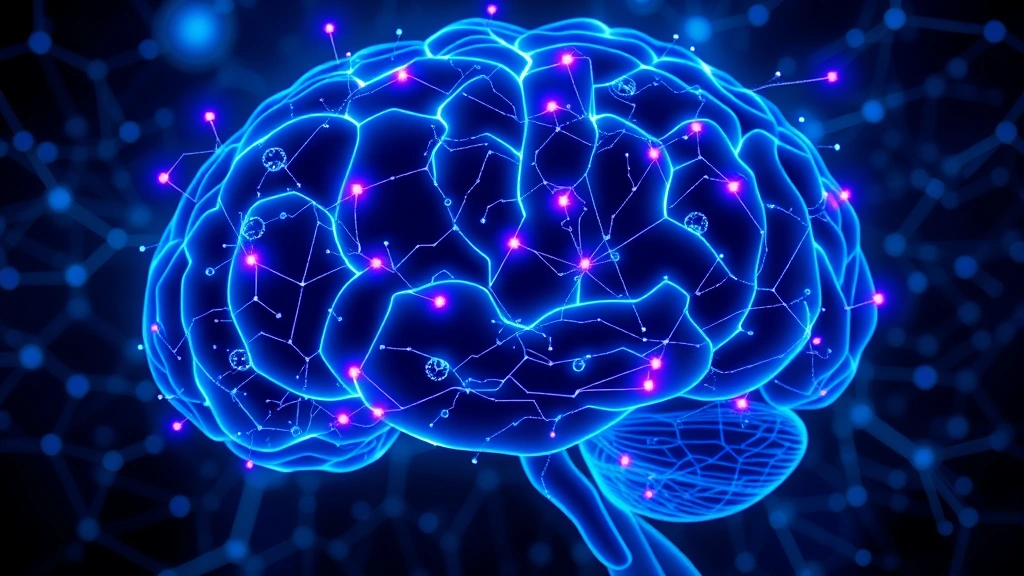
Neuroimaging studies have revealed that regular mindfulness practice produces measurable changes in brain structure and function. Research published in Nature Reviews Neuroscience demonstrates that mindfulness meditation increases gray matter density in regions associated with learning, memory, emotional regulation, and perspective-taking. The prefrontal cortex, responsible for executive function and rational decision-making, becomes more active and better connected with the amygdala, the brain’s emotional processing center.
One of the most significant neurological changes occurs in the default mode network (DMN), a set of brain regions active during self-referential thinking and mind-wandering. Individuals with anxiety and depression typically show hyperactivity in the DMN, characterized by excessive rumination and negative self-focus. Mindfulness practice reduces DMN activity and weakens the connections within this network, directly counteracting the neural patterns underlying many mental health conditions.
The vagus nerve, which connects the brain to the rest of the body, plays a crucial role in the mind-body relationship. Mindfulness activates the parasympathetic nervous system through vagal tone improvement, promoting what’s known as the “rest and digest” response. This physiological shift reduces cortisol levels, lowers blood pressure, and decreases inflammation—all factors that contribute to both mental and physical health. Understanding these mechanisms helps explain why mindfulness produces such robust and durable improvements in mental wellness.
Research from Psychological Science in the Public Interest confirms that mindfulness-based interventions are particularly effective for reducing anxiety and depressive symptoms. The practice essentially trains the brain to respond more adaptively to stress and emotional challenges, creating lasting neuroplastic changes that persist long after formal meditation sessions end.
Mindfulness for Anxiety and Depression
Anxiety disorders affect millions worldwide, characterized by excessive worry, physical tension, and hypervigilance. Mindfulness addresses anxiety through multiple mechanisms: it interrupts the worry cycle, reduces physiological arousal, and helps individuals tolerate uncertainty—a core feature of anxiety disorders. By practicing acceptance of uncomfortable thoughts and sensations without attempting to control or eliminate them, individuals discover that anxiety naturally decreases when they stop struggling against it.
Depression, often marked by rumination about past events and hopelessness about the future, responds remarkably well to mindfulness interventions. Mindfulness-Based Cognitive Therapy (MBCT), specifically designed to prevent depressive relapse, combines mindfulness meditation with cognitive therapy principles. Clinical trials demonstrate that MBCT reduces depression recurrence rates by approximately 50% in individuals with recurrent major depression, rivaling the effectiveness of maintenance antidepressant medication.
The beauty of mindfulness for mental health lies in its accessibility and lack of adverse side effects. Unlike pharmaceutical interventions, which may take weeks to work and often produce unwanted effects, mindfulness can provide immediate relief during acute anxiety episodes. A single 10-minute mindfulness session can significantly reduce anxiety symptoms and promote emotional clarity. Over time, consistent practice fundamentally rewires how the nervous system responds to stress, creating a more resilient and adaptive baseline.
Individuals recovering from trauma also benefit profoundly from mindfulness, though specialized approaches like Trauma-Sensitive Mindfulness are necessary. The practice helps regulate the hyperaroused nervous system characteristic of post-traumatic stress while building tolerance for previously avoided internal experiences. When integrated with trauma-focused therapy, mindfulness accelerates healing and reduces symptom severity.
Practical Mindfulness Techniques
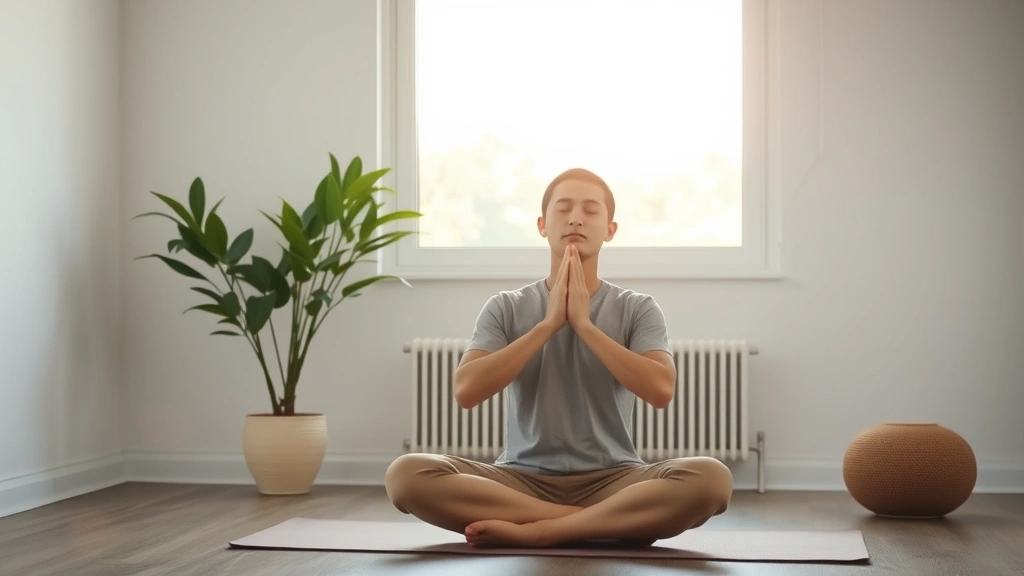
Effective mindfulness practice doesn’t require hours of meditation or exotic retreats. Simple, evidence-based techniques can be integrated into daily life to produce meaningful mental health improvements. The most fundamental technique is breath awareness meditation, where practitioners focus attention on the natural rhythm of breathing. When the mind wanders—which it inevitably will—the practice involves gently redirecting attention back to the breath without self-criticism.
Body scan meditation represents another powerful technique, particularly valuable for individuals experiencing stress-related physical tension. Practitioners systematically direct attention through different body regions, noticing sensations without trying to change them. This practice builds interoceptive awareness (the ability to sense internal bodily states) and helps identify where stress manifests physically, enabling earlier intervention before tension becomes overwhelming.
Mindful movement practices, including yoga and tai chi, combine the benefits of physical activity with meditative awareness. These approaches prove especially valuable for individuals interested in physical therapy and therapeutic movement, as they integrate mental and physical well-being. The deliberate, conscious movement inherent in these practices cultivates both body awareness and mental presence.
Loving-kindness meditation specifically targets emotional regulation and social connection by cultivating compassion toward oneself and others. Practitioners systematically extend well-wishes and compassionate phrases, beginning with themselves, then expanding to loved ones, neutral individuals, and eventually difficult people. Research demonstrates that loving-kindness practice increases positive emotions, reduces self-criticism, and enhances social connectedness—all protective factors for mental health.
Walking meditation offers a practical technique for busy individuals, combining movement with mindful awareness. Whether in nature or urban environments, practitioners focus attention on the sensation of each footstep, the movement of limbs, and environmental sounds. This accessible practice fits seamlessly into daily routines and provides mental health benefits comparable to seated meditation.
Integrating Mindfulness with Physical Therapy
The mind-body connection operates bidirectionally: mental states influence physical health, and physical practices influence psychological well-being. Integrating mindfulness with concentra physical therapy and other rehabilitation approaches creates synergistic benefits that accelerate recovery and enhance overall outcomes. Individuals undergoing physical therapy often experience anxiety about pain, fear of re-injury, and frustration with slow progress—all factors that mindfulness directly addresses.
Mindfulness-based pain management techniques help individuals reframe their relationship with pain rather than simply enduring it. By observing pain sensations with curiosity rather than resistance, individuals often experience decreased pain intensity and improved functional capacity. This approach complements traditional physical therapy protocols and empowers individuals to participate more actively in their rehabilitation.
For individuals exploring various therapeutic options, including speech therapy and other specialized interventions, mindfulness provides a foundation of emotional regulation and stress management that enhances the effectiveness of all therapeutic modalities. The calm, focused state cultivated through mindfulness improves concentration during therapy sessions and accelerates skill acquisition.
Additionally, red light therapy and other complementary approaches work synergistically with mindfulness practices. While red light therapy addresses physical healing at the cellular level, mindfulness supports mental and emotional healing, creating comprehensive wellness outcomes. Healthcare providers increasingly recognize that integrated approaches addressing multiple dimensions of health produce superior long-term results.
Building a Sustainable Practice
Establishing a consistent mindfulness practice requires intentional effort and realistic expectations. Research suggests that regular practice—even 10-15 minutes daily—produces measurable mental health improvements within 8-12 weeks. However, consistency matters more than duration; brief daily practice outperforms occasional longer sessions in terms of lasting neurological changes and psychological benefits.
Beginning practitioners benefit from structured programs like MBSR, which provides professional guidance, peer support, and proven curricula. Many mental health professionals now offer mindfulness-based interventions, making these evidence-based approaches increasingly accessible. For those exploring complementary therapeutic resources, the MindLift Daily Blog offers comprehensive therapy resources and information to support mental health journeys.
Overcoming common obstacles strengthens practice resilience. The “monkey mind”—the tendency for attention to wander—is not a sign of failure but rather the natural functioning of an untrained mind. Each time practitioners notice mind-wandering and redirect attention, they strengthen neural circuits associated with focus and emotional regulation. Similarly, experiencing difficult emotions during meditation indicates healing work occurring, not a failed practice.
Integrating mindfulness into daily activities—eating, walking, or routine tasks—extends the practice beyond formal meditation sessions. Mindful eating, for instance, not only improves digestive health but also cultivates presence and emotional awareness around food relationships. This informal practice seamlessly weaves mindfulness into daily life, making the practice sustainable and increasingly beneficial.
For individuals interested in mindfulness-related career paths, exploring occupational therapy jobs and related professional opportunities provides meaningful ways to help others while deepening personal practice. Many mental health professionals find that teaching mindfulness to clients deepens their own understanding and commitment to the practice.
FAQ
How long does it take to experience mindfulness benefits?
Research indicates that many individuals notice improvements in stress levels and emotional regulation within 2-4 weeks of consistent practice. More substantial neurological changes typically emerge within 8-12 weeks. However, some benefits—such as improved focus during individual sessions—can occur immediately.
Can mindfulness replace medication for mental health conditions?
Mindfulness is most effective when integrated with comprehensive treatment plans. For moderate to severe mental health conditions, combining mindfulness with medication and therapy typically produces the best outcomes. Always consult mental health professionals before making medication changes.
What’s the difference between mindfulness and meditation?
Mindfulness is the awareness practice itself—paying attention to the present moment without judgment. Meditation is a formal practice technique used to cultivate mindfulness. One can meditate without achieving mindfulness, and one can practice mindfulness without formal meditation through daily activities.
Is mindfulness appropriate for everyone?
Mindfulness benefits most individuals, though trauma survivors may require specialized trauma-sensitive approaches. Individuals with certain psychiatric conditions should practice under professional guidance. Overall, mindfulness is a safe, accessible practice suitable for diverse populations.
How does mindfulness improve focus and concentration?
Mindfulness meditation directly trains attention regulation by repeatedly redirecting focus to a chosen object (typically the breath). This repeated practice strengthens prefrontal cortex circuits responsible for sustained attention and working memory, translating to improved concentration in daily activities.