How Child’s Play Therapy Boosts Mental Health: A Comprehensive Guide
Play therapy represents one of the most effective and evidence-based interventions for supporting children’s emotional and psychological development. Unlike traditional talk therapy, which relies heavily on verbal communication, play therapy leverages the natural language of childhood—play itself—to help young individuals process emotions, overcome trauma, and build resilience. A child’s play therapy center provides a safe, structured environment where trained therapists use toys, games, art, and imaginative play to facilitate healing and growth.
The beauty of play therapy lies in its accessibility and effectiveness across diverse populations. Whether a child is struggling with anxiety, depression, behavioral issues, or the aftermath of trauma, play therapy meets them where they are developmentally. Research from the American Physical Therapy Association and psychological studies consistently demonstrate that play-based interventions produce measurable improvements in emotional regulation, social skills, and overall mental health outcomes.
This comprehensive guide explores how play therapy works, its numerous benefits, and why parents increasingly seek out specialized therapy resources to support their children’s mental wellness journey.

Understanding Play Therapy: Definition and Principles
Play therapy is a psychotherapeutic approach that uses play as the primary medium for communication and healing. Founded on the principle that play is children’s natural form of self-expression, this therapeutic modality recognizes that children often cannot articulate their feelings, fears, or experiences through conventional conversation. Instead, they communicate through action, imagination, and play.
The Association for Play Therapy defines play therapy as “the systematic use of a theoretical model to establish a safe, supportive relationship and provide prescribed play experiences to help children prevent, manage, or resolve psychosocial difficulties and achieve optimal growth and development.” This definition encapsulates the intentional, therapeutic nature of the practice—it is not simply allowing children to play freely, but rather creating structured opportunities within a therapeutic context.
Core principles underlying play therapy include:
- Child-centered approach: Respecting the child’s pace and allowing them to lead the therapeutic process
- Non-directive stance: The therapist follows the child’s lead rather than imposing predetermined outcomes
- Unconditional positive regard: Accepting the child without judgment, creating safety for authentic expression
- Symbolic communication: Understanding that play represents deeper emotions and experiences
- Empowerment: Helping children develop agency and problem-solving capabilities through play
These principles distinguish play therapy from recreational play or entertainment. When you visit a professional therapy resources center, trained therapists apply these principles systematically to facilitate meaningful psychological change.

How Play Therapy Works: The Therapeutic Mechanisms
Understanding the mechanisms through which play therapy produces therapeutic effects helps explain its remarkable efficacy. Several psychological and neurobiological processes occur during play therapy sessions:
Emotional Expression and Processing: Play provides a safe container for children to express emotions that feel too overwhelming or confusing to verbalize. Through toys, art materials, and imaginative scenarios, children externalize internal experiences. A child experiencing parental divorce might use dolls to recreate family scenes, allowing the therapist to observe and support their processing of this major life change.
Cognitive Development and Problem-Solving: During play, children’s brains engage in active learning and creative problem-solving. They experiment with different approaches, face consequences within safe boundaries, and develop adaptive coping strategies. This mirrors the neuroplasticity research showing that engaged, playful learning creates stronger neural pathways than passive instruction.
Trauma Processing: According to American Psychological Association research, play therapy facilitates trauma processing by allowing children to gradually expose themselves to traumatic memories in a controlled, supportive environment. The repetitive nature of play enables children to integrate traumatic experiences and reduce their emotional charge.
Self-Regulation Development: Play therapy strengthens children’s capacity for emotional regulation. As therapists model appropriate responses and gently guide children toward self-soothing techniques embedded within play, children internalize these regulatory strategies. This is particularly important given that neuroscience research demonstrates that self-regulation capacity is foundational to mental health.
Relationship and Attachment: The therapeutic relationship itself becomes healing. The therapist’s consistent presence, genuine interest, and non-judgmental stance provide corrective emotional experiences. Children who have experienced relational trauma or attachment disruption benefit profoundly from this secure, predictable relationship.
Key Mental Health Benefits for Children
Extensive research documents the mental health benefits of play therapy across multiple domains:
Anxiety Reduction: Children experiencing generalized anxiety, social anxiety, or specific phobias show significant improvement through play therapy. By gradually exposing themselves to anxiety-provoking situations within the safety of play, children habituate to feared situations. A child afraid of dogs might use toy animals to practice calm responses, building confidence that transfers to real-world situations.
Depression and Mood Improvement: Play therapy helps depressed children access pleasure, engage in meaningful activity, and develop more adaptive thought patterns. The inherent joy and creativity of play counteracts the anhedonia and hopelessness characteristic of childhood depression. Additionally, the social engagement with the therapist provides antidepressant effects through relationship.
Behavioral Improvement: Children exhibiting aggressive, oppositional, or acting-out behaviors often benefit dramatically from play therapy. Rather than punitive approaches, play therapy addresses the underlying emotional needs driving problematic behavior. When children feel understood and supported, behavioral symptoms frequently diminish naturally.
Enhanced Emotional Intelligence: Through guided reflection on their play experiences, children develop greater awareness of emotions, improved ability to identify feelings in themselves and others, and more sophisticated emotional vocabulary. This emotional literacy becomes a lifelong asset for mental health.
Improved Social Skills: Group play therapy or play therapy addressing social difficulties helps children develop better peer relationships, cooperation skills, and conflict resolution abilities. These social competencies directly contribute to mental health and reduce isolation.
Trauma Recovery: Children who have experienced abuse, neglect, loss, or other traumatic events show remarkable healing through trauma-informed play therapy. The approach allows processing without re-traumatization and helps children develop post-traumatic growth.
Different Types of Play Therapy Approaches
Professional play therapists employ various evidence-based approaches, each with specific applications:
Child-Centered Play Therapy: Rooted in humanistic psychology, this non-directive approach follows the child’s lead entirely. The therapist creates a permissive, accepting environment and reflects the child’s play experiences back to them. This approach is particularly effective for children who need to feel control and autonomy in their healing process.
Cognitive-Behavioral Play Therapy (CBPT): This approach integrates cognitive-behavioral principles with play. Therapists help children identify unhelpful thought patterns and behavioral cycles, then use play to practice more adaptive responses. For example, a child with perfectionist anxiety might use a game to practice making mistakes safely.
Psychodynamic Play Therapy: Drawing from psychoanalytic theory, this approach interprets symbolic meanings in children’s play to understand unconscious conflicts and patterns. The therapist helps children gain insight into how past experiences shape current behaviors and feelings.
Filial Play Therapy: This innovative approach trains parents to conduct play therapy with their own children at home. Parents learn techniques to create therapeutic play experiences, strengthening the parent-child relationship while providing ongoing support between professional sessions.
Sandtray Therapy: Using miniature figures and a tray of sand, children create scenes representing their inner world. This tactile, creative approach is particularly effective for children with limited verbal abilities and provides rich symbolic material for therapeutic exploration.
Art-Based Play Therapy: Incorporating drawing, painting, sculpture, and other artistic media, this approach allows children to express experiences beyond words. Art materials provide a different avenue for processing and can be less threatening for children resistant to traditional talk therapy.
Conditions Treated Through Play Therapy
Mental health professionals utilize play therapy to effectively treat numerous childhood conditions:
- Anxiety disorders: Generalized anxiety, social anxiety, separation anxiety, and specific phobias respond well to play-based exposure and coping strategies
- Depression: Play therapy addresses the hopelessness, anhedonia, and social withdrawal characteristic of childhood depression
- Trauma and PTSD: Trauma-informed play therapy facilitates processing of traumatic memories and development of safety and resilience
- ADHD: While not treating ADHD itself, play therapy helps children develop better impulse control and emotional regulation
- Behavioral problems: Oppositional defiant disorder, conduct problems, and aggression often stem from underlying emotional needs that play therapy addresses
- Grief and loss: Play therapy provides a natural medium for children to process death, divorce, and other significant losses
- Adjustment difficulties: Children struggling with transitions—moving, changing schools, new siblings—benefit from play therapy support
- Autism spectrum disorder: Play therapy, combined with other interventions like speech therapy, supports social and emotional development
- Abuse and neglect: Play therapy is integral to healing from maltreatment and rebuilding trust and safety
- Medical trauma: Children who have experienced serious illness or medical procedures often benefit from play therapy to process medical trauma
Additionally, many parents seek play therapy as a preventive intervention, recognizing that building emotional resilience in childhood supports lifelong mental health. Some centers also integrate play therapy with occupational therapy approaches to address developmental and sensory needs.
What to Expect at a Play Therapy Center
Understanding what occurs during a typical play therapy session helps parents and children prepare for this experience:
Initial Assessment: The process begins with a comprehensive assessment where the therapist gathers information about the child’s history, current concerns, family dynamics, and developmental background. This session typically involves both parents and child, establishing the therapeutic relationship and understanding the presenting problem.
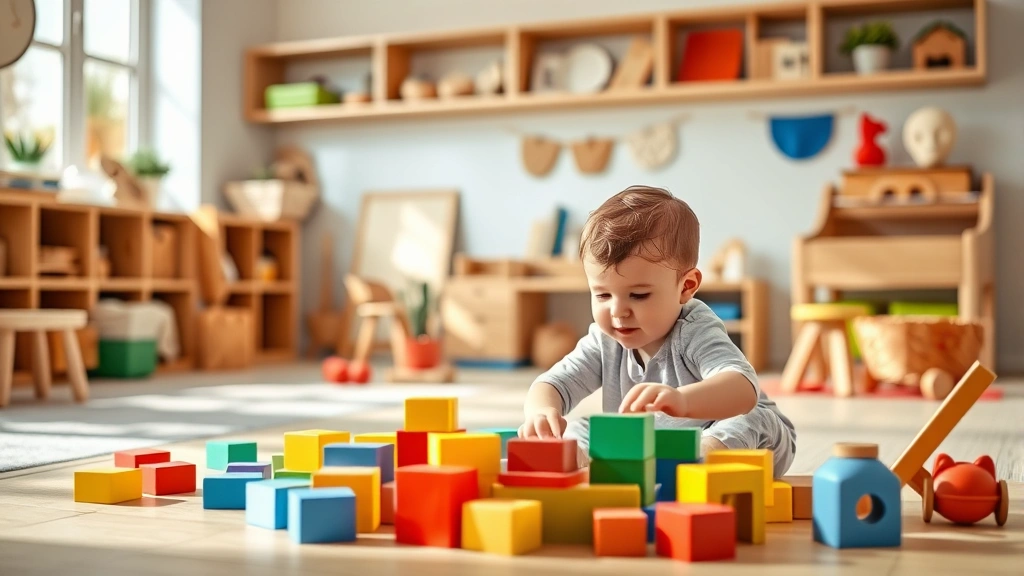
The Playroom Environment: Professional play therapy centers feature specially designed playrooms filled with carefully selected toys and materials. The environment typically includes:
- Nurturing toys (dolls, baby bottles, blankets) for children needing comfort and security
- Aggressive release toys (foam bats, punching bags) for safe expression of anger
- Expressive materials (paints, clay, markers) for creative expression
- Realistic toys (family figures, animals, dollhouse) for symbolic play
- Games and puzzles for cognitive engagement and problem-solving
- Sensory materials (sand, water, kinetic sand) for tactile exploration
The Session: During a typical 45-60 minute session, the child enters the playroom with the therapist and engages in self-directed play. The therapist observes, follows the child’s lead, and makes occasional therapeutic comments or reflections. The therapist might say, “I notice your dinosaur is fighting the other dinosaur. Tell me what’s happening,” inviting the child to elaborate on their play narrative.
Therapeutic Interventions: While maintaining the child’s autonomy, the therapist introduces gentle interventions. These might include limit-setting when necessary, teaching coping skills embedded within play, introducing new scenarios for the child to explore, or asking questions that deepen self-awareness.
Transition and Closure: Sessions end with a clear transition ritual, often involving cleanup together. This provides predictability and helps the child shift from the therapeutic space back to their regular environment.
Parent Communication: Effective play therapy centers maintain regular communication with parents, discussing progress and teaching parents strategies to support their child’s growth at home. Parents might learn to conduct mini-play therapy sessions themselves, extending therapeutic benefits throughout the week.
Choosing the Right Play Therapy Provider
Finding a qualified play therapy professional is crucial for ensuring your child receives evidence-based, effective treatment. Consider these factors:
Credentials and Certification: Look for therapists with credentials from the Association for Play Therapy (APT). The Registered Play Therapist (RPT) credential requires specific training, supervised experience, and examination. For advanced work, the RPT-Supervisor (RPT-S) credential indicates additional expertise.
Specialized Training: Depending on your child’s needs, seek providers with specific training in relevant areas. For trauma, look for trauma-informed play therapy training. For autism, seek providers familiar with neurodevelopmental approaches. Some centers specialize in particular areas, offering expertise that general practitioners may lack.
Theoretical Orientation: Different therapists employ different play therapy approaches. Understanding whether a provider uses child-centered, cognitive-behavioral, psychodynamic, or other approaches helps match their style with your child’s needs and your family’s values.
Experience with Your Child’s Specific Issue: While all play therapists have broad training, some have specialized experience with particular conditions. If your child has experienced trauma, seek providers with trauma-focused training. For children with behavioral issues, providers experienced with oppositional defiant disorder may be particularly helpful.
Facility and Environment: Visit the center if possible. A well-designed play therapy center should feel safe, welcoming, and thoughtfully organized. The playroom should be clean, well-maintained, and equipped with developmentally appropriate materials.
Parent Involvement Approach: Inquire about how the center involves parents. Strong programs maintain regular communication, teach parents supportive strategies, and often include parent-child sessions or filial therapy components.
Insurance and Cost: Understand the financial aspects. Many insurance plans cover play therapy when provided by licensed mental health professionals. If cost is a concern, explore how much therapy typically costs and whether the center offers sliding scale fees or payment plans.
Play Therapy Combined with Other Interventions
While play therapy is powerful on its own, many children benefit from integrated treatment approaches combining play therapy with complementary interventions:
Medication Management: For some children, particularly those with severe anxiety, depression, or ADHD, medication can be beneficial when combined with play therapy. The therapeutic work addresses underlying emotional patterns while medication supports neurochemical balance, creating optimal conditions for healing.
Occupational Therapy Integration: Children with sensory processing difficulties, fine motor delays, or other developmental needs often benefit from combined occupational therapy and play therapy. These approaches complement each other, addressing both emotional and developmental needs.
Speech and Language Therapy: For children with communication difficulties, combining play therapy with speech therapy supports both emotional expression and language development. Play naturally facilitates language learning while providing emotional support.
Physical Therapy: Children recovering from medical conditions or injuries, such as those receiving physical therapy treatment for cerebral palsy, often experience emotional impact from their condition. Play therapy addresses these psychological aspects while physical therapy addresses motor functioning.
School-Based Support: Collaboration between the play therapy center, school counselors, and teachers ensures consistent support across the child’s environments. Teachers can reinforce coping skills learned in therapy, and school-based observations inform the therapist’s understanding of the child’s functioning.
Family Therapy: When family dynamics contribute to the child’s difficulties, combining individual play therapy with family therapy creates comprehensive treatment. The child processes their experience individually while the family develops healthier interaction patterns.
Mindfulness and Yoga: Some centers integrate mindfulness practices or gentle yoga with play therapy, teaching children somatic regulation strategies alongside emotional processing. These practices complement play therapy’s benefits and give children additional tools for managing stress and emotions.
Parent Training Programs: Beyond standard parent communication, some centers offer intensive parent coaching programs where parents learn behavioral management strategies, emotional coaching techniques, and how to create a therapeutic home environment. This parent-focused work amplifies treatment effects.
FAQ
What age children benefit most from play therapy?
Play therapy is effective across early childhood through adolescence, with ages 3-12 being the most typical range. However, teenagers can benefit from play therapy adapted to their developmental stage, incorporating games, creative projects, and metaphorical play. Even young children under 3 can participate in modified play therapy approaches.
How long does play therapy typically take?
Duration varies based on the child’s needs and presenting issues. Some children show improvement within 8-12 sessions, while others benefit from longer-term therapy lasting 6-12 months or more. Trauma-focused play therapy often requires longer engagement. The therapist should provide an initial estimate and adjust based on progress.
Can parents observe play therapy sessions?
This varies by therapist and approach. Some therapists believe observation interferes with the child’s freedom of expression, while others incorporate parent observation as part of the intervention. Many therapists conduct separate sessions with parents to discuss progress and teach supporting strategies at home.
Is play therapy covered by insurance?
Many insurance plans cover play therapy when provided by licensed mental health professionals (licensed counselors, psychologists, social workers). Coverage varies by plan and provider. It’s worth contacting your insurance company to verify coverage before beginning treatment.
How is progress measured in play therapy?
Play therapists assess progress through multiple methods: behavioral observations during sessions, standardized assessment instruments, parent and teacher reports of changes in functioning, and direct feedback from children about how they’re feeling. Progress might include reduced anxiety symptoms, improved behavior at school, better emotional expression, or stronger relationships.
What makes play therapy different from just letting children play?
The key difference is intentionality and therapeutic expertise. While recreational play has benefits, play therapy is a structured intervention delivered by trained professionals. The therapist creates specific conditions, makes informed observations, and delivers targeted interventions based on psychological principles and the child’s needs.
Can play therapy help children who don’t like to talk about their feelings?
Absolutely. This is one of play therapy’s greatest strengths. Children who resist traditional talk therapy often thrive in play therapy because it doesn’t require verbal processing. The child communicates through action and imagination, which many children find more natural and less threatening.
How do therapists know what children’s play means?
Play therapists receive extensive training in symbolic interpretation and child development. They understand common play themes and their meanings while recognizing that symbols are personal. Rather than imposing interpretations, therapists gently explore with children, asking curious questions that help children discover meanings themselves.