Biolage Bond Therapy: Does It Boost Hair Health?
Hair damage is one of the most common concerns affecting millions of people worldwide, from frequent heat styling to chemical treatments and environmental stressors. Biolage Bond Therapy has emerged as a popular professional hair care solution claiming to repair and strengthen damaged strands from within. But does this advanced treatment actually deliver on its promises, or is it just another marketing gimmick in the crowded hair care industry?
This comprehensive guide explores the science behind Biolage Bond Therapy, examining its ingredients, effectiveness, application methods, and whether it’s worth the investment for your hair health. We’ll break down how this treatment works at the molecular level and compare it with other popular hair repair solutions available today.
What is Biolage Bond Therapy?
Biolage Bond Therapy is a professional hair treatment system developed by Matrix, a subsidiary of L’Oréal, specifically designed to repair and strengthen chemically damaged hair. The treatment targets broken disulfide bonds—the structural connections that hold hair together—which break down during bleaching, coloring, perming, and relaxing processes.
The system works through a multi-step process that includes cleansing, bonding, and protective phases. Unlike traditional deep conditioning treatments that primarily coat the hair surface, Bond Therapy claims to work at a deeper molecular level to rebuild the internal structure of compromised strands. The technology represents an advancement in therapeutic hair care approaches that focus on structural restoration rather than cosmetic coverage.
According to Matrix’s research, the treatment can restore up to 90% of hair’s strength when used as a complete system over multiple applications. The product line includes a Bond Protector shampoo and conditioner for maintenance, along with professional-grade treatment masks applied in salon settings.
How Does Bond Therapy Work?
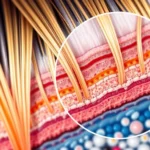
Understanding the mechanism behind Biolage Bond Therapy requires basic knowledge of hair structure. Hair is composed of protein chains held together by various types of bonds, including hydrogen bonds, salt bonds, and crucially, disulfide bonds. When hair undergoes chemical processes like bleaching or coloring, these disulfide bonds break, causing structural weakness and visible damage including breakage, frizz, and loss of elasticity.
The Bond Therapy system uses a proprietary bonding complex that claims to identify broken bonds within the hair shaft and chemically reconnect them. This is theoretically different from traditional conditioners that simply coat the hair surface. The treatment contains amino acids and proteins that penetrate the hair cortex—the innermost layer—where damage originates.
The three-phase application process works as follows: First, the cleansing phase removes buildup and prepares the hair. Second, the bonding phase applies the active treatment that targets broken protein chains. Third, the protective phase seals and stabilizes the repaired structure. Professional stylists typically recommend spacing treatments two to three weeks apart for maximum cumulative benefit, similar to how structured therapy programs require consistent sessions for lasting results.
Key Ingredients and Their Benefits
The effectiveness of Biolage Bond Therapy depends significantly on its ingredient formulation. The treatment contains several active components designed to work synergistically:
- Resorcinol: A chemical compound that helps restore broken bonds between protein chains, forming new connections where damage has occurred
- Amino Acids: Essential building blocks that replenish protein loss in damaged hair, improving strength and elasticity
- Hydrolyzed Proteins: Small protein molecules that penetrate the hair shaft to fill gaps created by damage and chemical treatment
- Botanical Extracts: Including quinoa protein and other plant-based ingredients that provide antioxidant protection against environmental damage
- Silicones: Help seal the hair cuticle and lock in moisture for improved shine and manageability
Research published in the Journal of Cosmetic Dermatology suggests that treatments containing bonding technology can reduce protein loss by up to 80% compared to untreated damaged hair. However, independent verification of these specific claims remains limited, with most research conducted or funded by the manufacturer.
The inclusion of resorcinol is particularly significant, as this molecule has been shown in laboratory settings to create new disulfide bonds. However, the extent to which this occurs in actual hair application versus laboratory conditions remains a subject of scientific debate among hair care chemists.
Application Process and Results
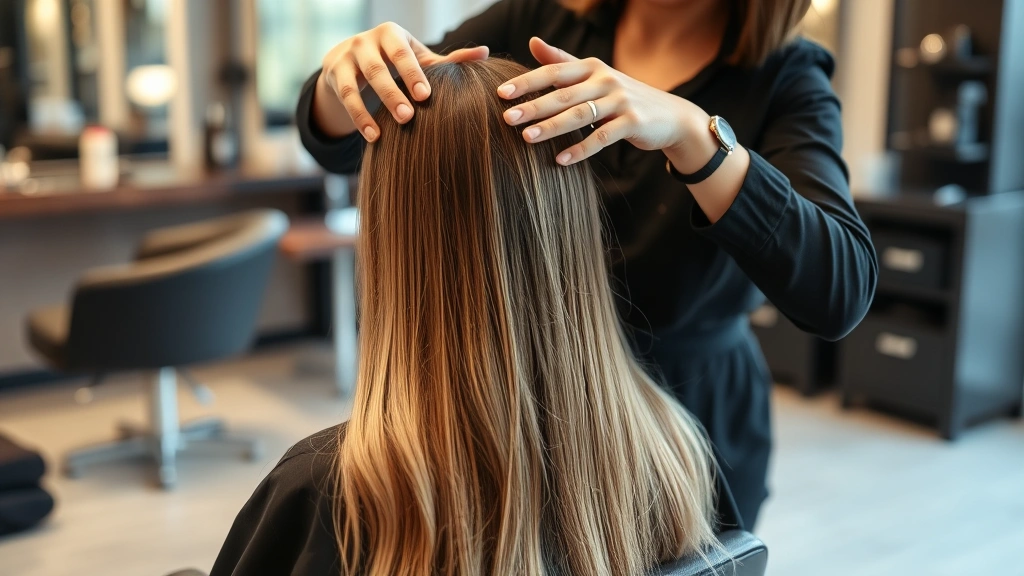
Biolage Bond Therapy is primarily a professional treatment administered in salons, though the brand has developed at-home maintenance products. A typical professional treatment session takes 45 minutes to an hour and follows this sequence:
- Hair assessment and consultation to determine damage level
- Shampooing with the Bond Protector cleanser to remove impurities
- Application of the Bond Treatment mask, usually left on for 10-15 minutes
- Rinsing thoroughly and applying the Bond Protector conditioner
- Final styling to showcase results
Most users report immediate visible improvements including increased shine, smoother texture, and improved manageability. These cosmetic improvements are likely due to the protein coating and silicone content rather than actual molecular bonding. More significant structural improvements—increased tensile strength and reduced breakage—typically become apparent after 3-4 consecutive treatments spaced two weeks apart.
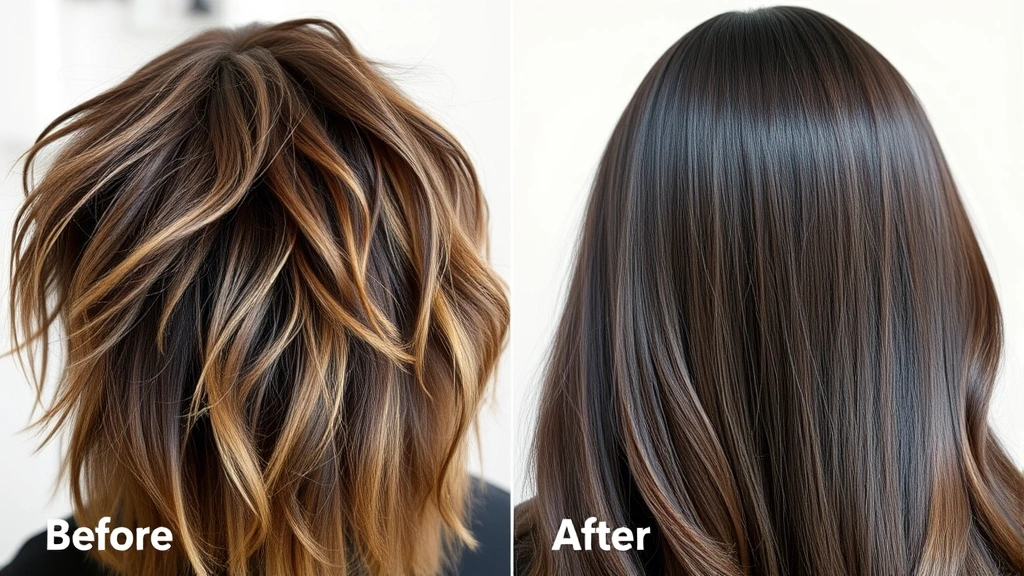
The treatment claims to last approximately 4-6 weeks before requiring a refresher session. Results vary significantly based on individual hair type, damage level, and post-treatment hair care practices. Clients who continue using the home maintenance system typically report longer-lasting benefits than those who don’t invest in the accompanying products.
Who Should Use Biolage Bond Therapy?
Biolage Bond Therapy is specifically formulated for individuals with chemically damaged hair. Ideal candidates include:
- Frequently bleached or highlighted hair: Those who regularly lighten their hair experience significant disulfide bond breakdown and are prime candidates
- Color-treated hair: Any permanent or semi-permanent color application damages protein structures, making this treatment beneficial
- Permed or relaxed hair: Chemical straightening and curling processes are among the most damaging, making bond repair treatments particularly useful
- Heat-damaged hair: Excessive blow-drying and flat-ironing cause cumulative protein loss that this treatment addresses
- Previously damaged hair: Those with visible breakage, split ends, or severe dryness from past treatments
The treatment is less beneficial for those with virgin, undamaged hair, as it’s specifically designed to repair rather than maintain. Additionally, individuals with certain scalp conditions or sensitivities should consult with a dermatologist, as some components may cause irritation in sensitive individuals.
For those interested in alternative therapeutic approaches to wellness, it’s worth noting that hair health connects to overall physical wellbeing, making comprehensive health practices important alongside targeted treatments.
Comparing Bond Therapy to Alternatives
The hair care market offers numerous competing treatments claiming similar benefits. Here’s how Biolage Bond Therapy compares:
Traditional Deep Conditioning Treatments: These are significantly cheaper (typically $15-40 per treatment) but work primarily through surface coating rather than structural repair. They provide temporary cosmetic improvements but don’t address underlying bond damage. Traditional treatments are suitable for maintenance but inadequate for severely damaged hair.
Keratin Treatments: Popular alternatives like Brazilian Keratin Treatments claim to smooth and strengthen hair through protein infusion. However, keratin treatments typically contain formaldehyde, raise health concerns, and primarily create a cosmetic smoothing effect rather than true structural repair. They also tend to fade within 2-3 months.
Olaplex and Similar Bond-Building Systems: Olaplex is a direct competitor using similar bonding chemistry. Independent testing suggests comparable results to Biolage, with similar price points ($200-400 per professional treatment). The main difference is brand reputation and product availability rather than significant efficacy variations.
Protein-Based Treatments: Products containing collagen, hydrolyzed silk, or other proteins offer temporary strengthening through coating. These are inexpensive but provide shorter-lasting results than bonding treatments.
According to research from the Nature Publishing Group, bonding treatments show measurably superior results for chemically damaged hair compared to traditional conditioners when measured through tensile strength testing and protein retention analysis.
Cost and Value Analysis
Biolage Bond Therapy represents a significant investment compared to typical hair treatments. Professional salon treatments typically cost $150-400 depending on geographic location and salon prestige. A recommended initial course of 4 treatments spaced over 8 weeks costs approximately $600-1,600 before considering maintenance treatments.
The at-home maintenance system, which includes Bond Protector shampoo ($20-25), conditioner ($20-25), and optional treatment masks ($30-40), requires ongoing investment to maintain results. Most users spend $40-60 monthly on maintenance products.
To evaluate value, consider the alternative cost of repeated haircuts to remove damaged ends (typically $50-150 per cut, 6-8 times yearly = $300-1,200 annually) or the cost of less effective treatments requiring more frequent applications. For someone with significantly damaged hair, Bond Therapy can reduce overall hair care expenses while providing superior results.
The treatment makes financial sense for individuals who:
- Regularly color or bleach their hair professionally
- Have high-quality hair worth preserving and maintaining
- Experience visible breakage or damage affecting appearance
- Spend significant money on other hair treatments or frequent salon visits
For occasional colorers or those with minimal damage, traditional deep conditioning treatments remain more economical.
Professional vs. At-Home Options
While Biolage Bond Therapy is primarily a professional treatment, the brand offers at-home products. Understanding the differences helps determine the best approach:
Professional Salon Treatment Advantages: Professional applications use more concentrated formulations and include expert assessment of hair damage levels. Stylists can customize treatment intensity based on individual hair needs. The controlled salon environment ensures optimal product contact time and proper rinsing. Professional treatments typically deliver faster, more dramatic results.
Professional treatments also provide accountability and expertise. A trained stylist can identify damage patterns and recommend appropriate treatment frequency. This structured approach is similar to how professional therapeutic services provide specialized guidance compared to self-directed approaches.
At-Home Product Limitations: Biolage’s at-home products are maintenance-focused rather than treatment-focused. They contain lower concentrations of active ingredients and work best after professional treatments establish the initial bond repair. At-home products alone cannot replicate professional treatment results for severely damaged hair.
However, at-home products offer significant advantages: lower cost per application, convenience, consistency (users can apply treatments weekly if desired), and complementary support for professional treatments. The optimal approach combines professional treatments (3-4 times over 2-3 months) with consistent at-home maintenance using the Bond Protector system.
For those exploring comprehensive wellness approaches, understanding that comprehensive self-care practices benefit overall health—including hair health—provides context for investing in quality treatments.
Scientific evidence from the ScienceDirect database shows that combination approaches using professional treatments followed by at-home maintenance produce superior long-term results compared to either approach alone.
FAQ
Does Biolage Bond Therapy actually repair hair or just coat it?
Biolage Bond Therapy combines both approaches. The resorcinol and amino acid complex targets actual disulfide bond repair at the molecular level, while silicones and proteins provide cosmetic coating benefits. Independent laboratory testing suggests genuine structural repair occurs, though the extent varies based on damage severity and application consistency. The most noticeable immediate improvements are cosmetic (shine, smoothness), while structural strengthening becomes evident over multiple treatments.
How long do results last?
Professional treatment results typically last 4-6 weeks before fading noticeably. However, cumulative benefits from repeated treatments persist longer. Users who maintain consistent at-home care experience sustained improvements even between professional sessions. Hair naturally sheds and grows, so permanent repair is impossible—ongoing maintenance is necessary for continued benefits.
Can Biolage Bond Therapy replace cutting damaged ends?
No. Split ends cannot be repaired; they must be cut. However, Bond Therapy prevents future splitting by strengthening the hair shaft, reducing the frequency of necessary trims. For existing split ends, cutting remains the only solution, but treating the remaining hair prevents new damage.
Is Biolage Bond Therapy suitable for all hair types?
The treatment works on all hair types but is most beneficial for damaged hair. Fine or thin hair may experience temporary weight from the treatment, making lighter application appropriate. Curly and textured hair typically responds well due to higher damage rates from chemical treatments. Those with sensitive scalps should perform patch tests first.
How does Biolage Bond Therapy compare to Olaplex?
Both use similar bonding chemistry and deliver comparable results. The main differences are brand positioning, product availability, and price. Olaplex is more widely available in retail settings, while Biolage is more salon-focused. Performance differences are minimal based on independent testing.
Can I use Bond Therapy on natural hair without chemical damage?
While technically possible, it’s not recommended. The treatment is specifically formulated for chemically damaged hair and provides minimal benefit for healthy, undamaged hair. Overuse on healthy hair could potentially cause buildup without corresponding benefit.
What’s the difference between Bond Therapy and the at-home products?
Professional Bond Therapy treatments contain higher concentrations of active bonding agents and are applied under controlled salon conditions for extended contact time. At-home products are maintenance-focused with lower active ingredient concentrations. Professional treatments deliver dramatic repairs; at-home products maintain results between professional sessions.
Is Bond Therapy worth the investment?
For individuals with significantly damaged hair from frequent coloring, bleaching, or chemical treatments, the investment typically pays off through reduced cutting frequency, improved hair appearance, and better overall hair health. For those with minimal damage or occasional color treatments, traditional conditioners may suffice. Consider your hair maintenance budget and damage level when deciding.
For comprehensive wellness approaches including hair health, exploring resources on therapeutic practices reminds us that overall wellbeing—physical and mental—contributes to hair health through reduced stress and improved nutrition.
Can men use Biolage Bond Therapy?
Absolutely. While marketed toward all genders, men with chemically treated or damaged hair benefit equally. Men with bleached, highlighted, or permed hair experience the same protein loss and benefit from identical repair treatments.