Can Biolage Bond Therapy Boost Hair Health? Expert Insights
Hair damage is one of the most common concerns affecting millions of people worldwide, whether from chemical treatments, heat styling, environmental stressors, or natural aging. The quest for effective hair restoration solutions has led to numerous innovations in the beauty and wellness industry. One product that has gained significant attention in recent years is Biolage Bond Therapy, a specialized hair treatment system designed to repair and strengthen damaged hair at the molecular level.
Biolage Bond Therapy represents a modern approach to hair care, combining advanced scientific research with botanical ingredients to address the root causes of hair damage. But does it actually work? This comprehensive guide explores the science behind Biolage Bond Therapy, examines expert opinions, and provides evidence-based insights to help you determine whether this treatment could be beneficial for your hair health.
What Is Biolage Bond Therapy?
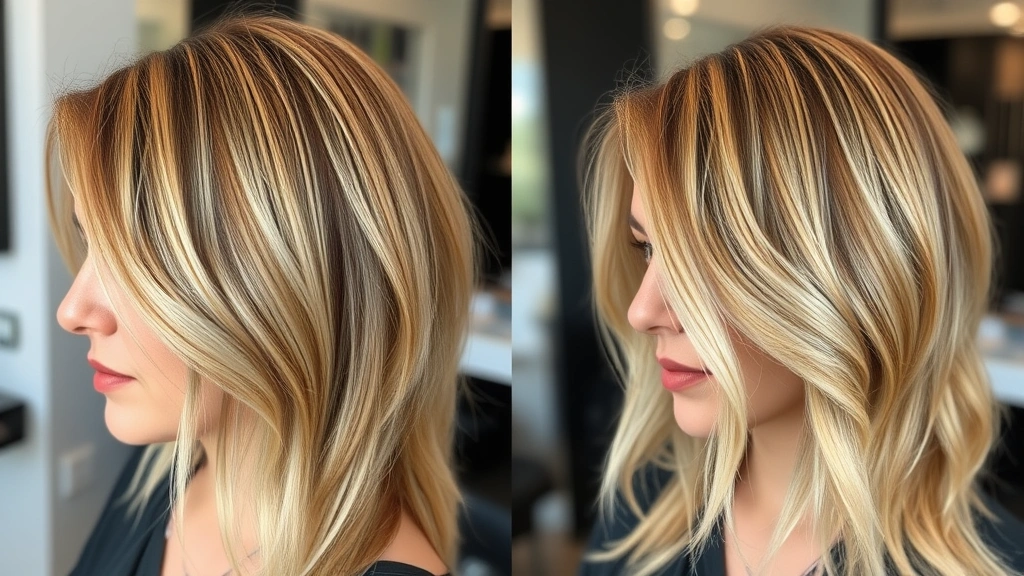
Biolage Bond Therapy is a professional hair care system developed by Matrix, a subsidiary of L’Oréal, specifically designed to repair and restore compromised hair. The system works by targeting broken bonds within the hair structure that occur as a result of chemical treatments, heat damage, and environmental stress. Unlike traditional conditioners that merely coat the hair surface, Biolage Bond Therapy is formulated to penetrate deeper into the hair shaft and restore structural integrity from within.
The treatment system typically includes several components: a shampoo, conditioner, and specialized treatment masks or serums. The synergistic combination of these products is intended to work together to rebuild damaged hair bonds progressively with each application. This multi-step approach represents a shift from single-product solutions toward comprehensive hair care systems that address damage holistically.
When exploring therapy resources and articles, you’ll find that many wellness professionals recognize the importance of treating the whole person—and similarly, comprehensive hair care treats the whole hair structure rather than just surface symptoms.
The Science Behind Bond Therapy Technology
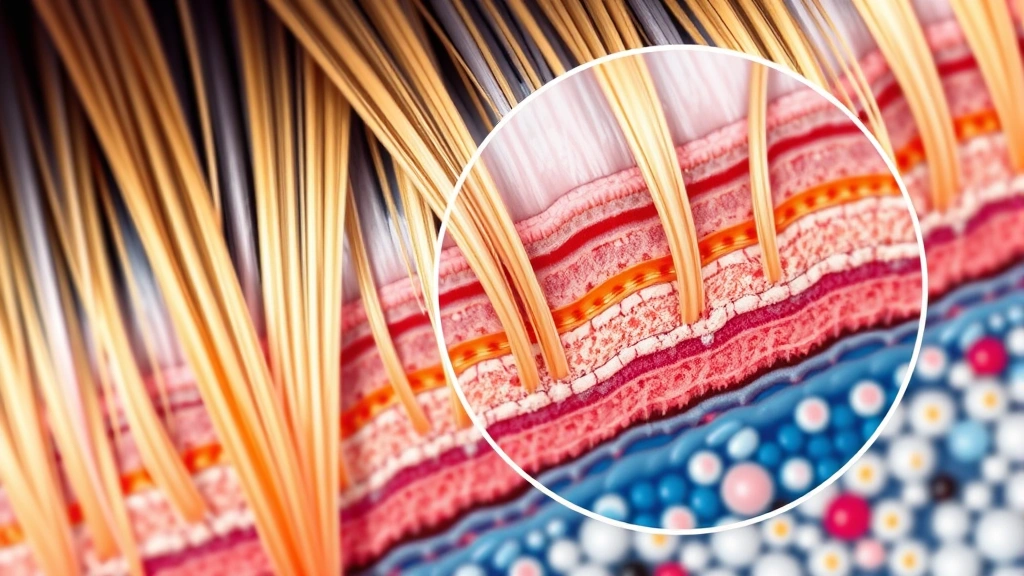
The fundamental premise of Biolage Bond Therapy rests on understanding hair structure and damage mechanisms. Hair is composed primarily of a protein called keratin, organized in a complex structure with multiple layers: the cuticle (outer protective layer), cortex (middle structural layer), and medulla (inner core). When hair experiences damage from chemical treatments, excessive heat, or physical stress, the bonds holding this structure together weaken or break entirely.
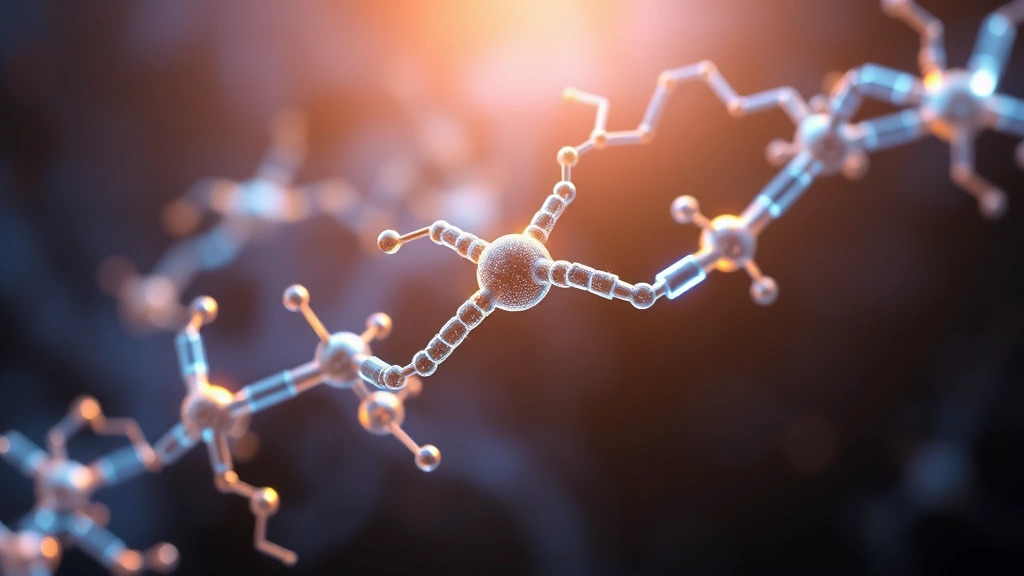
The primary bonds affected are hydrogen bonds and disulfide bonds. Hydrogen bonds are relatively weak and easily disrupted by moisture and heat, while disulfide bonds are stronger and primarily affected by chemical treatments like coloring, relaxing, or perming. Biolage Bond Therapy targets both types of bonds, attempting to restore and reinforce them through its proprietary formula.
Research published in the Journal of Cosmetic Dermatology indicates that products containing certain amino acids and proteins can help strengthen hair structure and reduce breakage. Biolage Bond Therapy incorporates hydrolyzed proteins and amino acids that theoretically can penetrate the hair cortex and help rebuild these essential bonds. The treatment also includes conditioning agents that help seal the cuticle layer, reducing further moisture loss and damage.
Studies on similar bond-repair technologies show measurable improvements in hair strength and elasticity when used consistently. A PubMed search reveals multiple peer-reviewed studies documenting the effectiveness of protein-based hair treatments in reducing breakage and improving hair quality metrics.
Key Ingredients and Their Benefits
Understanding the active ingredients in Biolage Bond Therapy helps explain how the system works and what benefits you might expect. The formulation includes several key components, each with specific functions:
- Hydrolyzed Keratin: Provides amino acids that integrate into the hair structure, helping to rebuild damaged areas and restore strength. Keratin is the primary protein in hair, making this ingredient particularly relevant for structural repair.
- Pro-Vitamin B5 (Panthenol): Penetrates the hair shaft to provide moisture and improve elasticity. This ingredient helps reduce frizz and brittleness while adding shine and smoothness.
- Botanical Extracts: Biolage includes various plant-based ingredients that provide antioxidant protection and conditioning benefits without harsh chemicals.
- Ceramides: These lipid molecules help seal the hair cuticle, reducing moisture loss and protecting against environmental damage.
- Amino Acids: Beyond keratin, various amino acids support protein synthesis within the hair and strengthen the overall hair matrix.
The combination of these ingredients works synergistically to address multiple aspects of hair damage. Rather than a single active ingredient doing all the work, the formula relies on complementary components that together create a more comprehensive repair system. This multi-ingredient approach is supported by formulation science research from organizations like the Personal Care Products Council.
For those interested in comprehensive therapeutic approaches across different domains, exploring physical therapy treatment methods demonstrates how multi-faceted approaches often yield better results than single interventions—a principle that applies to hair care as well.
How to Use Biolage Bond Therapy
Proper application is crucial for achieving maximum benefits from Biolage Bond Therapy. The system is designed to be used in a specific sequence for optimal results:
- Cleanse: Begin with the Biolage Bond Therapy shampoo, which gently cleanses without stripping natural oils. Work the shampoo through damp hair, focusing on the scalp and roots, then rinse thoroughly.
- Condition: Apply the corresponding conditioner to mid-lengths and ends of hair. Leave it on for 1-2 minutes to allow penetration, then rinse with cool water to seal the cuticle.
- Treat: For intensive repair, use the treatment mask or serum 1-3 times weekly. Apply to damp hair, focusing on damaged areas, and leave on for the recommended time (typically 5-10 minutes) before rinsing.
- Style: Style hair as usual. Many users report better manageability and reduced frizz when using the complete system.
Consistency is essential for seeing results. Most users report noticeable improvements in hair texture, strength, and appearance after 2-4 weeks of regular use. The system is designed for progressive improvement, with benefits accumulating over time as bonds are gradually restored.
Just as consistent therapeutic interventions produce better results than sporadic treatment, consistent hair care routines yield superior outcomes compared to irregular use.
Real Results: What Users Report
User testimonials and reviews provide valuable insight into the real-world effectiveness of Biolage Bond Therapy. Across multiple beauty retailer platforms and professional salons, the product receives generally positive feedback, with many users reporting tangible improvements in their hair condition.
Common positive results reported include:
- Reduced breakage and split ends within 2-3 weeks of use
- Improved hair elasticity and flexibility
- Enhanced shine and smoothness
- Better manageability and reduced frizz
- Improved texture in previously damaged hair sections
- Faster hair growth with fewer breakage incidents
However, results vary significantly based on individual factors including hair type, severity of damage, and consistency of use. Users with severely damaged hair from multiple chemical treatments report more dramatic improvements than those with mild damage. Additionally, users who follow the complete system (shampoo, conditioner, and treatment) consistently report better results than those using only one or two products.
Some users note that results plateau after several months, suggesting that the product is most effective for actively damaged hair rather than as a permanent maintenance solution. This finding aligns with the scientific understanding that once hair bonds are restored, maintenance shifts to prevention rather than intensive repair.
Comparing Bond Therapy to Other Hair Treatments
The hair care market offers numerous alternatives to Biolage Bond Therapy, each with different mechanisms and effectiveness levels. Understanding how Bond Therapy compares to other popular treatments helps contextualize its value proposition:
Keratin Treatments: Traditional keratin treatments provide smoothing and shine but don’t actually repair broken bonds—they temporarily coat the hair. Biolage Bond Therapy claims to work at a deeper structural level, making it potentially more effective for actual damage repair rather than cosmetic improvement.
Protein-Based Masks: Many affordable protein masks provide similar ingredients to Bond Therapy but in simpler formulations. While these can be effective, they typically lack the comprehensive system approach and advanced research backing that Biolage Bond Therapy provides.
Professional Salon Treatments: High-end salon treatments like Olaplex or K18 operate on similar bond-repair principles to Biolage Bond Therapy but often at significantly higher price points. Biolage Bond Therapy offers comparable technology at more accessible pricing.
Natural and DIY Remedies: Coconut oil, argan oil, and other natural treatments provide conditioning benefits but lack the targeted bond-repair mechanism of scientifically formulated systems. They work more as preventative maintenance than active repair.
For individuals exploring various wellness and health approaches, similar comparative thinking applies when considering speech therapy options or other professional services—understanding the different approaches helps identify the best fit for individual needs and circumstances.
Expert Recommendations for Hair Health
Dermatologists, trichologists, and professional hair stylists generally acknowledge that Biolage Bond Therapy represents a legitimate approach to hair damage repair. However, experts emphasize that products alone cannot solve all hair problems—comprehensive hair health requires a multi-faceted approach.
Prevention is Paramount: Experts consistently recommend minimizing damage causes before relying on repair treatments. This includes reducing heat styling frequency, limiting chemical treatments, using heat protectant products, and protecting hair from environmental stressors like UV radiation and pollution.
Scalp Health Matters: Healthy hair grows from a healthy scalp. Experts recommend using appropriate shampoos for your scalp type and maintaining scalp cleanliness and balance. The scalp microbiome significantly influences hair quality, and products that support scalp health contribute to overall hair improvement.
Nutrition and Hydration: Hair health begins from within. Adequate protein intake, B vitamins, iron, zinc, and biotin support healthy hair growth and strength. Proper hydration also affects hair elasticity and resilience. These internal factors work in conjunction with topical treatments for optimal results.
Professional Assessment: For severe hair damage or persistent hair problems, consulting with a professional trichologist or dermatologist ensures proper diagnosis and treatment recommendations. What appears to be bond damage might actually be other types of hair problems requiring different solutions.
Research from the American Academy of Dermatology supports the importance of comprehensive approaches to hair health that combine professional treatments, preventative practices, and lifestyle factors.
Additionally, just as professionals in fields like occupational therapy careers emphasize holistic client assessment and individualized treatment plans, hair care professionals increasingly recognize that personalized approaches yield better outcomes than one-size-fits-all solutions.
FAQ
How long does it take to see results from Biolage Bond Therapy?
Most users report noticeable improvements within 2-4 weeks of consistent use, though results vary based on hair damage severity and product usage consistency. Full benefits typically become apparent after 8-12 weeks of regular application.
Is Biolage Bond Therapy suitable for all hair types?
The system is formulated to work with various hair types, though specific product variations exist for different needs (fine hair, color-treated hair, etc.). However, individuals with very fine or delicate hair should consult product descriptions carefully or perform a patch test first.
Can Biolage Bond Therapy replace professional salon treatments?
While Biolage Bond Therapy provides professional-quality results at home, it may not completely replace intensive professional treatments for severely damaged hair. However, it can complement professional treatments and maintain results between salon visits.
How much does Biolage Bond Therapy cost?
Pricing varies by retailer and product format, but typically ranges from $20-40 for shampoo and conditioner, with treatment masks or serums ranging from $15-35. This positions it as mid-range pricing—more affordable than luxury salon brands but more expensive than basic drugstore products.
Are there any side effects or contraindications?
Biolage Bond Therapy is generally well-tolerated, though individuals with specific ingredient sensitivities should review the full ingredient list. Patch testing is recommended for those with sensitive scalps or known allergies to hair care products.
Does Biolage Bond Therapy contain harmful chemicals?
The formulation is designed to be relatively gentle, though it does contain some synthetic ingredients common in professional hair care products. It’s free from sulfates and parabens, making it suitable for color-treated and chemically processed hair.
Can men use Biolage Bond Therapy?
Yes, the system works on damaged hair regardless of gender. Men experiencing hair damage from styling, chemical treatments, or environmental stress can benefit from the treatment just as women can.