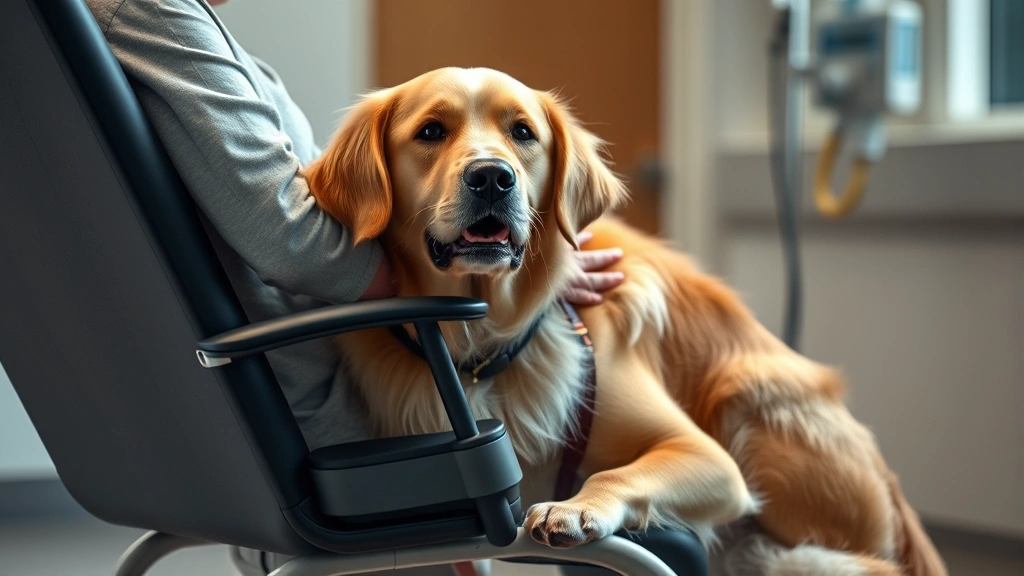
Therapy Dogs and Mental Health: Expert Insights
The bond between humans and dogs has existed for thousands of years, but only in recent decades has science begun to rigorously examine how canine companionship impacts mental health. Therapy dogs represent a specialized intersection of veterinary science, psychology, and animal behavior, offering measurable benefits to individuals struggling with anxiety, depression, PTSD, and various other mental health conditions. Unlike emotional support animals or service dogs, therapy dogs undergo rigorous training and certification to work in clinical settings, hospitals, schools, and therapeutic facilities where they provide structured interventions under professional supervision.
Mental health professionals worldwide are increasingly recognizing that best therapy dogs can serve as powerful adjuncts to traditional treatment modalities. Research from institutions like the American Psychological Association demonstrates that human-animal interaction triggers physiological changes including reduced cortisol levels, lowered blood pressure, and increased oxytocin production—the neurochemical associated with bonding and trust. This article explores the evidence-based benefits of therapy dogs, examines which breeds excel in therapeutic roles, and provides expert insights into how mental health practitioners are leveraging canine assistance to enhance treatment outcomes.
How Therapy Dogs Impact Mental Health
Therapy dogs function as biological regulators of the human nervous system. When individuals interact with trained therapy dogs, their sympathetic nervous system—responsible for the fight-or-flight response—downregulates while the parasympathetic nervous system activates, promoting relaxation and emotional stability. Research published in Frontiers in Psychology indicates that just 15 minutes of petting a dog can significantly reduce anxiety markers and improve mood across diverse populations.
The mechanisms through which therapy dogs benefit mental health operate on multiple levels. Neurochemical changes occur immediately upon contact, with studies showing 300% increases in oxytocin levels during human-canine interaction. Social facilitation happens when therapy dogs serve as social bridges, helping individuals with social anxiety or autism spectrum disorder engage more comfortably with others. Behavioral reinforcement occurs as dogs provide non-judgmental, consistent positive feedback, which proves particularly valuable for individuals with depression or low self-worth.
Individuals recovering from trauma report that therapy dogs provide grounding techniques during flashbacks. The physical act of touching a dog’s fur activates sensory pathways that interrupt rumination and intrusive thoughts. For those with PTSD, therapy dogs offer specialized benefits including alert capabilities and emotional regulation support that complement traditional exposure therapy and cognitive processing interventions.

Best Therapy Dog Breeds for Mental Health
Not all dogs possess the temperament, size, and trainability necessary for therapeutic work. Mental health professionals and animal behaviorists have identified specific breeds that consistently demonstrate the characteristics required for effective therapy dog roles.
Golden Retrievers remain the gold standard for therapy work. Their intelligence, gentle disposition, and eagerness to please make them ideal for hospital and clinical environments. They tolerate prolonged physical contact, remain calm in stimulating environments, and typically weigh between 55-75 pounds—substantial enough to provide physical pressure (beneficial for anxiety) without being intimidating.
Labrador Retrievers share similar advantages to Golden Retrievers, with slightly higher energy levels that some therapists prefer for individuals requiring more interactive engagement. Their natural enthusiasm for human connection and trainability have made them favorites in psychiatric hospitals and rehabilitation facilities.
Poodles (Standard size) offer hypoallergenic coats, which proves crucial in healthcare settings where allergen management is essential. Their intelligence ranks among the highest of all dog breeds, enabling them to learn complex behavioral protocols and respond to nuanced emotional cues.
Cavalier King Charles Spaniels excel in therapy work despite their smaller size (13-18 pounds). Their exceptional empathic sensitivity allows them to detect emotional distress and respond with comfort-seeking behaviors. They’re particularly effective for individuals with anxiety disorders and those in hospice or palliative care settings.
Bernese Mountain Dogs provide a calming presence through their large, sturdy frames and patient temperament. Their natural inclination toward human bonding and calm demeanor make them excellent for trauma survivors and individuals with severe anxiety.
When selecting best therapy dogs for specific mental health conditions, therapists consider breed characteristics alongside individual dog personality assessments. A dog’s ability to remain calm during unpredictable interactions, tolerate handling by multiple individuals, and respond consistently to commands matters more than breed alone.
Training and Certification Requirements
Therapy dog certification involves rigorous evaluation processes administered by organizations like the American Kennel Club Therapy Dog Program and the International Association of Canine Professionals. These certifications ensure that dogs meet behavioral standards necessary for safe, effective therapeutic interactions.
The certification process typically requires:
- Behavioral assessment: Dogs must demonstrate stable temperament, predictable responses to stimuli, and absence of aggression or fear-based reactivity
- Obedience training: Commands including sit, stay, down, and heel must be executed reliably in varied environments
- Socialization exposure: Certified therapy dogs must remain calm around wheelchairs, crutches, loud noises, medical equipment, and individuals exhibiting unusual behaviors
- Handler training: The human partner must complete courses in canine body language, therapeutic interaction techniques, and ethical practice standards
- Ongoing education: Most certifications require annual renewals and continued professional development
Organizations like the Delta Society have established evidence-based standards for therapy dog programs. Their research indicates that dogs receiving comprehensive training demonstrate significantly better outcomes in clinical settings compared to untrained companion animals.

Therapy Dogs in Clinical Settings
Mental health clinicians increasingly integrate therapy dogs into various treatment modalities. In psychiatric hospitals, therapy dogs participate in group sessions where their presence reduces tension and facilitates more open communication among participants. Individuals who struggle to articulate emotions verbally often find it easier to express feelings while petting a dog, creating therapeutic breakthroughs that might otherwise take weeks to achieve.
For individuals receiving speech therapy or working through communication difficulties, therapy dogs serve as non-threatening interaction partners. The low-pressure environment of interacting with a dog allows individuals to practice social skills and communication techniques in a judgment-free context.
In university counseling centers, therapy dogs have become standard offerings during high-stress periods like midterms and final exams. Research from the American College Health Association documents that brief canine-assisted interventions reduce test anxiety and improve academic performance among students experiencing mental health challenges.
Therapists working with trauma survivors report that therapy dogs facilitate safer emotional processing. The dog’s unconditional acceptance and consistent positive responses help trauma survivors rebuild their capacity for trust and emotional safety. This proves particularly valuable when combined with traditional trauma-focused cognitive behavioral therapy approaches.
Individuals with depression benefit from the structure and responsibility that therapy dog interactions provide. Even brief daily interactions with therapy dogs in clinical settings have been shown to increase motivation, reduce anhedonia (inability to experience pleasure), and improve social engagement—core components of depression treatment.
Integration with Other Therapeutic Approaches
Effective therapy dog programs don’t replace traditional mental health treatment; rather, they complement evidence-based interventions. Mental health professionals are discovering optimal integration strategies that maximize therapeutic benefits while maintaining clinical rigor.
Therapists combining therapy for breakups and relationship trauma with canine assistance report enhanced outcomes. Dogs provide emotional support during vulnerable disclosures, facilitate grounding techniques when clients become emotionally dysregulated, and model unconditional acceptance that counters shame narratives common in relationship trauma.
Occupational therapists have begun incorporating therapy dogs into treatment protocols for individuals with attention and executive functioning challenges. The responsibility of interacting with a therapy dog—remembering feeding schedules, practicing gentle handling techniques, understanding canine body language—engages cognitive systems and provides natural rewards for behavioral compliance.
For individuals seeking occupational therapy services, therapy dogs can be integrated into functional rehabilitation programs. The motivation to interact with a dog often increases engagement in therapeutic exercises, improving treatment adherence and outcomes.
Research from institutions like the American Psychological Association suggests that multimodal approaches—combining therapy dogs with cognitive-behavioral therapy, mindfulness practices, and medication management when appropriate—produce superior outcomes compared to single-intervention models. The synergistic effect of biological regulation through canine interaction combined with cognitive restructuring and skill-building creates robust, lasting change.
Mental health professionals emphasize that therapy dog effectiveness depends on systematic implementation. Dogs introduced randomly or without clear therapeutic objectives show minimal impact. Conversely, dogs integrated into structured treatment protocols with defined goals, measurement systems, and professional oversight demonstrate measurable improvements in client outcomes across diverse diagnostic categories.
FAQ
What’s the difference between therapy dogs and emotional support animals?
Therapy dogs undergo professional training and certification, work in clinical settings under professional supervision, and provide therapeutic benefits to multiple individuals. Emotional support animals provide comfort through companionship but don’t require formal training or certification and typically support one individual owner.
Can any dog become a therapy dog?
Not all dogs possess the necessary temperament, trainability, and behavioral stability for therapy work. Dogs must pass rigorous behavioral assessments, complete extensive training, and demonstrate consistent calm responses to varied stimuli and interactions.
How long does therapy dog training take?
Comprehensive therapy dog training typically requires 12-24 months. This includes foundational obedience (3-6 months), socialization and desensitization (6-12 months), and task-specific therapeutic training (3-6 months), followed by certification evaluation.
Are therapy dogs effective for severe mental illness?
Research demonstrates that therapy dogs provide measurable benefits for individuals with severe mental illness including schizophrenia, bipolar disorder, and severe depression. However, dogs should supplement, not replace, evidence-based psychiatric treatment including medication and psychotherapy.
How do I find a mental health professional who uses therapy dogs?
Contact your local mental health associations, hospital psychology departments, or search directories maintained by therapy dog certification organizations. Many university counseling centers and specialized trauma clinics now offer canine-assisted therapy services.
What mental health conditions benefit most from therapy dogs?
Anxiety disorders, PTSD, depression, autism spectrum disorder, and social anxiety show the strongest evidence for therapy dog benefits. However, research continues to identify applications across diverse diagnostic categories and treatment contexts.