
Eczema Stress Link: How Mindfulness Can Help
Eczema affects millions of people worldwide, and while topical treatments like Aveeno Eczema Therapy Itch Relief Balm provide immediate comfort, the root cause often extends deeper than skin-level irritation. Scientific research increasingly reveals a powerful connection between psychological stress and eczema flare-ups, creating a bidirectional relationship where stress worsens eczema, and eczema-related discomfort amplifies stress. Understanding this mind-body link opens new therapeutic pathways that complement traditional dermatological treatments.
The intersection of mental health and skin conditions represents one of the most significant breakthroughs in modern dermatology. When stress hormones flood the body, they trigger inflammatory responses that compromise the skin barrier, making eczema symptoms intensify dramatically. Conversely, the constant itching and visible skin damage associated with eczema create emotional distress, perpetuating a destructive cycle. Mindfulness-based interventions offer a scientifically-backed approach to interrupt this pattern, providing relief that works alongside conventional treatments.
Understanding the Eczema-Stress Connection
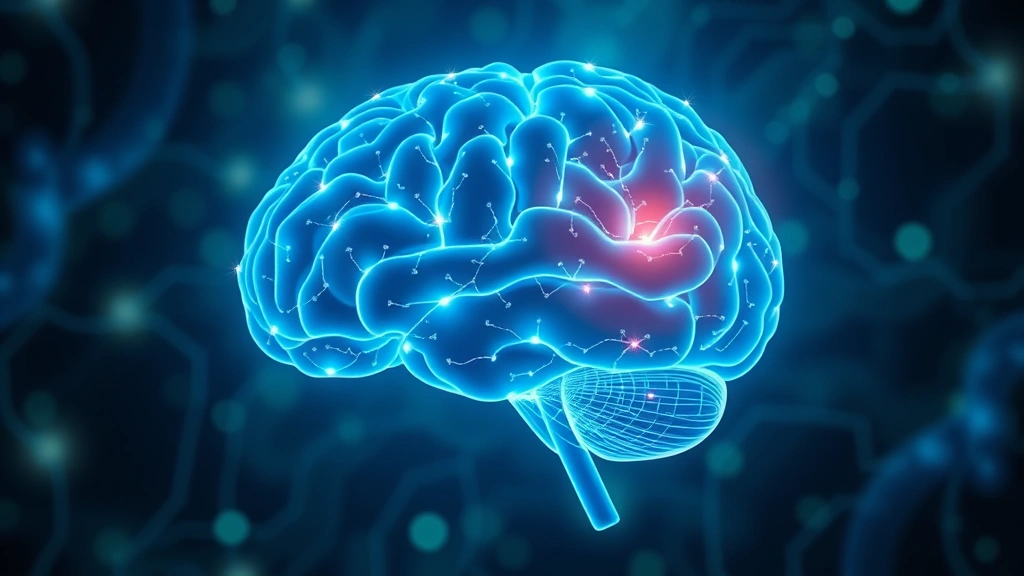
The relationship between psychological stress and eczema is not merely anecdotal—it is grounded in neurobiology and immunology. The skin serves as a mirror of internal emotional states, responding to stress signals through the hypothalamic-pituitary-adrenal (HPA) axis, a central stress response system. When activated, this system releases cortisol and other stress hormones that suppress immune regulation, leading to heightened inflammatory responses in the skin.
Atopic dermatitis, the most common form of eczema, involves a compromised skin barrier and dysregulated immune function. Stress exacerbates both conditions by increasing skin permeability and promoting pro-inflammatory cytokine production. Research published in Nature Reviews Immunology demonstrates that psychological stress significantly alters immune cell distribution and function, directly impacting skin health. This explains why individuals with eczema often report that stressful life events—work deadlines, relationship conflicts, or major transitions—precede their worst flare-ups.
Beyond the physiological mechanisms, the psychological burden of living with visible skin conditions cannot be understated. Social anxiety, reduced self-esteem, and sleep disruption from nighttime itching create a feedback loop where emotional distress perpetuates skin inflammation. Breaking this cycle requires addressing both the physical symptoms and the psychological components of the condition.
How Stress Triggers Eczema Flare-Ups
Stress triggers eczema through multiple interconnected pathways. First, stress hormones directly affect skin barrier function. Cortisol, released during stress responses, reduces the production of ceramides and other lipids essential for maintaining skin hydration and protective function. This barrier compromise allows irritants and allergens to penetrate more easily, triggering inflammatory cascades.
Second, stress alters the composition of skin microbiota. The bacterial communities living on our skin play crucial roles in immune regulation and barrier maintenance. Stress-induced changes in skin pH and sebum production shift these microbial populations, often increasing colonization by pathogenic bacteria like Staphylococcus aureus, which is frequently found in eczema lesions and perpetuates inflammation.
Third, stress amplifies itch perception through central nervous system sensitization. The brain’s pain and itch processing regions become hyperresponsive during psychological stress, meaning the same level of skin irritation feels more intense. This explains why stressed individuals scratch more vigorously and frequently, causing additional barrier damage and infection risk. The scratching itself releases inflammatory mediators, creating a vicious cycle of itch-scratch-inflammation.
Additionally, stress impairs sleep quality, which has profound implications for skin health. During deep sleep, the body increases blood flow to the skin and rebuilds the skin barrier. Stress-induced insomnia prevents this regenerative process, leaving the skin more vulnerable to irritation. Poor sleep also dysregulates immune function, shifting responses toward pro-inflammatory patterns characteristic of eczema.
The Role of Mindfulness in Eczema Management
Mindfulness—defined as non-judgmental awareness of present-moment experience—offers a powerful intervention point in this stress-eczema cycle. By training attention and awareness, mindfulness reduces the physiological stress response, thereby decreasing cortisol production and inflammatory signaling. Simultaneously, mindfulness addresses the psychological components of eczema, including anxiety, depression, and the distress associated with visible skin symptoms.
Research demonstrates that mindfulness interventions reduce activity in the amygdala, the brain’s emotional processing center, while strengthening prefrontal cortex regions associated with emotional regulation and rational thinking. This neural retraining helps individuals respond to stress more adaptively rather than triggering the full stress cascade that exacerbates eczema.
Mindfulness also addresses the itch-scratch cycle directly. Through mindfulness practices, individuals develop the ability to observe itching sensations without automatically reacting through scratching. This metacognitive awareness creates space between stimulus and response, allowing individuals to make conscious choices rather than responding habitually. Over time, this reduces the behavioral perpetuation of skin damage.
Furthermore, mindfulness improves sleep quality through multiple mechanisms. Regular practice reduces racing thoughts and physical tension that interfere with sleep onset, while also normalizing circadian rhythms disrupted by stress. Better sleep enables the skin’s natural repair processes and enhances immune regulation.
For those seeking complementary approaches, exploring red light therapy near me options may provide additional anti-inflammatory benefits. Additionally, understanding therapy cost considerations helps individuals access professional mental health support alongside dermatological care.
Practical Mindfulness Techniques for Eczema Relief
Several evidence-based mindfulness techniques specifically benefit individuals with eczema:
Body Scan Meditation: This foundational practice involves systematically directing attention through different body regions, noticing sensations without judgment. For eczema sufferers, body scans build awareness of tension patterns and itch sensations while practicing non-reactivity. Regular practice (10-15 minutes daily) reduces the automatic scratch response and increases emotional resilience toward uncomfortable sensations.
Urge Surfing: This technique, derived from acceptance and commitment therapy, involves observing itching urges as waves that naturally rise and fall without requiring action. Practitioners visualize the itch intensity increasing, plateauing, and decreasing, recognizing that scratching is optional. This approach is particularly effective for nighttime itch management.
Loving-Kindness Meditation: This practice cultivates self-compassion and reduces the shame and frustration often accompanying visible skin conditions. By directing phrases of kindness toward oneself and others, practitioners shift from self-criticism to acceptance, reducing the emotional stress that perpetuates flare-ups.
Mindful Breathing: Focused breathing activates the parasympathetic nervous system, counteracting stress responses. Techniques like 4-7-8 breathing (inhale for 4 counts, hold for 7, exhale for 8) or box breathing (equal counts for all phases) can be practiced during stressful moments or before sleep to prevent stress-triggered flare-ups.
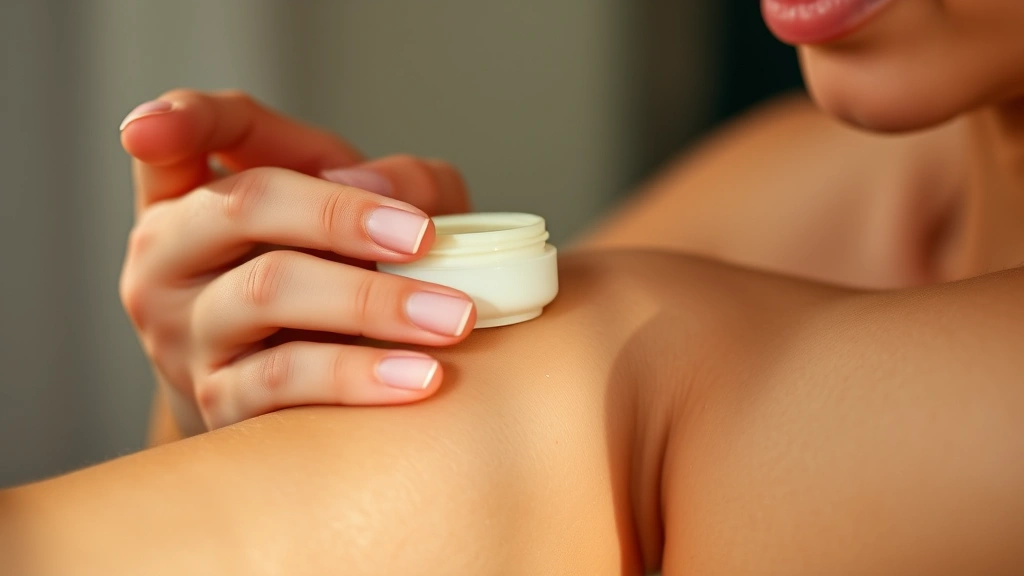
Mindful Application of Topical Treatments: Rather than mechanically applying treatments while distracted, mindful application involves full sensory awareness of texture, temperature, and therapeutic benefits. This transforms self-care into a meditative practice that enhances both psychological well-being and treatment adherence. When applying Aveeno Eczema Therapy Itch Relief Balm, practice slow, deliberate movements while focusing on the soothing sensations and the intention of healing.
Combining Mindfulness with Topical Treatments
Mindfulness practices work synergistically with topical eczema treatments, not as replacements but as complementary approaches. While medications and balms address immediate symptoms and barrier repair, mindfulness prevents stress from undermining these treatments’ effectiveness. This integrated approach maximizes therapeutic outcomes.
Aveeno Eczema Therapy Itch Relief Balm contains colloidal oatmeal and ceramides that restore skin barrier function and provide immediate itch relief. When combined with mindfulness practices, the psychological stress that typically perpetuates eczema cycles is reduced, allowing the balm’s active ingredients to work more effectively. The reduced stress means lower cortisol levels, which supports rather than undermines the skin’s natural healing processes.
Creating a mindful skincare routine enhances treatment compliance and efficacy. Rather than rushing through application, individuals practicing mindfulness dedicate time to carefully cleanse, apply treatments, and moisturize while maintaining present-moment awareness. This ritualistic approach provides both physical benefits and psychological comfort, addressing the holistic nature of eczema management.
Research indicates that individuals combining psychological interventions with standard dermatological care show significantly better outcomes than those using either approach alone. This integrated model recognizes that eczema is not purely a skin condition but a complex interplay of immune, neurological, and psychological factors.
Scientific Evidence Supporting Mindfulness
Numerous clinical trials validate mindfulness interventions for eczema and related inflammatory skin conditions. A landmark study published in Journal of the American Academy of Dermatology found that patients receiving mindfulness-based stress reduction alongside standard dermatological care showed 76% improvement in eczema severity compared to 33% in the control group receiving treatment alone.
Neuroimaging studies demonstrate that regular mindfulness practice produces measurable changes in brain regions associated with stress regulation and emotional processing. These neural changes correlate with reduced inflammatory markers in the blood and improved skin barrier function, providing objective evidence of mindfulness’s biological effects.
Research from leading institutions including Stanford University and Harvard Medical School consistently shows that mindfulness reduces cortisol levels, decreases inflammatory cytokine production, and improves immune regulation—all critical for eczema management. The effects appear dose-dependent, with individuals practicing 20-30 minutes daily showing more substantial improvements than those practicing sporadically.
Long-term follow-up studies reveal sustained benefits, suggesting that mindfulness creates lasting changes in stress responsivity rather than providing only temporary relief. This makes it a valuable long-term strategy for chronic eczema management alongside conventional medical care.
Building a Comprehensive Eczema Management Plan
Effective eczema management requires a multifaceted approach integrating medical, dermatological, and psychological components. Start by consulting with a dermatologist to establish appropriate topical and systemic treatments tailored to your specific eczema type and severity. This might include emollients like Aveeno Eczema Therapy Itch Relief Balm for daily maintenance and barrier repair.
Simultaneously, establish a consistent mindfulness practice. Begin with 5-10 minutes daily, gradually increasing duration as the practice becomes more natural. Numerous apps and online platforms offer guided meditations specifically designed for stress reduction and chronic conditions. Consistency matters more than duration, so daily practice of 10 minutes proves more beneficial than occasional 30-minute sessions.
Consider professional support by exploring MindLift Daily Blog – Therapy Resources and Information for comprehensive guidance on mental health integration. If stress-related factors predominate, working with a therapist trained in cognitive-behavioral therapy or acceptance and commitment therapy provides structured support for psychological aspects of eczema.
Document triggers and patterns in an eczema journal, noting stress levels, sleep quality, mindfulness practice adherence, and skin condition. This data reveals personal patterns and helps optimize your management strategy. Many individuals discover that stress-related flare-ups decrease significantly after 4-6 weeks of consistent mindfulness practice.
Establish healthy lifestyle foundations supporting both skin health and stress resilience: maintain consistent sleep schedules, engage in regular physical activity, limit allergen exposure, and use fragrance-free personal care products. These factors work synergistically with mindfulness and topical treatments.
For individuals interested in exploring additional therapeutic modalities, physical therapy treatment approaches and speech therapy near me resources may provide insights into integrated care models applicable to chronic conditions generally. Understanding occupational therapy jobs and professional approaches to functional living can inspire personal adaptations for eczema management.
FAQ
How quickly does mindfulness help eczema symptoms?
While some individuals notice reduced itch and improved sleep within days, significant improvements typically emerge after 2-4 weeks of consistent practice. Skin barrier repair takes longer, usually 6-12 weeks. The key is maintaining practice during this period, as consistency determines outcomes.
Can mindfulness replace my eczema medications?
No. Mindfulness is a complementary approach that enhances medical treatment effectiveness but does not replace dermatologically prescribed medications or topical treatments. Always consult your dermatologist before modifying prescribed regimens.
What’s the best time to practice mindfulness for eczema relief?
Morning practice sets a calm tone for the day and enhances stress resilience, while evening practice promotes better sleep and reduces nighttime scratching. Practicing before anticipated stressful events provides real-time stress management. Ideally, practice multiple times daily.
Is mindfulness suitable for children with eczema?
Yes. Age-appropriate mindfulness practices help children develop stress management skills early. Simple techniques like breathing exercises and short body scans (5 minutes) work well for younger children, while adolescents can engage with more complex meditation practices.
How does Aveeno Eczema Therapy Itch Relief Balm support mindful skincare?
The balm’s soothing ingredients create pleasant sensory experiences that support mindful application routines. Its effective itch relief enables better focus during meditation and reduces sleep disruption, supporting the overall mind-body healing process.