
Does Mindfulness Improve Mental Health? Studies Confirm
The question of whether mindfulness genuinely improves mental health has moved beyond philosophical debate into the realm of rigorous scientific investigation. Over the past two decades, thousands of peer-reviewed studies have examined the effects of mindfulness-based interventions on anxiety, depression, stress, and overall psychological well-being. The evidence is compelling: mindfulness practices demonstrate measurable improvements in mental health outcomes across diverse populations.
Mindfulness—the practice of maintaining present-moment awareness without judgment—has become increasingly mainstream in clinical settings, workplaces, and wellness programs. From mindfulness-based stress reduction (MBSR) to cognitive behavioral therapy enhanced with mindfulness components, these evidence-based approaches are reshaping how we treat mental health conditions. Understanding the scientific foundation behind mindfulness helps individuals make informed decisions about incorporating these practices into their mental wellness routines, alongside other therapeutic modalities like physical therapy for neurological conditions and complementary therapies such as red light therapy near me.
The Science Behind Mindfulness and Mental Health
Mindfulness operates through multiple physiological and psychological mechanisms that directly impact mental health. When individuals practice mindfulness, they activate the parasympathetic nervous system—the body’s natural relaxation response—which counteracts the fight-or-flight stress response. This shift from sympathetic to parasympathetic activation reduces cortisol levels, decreases heart rate variability, and promotes emotional regulation.
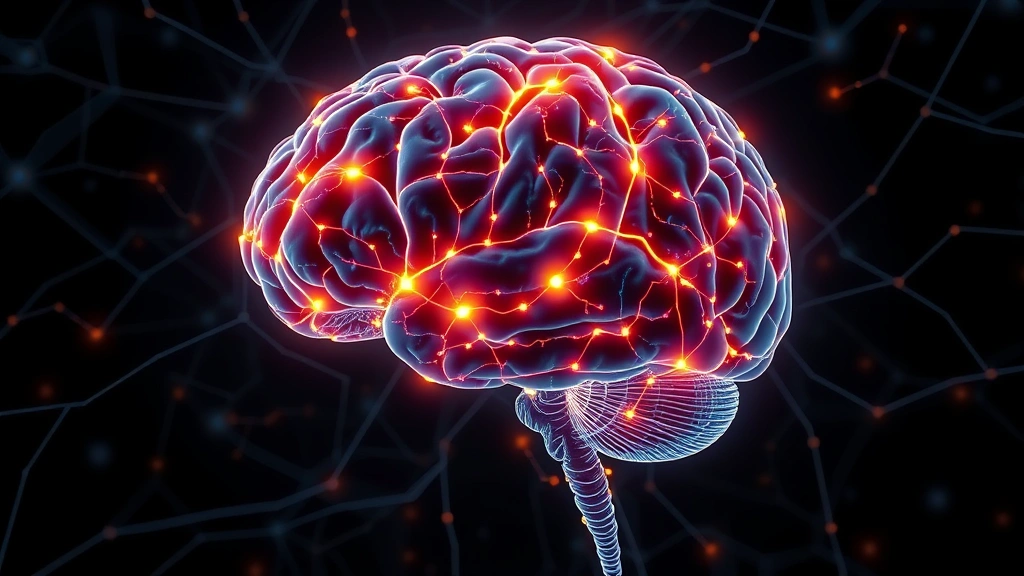
Research from the American Psychological Association demonstrates that mindfulness enhances emotional processing by increasing activity in the prefrontal cortex—the brain region responsible for executive function, decision-making, and emotional regulation. Simultaneously, mindfulness reduces activity in the amygdala, the brain’s emotional alarm center. This neurobiological rebalancing enables individuals to respond to stressors more thoughtfully rather than react impulsively.
The mechanisms through which mindfulness improves mental health include increased self-awareness, improved attention control, enhanced emotional acceptance, and reduced rumination. By training attention to focus on present-moment sensations, mindfulness interrupts the cycle of negative thinking patterns that perpetuate anxiety and depression. This cognitive shift proves particularly valuable for individuals managing chronic stress or trauma-related conditions.

Key Research Studies and Findings
Landmark studies have established mindfulness as an evidence-based intervention for mental health conditions. The most influential research comes from Jon Kabat-Zinn’s pioneering work on Mindfulness-Based Stress Reduction (MBSR), which demonstrated significant improvements in chronic pain, anxiety, and quality of life in clinical populations. MBSR has since become a gold standard intervention taught in hospitals, clinics, and research institutions worldwide.
A comprehensive meta-analysis published in JAMA Psychiatry reviewed 47 trials involving over 3,500 participants and found that mindfulness meditation programs showed moderate evidence of effectiveness for anxiety and depression. The analysis concluded that mindfulness-based interventions produced improvements comparable to antidepressant medications in some cases, with effect sizes ranging from small to medium.
Research specifically examining Mindfulness-Based Cognitive Therapy (MBCT) for depression relapse prevention found that individuals who completed MBCT showed significantly lower relapse rates compared to control groups. Studies tracking participants over 12 months demonstrated that those receiving MBCT maintained their mental health gains longer than those in comparison conditions, suggesting lasting neurobiological changes from consistent practice.
The National Institute of Mental Health has funded multiple studies investigating mindfulness mechanisms at the neural level. These investigations reveal that regular mindfulness practice increases gray matter density in brain regions associated with learning, memory, and emotion regulation while simultaneously reducing gray matter density in the amygdala—the fear-processing center.
Mindfulness for Anxiety and Stress Reduction
Anxiety disorders affect approximately 40 million American adults annually, making effective treatments critically important. Mindfulness-based interventions have emerged as one of the most evidence-supported approaches for anxiety management. Unlike medications, which may carry side effects, mindfulness teaches individuals to observe anxious thoughts and physical sensations without judgment, gradually reducing the perceived threat associated with anxiety symptoms.
Studies examining mindfulness for generalized anxiety disorder demonstrate 50-60% response rates, with many participants achieving clinically significant symptom reductions. The mechanism involves teaching the brain to distinguish between genuine threats and false alarms generated by hypervigilant threat-detection systems. By repeatedly practicing present-moment awareness during moments of anxiety, individuals rewire their nervous system’s threat response.
For workplace stress and burnout, mindfulness interventions have shown remarkable effectiveness. Employees participating in corporate mindfulness programs report reduced stress, improved focus, and enhanced emotional resilience. These workplace benefits extend to healthcare providers, educators, and other high-stress professions. When combined with speech therapy near me or other therapeutic services for those with specific needs, mindfulness provides comprehensive support for mental wellness.
The stress-reduction benefits of mindfulness appear to persist with regular practice. Research tracking practitioners over years shows that individuals who maintain consistent mindfulness routines experience lower baseline cortisol levels and faster recovery from acute stressors compared to non-practitioners. This suggests that mindfulness creates lasting neurobiological changes in stress-response systems.
Depression Management Through Mindfulness
Depression represents one of the most prevalent mental health conditions globally, affecting over 280 million people worldwide according to the World Health Organization. Mindfulness-based interventions address depression through multiple pathways: reducing rumination, increasing behavioral activation, enhancing self-compassion, and improving attention regulation.
Mindfulness-Based Cognitive Therapy (MBCT) specifically targets the rumination patterns that maintain depression. Research shows that depressed individuals typically engage in repetitive negative thinking about past failures and future threats. Mindfulness teaches practitioners to recognize these thought patterns and disengage from them before they spiral into depressive episodes. This skill proves particularly valuable for individuals with recurrent depression who have experienced multiple episodes.
Studies comparing MBCT to antidepressant maintenance therapy found equivalent relapse prevention effects. Importantly, many participants preferred MBCT because it provided them with active coping skills rather than passive medication dependence. For individuals seeking alternatives to medication or those who have not responded adequately to antidepressants, mindfulness-based approaches offer evidence-backed options.
The relationship between mindfulness and self-compassion appears particularly relevant for depression treatment. Depression often involves harsh self-criticism and negative self-judgment. Mindfulness practices cultivate awareness of self-critical thoughts without reinforcing them, while simultaneously developing self-compassion. This emotional shift reduces the shame and hopelessness that intensify depressive symptoms. For comprehensive mental health support, individuals may also explore therapy cost information to understand treatment accessibility options.
Brain Changes Associated with Mindfulness Practice
Modern neuroimaging studies have revealed specific brain changes resulting from mindfulness meditation. These structural and functional changes provide biological evidence for mindfulness’s mental health benefits. Regular practitioners show increased cortical thickness in regions associated with attention, emotional regulation, and self-awareness.
The prefrontal cortex—responsible for executive functions, planning, and emotional control—shows increased activation during mindfulness practice and greater thickness with long-term practice. Simultaneously, the default mode network (DMN), which becomes active during mind-wandering and self-referential thinking, shows reduced activity in meditators. This reduction in DMN activity correlates with decreased rumination and improved emotional well-being.
Functional connectivity studies reveal that mindfulness practice strengthens connections between brain regions involved in attention control and emotional regulation while weakening connections between the amygdala and prefrontal cortex. This neural remodeling essentially enhances the brain’s ability to regulate fear and emotional responses—precisely the capability that reduces anxiety and depression.
Research using positron emission tomography (PET) scans shows that mindfulness practitioners have lower activity in the amygdala during exposure to emotionally provocative stimuli. This neural adaptation explains why experienced meditators report less emotional reactivity to stressful situations. The brain literally learns to respond more calmly to challenges through repeated mindfulness practice.
Long-term meditators—those with 10,000 or more lifetime practice hours—show the most dramatic brain changes. These include increased gray matter density across multiple brain regions, enhanced neural plasticity, and more efficient neural communication. This research suggests that mindfulness effects are dose-dependent, with greater benefits accumulating from consistent, sustained practice.
Integrating Mindfulness with Professional Treatment
While mindfulness shows impressive mental health benefits independently, integration with professional psychological and medical treatment often produces superior outcomes. Mindfulness works synergistically with cognitive behavioral therapy, dialectical behavior therapy, and other evidence-based interventions. Mental health professionals increasingly incorporate mindfulness into comprehensive treatment plans.
For individuals receiving treatment for anxiety disorders, combining mindfulness with cognitive-behavioral techniques addresses both thought patterns and emotional responses. The cognitive work helps identify and challenge unhelpful thoughts, while mindfulness develops the capacity to observe thoughts without being controlled by them. This dual approach addresses anxiety from multiple angles simultaneously.
In addiction recovery, mindfulness-based relapse prevention teaches individuals to notice urges and cravings without automatically acting on them. This non-reactive observation creates space for choice—individuals learn they can experience the discomfort of withdrawal or cravings without needing to use substances. Research demonstrates that mindfulness-based approaches reduce relapse rates and enhance long-term recovery.
For trauma survivors, mindfulness requires careful integration under professional guidance. While mindfulness can help process traumatic memories, poorly implemented practices may trigger re-traumatization. Trauma-informed mindfulness approaches teach grounding techniques and establish safety before addressing trauma-related memories. Mental health professionals trained in trauma-sensitive mindfulness can help survivors benefit from these practices safely.
When combined with other therapeutic services like occupational therapy approaches, mindfulness creates comprehensive wellness strategies. Occupational therapists increasingly incorporate mindfulness into treatment plans for clients managing anxiety, depression, or stress-related occupational dysfunction.
Practical Implementation and Best Practices
Implementing mindfulness effectively requires understanding best practices and realistic expectations. Formal mindfulness practice typically begins with 5-10 minute meditation sessions, gradually increasing to 20-30 minutes as comfort develops. Consistency matters more than duration—daily 10-minute practice produces greater benefits than sporadic longer sessions.
Guided meditation apps and programs facilitate learning for beginners. Research-backed programs like Mindfulness-Based Stress Reduction (MBSR) provide 8-week structured courses combining meditation, body awareness, and yoga. These formal programs produce stronger mental health benefits than informal practice, likely because structured approaches ensure consistency and proper technique.
Body scan meditation, a foundational mindfulness technique, involves systematically directing attention through different body regions while noticing sensations without judgment. This practice enhances body awareness, reduces tension, and activates relaxation responses. Regular body scan practice shows particular effectiveness for anxiety and insomnia.
Mindful breathing—focusing attention on natural breathing patterns—provides an accessible entry point for beginners. When attention wanders, practitioners gently redirect focus to breathing without self-criticism. This simple practice trains attention control and activates parasympathetic responses within minutes.
Informal mindfulness involves bringing present-moment awareness to daily activities: eating, walking, washing dishes, or conversing. These informal practices complement formal meditation and help integrate mindfulness into everyday life. Research suggests that combining formal and informal practice produces optimal mental health benefits.
Important considerations include finding a qualified teacher, managing expectations realistically, and understanding that mindfulness benefits develop gradually. Some individuals experience immediate benefits, while others require weeks or months of consistent practice before noticing changes. Patience and self-compassion during the learning process enhance long-term adherence.
FAQ
How long does it take to see mental health benefits from mindfulness?
Research indicates that measurable benefits often appear within 4-8 weeks of consistent daily practice, though individual timelines vary. Some individuals notice reduced stress or improved focus within days, while others require several months of practice. Consistency matters more than duration—daily 10-minute practice typically produces faster benefits than sporadic longer sessions. Brain imaging studies show structural changes after 8 weeks of MBSR participation.
Can mindfulness replace psychiatric medications?
Mindfulness should not replace prescribed psychiatric medications without professional guidance. However, research shows that mindfulness-based interventions produce mental health improvements comparable to medications in some cases. Many individuals benefit from combining mindfulness practice with medication, particularly during the medication adjustment period or for medication-resistant conditions. Always consult healthcare providers before making medication changes.
Is mindfulness effective for severe mental illness?
Mindfulness shows effectiveness for various severity levels of anxiety and depression, though severe conditions typically require professional treatment integration. For bipolar disorder, psychosis, or acute mental health crises, mindfulness alone proves insufficient. However, mindfulness as part of comprehensive treatment plans helps manage symptoms and reduce relapse rates. Mental health professionals can determine appropriate mindfulness integration for specific conditions.
What’s the difference between mindfulness meditation and other meditation types?
Mindfulness meditation emphasizes present-moment awareness and non-judgmental observation of thoughts and sensations. Other meditation types include concentrative meditation (focusing on a single object), loving-kindness meditation (cultivating compassion), and transcendental meditation (using mantras). While all meditation types offer benefits, mindfulness specifically addresses the rumination and thought patterns underlying anxiety and depression.
Can mindfulness help with sleep problems?
Yes, research demonstrates that mindfulness-based interventions improve sleep quality and reduce insomnia. Mindfulness reduces racing thoughts and physical tension that interfere with sleep. Body scan meditation and mindful breathing prove particularly effective for sleep. Studies show that mindfulness-based approaches produce improvements comparable to sleep medications, with the added benefit of no side effects and sustained benefits after practice ends.
How does mindfulness differ from relaxation techniques?
While relaxation techniques aim to achieve a calm state, mindfulness emphasizes non-judgmental awareness of present-moment experience, including discomfort or difficult emotions. Relaxation is often goal-oriented, whereas mindfulness involves accepting whatever arises without trying to change it. However, both practices activate parasympathetic responses and reduce stress. Many people benefit from combining relaxation techniques with mindfulness practice.