
Chiropractic Therapy: Can It Improve Mental Health?
The connection between physical health and mental well-being has long been recognized in medical science, yet many people remain unaware of how spinal alignment and nervous system function directly influence psychological states. Chiropractic therapy, traditionally known for treating back pain and musculoskeletal conditions, is increasingly being explored for its potential mental health benefits. This emerging field challenges the conventional separation between physical and mental health treatment, suggesting that optimizing spinal function may have profound effects on mood, anxiety, and overall psychological wellness.
Recent research and clinical observations indicate that chiropractic adjustments can influence the nervous system in ways that may reduce stress hormones, improve sleep quality, and enhance emotional regulation. The therapy resources available through mental health platforms now increasingly include complementary approaches like chiropractic care alongside traditional psychological interventions. Understanding the advantages of chiropractic therapy requires examining the biological mechanisms that link spinal health to mental health outcomes.
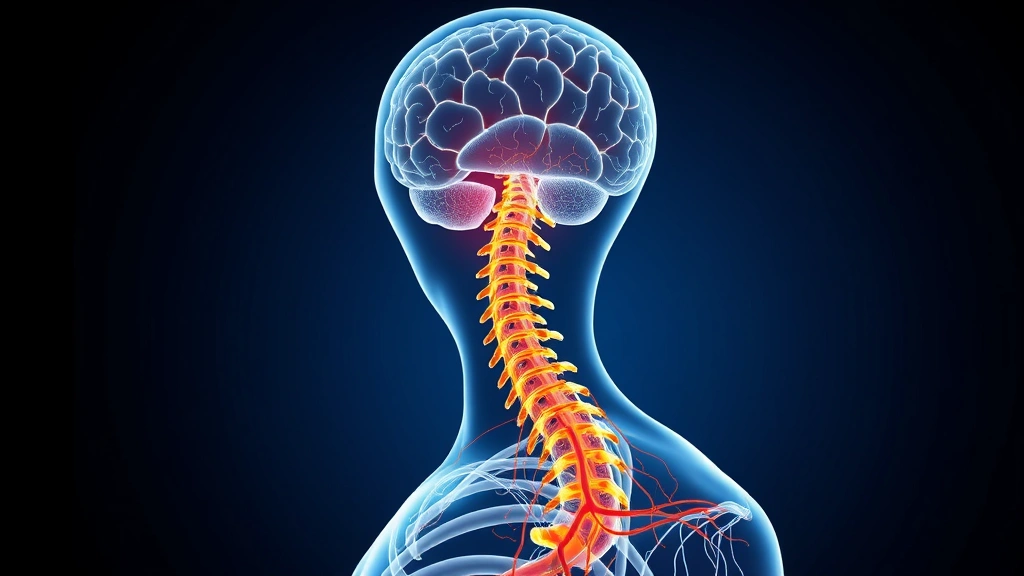
Understanding the Spine-Brain Connection
The human spine serves far more than a structural function—it houses and protects the spinal cord, which is the primary communication highway between the brain and the rest of the body. Misalignments in the vertebrae, known as subluxations in chiropractic terminology, can interfere with nervous system function by creating pressure on nerves and disrupting neural signaling. When the spine is properly aligned, information flows freely between the brain and body, facilitating optimal physiological and psychological functioning.
The autonomic nervous system, which controls involuntary functions like heart rate, digestion, and stress responses, relies heavily on proper spinal alignment. Vertebral misalignments can trigger sympathetic nervous system dominance, keeping the body in a constant state of fight-or-flight readiness. This chronic activation of stress responses has documented links to anxiety disorders, depression, and other mental health conditions. By restoring proper spinal alignment, chiropractic adjustments may help shift the nervous system toward parasympathetic activation, promoting relaxation and emotional balance.
Many practitioners of physical therapy treatment approaches recognize that structural alignment directly impacts neurological function. The spine’s relationship to mental health extends beyond simple nerve compression—it involves complex interactions between mechanical positioning, proprioceptive feedback, and central nervous system regulation.

The Nervous System and Mental Health
The nervous system is fundamentally interconnected with mental health through multiple biological pathways. The vagus nerve, the longest cranial nerve, travels from the brainstem through the neck and spine, innervating organs throughout the body. Proper cervical spine alignment ensures optimal vagal function, which is essential for emotional regulation, social engagement, and stress recovery. Chiropractors focus extensively on cervical alignment for this reason, understanding that neck adjustments can significantly influence vagal tone.
The dorsal vagal complex and ventral vagal system work together to create what researchers call the polyvagal theory—a framework explaining how nervous system states directly correspond to emotional and behavioral responses. When vertebral alignment is compromised, particularly in the cervical region, vagal signaling can be disrupted, contributing to anxiety, depression, and emotional dysregulation. Conversely, improving spinal alignment through chiropractic care may enhance vagal tone, facilitating better emotional processing and stress management.
Proprioception—the body’s ability to sense its position in space—also plays a crucial role in mental health. Spinal receptors provide constant feedback to the brain about body position and movement. When spinal alignment is poor, proprioceptive signaling becomes distorted, potentially contributing to anxiety, dissociation, and poor body awareness. Chiropractic adjustments enhance proprioceptive feedback, which may improve interoception (awareness of internal bodily states) and emotional regulation.
Advantages of Chiropractic Therapy
The advantages of chiropractic therapy extend well beyond treating physical pain, encompassing a range of benefits that directly and indirectly support mental health. One primary advantage is the holistic approach chiropractors take to patient care, recognizing that physical dysfunction invariably affects psychological well-being. Unlike conventional medicine, which often compartmentalizes physical and mental health, chiropractic care views the body as an integrated system where spinal health influences overall wellness.
Another significant advantage is the non-pharmacological nature of chiropractic treatment. While medications for anxiety and depression can be effective, they often come with side effects and dependency risks. Chiropractic care offers a complementary approach that addresses underlying structural issues without pharmaceutical intervention. This makes it particularly appealing for individuals seeking to reduce medication burden or for those who experience adverse effects from psychiatric medications.
Cost-effectiveness represents another advantage, as chiropractic care is generally more affordable than ongoing psychotherapy or psychiatric medication management. Many insurance plans cover chiropractic treatment, making it accessible to a broader population. The cost of various therapy options varies significantly, and chiropractic care often provides good value for patients seeking complementary mental health support.
Empowerment and active participation in healing constitute another crucial advantage. Chiropractic care often includes lifestyle modifications, ergonomic adjustments, and exercises that patients actively implement. This participatory approach enhances self-efficacy and gives individuals a sense of agency in their mental health management, which itself has positive psychological impacts.
Stress Reduction and Cortisol Management
Chronic stress dysregulates the hypothalamic-pituitary-adrenal (HPA) axis, the body’s primary stress response system, leading to elevated cortisol levels. Prolonged cortisol elevation impairs cognitive function, emotional regulation, and immune response while increasing anxiety and depression risk. Research indicates that spinal misalignment can perpetually activate the stress response system, creating a cycle of chronic stress and nervous system dysregulation.
Chiropractic adjustments have been shown in multiple studies to reduce cortisol levels and normalize HPA axis function. A study published in the Journal of Vertebral Subluxation Research found that patients receiving chiropractic care demonstrated significant reductions in salivary cortisol levels, suggesting improved stress management at a biochemical level. When the spine is properly aligned and the nervous system functions optimally, the body’s stress response becomes appropriately calibrated—activating during genuine threats and deactivating during safety.
The mechanism involves both direct nervous system effects and indirect benefits through improved sleep and reduced pain-related stress. As spinal alignment improves, patients often experience better sleep quality, which further supports cortisol normalization through improved circadian rhythm regulation. This cascading effect demonstrates how physical interventions can create psychological benefits through multiple biological pathways.
Additionally, the experience of receiving chiropractic care itself—the therapeutic touch, attention, and care—activates the parasympathetic nervous system through social engagement. This polyvagal-mediated relaxation response contributes to acute stress reduction during and immediately after appointments, and regular treatment creates cumulative effects on baseline stress levels.
Improved Sleep Quality
Sleep quality is fundamental to mental health, yet millions of people struggle with insomnia and sleep disturbances that exacerbate anxiety and depression. Spinal misalignment contributes to sleep problems through multiple mechanisms: physical discomfort prevents comfortable positioning, nervous system dysregulation disrupts sleep architecture, and pain-related stress hormones interfere with sleep-promoting neurotransmitters like serotonin and melatonin.
Chiropractic adjustments, particularly cervical and thoracic spine corrections, can dramatically improve sleep quality by eliminating pain-related sleep disruption and normalizing nervous system function. Patients frequently report falling asleep more easily and experiencing deeper, more restorative sleep following chiropractic treatment initiation. This improvement in sleep quality cascades into significant mental health benefits, as adequate sleep enhances emotional regulation, cognitive function, and resilience against stress.
The relationship between spinal alignment and sleep involves both mechanical and neurological factors. Proper cervical alignment reduces nerve compression that may trigger sleep-disrupting pain signals. Simultaneously, improved nervous system function allows the body to transition more smoothly into parasympathetic dominance, the state necessary for sleep onset and maintenance. Many individuals with anxiety disorders find that chiropractic care, combined with speech therapy and other therapeutic approaches, creates comprehensive wellness that improves sleep alongside addressing specific mental health concerns.
Research on sleep and mental health consistently demonstrates that improving sleep quality reduces anxiety and depression symptoms significantly. Chiropractic care’s ability to enhance sleep therefore represents a powerful, indirect mechanism through which spinal health influences mental well-being.
Pain Relief and Mood Enhancement
Chronic pain and depression are deeply intertwined, with research consistently showing that untreated pain increases depression risk by approximately 40%, while depression increases pain perception and reduces pain tolerance. This bidirectional relationship creates a problematic cycle: pain causes depression, and depression intensifies pain perception. Breaking this cycle requires addressing both components—and chiropractic care directly addresses the physical pain component.
By effectively treating musculoskeletal pain, chiropractic adjustments can interrupt the pain-depression cycle, leading to improved mood and reduced depressive symptoms. Patients report not only physical pain relief but also enhanced emotional well-being, increased motivation, and improved social engagement following successful pain management. The psychological relief of being pain-free cannot be overstated—chronic pain patients often experience profound emotional shifts when pain resolves.
The neurobiological basis involves multiple pathways. Pain activates brain regions associated with emotional suffering, and chronic pain alters neurotransmitter systems, particularly dopamine and serotonin, which are critical for mood regulation. Relieving pain normalizes these neurotransmitter systems and reduces activation of emotional pain centers. Additionally, pain relief restores capacity for physical activity, which itself has powerful mood-enhancing effects through endorphin release and neuroplasticity improvements.
Interestingly, the placebo effect in pain management—which is partly psychological—also has genuine neurobiological effects on pain perception and mood. The therapeutic relationship and positive expectations associated with chiropractic care may amplify pain relief and mood benefits beyond the direct mechanical effects of adjustments.
Research Evidence and Clinical Studies
While chiropractic care has traditionally focused on musculoskeletal conditions, emerging research increasingly documents mental health benefits. A systematic review published in the Journal of Manipulative and Physiological Therapeutics examined multiple studies on spinal manipulation and found consistent associations with improved psychological outcomes, including reduced anxiety and depression scores.
PubMed Central databases contain numerous peer-reviewed studies documenting the effects of spinal manipulation on nervous system function and psychological states. Research from universities including those affiliated with the National Institutes of Health has demonstrated measurable changes in autonomic nervous system balance following chiropractic adjustments, as evidenced by heart rate variability improvements and blood pressure normalization.
A notable study from Palmer College of Chiropractic found that patients receiving chiropractic care for cervical spine conditions showed significant improvements on psychological assessment measures, including reduced anxiety and improved emotional stability, independent of pain relief. This suggests that nervous system effects of spinal adjustment contribute to mental health improvements beyond simple pain reduction.
However, research in this area remains limited compared to conventional mental health treatments. Most studies involve small sample sizes or lack rigorous control conditions. Future research utilizing larger populations, longer follow-up periods, and brain imaging techniques could further elucidate the mechanisms through which chiropractic care affects mental health.
Integrating Chiropractic Care with Mental Health Treatment
The most effective approach to mental health often involves integrated care combining multiple evidence-based interventions. Chiropractic care can complement traditional psychotherapy, psychiatric medication, and other mental health treatments. This integrative approach recognizes that mental health has physical, psychological, and social dimensions, all of which benefit from targeted intervention.
For individuals in psychotherapy, chiropractic care can enhance treatment outcomes by addressing physical tension patterns that often accompany trauma and anxiety. Trauma is stored in the body as muscular tension and postural changes; chiropractic adjustments combined with body awareness work can facilitate trauma processing and recovery. Similarly, individuals taking psychiatric medications may benefit from chiropractic care’s ability to reduce stress and normalize nervous system function, potentially allowing for lower medication doses or improved medication efficacy.
Mental health professionals are increasingly aware of the occupational therapy and other therapeutic modalities that support comprehensive wellness. Chiropractic care fits naturally into this broader therapeutic ecosystem. Practitioners of red light therapy and other complementary approaches often work collaboratively with chiropractors to provide multifaceted treatment addressing both physical and mental health dimensions.
Effective integration requires communication between providers. When mental health professionals understand that their patient is receiving chiropractic care, and chiropractors understand their patient’s mental health history and treatment, coordinated care becomes possible. This collaborative approach ensures consistent messaging about treatment goals and allows providers to observe how interventions interact.
For individuals beginning chiropractic care specifically for mental health benefits, establishing clear goals and realistic expectations is important. While many people experience mood improvements relatively quickly—sometimes within the first few visits—others require several weeks of consistent treatment before noticing psychological changes. Patience and commitment to the treatment plan enhance outcomes.
FAQ
Can chiropractic care replace psychiatric medication for anxiety or depression?
Chiropractic care should not be considered a replacement for psychiatric medication without medical supervision. However, it can serve as an effective complement to medication, potentially enhancing treatment outcomes. Some individuals may eventually reduce medication doses under psychiatric supervision after experiencing improvement through integrated treatment including chiropractic care. Always consult with your psychiatrist before making any medication changes.
How quickly will I notice mental health improvements from chiropractic care?
Timelines vary significantly between individuals. Some people report improved mood and reduced anxiety within a few appointments, while others require 4-8 weeks of consistent treatment before noticing psychological changes. Physical improvements typically precede mental health improvements, as nervous system normalization must occur before mood effects become apparent. Consistency with treatment appointments is crucial for optimal results.
What type of chiropractic treatment is most effective for mental health?
Cervical (neck) and upper thoracic spine adjustments tend to produce the most significant nervous system effects and mental health benefits, due to the proximity of these vertebrae to the brainstem and vagus nerve. However, comprehensive spinal alignment throughout the entire spine optimizes overall nervous system function. Discuss specific mental health goals with your chiropractor to ensure treatment targets the most relevant spinal regions.
Are there any risks to chiropractic care for mental health?
Chiropractic care is generally safe when performed by licensed, trained professionals. Serious adverse events are rare. However, individuals with certain conditions (severe osteoporosis, certain types of cancer, spinal cord compression) require modified or avoided manipulation. Discuss your complete medical history with your chiropractor before beginning treatment, and report any unusual symptoms or concerns during treatment.
How does chiropractic care compare to other complementary mental health approaches?
Chiropractic care is one of many complementary approaches that can support mental health, including yoga, meditation, exercise, and acupuncture. Each offers distinct benefits; chiropractic care specifically addresses structural and neurological factors through spinal manipulation. Combining multiple complementary approaches often produces superior outcomes compared to any single intervention alone.
Can children and adolescents benefit from chiropractic care for mental health?
Yes, children and adolescents can benefit from age-appropriate chiropractic care. Young people often experience stress-related spinal tension and postural problems that contribute to anxiety and mood issues. Pediatric chiropractic care uses gentler techniques appropriate for developing spines and can help establish healthy nervous system function during crucial developmental years. Consult with pediatric chiropractors experienced in treating younger patients.