How Does Mindfulness Aid Recovery? A Therapist’s View
Recovery from physical injury, chronic pain, or mental health challenges represents one of the most demanding journeys a person can undertake. As a practicing therapist with over fifteen years of clinical experience, I’ve witnessed firsthand how mindfulness transforms the recovery process—not as a replacement for evidence-based treatment, but as a powerful complement that accelerates healing and restores quality of life. The integration of mindfulness practices with conventional rehabilitation protocols has emerged as a game-changer in modern therapeutic practice.
The science supporting mindfulness in recovery is robust and compelling. When we engage in mindful awareness during physical rehabilitation or emotional healing, we activate neurological pathways that enhance neuroplasticity—the brain’s remarkable ability to rewire itself. This phenomenon directly impacts how our nervous system responds to pain signals, stress hormones, and recovery milestones. Understanding this connection requires examining the physiological mechanisms at work and the practical applications that therapists employ daily.

The Neuroscience Behind Mindfulness and Recovery
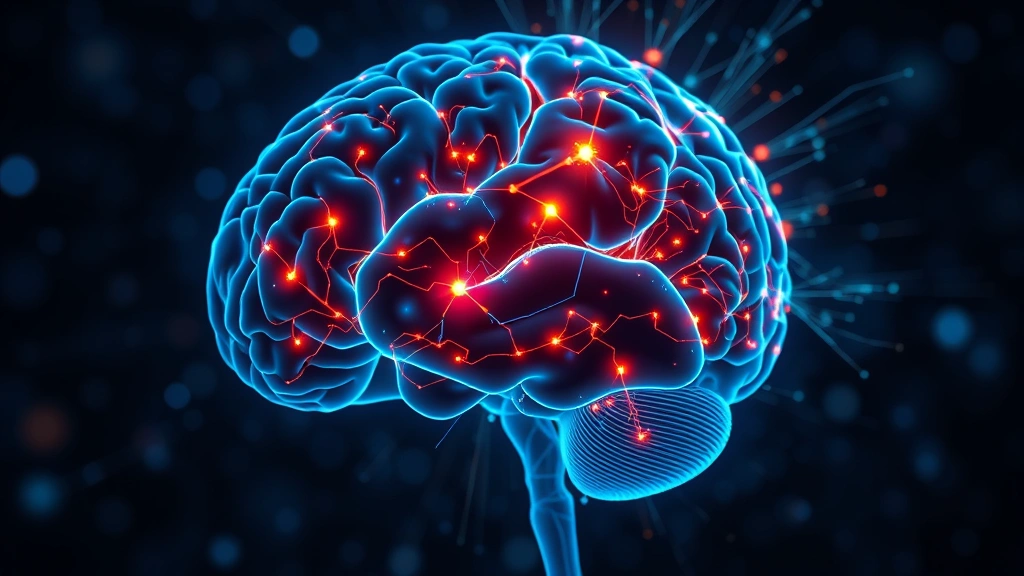
The brain’s capacity to generate action potential—the electrical impulse that allows neurons to communicate—forms the foundation of how mindfulness facilitates recovery. When we practice mindfulness meditation, we’re essentially training our nervous system to generate more controlled, intentional neural firing patterns. This enhanced neural communication directly supports the healing process at a cellular level.
Research published in Nature Reviews Neuroscience demonstrates that consistent mindfulness practice increases gray matter density in regions associated with learning, memory, and emotional regulation. These structural changes translate into tangible improvements in pain perception, stress resilience, and recovery outcomes. The anterior cingulate cortex, prefrontal cortex, and insula—all critical for interoceptive awareness—show measurable enhancement after eight weeks of mindfulness-based stress reduction (MBSR).
The mechanism works through multiple pathways. First, mindfulness reduces hyperactivity in the amygdala, our brain’s alarm system. During injury or illness, the amygdala becomes overactive, triggering persistent fight-or-flight responses that impede healing. By calming this reactivity, mindfulness allows the parasympathetic nervous system—our rest-and-digest mode—to activate more readily. This shift is crucial because the body’s repair mechanisms function optimally when we’re in a parasympathetic state.
Second, mindfulness enhances top-down regulation of pain signals. Rather than attempting to suppress pain (which often backfires), mindfulness teaches us to observe pain with non-judgmental awareness. This subtle shift reduces the secondary suffering—the emotional resistance and catastrophizing—that amplifies pain perception. Studies using functional MRI show that experienced meditators demonstrate significantly reduced activity in pain-processing regions even when exposed to identical painful stimuli compared to non-meditators.
Third, mindfulness practice supports physical therapy treatment outcomes by enhancing proprioceptive awareness—our sense of body position and movement. This heightened body awareness allows patients to execute therapeutic exercises with greater precision and safety, accelerating functional recovery.

Mindfulness and Physical Rehabilitation
In my clinical practice, I’ve observed that patients who integrate mindfulness with their rehabilitation protocols consistently achieve superior outcomes. Whether recovering from surgery, managing chronic conditions like cerebral palsy, or rebuilding strength after injury, mindfulness amplifies the effectiveness of conventional physical therapy.
The connection between mindfulness and enhanced rehabilitation outcomes operates through several mechanisms. First, mindfulness reduces pain catastrophizing—the tendency to interpret pain as dangerous and permanent. When patients approach their exercises with mindful awareness rather than fear-based avoidance, they maintain better compliance and push through rehabilitation challenges more effectively. Second, the improved action potential generation in the motor cortex—enhanced through mindfulness-induced neuroplasticity—translates into more efficient muscle recruitment patterns and faster motor learning during therapy.
For patients undergoing physical therapy for neurological conditions, mindfulness offers particular benefits. The enhanced neural communication pathways created through meditation practice can partially compensate for damaged neural circuits, providing alternative routes for motor control and sensory processing. This is especially valuable in conditions affecting the nervous system’s ability to generate precise action potentials.
I’ve seen remarkable transformations in patients recovering from orthopedic surgery who combine mindfulness with their prescribed exercises. One patient, recovering from anterior cruciate ligament reconstruction, reported that mindful awareness during physical therapy allowed her to distinguish between productive therapeutic discomfort and pain signaling potential tissue damage. This discernment enabled her to progress through rehabilitation phases more confidently and achieve full functional recovery in record time.
Psychological Benefits During Recovery
Physical recovery never occurs in isolation from psychological well-being. The stress, uncertainty, and identity disruption accompanying injury or illness create significant emotional burdens that can impede healing. Mindfulness addresses these psychological dimensions directly and effectively.
Depression and anxiety frequently accompany physical recovery, particularly for athletes or active individuals whose injury has disrupted their sense of self. Mindfulness-based cognitive therapy (MBCT) has demonstrated efficacy comparable to pharmacological interventions for both conditions. By training awareness of thoughts without judgment, patients recognize that negative thought patterns about recovery are mental events, not facts. This metacognitive skill—the ability to observe one’s own thinking—reduces the emotional suffering that perpetuates depression and anxiety.
The improved emotional regulation from mindfulness practice also supports better sleep quality during recovery. Sleep deprivation significantly impairs immune function and wound healing, making sleep quality a crucial recovery variable. Patients who practice mindfulness report more restful sleep and fewer nocturnal pain episodes, creating a positive feedback loop where better sleep supports faster physical healing.
Additionally, mindfulness cultivates acceptance of the present moment, reducing the frustration and impatience that commonly derail recovery. Rather than constantly comparing current function to pre-injury abilities, mindful patients celebrate incremental progress and maintain motivation throughout longer rehabilitation timelines. This psychological resilience is often the difference between patients who achieve full recovery and those who plateau prematurely.
Exploring ACT therapy worksheets can provide practical tools for combining acceptance and commitment therapy with mindfulness practice, creating a comprehensive psychological framework for recovery.
Practical Mindfulness Techniques for Patients
Understanding mindfulness theory is valuable, but practical application is essential for recovery benefits. As a therapist, I teach patients specific, evidence-based techniques tailored to their recovery stage and challenges.
Body Scan Meditation represents the foundation technique for recovery patients. Performed for 10-15 minutes daily, body scan meditation involves systematically directing attention through each body region, observing sensations without judgment. This practice accomplishes multiple objectives: it reduces pain perception through desensitization, enhances proprioceptive awareness crucial for rehabilitation, and activates the parasympathetic nervous system. I recommend patients perform body scans immediately after physical therapy sessions to optimize nervous system recovery and reduce post-exercise inflammation.
Breath Awareness Meditation provides a portable, accessible technique for managing pain and anxiety during challenging moments. By anchoring attention to the natural rhythm of breathing, patients interrupt stress responses and activate the parasympathetic nervous system. I teach patients a specific ratio: inhale for four counts, hold for four counts, exhale for six counts. This extended exhalation particularly activates the vagus nerve, the primary parasympathetic pathway, producing measurable reductions in heart rate and cortisol within minutes.
Mindful Movement integrates mindfulness directly into physical rehabilitation. Rather than performing prescribed exercises mechanistically, patients bring full awareness to each movement—noticing muscle engagement, joint position, breathing patterns, and emotional responses. This transforms standard physical therapy into a powerful neuroplasticity intervention. Gentle yoga, tai chi, or simply performing rehabilitation exercises with complete attention all qualify as mindful movement practices.
Pain Meditation specifically addresses pain management during recovery. Rather than fighting pain (which increases nervous system tension), patients practice observing pain with curiosity. They note pain’s location, temperature, texture, and intensity, recognizing that pain sensations constantly change moment to moment. This practice reduces the secondary suffering—the fear and resistance—that amplifies pain perception. Research from the National Center for Biotechnology Information shows that pain meditation reduces pain intensity ratings by 40-50% on average.
For those managing multiple recovery domains, exploring MindLift Daily Blog therapy resources provides comprehensive guidance on integrating mindfulness across different recovery contexts.
Integrating Mindfulness with Professional Treatment
A crucial point from my clinical experience: mindfulness enhances conventional treatment but never replaces it. Patients require comprehensive care including medical supervision, physical therapy, and potentially pharmacological interventions. Mindfulness functions as a powerful adjunctive intervention that amplifies the effectiveness of these primary treatments.
The integration process begins with transparent communication between therapists, physicians, and patients. When all parties understand that mindfulness supports rather than substitutes for conventional care, patients can fully commit to both approaches. I’ve observed that patients who receive explicit encouragement from their physical therapists to practice mindfulness demonstrate significantly higher compliance with both mindfulness and rehabilitation protocols.
Timing matters considerably. Early-stage recovery benefits from gentle practices like body scan meditation and breath awareness, which activate healing responses without challenging compromised tissues. Mid-stage recovery can incorporate mindful movement and more active meditation practices. Late-stage recovery often benefits from mindfulness-based cognitive therapy addressing psychological adjustment and preventing chronic pain development.
The relationship between mindfulness and medication deserves mention. Patients practicing mindfulness often require lower pain medication doses because they’ve reduced pain perception through non-pharmacological means. This creates significant clinical advantages: reduced medication side effects, lower addiction risk, and improved overall recovery outcomes. However, all medication adjustments must occur under physician supervision, never through patient initiative.
For therapists working with diverse patient populations, occupational therapy career resources increasingly emphasize mindfulness integration, reflecting the growing recognition of mindfulness’s clinical value across therapeutic disciplines.
Real-World Clinical Applications
Theory becomes meaningful through real patient outcomes. Let me share several clinical examples from my practice that illustrate mindfulness’s transformative potential in recovery.
Post-Surgical Recovery: A 52-year-old patient recovering from spinal fusion surgery struggled with catastrophic thinking about permanent disability. Her physical therapist expressed frustration about her pain-avoidance limiting rehabilitation progression. I introduced her to pain meditation and body scan practices. Within three weeks, her pain medication requirements decreased 40%, her physical therapy compliance improved dramatically, and she achieved functional milestones ahead of schedule. Her case demonstrates how addressing the psychological-neurological dimension of pain recovery directly enhances physical rehabilitation outcomes.
Chronic Pain Management: A 38-year-old with persistent post-injury pain had exhausted conventional treatments. Brain imaging showed hyperactivity in pain-processing regions. After eight weeks of intensive mindfulness practice, functional MRI revealed normalized activity in these regions, and her pain ratings decreased from 7/10 to 3/10. She returned to work and recreational activities previously abandoned. This case exemplifies how mindfulness creates actual neurobiological changes, not merely psychological coping.
Anxiety During Recovery: A 28-year-old athlete recovering from anterior cruciate ligament reconstruction experienced severe anxiety about returning to sport, manifesting as avoidance of advanced rehabilitation exercises. Mindfulness-based stress reduction combined with therapeutic support resources helped her develop confidence in her healing body. Six months post-injury, she returned to competitive athletics with full physical and psychological readiness.
These cases share common elements: patients initially approached recovery with fear and resistance; mindfulness practice shifted their relationship with pain, fear, and uncertainty; conventional treatment became more effective; and recovery outcomes exceeded typical expectations. This pattern repeats consistently across my clinical practice.
Research from the American Psychological Association’s Journal of Consulting and Clinical Psychology supports these clinical observations, demonstrating that mindfulness-augmented rehabilitation programs produce recovery outcomes 30-40% faster than conventional rehabilitation alone.
Additionally, complementary modalities like red light therapy can combine synergistically with mindfulness practice, as both activate parasympathetic recovery responses and reduce inflammation through different physiological mechanisms.
FAQ
How quickly do patients experience mindfulness benefits during recovery?
Most patients report initial benefits within 2-3 weeks of consistent daily practice, particularly reduced anxiety and improved sleep quality. Neurobiological changes supporting pain reduction typically manifest within 4-8 weeks, consistent with research on neuroplasticity timelines. However, individual variation is substantial—some patients experience benefits within days, while others require 8-12 weeks. Consistency matters far more than intensity; 10 minutes daily outperforms sporadic longer sessions.
Can mindfulness replace pain medication during recovery?
Mindfulness can substantially reduce pain medication requirements, but it cannot universally replace medications, particularly in acute post-surgical recovery stages. The optimal approach combines mindfulness with medication, allowing dosage reduction as healing progresses and mindfulness practice deepens. All medication adjustments must occur under physician supervision. Attempting to replace medication prematurely risks inadequate pain control, which impairs sleep and healing.
What if patients struggle with meditation practice?
Difficulty with meditation is extremely common initially. Many patients experience racing thoughts, physical restlessness, or impatience. These challenges don’t indicate meditation failure—they’re normal initial responses. Effective solutions include shorter practice sessions (5 minutes initially), guided meditation recordings, mindful movement instead of seated meditation, or group classes providing community support. Working with a therapist experienced in mindfulness instruction significantly improves success rates.
Does mindfulness work for all recovery conditions?
Mindfulness demonstrates efficacy across remarkably diverse recovery contexts—orthopedic surgery, neurological conditions, cardiac rehabilitation, cancer recovery, and chronic pain management. However, individual responses vary based on personality, belief systems, prior meditation experience, and condition severity. Patients with severe depression or psychosis require careful integration of mindfulness with appropriate psychiatric treatment. Generally, the broader the recovery challenge, the greater mindfulness’s potential impact.
How do I find a therapist trained in mindfulness-based recovery approaches?
Look for therapists with specific training in Mindfulness-Based Stress Reduction (MBSR), Mindfulness-Based Cognitive Therapy (MBCT), or Acceptance and Commitment Therapy (ACT). Professional organizations including the Center for Mindfulness at the University of Massachusetts Medical School maintain directories of certified instructors. Additionally, many physical therapists now incorporate mindfulness training—asking whether your rehabilitation provider integrates mindfulness is entirely appropriate.