How Does LED Light Therapy Affect Mood? Expert Insights
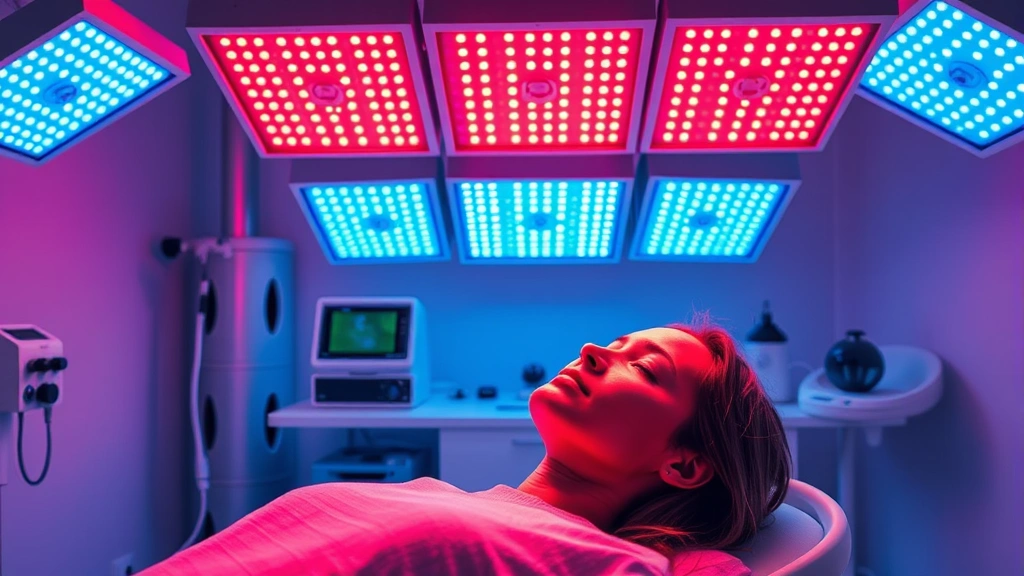
LED light therapy has emerged as a compelling non-pharmacological intervention for mood regulation and emotional well-being. Also known as photobiomodulation or light-emitting diode therapy, this evidence-based approach harnesses specific wavelengths of light to influence neurochemical processes in the brain. The science behind how different colors of light interact with our circadian rhythms, cellular energy production, and neurotransmitter synthesis has gained significant traction in both clinical and wellness settings.
The connection between light exposure and mood disorders has long been established through research on seasonal affective disorder (SAD), but emerging evidence suggests that targeted LED light therapy can benefit a broader population experiencing depression, anxiety, and general mood dysregulation. Understanding the mechanisms and applications of this therapy requires examining the latest therapy resources and information available through credible sources.
Understanding LED Light Therapy and Mood
LED light therapy operates on the principle that specific wavelengths of light can penetrate tissue and influence cellular function at the mitochondrial level. The therapy primarily works through stimulating cytochrome c oxidase in the mitochondrial electron transport chain, which increases adenosine triphosphate (ATP) production. This cellular energy boost has cascading effects on neural function, neurotransmitter production, and ultimately mood regulation.
The relationship between light and mood is deeply rooted in our evolutionary biology. Our ancestors experienced dramatic seasonal variations in light exposure, which influenced circadian rhythms and seasonal mood patterns. Modern artificial lighting and reduced outdoor time have disrupted these natural cycles, contributing to increased rates of mood disorders. LED light therapy attempts to restore this natural light-mood connection through targeted wavelength exposure.
Research from peer-reviewed studies on photobiomodulation demonstrates that light wavelengths between 600-1000 nanometers (red to near-infrared spectrum) are most effective at penetrating tissue and producing therapeutic effects. However, different wavelengths within this spectrum produce distinctly different physiological and psychological responses.
The 7 Color LED Light Therapy Chart Explained
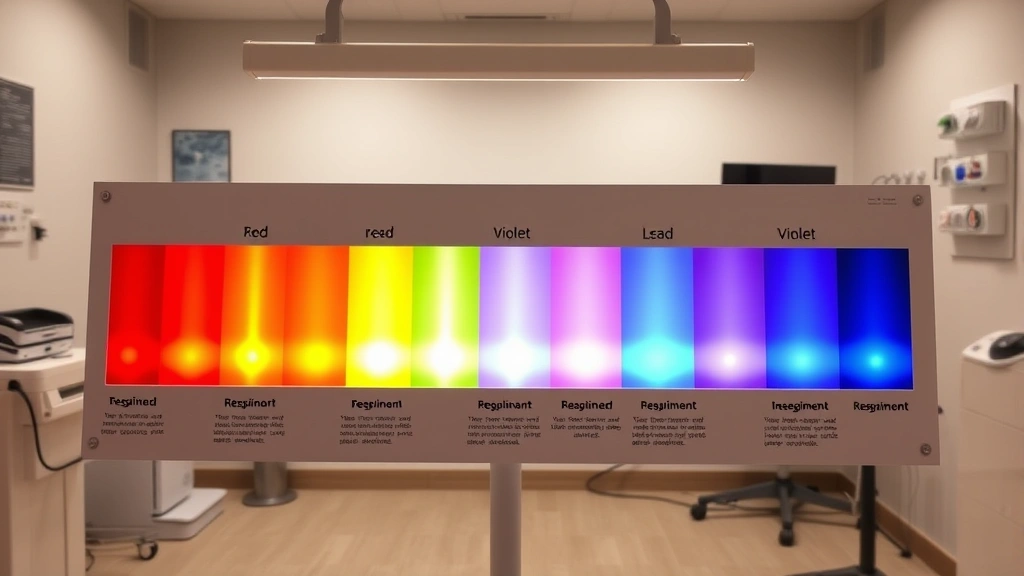
The 7 color LED light therapy chart represents a comprehensive framework for understanding how different wavelengths affect mood and mental health. This color spectrum, often displayed in therapeutic settings, maps each color to specific emotional and neurological outcomes. The traditional spectrum includes red, orange, yellow, green, blue, indigo, and violet, though some systems combine indigo and violet into purple for practical therapeutic applications.
Each color operates at a distinct wavelength and frequency, with red light occupying the longest visible wavelengths (620-750 nanometers) and violet light the shortest (380-450 nanometers). The chart serves as a guide for practitioners and individuals to select appropriate light colors based on their specific mood or mental health concerns. For those seeking specialized treatment, understanding red light therapy availability near you can help facilitate access to professional-grade treatments.
The therapeutic application of this 7 color system has roots in both traditional color therapy and modern photobiomodulation science. While color therapy dates back centuries in various healing traditions, contemporary LED light therapy combines these historical insights with rigorous scientific validation. The color chart provides a visual reference that helps patients understand which light wavelengths address their specific concerns, from depression and anxiety to cognitive function and sleep quality.
Wavelength precision matters significantly in light therapy outcomes. A 630-nanometer red light produces different effects than a 700-nanometer red light, and both differ from near-infrared wavelengths around 850 nanometers. The 7 color chart simplifies this complexity into practical categories while acknowledging that therapeutic benefits come from specific wavelength ranges rather than arbitrary color assignments.
Red Light and Mood Enhancement
Red light therapy has become one of the most researched and clinically validated applications of LED light therapy for mood disorders. Operating at wavelengths between 620-750 nanometers, red light penetrates tissue effectively and stimulates mitochondrial function without the potentially stimulating effects of shorter wavelengths. Research demonstrates that red light exposure increases serotonin production, a critical neurotransmitter for mood regulation.
Clinical studies on red light therapy for depression show promising results, with some studies reporting mood improvements comparable to pharmacological interventions for mild to moderate depression. Red light therapy appears particularly effective for individuals with seasonal affective disorder, as it mimics natural sunrise light without the harsh blue wavelengths that can cause eye strain.
The mechanism behind red light’s mood-enhancing properties involves multiple pathways. Beyond ATP production, red light stimulates the production of nitric oxide, a signaling molecule that improves blood flow and reduces inflammation in neural tissue. Additionally, red light exposure appears to upregulate brain-derived neurotrophic factor (BDNF), a protein crucial for neuroplasticity and mood regulation. These combined effects create a potent intervention for depression and low mood states.
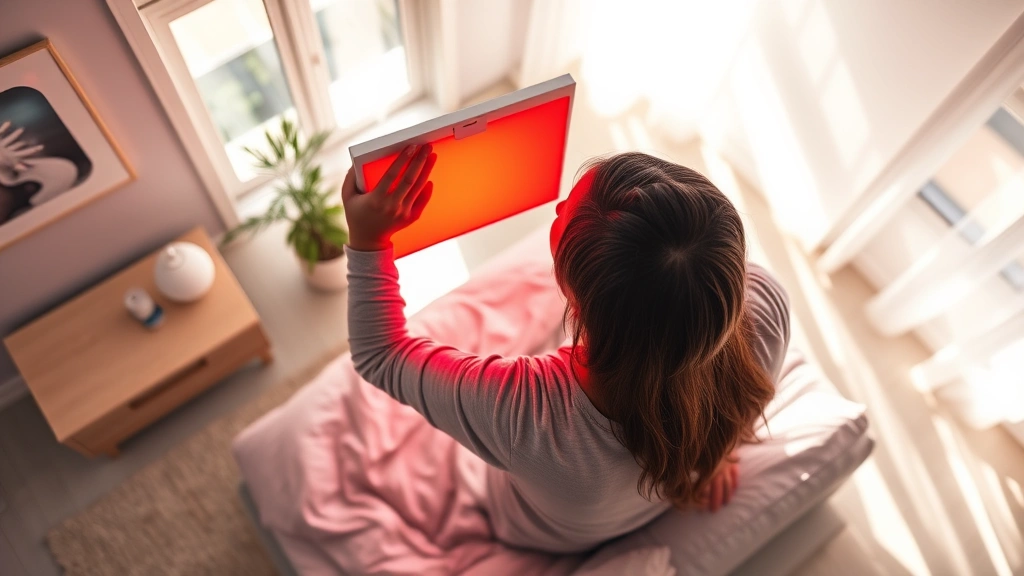
Practical applications of red light therapy include handheld devices, light panels, and full-body light beds. Treatment duration typically ranges from 10-30 minutes daily, with wavelengths between 630-700 nanometers proving most effective for mood enhancement. Unlike pharmaceutical interventions, red light therapy carries minimal side effects and can be safely combined with other therapeutic approaches, making it an attractive option for comprehensive mental health treatment.
Blue Light Effects on Mental Health
Blue light, operating at wavelengths between 450-495 nanometers, occupies a unique position in the mood regulation spectrum. While excessive blue light exposure, particularly from screens in evening hours, can disrupt circadian rhythms and worsen mood disorders, strategic blue light therapy during daytime shows distinct benefits for depression and cognitive function.
The paradox of blue light relates to timing and intensity. Morning blue light exposure synchronizes circadian rhythms, enhancing alertness, mood, and cognitive performance throughout the day. This mechanism explains why light therapy boxes treating seasonal affective disorder typically feature blue-enriched white light, delivering approximately 10,000 lux of illumination during early morning hours. However, evening blue light exposure suppresses melatonin production and disrupts sleep architecture, subsequently worsening mood disorders.
Research on blue light therapy specifically addresses its effects on mood through circadian rhythm optimization. The suprachiasmatic nucleus, the brain’s master circadian clock, shows maximum sensitivity to blue wavelengths around 480 nanometers. Strategic morning blue light exposure strengthens circadian alignment, improving sleep quality, daytime mood, and emotional resilience. This circadian stabilization provides downstream benefits for mood regulation that extend far beyond the direct light exposure period.
Blue light therapy proves particularly valuable for individuals experiencing bipolar disorder, where circadian disruption plays a significant role in mood destabilization. Controlled morning blue light exposure, combined with evening light restriction, can reduce mood episode frequency and severity. However, blue light therapy requires careful timing and dosing, as excessive daytime blue light exposure or any evening blue light can paradoxically worsen mood symptoms.
Green, Yellow, and Orange Light Benefits
Green light, occupying the middle of the visible spectrum at 495-570 nanometers, offers unique mood-stabilizing properties distinct from both red and blue light. Research suggests green light reduces eye strain, enhances focus, and promotes a sense of calm and balance. The association between green light and nature, combined with its physiological effects on visual processing, creates a grounding influence on mood and emotional state.
Yellow light (570-590 nanometers) bridges the gap between green and orange wavelengths, promoting warmth, optimism, and mental clarity. Yellow light therapy has shown promise in addressing depressive symptoms and promoting emotional uplift without the stimulating intensity of blue light or the deep tissue penetration of red light. Many individuals report feeling more cheerful and energized after yellow light exposure, making it valuable for low mood and apathy.
Orange light (590-620 nanometers), positioned between yellow and red, combines mood-elevating properties with relaxation benefits. Orange light stimulates creativity, encourages social connection, and promotes a sense of well-being and enthusiasm. This wavelength proves particularly useful for individuals experiencing emotional numbness or anhedonia, the inability to experience pleasure. Orange light therapy can reignite motivation and emotional engagement without overstimulation.
These mid-spectrum colors fill important therapeutic niches in comprehensive light therapy protocols. While red light addresses deep tissue effects and blue light influences circadian function, green, yellow, and orange wavelengths provide more nuanced mood regulation. A balanced approach to comprehensive therapy for emotional and attachment concerns may incorporate multiple light wavelengths sequentially or in combination for optimal results.
Purple and Infrared Light Considerations
Purple light, created by combining red and blue wavelengths, occupies a specialized role in mood therapy. While less researched than single-wavelength applications, purple light combines the tissue-penetrating benefits of red light with some circadian-regulating properties of blue light. Some practitioners recommend purple light for individuals needing balanced stimulation and relaxation, though evidence remains more limited compared to other colors in the spectrum.
Near-infrared light (700-1000 nanometers), extending beyond visible light perception, represents the frontier of photobiomodulation research. These longer wavelengths penetrate deeper into tissue, reaching brain structures directly implicated in mood regulation. Studies on near-infrared light therapy for depression and traumatic brain injury show remarkable promise, with some research suggesting effectiveness comparable to pharmacological interventions for treatment-resistant depression.
The mechanism of near-infrared light therapy for mood involves deep mitochondrial stimulation in brain tissue. Unlike visible wavelengths that primarily affect surface tissues, near-infrared light reaches prefrontal cortex, hippocampus, and amygdala—brain regions central to mood, memory, and emotional processing. This deeper penetration explains why some individuals report more profound mood shifts with near-infrared therapy compared to visible light wavelengths.
However, near-infrared therapy requires careful dosing and professional guidance. While visible light therapy carries minimal risks when used appropriately, near-infrared light at excessive intensities can generate heat and potentially damage tissue. Professional-grade near-infrared devices deliver precise wavelengths and intensities, making them preferable to consumer devices for treating serious mood disorders. Integration of near-infrared therapy with comprehensive mental health treatment, including physical therapy approaches that address neurological foundations, may optimize outcomes.
Clinical Evidence and Research Findings
The scientific evidence supporting LED light therapy for mood has expanded dramatically over the past decade. Systematic reviews and meta-analyses consistently demonstrate efficacy for seasonal affective disorder, with light therapy boxes producing remission rates of 40-80% depending on protocol parameters. For non-seasonal depression, evidence remains promising but somewhat more mixed, with effect sizes generally ranging from small to moderate.
Recent systematic reviews on photobiomodulation for depression highlight the importance of wavelength specificity, treatment duration, and individual variability in response. Some individuals experience rapid mood improvements within days of initiating light therapy, while others require weeks of consistent exposure to notice changes. This variability likely reflects differences in circadian sensitivity, baseline neurochemistry, and concurrent life circumstances.
Research from major medical institutions studying photobiomodulation mechanisms reveals that LED light therapy works through multiple overlapping pathways rather than a single mechanism. ATP production enhancement, nitric oxide upregulation, BDNF stimulation, and circadian rhythm optimization all contribute to mood improvements. This multi-pathway mechanism may explain why light therapy shows benefits across diverse mood disorders and why combining light therapy with other interventions often produces superior outcomes.
Long-term outcome studies demonstrate that light therapy benefits persist with continued use, and many individuals maintain mood improvements for months after completing structured treatment protocols. However, seasonal mood disorders often require seasonal light therapy renewal, reflecting the fundamental role of light exposure in mood regulation. This cyclical pattern aligns with our evolutionary heritage and suggests that light therapy addresses fundamental biological needs rather than merely suppressing symptoms.
Practical Applications for Daily Use
Implementing LED light therapy for mood enhancement requires understanding optimal timing, duration, and wavelength selection. For seasonal affective disorder and general depression, morning light exposure proves most beneficial, ideally within 30 minutes of waking. A typical protocol involves 20-30 minutes of exposure to 10,000 lux white light (blue-enriched) or 30-60 minutes at lower intensities (2,500-5,000 lux).
Red light therapy for mood typically requires 10-20 minutes of daily exposure at distances specified by device manufacturers, usually ranging from 6-12 inches from the skin. Consistency matters more than intensity; daily exposure produces superior results compared to sporadic high-intensity sessions. Many individuals benefit from morning red light exposure combined with evening light restriction, creating a comprehensive circadian optimization protocol.
Home-based light therapy devices have become increasingly accessible and affordable, ranging from simple red light bulbs to sophisticated multi-wavelength panels. However, quality varies dramatically among consumer devices, with some providing inadequate intensity or inaccurate wavelengths. Professional-grade devices, while more expensive, deliver precise wavelengths and documented intensity levels, making them preferable for treating significant mood disorders.
Integration of light therapy with other evidence-based mood interventions maximizes effectiveness. Combining light therapy with specialized therapy services addressing underlying emotional or communication concerns, alongside cognitive-behavioral therapy, exercise, and social connection, creates a comprehensive approach to mood optimization. Light therapy serves as a powerful biological tool within a broader mental health strategy.
Safety considerations for LED light therapy include avoiding excessive evening blue light exposure, protecting eyes from direct intense light sources, and consulting healthcare providers before initiating therapy if pregnant, taking photosensitizing medications, or managing bipolar disorder. While generally safe, light therapy can occasionally trigger mania in susceptible individuals, necessitating professional supervision for those with bipolar spectrum conditions.
Seasonal light therapy boxes specifically designed for SAD treatment should emit wavelengths in the 400-500 nanometer range (blue-enriched white light) at appropriate intensity levels. Portable red light therapy panels work well for travel and flexibility, while full-body light beds provide comprehensive exposure for individuals seeking maximum therapeutic benefit. Career professionals exploring light therapy applications might find information on occupational therapy careers involving light-based interventions of interest.
FAQ
What is the best color light therapy for depression?
Red light (620-750 nanometers) and blue-enriched white light (400-500 nanometers, used in SAD light boxes) represent the most evidence-supported options. Red light works through mitochondrial stimulation and serotonin enhancement, while blue light optimizes circadian rhythms. The optimal choice depends on individual circumstances, timing preferences, and whether depression has seasonal patterns.
How long does LED light therapy take to improve mood?
Some individuals notice mood improvements within 2-4 days of initiating light therapy, while others require 3-4 weeks of consistent exposure. Seasonal affective disorder typically shows faster response than non-seasonal depression. Consistency matters more than duration; daily exposure produces superior results compared to intermittent sessions, even at lower intensities.
Can LED light therapy replace antidepressant medication?
Light therapy shows efficacy comparable to some antidepressants for mild to moderate depression, but evidence suggests combining approaches produces superior outcomes. For severe depression or treatment-resistant cases, light therapy should complement rather than replace medication. Individuals should consult healthcare providers about appropriate treatment combinations based on symptom severity and individual circumstances.
Is it safe to use LED light therapy every day?
Daily light therapy use is generally safe when following appropriate protocols regarding wavelength, intensity, and duration. However, excessive evening blue light exposure can disrupt sleep and worsen mood disorders. Morning light exposure proves most beneficial, while evening light therapy should be avoided unless specifically treating circadian phase delays under professional guidance.
What wavelength is most effective for mood regulation?
Research suggests red light (630-700 nanometers) and blue light (480 nanometers) represent the most evidence-supported wavelengths for mood regulation through different mechanisms. Red light enhances tissue energy production and serotonin synthesis, while blue light optimizes circadian rhythm alignment. Optimal results often come from combining these complementary wavelengths strategically based on time of day and individual response patterns.