
How Mindfulness Boosts Mental Health: Expert Insights
Mindfulness has emerged as one of the most researched and validated approaches to improving mental health in contemporary psychology. The practice, rooted in ancient meditation traditions yet grounded in modern neuroscience, offers measurable benefits for anxiety, depression, stress, and overall psychological well-being. As mental health challenges continue to affect millions globally, understanding how mindfulness works at both the neurological and behavioral levels provides valuable insights for anyone seeking to enhance their emotional resilience and quality of life.
The intersection of mindfulness practice and mental health outcomes has become increasingly clear through rigorous scientific investigation. Whether you’re exploring options through a therapy resources and information portal or seeking professional guidance, mindfulness often appears as a complementary or primary intervention. This comprehensive guide explores the mechanisms behind mindfulness, its proven mental health benefits, and practical applications supported by expert research.
Understanding Mindfulness: Definition and Core Principles
Mindfulness is fundamentally the practice of maintaining present-moment awareness with a non-judgmental, accepting attitude toward whatever arises in consciousness. Rather than fighting against difficult thoughts or emotions, mindfulness involves observing them with curiosity and compassion. This definition, popularized by Jon Kabat-Zinn’s Mindfulness-Based Stress Reduction (MBSR) program, has become the gold standard in clinical and research settings.
The core principles of mindfulness include present-moment awareness, which directs attention to what’s happening right now rather than ruminating about the past or worrying about the future. Non-judgment involves observing thoughts and feelings without labeling them as good or bad. Acceptance means allowing experiences to exist without trying to change or suppress them. Compassion encompasses treating yourself and others with kindness during difficult moments. These principles work synergistically to create psychological flexibility—the ability to respond thoughtfully to challenges rather than react automatically.
The distinction between mindfulness and meditation is important: meditation is a formal practice technique, while mindfulness is a state of awareness that can be cultivated through meditation, yoga, walking, eating, or any activity performed with full attention. This accessibility makes mindfulness applicable across diverse populations and life circumstances.

The Neuroscience Behind Mindfulness and Mental Health
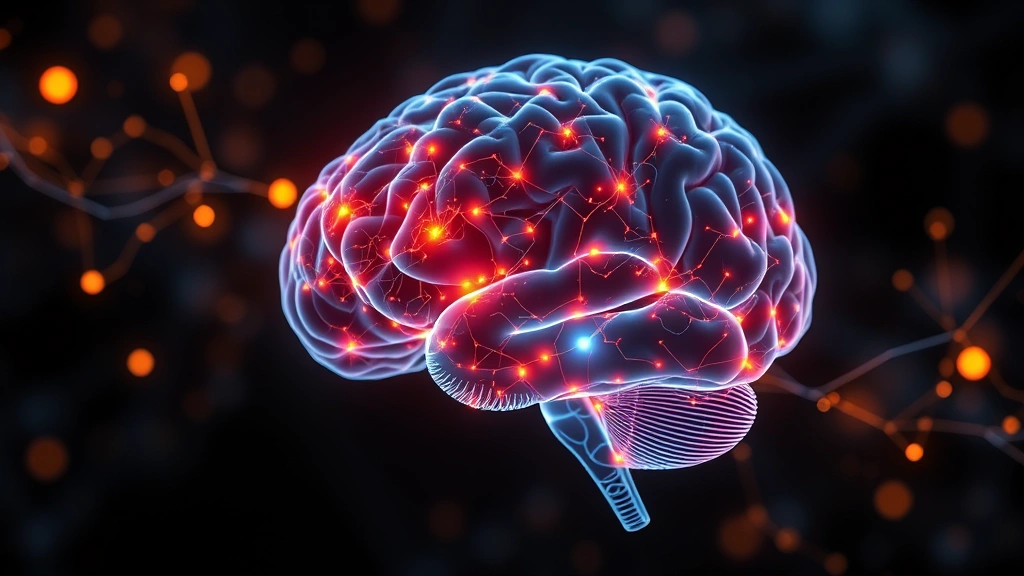
Modern neuroimaging studies have revealed how mindfulness literally reshapes brain structure and function. Research from leading neuroscience institutions demonstrates that regular mindfulness practice increases gray matter density in several critical brain regions, particularly the prefrontal cortex, which governs executive function, decision-making, and emotional regulation.
The amygdala, often called the brain’s alarm system, shows measurable reduction in size and reactivity following consistent mindfulness training. This biological change correlates directly with decreased anxiety and improved stress response. Additionally, mindfulness strengthens connections between the prefrontal cortex and amygdala, essentially improving the brain’s ability to regulate emotional reactions. The default mode network (DMN), a brain system associated with mind-wandering and self-referential thinking, becomes less active with mindfulness practice, reducing the rumination patterns that fuel depression and anxiety.
Neurochemical changes also occur: mindfulness increases production of GABA and serotonin, neurotransmitters crucial for mood regulation, while reducing cortisol, the primary stress hormone. These changes aren’t merely temporary—longitudinal studies show that consistent practitioners maintain these neurological adaptations, suggesting genuine brain remodeling rather than temporary effects.
Proven Mental Health Benefits of Regular Practice
The clinical evidence supporting mindfulness for mental health is robust and extensive. Comprehensive research reviews consistently identify significant benefits across multiple mental health domains. Individuals practicing mindfulness regularly report reduced symptoms of anxiety disorders, major depression, post-traumatic stress disorder (PTSD), and attention-deficit hyperactivity disorder (ADHD).
Quantifiable improvements include:
- Anxiety reduction: Meta-analyses show mindfulness-based interventions produce effect sizes comparable to pharmaceutical treatments for generalized anxiety disorder
- Depression symptom improvement: Mindfulness-Based Cognitive Therapy (MBCT) reduces relapse rates in recurrent depression by approximately 50%
- Emotional regulation: Enhanced ability to identify, understand, and appropriately respond to emotional states
- Sleep quality: Significant improvements in insomnia and sleep disturbances, often without medication
- Pain management: Reduced suffering from chronic pain conditions through altered pain perception
- Relationship satisfaction: Improved communication, empathy, and conflict resolution skills
- Overall quality of life: Increased life satisfaction, meaning, and psychological well-being
These benefits extend beyond symptom reduction to fundamental improvements in how individuals relate to their experiences and themselves.
Mindfulness for Anxiety and Stress Reduction
Anxiety disorders represent one of the most prevalent mental health conditions, affecting millions annually. Mindfulness addresses anxiety through several mechanisms. The practice teaches individuals to observe anxious thoughts without becoming entangled in them—a skill called cognitive defusion. Rather than believing anxious predictions are facts, mindful practitioners learn to recognize thoughts as mental events that may or may not be true.
When facing stress, the typical response involves either fighting the stressor (fight response) or avoiding it (flight response). Mindfulness introduces a third option: observing and accepting the stress while maintaining perspective. This reduces the cascade of physiological stress responses that amplify anxiety. Breathing techniques, a cornerstone of mindfulness practice, directly activate the parasympathetic nervous system, the body’s natural relaxation response.
Research published in major psychology journals demonstrates that individuals who complete mindfulness-based stress reduction programs experience 40-50% reductions in anxiety symptoms. The benefits appear to persist months after formal training ends, suggesting genuine skill development rather than temporary relief. For those seeking professional support, exploring therapy cost information can help identify accessible mental health services that may incorporate mindfulness approaches.
Depression Management Through Mindful Awareness
Depression frequently involves rumination—repetitive, negative thinking patterns focused on past failures or uncertain futures. Mindfulness directly counters this by anchoring awareness in the present moment, where most people can identify at least some positive elements. The practice also addresses the avoidance behaviors that maintain depression; mindfulness teaches individuals to approach difficult emotions rather than withdraw further.
Mindfulness-Based Cognitive Therapy (MBCT), originally developed for recurrent depression, combines mindfulness with cognitive therapy principles. This approach teaches individuals to recognize early warning signs of depressive relapse and respond with mindfulness skills rather than allowing negative thoughts to spiral. Clinical trials show MBCT reduces depression recurrence by 50% compared to standard treatment alone.
The self-compassion component of mindfulness is particularly powerful for depression. Depressed individuals often engage in harsh self-criticism; mindfulness cultivates the ability to treat oneself with the same kindness offered to a good friend during difficult times. This shift from self-judgment to self-compassion represents a fundamental psychological transformation that addresses depression’s emotional core.
Integration with Professional Therapy Services
While mindfulness is powerful, it works optimally when integrated with comprehensive mental health care. Many therapists now incorporate mindfulness into evidence-based treatments like Cognitive Behavioral Therapy (CBT) and Dialectical Behavior Therapy (DBT). If you’re exploring professional support options, speech therapy and related services represent just one component of available mental health interventions.
Professional therapists can teach mindfulness techniques in structured ways, monitor progress, and adjust approaches based on individual responses. For individuals with trauma histories, therapists can ensure mindfulness practice remains safe and doesn’t trigger overwhelming emotional responses. Those dealing with serious mental health conditions benefit from the combination of mindfulness practice with medication management and professional therapeutic support.
The 3M Express Therapy Portal represents the type of digital health infrastructure making professional mental health services more accessible. Such platforms often integrate educational resources about evidence-based practices, including mindfulness, alongside appointment scheduling and treatment coordination. This accessibility democratizes mental health care, allowing individuals to begin their mindfulness journey with professional guidance regardless of geographic location.
Practical Mindfulness Techniques for Daily Life
Mindfulness doesn’t require hours of meditation or special equipment. Several practical techniques fit seamlessly into daily routines:
Body Scan Meditation involves systematically directing attention through different body regions, noticing sensations without judgment. This 10-20 minute practice enhances body awareness and relaxation, often performed before sleep or upon waking.
Mindful Breathing focuses attention on the natural rhythm of breath. When attention wanders—which it inevitably does—you gently return focus to breathing. This simple practice, performed for 5-10 minutes daily, creates measurable stress reduction and emotional regulation improvements.
Mindful Walking transforms ordinary walking into practice by focusing on physical sensations: feet contacting ground, leg movements, air temperature, surrounding sounds. This brings mindfulness into movement, making it practical for busy schedules.
Mindful Eating involves consuming food with full sensory attention: noticing colors, aromas, textures, and flavors. This practice improves digestion, reduces overeating, and cultivates appreciation for nourishment.
Loving-Kindness Meditation systematically directs compassionate wishes toward yourself, loved ones, neutral people, difficult people, and all beings. Research shows this practice increases positive emotions and social connection while reducing negative emotions toward others.
Mindful Listening involves giving someone complete attention during conversation without planning responses or judgment. This improves relationships and demonstrates the practical applications of mindfulness beyond formal meditation.
Building a Sustainable Mindfulness Practice
Starting a mindfulness practice requires realistic expectations and gradual progression. Begin with 5-10 minutes daily rather than ambitious longer sessions that become difficult to maintain. Consistency matters far more than duration; daily practice of 10 minutes produces greater benefits than weekly 60-minute sessions.
Choose a specific time and location for practice, creating environmental consistency that strengthens the habit. Many find morning practice energizes their day, while others prefer evening practice for stress reduction. Experiment to identify what works for your schedule and temperament.
Expect your mind to wander frequently—this is completely normal and not failure. The practice involves noticing when attention has wandered and gently returning it, not achieving blank-mind perfection. Research shows that individuals who approach their practice with self-compassion when encountering difficulties maintain their practice longer and experience greater benefits.
Consider complementary approaches: combining physical therapy treatment approaches with mindfulness can address both physical and mental health simultaneously. Yoga, tai chi, and other movement practices incorporate mindfulness while providing physical benefits.
Many practitioners benefit from formal training through Mindfulness-Based Stress Reduction (MBSR) or similar 8-week structured programs. These programs provide instruction, community support, and accountability that accelerates skill development. Apps and online resources offer convenient alternatives when in-person programs aren’t accessible.
Tracking your practice through journals or apps helps maintain motivation and allows you to notice subtle improvements that might otherwise go unrecognized. Over weeks and months, consistent practitioners typically report decreased reactivity to stressors, improved emotional regulation, better sleep, and enhanced overall well-being.
Frequently Asked Questions
How long does it take to experience mindfulness benefits?
Some benefits appear within days to weeks, particularly stress reduction and improved sleep. Deeper neurological changes typically require 8-12 weeks of consistent practice. Research suggests that 20-30 minutes of daily practice for 8 weeks produces measurable changes in brain structure and function, though benefits continue accumulating with continued practice.
Can mindfulness replace psychiatric medication?
Mindfulness works best as a complement to, not replacement for, psychiatric medication when clinically indicated. For some individuals with mild anxiety or depression, mindfulness combined with therapy may be sufficient. However, those with moderate-to-severe mental health conditions should continue medication under professional supervision. Always consult your psychiatrist before making medication changes.
Is mindfulness religious or spiritual?
While mindfulness has roots in Buddhist traditions, modern mindfulness practice is secular and evidence-based. Mindfulness-Based Stress Reduction and other clinical applications contain no religious elements and are compatible with any faith tradition or secular worldview. Many religious individuals incorporate mindfulness into their existing spiritual practices.
What if I can’t quiet my mind during meditation?
Mind-quieting isn’t the goal of mindfulness—present-moment awareness is. Thoughts naturally arise; mindfulness involves observing them without judgment or resistance. A busy mind during practice doesn’t indicate failure; it provides more practice in returning attention to the present moment.
Can children practice mindfulness?
Yes, mindfulness is increasingly taught in schools and shows benefits for children’s attention, emotional regulation, and academic performance. Practices are adapted to age-appropriate lengths and formats. Children as young as 4-5 can practice basic breathing awareness, while older children can engage in more sophisticated techniques.
How does mindfulness differ from relaxation techniques?
Relaxation aims to reduce physical tension and achieve calm states. Mindfulness involves present-moment awareness with acceptance of whatever arises—including discomfort. Mindfulness often produces relaxation, but that’s secondary to the primary goal of awareness. Mindfulness is more comprehensive, addressing thoughts and emotions alongside physical sensations.
Can mindfulness help with medication side effects?
Mindfulness can help individuals accept and cope with medication side effects through changed perspective, though it doesn’t eliminate the side effects themselves. For problematic side effects, consult your prescriber about adjustments. Mindfulness complements medical management rather than replacing it.
What’s the connection between mindfulness and occupational therapy?
Mindfulness is increasingly integrated into occupational therapy practice, helping clients develop awareness during daily activities and improve engagement in meaningful occupations. Occupational therapists may teach mindfulness techniques to enhance focus, reduce anxiety during activities, and promote overall well-being.