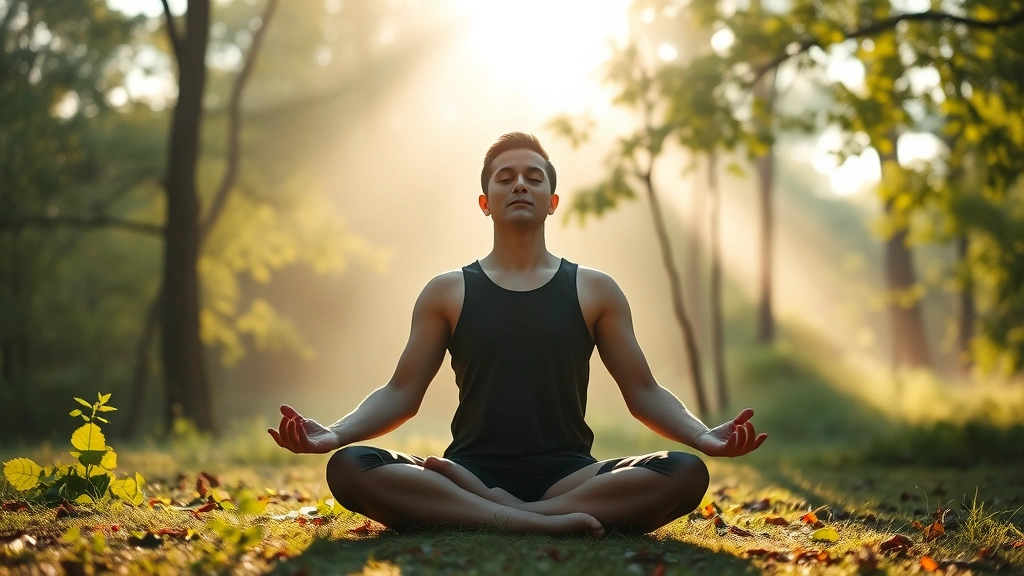
Can Meditation Reduce Anxiety? Research Insights and Evidence-Based Benefits
Anxiety disorders affect millions of people worldwide, making them one of the most common mental health conditions today. As conventional treatment options like therapy and medication remain essential, many individuals seek complementary approaches to manage their symptoms. Meditation has emerged as a scientifically-backed practice that shows promise in reducing anxiety levels and promoting overall mental wellness. This comprehensive guide explores the research behind meditation’s effectiveness, the mechanisms through which it works, and practical strategies for incorporating it into your daily routine.
The intersection of ancient contemplative practices and modern neuroscience has revealed fascinating insights into how meditation physically changes our brains and nervous systems. Unlike some wellness trends that lack rigorous scientific support, meditation has been the subject of thousands of peer-reviewed studies demonstrating measurable improvements in anxiety symptoms. Whether you’re considering meditation as a standalone approach or as a complement to other treatments like professional therapy costs, understanding the evidence can help you make informed decisions about your mental health.
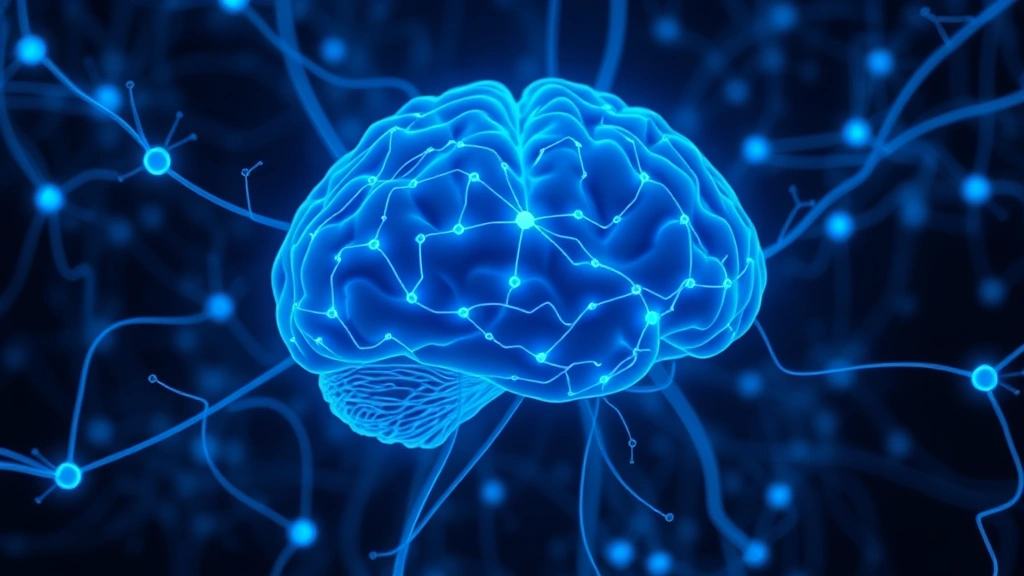
How Meditation Affects the Brain
Meditation works by creating measurable changes in brain structure and function, particularly in regions associated with anxiety and stress regulation. When you meditate, you activate your parasympathetic nervous system—often called the “rest and digest” response—which counteracts the sympathetic nervous system’s “fight or flight” activation that characterizes anxiety. This physiological shift isn’t merely subjective; neuroscientists can observe it through functional magnetic resonance imaging (fMRI) and electroencephalography (EEG) studies.
The amygdala, your brain’s alarm system responsible for processing fear and emotional responses, shows decreased activity and reduced gray matter density in regular meditators. Simultaneously, meditation strengthens the prefrontal cortex, the region responsible for rational thinking, decision-making, and emotional regulation. This neural rewiring essentially gives your brain better tools to process stressful situations without triggering excessive anxiety responses. Research from the Mind & Life Institute has documented these changes in both experienced practitioners and beginners, suggesting that even short-term meditation practice produces observable neurological benefits.
Another crucial brain region affected by meditation is the insula, which plays a role in interoception—your awareness of internal bodily sensations. Anxiety often involves misinterpreting or overreacting to bodily sensations, so strengthening this region helps you develop a more accurate, less reactive relationship with your body’s signals. The default mode network, a collection of brain regions active during mind-wandering and self-referential thinking, also becomes less hyperactive with regular meditation, reducing the rumination patterns that fuel anxiety.
Types of Meditation for Anxiety
Different meditation styles offer varying benefits for anxiety management, and finding the right approach depends on your preferences and needs. Mindfulness meditation, perhaps the most researched form, involves observing your thoughts and sensations without judgment. This non-reactive awareness helps you notice anxious thoughts without getting caught in their narrative, essentially creating psychological distance from anxiety-producing patterns.
Body scan meditation systematically brings attention through different body regions, helping you recognize where you hold tension and develop a more compassionate relationship with physical sensations. This technique proves particularly valuable for anxiety sufferers who experience somatic symptoms like muscle tightness or racing heartbeat. Loving-kindness meditation (metta) cultivates compassion and positive emotions, directly counteracting the critical, fearful inner dialogue common in anxiety disorders.
Breath-focused meditation uses breathing patterns to calm the nervous system. By extending your exhale longer than your inhale, you directly signal your vagus nerve to activate parasympathetic responses. Transcendental meditation involves silently repeating a mantra to quiet mental activity, offering a more structured approach for those who struggle with open awareness practices. Progressive muscle relaxation combines meditation principles with physical tension release, making it accessible for people new to contemplative practices.
Research suggests that the American Psychological Association recognizes mindfulness-based stress reduction (MBSR) and mindfulness-based cognitive therapy (MBCT) as evidence-based interventions for anxiety and depression. These structured programs, typically spanning eight weeks, combine meditation with psychoeducation and lifestyle modifications.
Research Evidence and Studies
The scientific case for meditation’s anxiety-reducing effects rests on substantial empirical evidence. A landmark meta-analysis published in JAMA Psychiatry analyzing 47 trials with over 3,500 participants found that mindfulness meditation programs showed moderate evidence of improving anxiety—comparable to the effects of antidepressant medications for some individuals. This finding doesn’t suggest meditation replaces medication, but rather indicates it produces measurable clinical outcomes worthy of serious consideration.
A comprehensive review in JAMA Internal Medicine examined 47 randomized controlled trials and found that mindfulness meditation interventions showed moderate evidence for improving anxiety and depression. The effect sizes were comparable to antidepressants in some studies, though researchers emphasized that meditation works through different mechanisms and may benefit certain individuals more than others.
Neuroscientist Britta Hölzel’s research at Massachusetts General Hospital demonstrated that an eight-week MBSR program led to decreased gray matter density in the amygdala while increasing gray matter in the prefrontal cortex and other regions involved in learning and memory. These structural changes correlated with participants’ self-reported anxiety reduction, providing biological evidence linking meditation practice to brain changes associated with anxiety relief.
A randomized controlled trial published in JAMA Psychiatry compared mindfulness meditation to standard anxiety treatment and found that meditation was as effective as medication for reducing anxiety symptoms over an eight-week period. Importantly, participants who continued meditating maintained their improvements, while some who discontinued showed symptom rebound, suggesting that meditation’s benefits require ongoing practice.
Research from Stanford Medicine indicates that even brief meditation sessions—as short as 10 minutes—produce measurable reductions in cortisol, the primary stress hormone. This demonstrates that you don’t need to commit to hours of practice to experience physiological benefits; consistency matters more than duration.
Practical Benefits You Can Experience
Beyond the neuroscientific mechanisms, meditation produces tangible improvements in daily anxiety symptoms and overall quality of life. Many practitioners report reduced physical anxiety symptoms, including decreased muscle tension, lower blood pressure, and slower heart rate. These physical changes reflect genuine nervous system shifts rather than placebo effects, as evidenced by objective biomarkers like cortisol levels and heart rate variability.
Meditation enhances your ability to tolerate uncomfortable emotions without becoming overwhelmed by them. Rather than trying to eliminate anxiety entirely—an impossible goal—meditation helps you develop equanimity toward anxious thoughts and sensations. This psychological flexibility often produces more sustainable anxiety relief than avoidance-based coping strategies.
Regular practitioners frequently report improved sleep quality, which itself reduces anxiety through multiple mechanisms. Sleep deprivation amplifies amygdala reactivity and impairs prefrontal regulation, creating a vicious cycle where anxiety disrupts sleep, which worsens anxiety. Meditation breaks this cycle by promoting deeper, more restorative sleep.
Enhanced emotional regulation represents another significant benefit. Rather than being swept away by emotional waves, meditators develop the capacity to observe emotions with some distance, choosing their responses rather than reacting automatically. This skill proves invaluable when managing anxiety-triggering situations.
Many people find meditation improves their concentration and decision-making abilities, which ironically reduces anxiety by increasing confidence in handling life challenges. When your mind is less scattered and more focused, you feel more capable and less overwhelmed.
Getting Started with Your Practice
Beginning a meditation practice requires no special equipment, location, or prior experience. Start with just five to ten minutes daily in a quiet space where you won’t be interrupted. Consistency matters far more than duration, so establishing a regular routine—perhaps meditating immediately after waking or before bed—helps build the habit.
Choose a comfortable seated position, whether in a chair or on a cushion. Your spine should be upright to promote alertness while remaining relaxed. Close your eyes or maintain a soft downward gaze. If sitting meditation feels uncomfortable, try walking meditation or lying-down body scans as alternatives.
Begin with your breath. Simply notice the natural rhythm of your breathing without trying to control it. When your mind wanders—which it will, and which is completely normal—gently return attention to your breath. This act of noticing distraction and redirecting attention is the actual meditation practice, not maintaining perfect focus.
As you develop your practice, you might explore guided meditations through apps like Insight Timer or Calm, which provide structure and support. Many people benefit from combining complementary wellness practices with their meditation routine for enhanced anxiety management.
Consider joining a meditation group or class, which provides community support and accountability. Many communities offer free or low-cost meditation instruction through mental health centers or community colleges. If you’re already working with a therapist, ask whether they can recommend local therapy resources that incorporate meditation.
Combining Meditation with Other Therapies
While meditation shows impressive standalone benefits, research consistently demonstrates that combining meditation with professional treatment produces superior outcomes compared to either approach alone. Cognitive-behavioral therapy (CBT), the gold-standard anxiety treatment, pairs exceptionally well with meditation practice. CBT teaches you to identify and challenge anxiety-producing thoughts, while meditation helps you observe those thoughts without judgment—complementary skills that reinforce each other.
Occupational therapy approaches similarly benefit from meditation integration, as both emphasize developing practical skills for managing daily life. If you’re exploring physical therapy options, meditation can complement these treatments by addressing the anxiety-tension cycle.
For individuals considering medication, meditation doesn’t replace pharmaceuticals but can enhance their effectiveness and sometimes allow for lower doses. Some research suggests that combining meditation with selective serotonin reuptake inhibitors (SSRIs) produces faster, more robust anxiety reduction than medication alone.
Lifestyle modifications amplify meditation’s benefits substantially. Regular aerobic exercise, adequate sleep, reduced caffeine intake, and strong social connections all work synergistically with meditation to reduce anxiety. Think of meditation as one component of a comprehensive anxiety management strategy rather than a standalone cure.
If you’re interested in exploring the full range of therapy options and their costs, understanding therapy pricing can help you make informed decisions about combining meditation with professional treatment. Visit the MindLift Daily Blog for comprehensive therapy resources and information about integrating multiple treatment approaches.
For those seeking evidence-based information, the National Institutes of Health provides comprehensive resources on meditation research and clinical applications.
Frequently Asked Questions
How long does it take to see results from meditation?
Many people notice improvements in anxiety symptoms within two to four weeks of consistent daily practice. However, the most significant changes typically emerge after eight to twelve weeks. Individual responses vary based on meditation experience, anxiety severity, and practice consistency. Some experience immediate relief from a single session, while others require longer to notice changes. The key is maintaining regular practice rather than expecting instant transformation.
Can meditation completely replace anxiety medication?
While research demonstrates meditation’s effectiveness, it shouldn’t replace prescribed medication without professional guidance. Meditation and medication work through different mechanisms and may complement each other effectively. Consult your psychiatrist or physician before making any changes to your medication regimen. For some individuals, meditation reduces anxiety sufficiently that medication becomes unnecessary, but this determination requires professional evaluation.
What if I can’t quiet my mind during meditation?
Mind-wandering during meditation is completely normal and expected, even for experienced practitioners. The goal isn’t achieving a blank mind but rather noticing when your attention has drifted and gently redirecting it. Each time you notice distraction and return to your breath, you’re strengthening the neural pathways responsible for attention and emotional regulation. This process of noticing and redirecting is the meditation practice itself.
Is meditation safe for people with severe anxiety?
Meditation is generally safe, though some anxiety sufferers experience temporary increases in anxiety when starting practice, particularly with open awareness meditation. If this occurs, try guided meditations, body scans, or breath-focused practices instead. Discuss your anxiety with a mental health professional before beginning meditation, as they can provide personalized guidance. Meditation works best as part of comprehensive treatment that may include therapy and, when appropriate, medication.
How much meditation do I need to practice daily?
Research supports benefits from as little as ten minutes daily. However, studies examining eight-week MBSR programs typically involve 45 minutes of daily practice plus weekly group sessions. The evidence suggests a dose-response relationship—more practice generally produces greater benefits—but consistency matters more than duration. Starting with ten to fifteen minutes daily and gradually increasing as your practice deepens yields sustainable results.
Can I meditate while lying down?
Yes, body scan meditation and some other practices work wonderfully while lying down. However, upright sitting positions tend to promote alertness and prevent drowsiness, making them preferable for most meditation styles. If sitting feels uncomfortable, try seated positions in a chair rather than lying down initially. Once you develop your practice, you can experiment with different positions to discover what works best for you.