
How Does Mindfulness Aid Recovery? Expert Insights
Mindfulness has emerged as a transformative complement to traditional physical rehabilitation, offering patients a holistic pathway to recovery. When integrated with evidence-based therapeutic approaches, mindfulness techniques enhance pain management, accelerate healing timelines, and improve overall rehabilitation outcomes. This comprehensive exploration examines the scientific mechanisms behind mindfulness-assisted recovery and how practices like those offered at therapy resources and information centers are revolutionizing patient care.
The intersection of mindfulness and physical therapy represents a paradigm shift in how healthcare providers approach recovery. Rather than viewing rehabilitation as purely mechanical intervention, modern practitioners recognize the profound influence of mental states on physical healing. Research consistently demonstrates that patients who incorporate mindfulness into their recovery protocols experience reduced inflammation, faster tissue repair, and improved functional outcomes compared to those relying solely on conventional treatment methods.

The Science Behind Mindfulness and Physical Recovery
Mindfulness, defined as purposeful, non-judgmental attention to present-moment experiences, activates specific neural pathways that facilitate healing. When patients practice mindfulness during recovery, they engage the parasympathetic nervous system—the body’s natural healing mechanism. This activation reduces cortisol levels, the primary stress hormone that inhibits tissue repair and immune function.
A landmark study published in JAMA Psychiatry demonstrated that mindfulness-based interventions reduced inflammatory markers in patients recovering from injuries. The research revealed that consistent mindfulness practice decreased interleukin-6 and tumor necrosis factor-alpha, cytokines directly responsible for inflammation. This biochemical shift creates an optimal internal environment for cellular regeneration and tissue remodeling.
The vagus nerve, a critical component of the parasympathetic system, responds dramatically to mindfulness techniques. Vagal tone—the strength of vagus nerve function—directly correlates with recovery speed. Patients with higher vagal tone demonstrate enhanced immune responses, better pain regulation, and accelerated healing timelines. Mindfulness practices like diaphragmatic breathing and body scans systematically strengthen vagal tone, creating measurable improvements in recovery trajectories.
Beyond biochemistry, mindfulness influences the brain’s reward and motivation centers. The prefrontal cortex, responsible for decision-making and goal-directed behavior, shows increased activation in regular meditators. This neurological enhancement translates to improved adherence to rehabilitation protocols, better pain tolerance during therapeutic exercises, and more consistent engagement with physical therapy programs designed for diverse age groups.
Pain Management Through Mindful Awareness
Chronic pain represents the most significant barrier to successful recovery for many patients. Traditional pain management often relies on pharmaceutical interventions, which carry risks of dependency and diminishing effectiveness. Mindfulness offers a complementary approach that addresses pain’s psychological and sensory dimensions simultaneously.
Pain neuroscience research reveals that suffering comprises two distinct components: the sensory experience of pain and the emotional reaction to that sensation. While physical therapy addresses tissue damage, mindfulness targets the emotional amplification that intensifies perceived pain. Through metacognitive awareness—observing thoughts and sensations without judgment—patients fundamentally alter their relationship with discomfort.
The anterior cingulate cortex and anterior insula, brain regions involved in pain perception and emotional processing, show reduced activation in individuals practicing mindfulness. This neurological change reflects decreased pain sensitivity and improved emotional regulation. Patients report that mindfulness helps them distinguish between actual tissue damage and conditioned pain responses, enabling more accurate assessment of their physical limitations.
Mindfulness-based pain management proves particularly effective for neuropathic pain, musculoskeletal conditions, and post-surgical discomfort. A systematic review in Pain Medicine found that mindfulness interventions reduced pain intensity by an average of 30 percent and pain-related disability by 27 percent. These improvements persisted at follow-up assessments, indicating sustained benefits rather than temporary relief.
When combined with professional speech therapy and rehabilitation services, mindfulness creates synergistic effects. Patients develop greater body awareness, enabling them to provide therapists with more precise feedback about pain location, intensity, and quality. This enhanced communication facilitates more targeted, effective treatment protocols.
Neuroplasticity and Healing
Neuroplasticity—the brain’s capacity to reorganize and form new neural connections—represents one of neuroscience’s most exciting discoveries. Mindfulness harnesses neuroplasticity to facilitate recovery from both physical injuries and neurological conditions. By repeatedly directing attention to specific bodily sensations during mindfulness practice, patients strengthen neural pathways associated with those regions.
This process, called sensorimotor learning, proves invaluable for patients recovering from stroke, spinal cord injury, or orthopedic trauma. When traditional motor pathways are damaged, mindfulness-enhanced attention to movement creates alternative neural routes. Patients develop improved proprioception—awareness of body position in space—and enhanced motor control. Research from the National Institutes of Health demonstrates that attention-based interventions accelerate motor recovery by 15-25 percent compared to standard rehabilitation alone.
Mindfulness also promotes neurogenesis—the creation of new neurons—particularly in the hippocampus, crucial for memory and learning. This neurological renewal supports the cognitive demands of recovery, helping patients retain therapeutic instructions, maintain motivation, and adapt to functional limitations. The prefrontal cortex, strengthened through mindfulness, enhances executive function and impulse control, reducing impulsive behaviors that might compromise rehabilitation progress.
Long-term meditation practitioners show measurable increases in gray matter density in areas associated with emotional regulation, perspective-taking, and self-awareness. These structural changes translate to better emotional resilience during the challenging recovery process, improved ability to set realistic goals, and enhanced capacity to adapt to persistent limitations.
Mindfulness Techniques for Rehabilitation
Effective rehabilitation incorporates specific mindfulness techniques tailored to individual patient needs and recovery stages. These evidence-based practices can be integrated into any comprehensive recovery program, whether at specialized centers offering affordable therapy options or through independent practice.
Body Scan Meditation: This foundational technique involves systematically directing attention through different body regions, observing sensations without judgment. Patients lie comfortably and mentally scan from toes to head, noting tension, warmth, coldness, or numbness. For rehabilitation, body scans enhance proprioceptive awareness, identify compensatory tension patterns, and facilitate gradual acceptance of post-injury changes. Practicing 10-15 minutes daily strengthens mind-body connection essential for functional recovery.
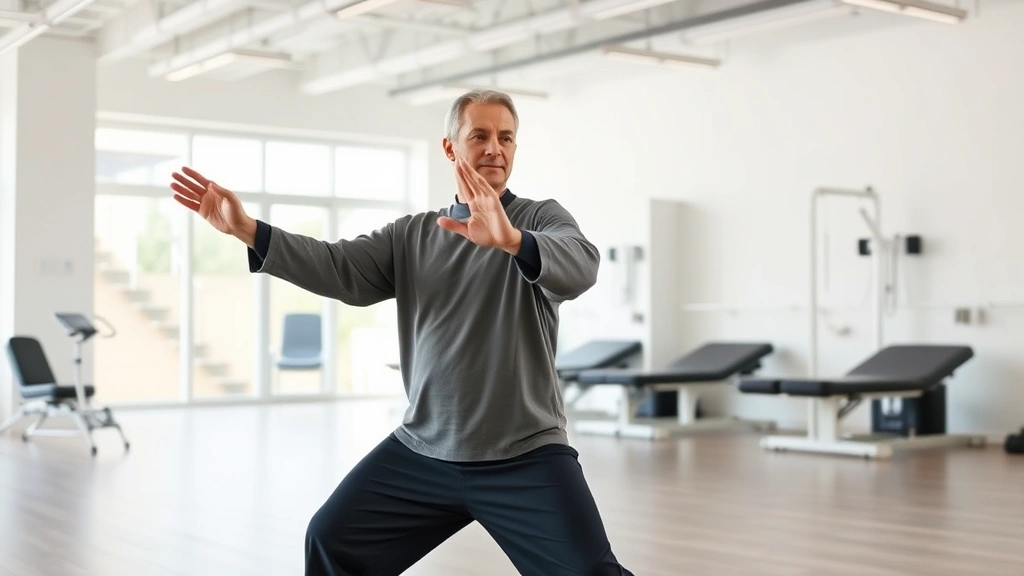
Mindful Movement: Gentle, deliberate movement combined with present-moment awareness creates powerful healing opportunities. Tai Chi, Qigong, and mindful stretching integrate movement rehabilitation with meditative awareness. These practices improve balance, flexibility, and strength while simultaneously cultivating mindfulness. Research from the American Psychological Association documents that mindful movement reduces fall risk by 40 percent in older adults recovering from injury.
Diaphragmatic Breathing: Controlled breathing activates the parasympathetic nervous system, reducing stress and promoting healing. Patients learn to breathe deeply into the diaphragm rather than shallow chest breathing, which perpetuates stress responses. Five minutes of diaphragmatic breathing reduces heart rate variability, decreases cortisol, and improves oxygen delivery to healing tissues. This technique proves particularly valuable before physical therapy sessions, preparing the body for therapeutic exercises.
Loving-Kindness Meditation: This practice involves directing compassionate thoughts toward oneself and others. For patients struggling with frustration about recovery limitations, loving-kindness meditation cultivates self-compassion and reduces the negative self-talk that undermines motivation. Studies demonstrate that self-compassion predicts better rehabilitation adherence and improved psychological outcomes.
Mindful Breathing During Exercise: Combining breath awareness with therapeutic exercises amplifies both the physical and mental benefits. Patients focus on breath coordination with movement, enhancing body awareness and reducing pain perception. This integration proves especially valuable during challenging rehabilitation exercises, where mindful attention reduces the perceived difficulty and improves exercise tolerance.
Integration with Professional Therapy Services
While mindfulness offers powerful self-directed benefits, optimal recovery results from integrating these practices with professional therapeutic guidance. Facilities specializing in occupational therapy and rehabilitation services increasingly incorporate mindfulness training into comprehensive treatment protocols.
Physical therapists trained in mindfulness integration assess patients’ current awareness capacities and design personalized practices aligned with rehabilitation goals. Early-stage recovery typically emphasizes gentle body awareness and breathing techniques, gradually progressing to mindful movement and more advanced practices as function improves. This graduated approach prevents overwhelming patients while systematically building mindfulness capacity.
Mindfulness-informed therapists modify their treatment approach based on patients’ awareness levels. They encourage patients to notice movement quality, pain patterns, and emotional responses during exercises rather than simply completing prescribed repetitions. This attentional shift transforms passive rehabilitation into active learning, where patients develop genuine understanding of their bodies and recovery processes.
Group mindfulness programs in rehabilitation settings create additional benefits through social support and shared experience. Patients recovering from similar injuries practice together, offering mutual encouragement and reducing isolation. Research demonstrates that group-based mindfulness interventions produce superior outcomes compared to individual practice, likely due to enhanced motivation and accountability.
Integration with complementary therapies like red light therapy creates multimodal treatment approaches addressing recovery from multiple angles. While mindfulness addresses neurological and psychological dimensions, complementary modalities target tissue-level healing, creating synergistic benefits that accelerate overall recovery.
Real-World Applications and Success Stories
Numerous clinical populations benefit dramatically from mindfulness-integrated recovery protocols. Athletes recovering from sports injuries demonstrate exceptional outcomes when combining physical rehabilitation with mindfulness training. Research from PubMed Central documents that athletes using mindfulness-based interventions return to competition 23 percent faster than control groups and report superior confidence in injured areas.
Post-surgical patients represent another population experiencing remarkable benefits. Mindfulness reduces post-operative pain, decreases anxiety, improves sleep quality, and accelerates functional recovery. Patients practicing mindfulness before surgery demonstrate reduced anesthesia requirements, faster wound healing, and lower infection rates—demonstrating that pre-operative mindfulness preparation creates measurable physiological benefits.
Chronic pain patients, including those with fibromyalgia, complex regional pain syndrome, and persistent post-injury pain, show substantial improvements through mindfulness-based interventions. These populations often experience profound psychological distress alongside physical symptoms. Mindfulness addresses both dimensions simultaneously, reducing pain catastrophizing, improving mood, and restoring functional capacity that pain typically restricts.
Neurological recovery patients, including those rehabilitating from stroke or traumatic brain injury, benefit from mindfulness’s neuroplasticity-enhancing effects. Patients develop improved awareness of affected limbs, better motor control, and enhanced cognitive function. The attentional capacity developed through mindfulness practice directly transfers to rehabilitation exercises, accelerating functional gains.
One notable example involves a professional musician recovering from a severe hand injury. Traditional physical therapy restored basic function, but fine motor control remained compromised. Integrating mindfulness and body scan practices enhanced proprioceptive feedback, enabling the musician to develop precise finger control and return to professional performance within six months rather than the projected eighteen-month timeline.
Another case involved an older adult recovering from hip replacement surgery. Initial rehabilitation progress plateaued at six weeks post-operation. After beginning daily mindfulness practice and mindful movement, the patient demonstrated rapid functional improvements, eventually exceeding pre-injury mobility levels. The patient attributed this breakthrough to enhanced body awareness and reduced fear-avoidance behaviors that mindfulness cultivated.
These success stories reflect broader patterns documented in rehabilitation literature: patients who incorporate mindfulness into recovery protocols consistently outperform those relying on conventional approaches alone. The combination addresses the complete recovery picture—biological healing, pain management, psychological adjustment, and functional restoration—creating comprehensive, sustainable improvements.
FAQ
How long does it take to see benefits from mindfulness practice?
Most patients report initial benefits within two to three weeks of consistent practice. However, substantial improvements in pain reduction, mood, and functional capacity typically emerge after six to eight weeks of daily practice. Long-term benefits continue accumulating throughout recovery, with optimal results appearing after three months of sustained engagement.
Can mindfulness replace physical therapy?
No. Mindfulness complements but does not replace physical therapy. Tissue healing requires mechanical rehabilitation, strengthening, and functional retraining that mindfulness alone cannot provide. However, mindfulness significantly enhances physical therapy’s effectiveness by improving adherence, reducing pain perception, and accelerating neural adaptation to movement changes.
What is the recommended daily practice duration?
Research suggests that 10-20 minutes of daily mindfulness practice produces measurable benefits for rehabilitation. Some patients benefit from multiple shorter sessions (5-10 minutes) rather than single longer sessions. Consistency matters more than duration; daily practice proves more effective than occasional longer sessions.
Are there contraindications to mindfulness practice during recovery?
Mindfulness is generally safe for all populations. However, patients with certain psychiatric conditions like active psychosis or severe trauma should practice under professional guidance. Physical limitations may require modified practices; for example, patients unable to lie down can practice body scans in seated positions.
How do I find qualified mindfulness instructors for rehabilitation?
Look for instructors with specialized training in mindfulness-based stress reduction (MBSR) or mindfulness-based cognitive therapy (MBCT). Many physical therapy centers now employ mindfulness-trained therapists. Alternatively, consult your primary healthcare provider for referrals to qualified practitioners in your area.
Can mindfulness help with psychological aspects of recovery?
Absolutely. Mindfulness directly addresses anxiety, depression, and emotional distress commonly accompanying physical injury. By cultivating acceptance and reducing rumination about recovery limitations, mindfulness improves psychological resilience essential for sustained engagement in rehabilitation.