Vacuum Therapy: Does It Boost Mental Wellness?
Vacuum therapy has emerged as an intriguing wellness trend, capturing the attention of health enthusiasts and practitioners seeking alternative approaches to mental health improvement. This non-invasive therapeutic technique uses controlled pressure variations to stimulate the body’s natural healing responses. While some advocates claim significant mental wellness benefits, the scientific evidence remains mixed, warranting a comprehensive examination of both the mechanisms and the reality behind these claims.
Understanding whether vacuum therapy can truly enhance mental wellness requires exploring its physiological effects, examining available research, and comparing it to established therapeutic practices. This guide provides an evidence-based overview of vacuum therapy’s potential role in mental health management, helping you make informed decisions about whether this approach aligns with your wellness goals.
What Is Vacuum Therapy?
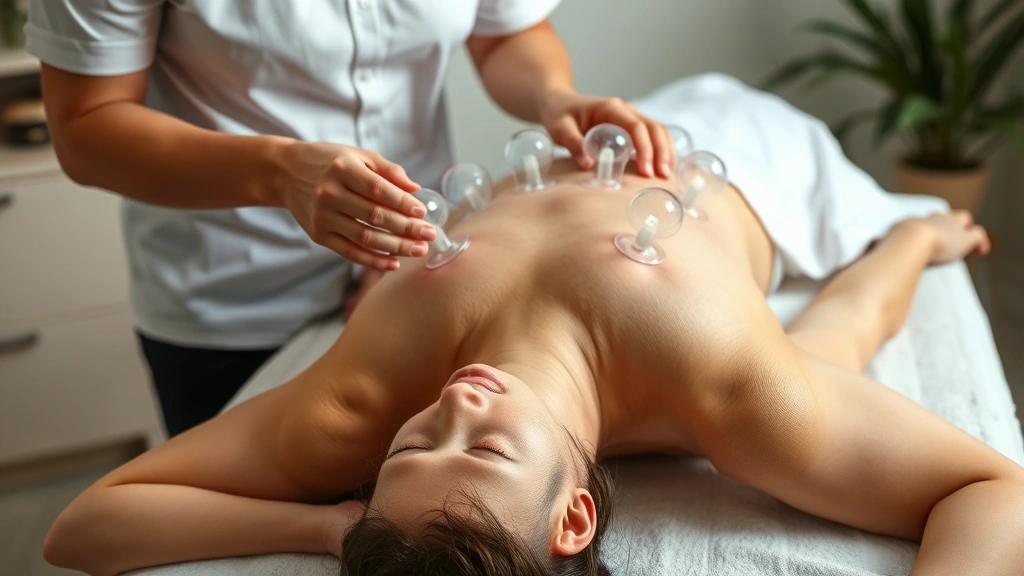
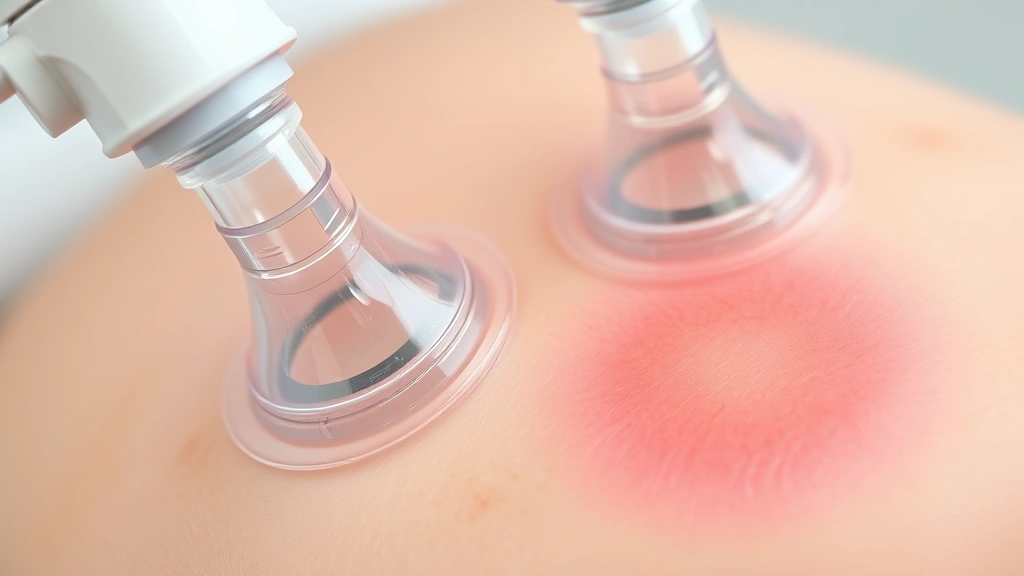
Vacuum therapy, also known as cupping therapy or vacuum-assisted tissue mobilization, involves applying cups or devices to the skin that create a controlled partial vacuum. This suction draws the skin and underlying tissues upward into the cup, creating negative pressure against the body’s surface. The technique has roots in traditional medicine systems, particularly in Chinese and Middle Eastern healing practices, where it has been used for thousands of years.
Modern vacuum therapy devices range from manual cups to automated electric systems that allow practitioners to adjust pressure levels with precision. The therapy is typically applied to specific body areas, often the back, shoulders, or limbs, though some practitioners claim benefits from applying vacuum therapy to various regions depending on the intended therapeutic outcome. Sessions usually last between 5 to 15 minutes, and practitioners may use sliding techniques with oils or perform stationary applications.
The resurgence of vacuum therapy in contemporary wellness culture reflects broader interest in holistic and alternative health approaches. Many spas, wellness centers, and physical therapy clinics now offer vacuum therapy services, often marketing them as solutions for pain relief, muscle tension, and increasingly, for mental health enhancement.
How Vacuum Therapy Works Physiologically
Proponents of vacuum therapy suggest it works through several physiological mechanisms. The primary mechanism involves increasing blood circulation to treated areas. By creating negative pressure, the therapy theoretically draws blood to the surface tissues, potentially improving oxygen delivery and nutrient supply to affected regions. This enhanced circulation may reduce muscle tension and promote tissue repair.
The suction created by vacuum therapy also stimulates the lymphatic system, according to advocates. The lymphatic system plays a crucial role in immune function and waste removal. By encouraging lymphatic drainage, supporters argue that vacuum therapy helps eliminate toxins and reduces inflammation throughout the body. Reduced inflammation, they contend, could indirectly support mental wellness by decreasing overall systemic stress.
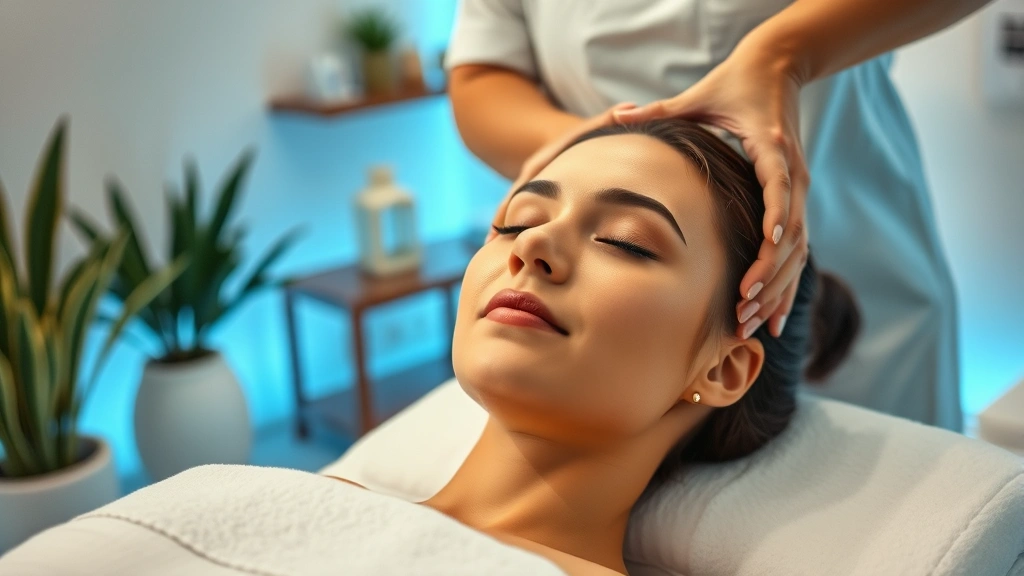
Another proposed mechanism involves stimulating mechanoreceptors—sensory receptors in the skin and muscles that respond to pressure and touch. Vacuum therapy’s pressure variations may activate these receptors, potentially triggering relaxation responses through the parasympathetic nervous system. This activation could theoretically reduce stress hormone production and promote a sense of calm and well-being.
Additionally, vacuum therapy may release endorphins, the body’s natural pain-relieving and mood-enhancing chemicals. The mild discomfort some people experience during treatment could potentially trigger endorphin release, similar to how other stimulating therapies work. However, it’s important to note that these mechanisms remain largely theoretical, with limited direct scientific verification of their specific mental health benefits.
Claimed Mental Wellness Benefits
Vacuum therapy advocates claim a range of mental wellness benefits, though these claims often exceed the current scientific evidence. The most commonly cited benefit is stress reduction. Supporters argue that the relaxing sensation of vacuum therapy, combined with improved circulation and reduced muscle tension, creates a therapeutic experience that lowers stress levels. The physical relaxation from reduced muscle tension may indeed contribute to psychological relaxation, creating a mind-body connection.
Improved sleep quality is another frequently mentioned benefit. Some practitioners claim that vacuum therapy’s relaxation effects help regulate sleep patterns and promote deeper, more restorative sleep. Since sleep quality significantly impacts mental health, mood regulation, and cognitive function, improvements in sleep could theoretically enhance overall mental wellness.
Anxiety reduction represents another claimed benefit. The calming sensations during treatment, combined with the ritual and attention involved in receiving therapy, may reduce anxiety symptoms for some individuals. The focused attention and body awareness during sessions could also promote mindfulness, a recognized mental wellness practice.
Pain relief is perhaps the most credible claimed benefit, with some research supporting vacuum therapy’s effectiveness for musculoskeletal pain. Since chronic pain significantly impacts mental health, contributing to depression and anxiety, pain reduction could indirectly improve mental wellness. However, this indirect benefit differs from direct mental health enhancement.
Current Scientific Evidence
The scientific evidence supporting vacuum therapy’s mental wellness benefits remains limited and inconclusive. While some studies suggest potential benefits for musculoskeletal conditions, research specifically examining mental health outcomes is sparse. A systematic review examining cupping therapy’s effectiveness found mixed results, with many studies suffering from methodological limitations including small sample sizes and lack of proper control groups.
Research published in medical journals indicates that vacuum therapy may provide some benefit for neck and shoulder pain, particularly when combined with other treatments. However, the evidence for pain relief itself is moderate at best, and studies on mental health benefits specifically are virtually nonexistent. Most claims about mental wellness improvements lack rigorous clinical trial support.
The placebo effect likely plays a significant role in reported mental wellness benefits. The therapeutic ritual, practitioner attention, expectation of improvement, and relaxing environment all contribute to perceived benefits regardless of the therapy’s direct physiological effects. This doesn’t invalidate the experience for individuals who find it helpful, but it’s important to recognize that perceived benefits may not reflect specific therapeutic mechanisms.
One important consideration is that high-quality research on vacuum therapy’s mental health effects would require randomized controlled trials comparing real vacuum therapy to sham treatments while blinding participants to their group assignment. Such studies are expensive and time-consuming, which partly explains the limited evidence base. The National Institutes of Health research database contains relatively few rigorous studies on this topic.
Comparison to Other Therapies
When evaluating vacuum therapy’s mental wellness potential, comparing it to established therapeutic approaches provides useful perspective. Red light therapy offers another non-invasive alternative, with emerging research suggesting potential benefits for mood and seasonal affective disorder. However, red light therapy has stronger preliminary research support than vacuum therapy for mental health applications.
Traditional psychotherapy and counseling remain gold-standard approaches for addressing mental health concerns, with decades of research demonstrating effectiveness for depression, anxiety, and other conditions. Medications prescribed by mental health professionals also have substantial evidence supporting their efficacy. Vacuum therapy should not replace these evidence-based treatments.
Massage therapy, which shares some similarities with vacuum therapy in terms of physical stimulation and relaxation benefits, has more robust research support. Studies indicate massage therapy can reduce anxiety, improve mood, and enhance overall well-being. The tactile stimulation and therapeutic relationship in massage may provide clearer mental health benefits than vacuum therapy alone.
Mindfulness-based stress reduction, yoga, and exercise have strong scientific evidence supporting their mental health benefits. These approaches address mental wellness through mechanisms including stress reduction, improved body awareness, and enhanced emotional regulation. They may be more reliably effective than vacuum therapy for mental health enhancement.
That said, vacuum therapy might serve as a complementary approach within a broader wellness strategy. When combined with established mental health treatments, physical activity, and other evidence-based practices, it could contribute to an overall sense of well-being, even if its independent mental health effects remain unproven.
Safety Considerations and Risks
While vacuum therapy is generally considered safe for most people, certain risks and contraindications exist. The most common side effect is temporary bruising or discoloration at the treatment site, resulting from the suction’s effects on blood vessels. These marks typically fade within days to weeks and aren’t dangerous, though some people find them cosmetically concerning.
Skin irritation, including redness and sensitivity, can occur, particularly with aggressive or prolonged applications. Some individuals experience temporary soreness in treated areas. These effects are usually mild and resolve quickly, but they indicate the therapy does create physical stress on tissues.
Vacuum therapy is contraindicated for certain conditions. People with bleeding disorders or taking blood thinners should avoid this therapy due to increased bruising risk. Those with skin conditions like eczema, psoriasis, or active skin infections should not receive vacuum therapy on affected areas. Pregnancy represents another contraindication, as some traditional practices suggest vacuum therapy could affect pregnancy, though evidence is limited.
Individuals with severe osteoporosis should exercise caution, as the suction could potentially cause bone-related complications. People with varicose veins or deep vein thrombosis should avoid vacuum therapy in affected areas. Those with recent surgery or open wounds should wait until areas have fully healed before receiving treatment.
Choosing qualified practitioners is essential for safety. Practitioners should understand anatomy, sterilization protocols, and appropriate pressure levels. Poor technique can increase bruising, cause burns if heat is used improperly, or lead to other complications. Always verify that practitioners have appropriate training and credentials.
Integration With Mental Health Care
If you’re considering vacuum therapy as part of your mental wellness strategy, integration with established mental health care is important. Vacuum therapy should complement, not replace, professional mental health treatment. If you’re experiencing depression, anxiety, or other mental health conditions, working with qualified mental health professionals remains essential.
Many people find that combining multiple wellness approaches yields better results than any single intervention. Understanding therapy costs and options helps you build a comprehensive mental health strategy that may include professional counseling, medication when appropriate, physical activity, mindfulness practices, and complementary therapies like vacuum therapy.
Communication with your healthcare providers about vacuum therapy is important, particularly if you have underlying health conditions or take medications. Some practitioners work collaboratively with conventional healthcare providers, while others operate independently. Seeking integrated care where your various practitioners communicate can optimize your overall wellness approach.
Setting realistic expectations about vacuum therapy’s mental health effects is crucial. Rather than expecting dramatic mood improvements, consider it as one element of a broader wellness routine. Some people report enjoying the relaxation experience and feeling temporarily calmer afterward, which has value even without proven direct mental health benefits.
For those interested in exploring various therapeutic modalities, visiting therapy resources and guides can help you understand different approaches and make informed decisions. Similarly, exploring physical therapy treatment options demonstrates how different therapeutic approaches address various health concerns with varying levels of evidence support.
Documenting your experiences with vacuum therapy can help you assess whether it genuinely benefits your mental wellness or simply provides a pleasant relaxation experience. Keep notes about mood, anxiety levels, sleep quality, and overall well-being before and after treatments to identify any patterns or improvements.
FAQ
Is vacuum therapy scientifically proven to improve mental health?
No, vacuum therapy lacks rigorous scientific evidence specifically demonstrating mental health improvements. While some research suggests potential benefits for musculoskeletal pain, studies examining direct mental wellness effects are virtually nonexistent. Any mental health benefits reported are likely attributable to relaxation, placebo effects, and the therapeutic ritual rather than specific physiological mechanisms.
How often should someone receive vacuum therapy for mental wellness?
There are no established protocols for optimal frequency. Practitioners may recommend weekly, bi-weekly, or monthly sessions, but these recommendations lack scientific basis. The appropriate frequency depends on individual response, tolerance, and whether you’re using it as a complementary therapy alongside other treatments.
Can vacuum therapy replace conventional mental health treatment?
Absolutely not. Vacuum therapy should never replace professional mental health treatment for depression, anxiety, or other mental health conditions. If you’re experiencing mental health concerns, working with qualified mental health professionals is essential. Vacuum therapy might complement professional treatment but cannot substitute for it.
Are there specific mental health conditions vacuum therapy addresses better than others?
There’s insufficient evidence to suggest vacuum therapy addresses any specific mental health condition more effectively than others. Any perceived benefits likely relate to general relaxation rather than condition-specific mechanisms. Conditions with strong evidence-based treatments should be addressed through those proven approaches.
What’s the difference between vacuum therapy and massage therapy for mental wellness?
Massage therapy has stronger research support for mental health benefits including anxiety reduction and mood improvement. While both involve physical stimulation and relaxation, massage therapy’s mechanisms are better understood and studied. Massage might be a more evidence-based choice if your goal is mental health improvement.
How long do mental wellness effects from vacuum therapy last?
Any mental wellness effects, if they occur, are typically temporary, lasting hours to perhaps a day or two. This is consistent with relaxation benefits rather than lasting therapeutic change. This temporary nature suggests that vacuum therapy, if beneficial at all, works more as a relaxation technique than a treatment creating sustained mental health improvement.
Is vacuum therapy covered by insurance for mental health purposes?
Most insurance plans don’t cover vacuum therapy for mental health, as it lacks established efficacy for mental health conditions. Some plans might cover it for musculoskeletal pain when prescribed by healthcare providers, but mental health coverage is unlikely. Always check your specific insurance policy.
Can vacuum therapy be combined with psychiatric medications?
Generally, yes, vacuum therapy should be safe to combine with psychiatric medications. However, inform both your psychiatrist and vacuum therapy practitioner about all medications you take. Certain medications affecting bleeding or skin sensitivity might interact with vacuum therapy, so professional guidance is important.
What credentials should vacuum therapy practitioners have?
Look for practitioners with certification from recognized organizations, training in anatomy and physiology, and understanding of contraindications. Some practitioners have nursing or physical therapy backgrounds, which provides additional credibility. Ask about their training, experience, and whether they maintain continuing education in their field.