Trigger Finger Relief: Effective Therapies Explained
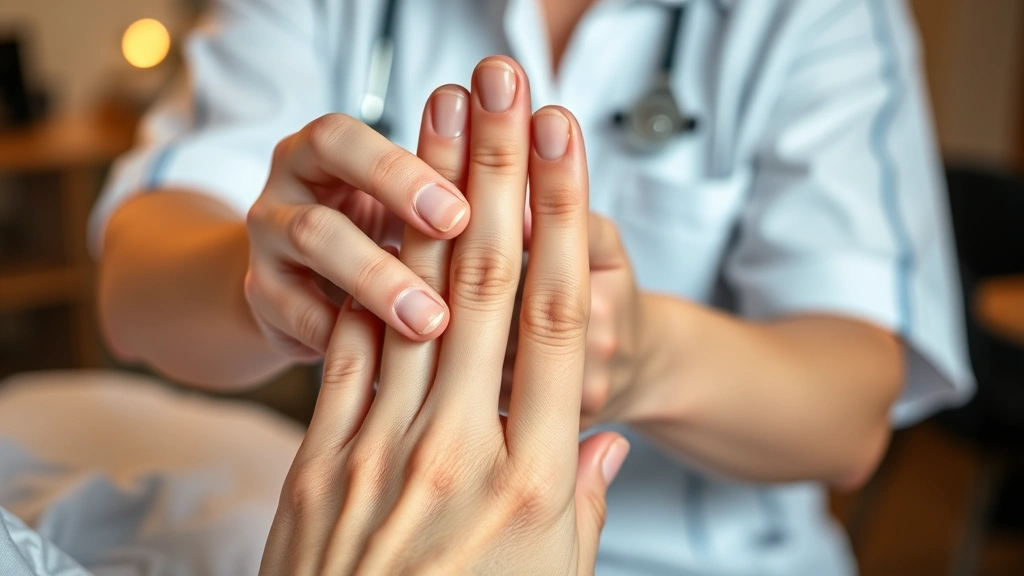
Trigger finger, medically known as stenosing tenosynovitis, is a common hand condition that affects millions of people worldwide. This painful condition occurs when the tendon in your finger becomes inflamed, causing the finger to lock or catch when you try to bend or straighten it. The sensation often feels like your finger is stuck and requires a conscious effort to release, resembling the action of pulling a trigger on a gun—hence the name.
Whether you’re experiencing mild discomfort or severe pain that’s affecting your daily activities, understanding the available therapy resources and treatment options is essential for finding relief. This comprehensive guide explores evidence-based therapies that can help you manage trigger finger effectively, from conservative treatments to advanced medical interventions.
Understanding Trigger Finger: Causes and Symptoms
Trigger finger develops when the sheath surrounding the tendon that controls finger movement becomes inflamed or thickened. This inflammation restricts the tendon’s ability to glide smoothly through the sheath, causing the characteristic catching or locking sensation. Understanding what causes your trigger finger is the first step toward effective treatment.
Several factors contribute to trigger finger development. Repetitive gripping activities, particularly those requiring forceful hand movements, significantly increase your risk. People with diabetes, rheumatoid arthritis, and hypothyroidism experience higher incidence rates. Age also plays a role, with the condition most common in people between 40 and 60 years old, though it can affect individuals of any age.
The symptoms of trigger finger typically progress gradually. Initially, you might notice mild stiffness in the morning or slight discomfort when gripping objects. As the condition worsens, you’ll experience audible or palpable clicking when moving the affected finger. In advanced cases, the finger may become locked in a bent position, requiring manual straightening with your other hand. Pain is usually concentrated at the base of the finger where the tendon sheath is located.
Conservative Treatment Approaches
Conservative treatments form the foundation of trigger finger management and are often the first line of defense recommended by healthcare professionals. These non-invasive approaches can provide significant relief, especially when implemented early in the condition’s progression.
Rest and Activity Modification
One of the most effective initial strategies involves resting the affected hand and modifying activities that exacerbate symptoms. Taking breaks from repetitive gripping activities allows inflammation to subside naturally. This doesn’t mean complete immobilization—rather, it involves being mindful of activities that trigger pain and temporarily reducing their frequency or intensity. Many people find relief by alternating hands during tasks or using ergonomic tools designed to reduce grip strain.
Ice Therapy and Anti-Inflammatory Measures
Applying ice to the affected area for 15-20 minutes several times daily helps reduce inflammation and numbs pain. Cold therapy works best when applied immediately after activities that aggravate symptoms. Additionally, over-the-counter nonsteroidal anti-inflammatory drugs (NSAIDs) like ibuprofen can help manage pain and reduce inflammation, though they should be used as directed and discussed with your healthcare provider.
Splinting and Immobilization
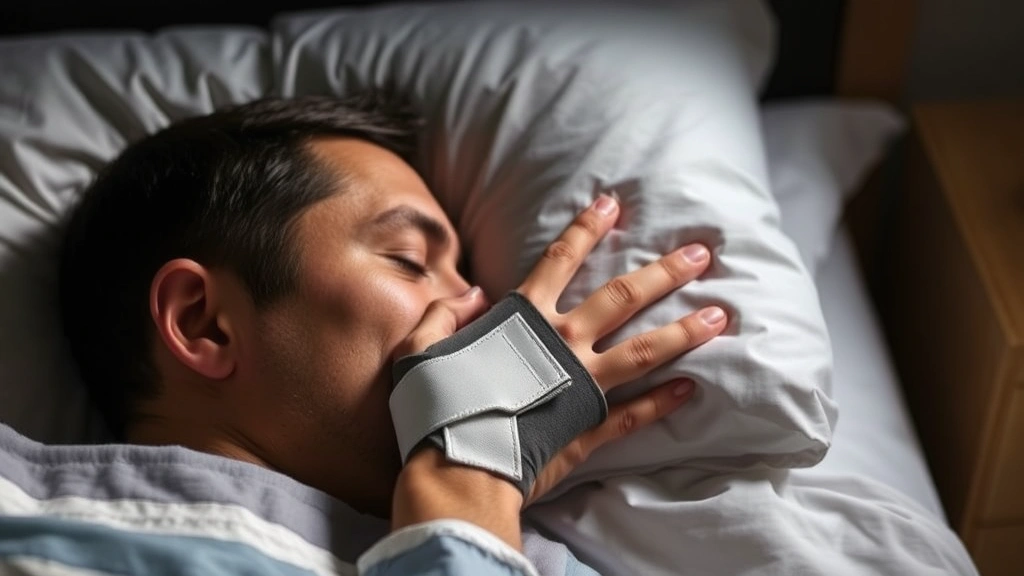
Night splints are particularly effective for trigger finger relief. These devices keep your finger in an extended position while you sleep, preventing the repeated bending and straightening that aggravates the condition. By maintaining the tendon in a relaxed position during rest, splints allow inflammation to decrease significantly. Daytime splinting during activities that trigger symptoms can also provide substantial benefits. Many patients report noticeable improvement within 4-6 weeks of consistent splint use.
Physical and Occupational Therapy Strategies
Professional therapy plays a crucial role in trigger finger management, offering personalized treatment plans that address your specific needs and functional limitations. Occupational therapy professionals specialize in helping patients restore hand function and return to their normal activities.
Therapeutic Exercises
Specific exercises help improve tendon mobility and reduce inflammation. A skilled therapist will teach you gentle stretching movements that gradually increase your finger’s range of motion without causing pain. These exercises typically involve slow, controlled movements performed multiple times daily. Progressive strengthening exercises help restore normal hand function as inflammation decreases. The key is performing exercises consistently and at the appropriate intensity—too aggressive exercise can worsen inflammation, while insufficient exercise limits recovery.
Manual Therapy Techniques
Physical therapists employ various hands-on techniques to improve outcomes. Soft tissue mobilization targets the inflamed tendon sheath, helping break down adhesions and improve tissue mobility. Gentle joint mobilizations address any secondary restrictions that may have developed from compensatory movement patterns. These techniques, when combined with home exercise programs, accelerate recovery and prevent recurrence.
Ergonomic Assessment and Education
Understanding how you use your hands during work and daily activities is essential for long-term management. Occupational therapists evaluate your work setup, hobbies, and daily tasks to identify aggravating factors. They provide practical recommendations for modifying your environment and technique to reduce stress on the affected tendon. This might include ergonomic keyboard positioning, proper tool selection, or activity pacing strategies.
Functional Training
As your condition improves, therapists help you gradually return to activities you enjoy. This graduated return-to-activity approach prevents re-injury while building confidence in your healing hand. Physical therapy treatment approaches emphasize functional restoration rather than simply treating symptoms.
Medical Interventions and Injections
When conservative therapies don’t provide adequate relief after 4-6 weeks, medical interventions offer effective alternatives. These treatments address the underlying inflammation more directly and can provide dramatic symptom relief.
Corticosteroid Injections
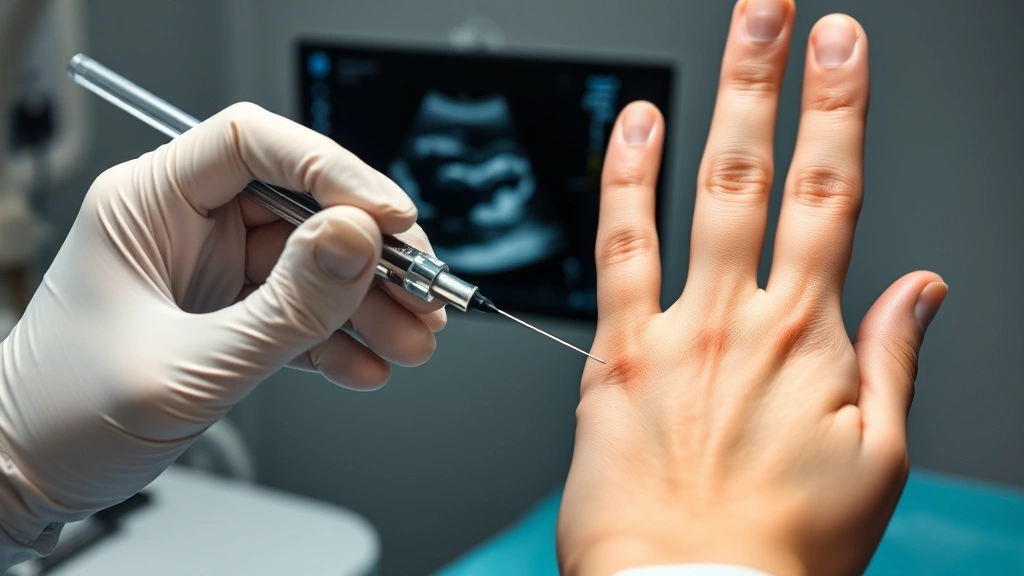
Corticosteroid injections deliver powerful anti-inflammatory medication directly to the affected tendon sheath. This targeted approach provides relief much faster than oral medications and avoids systemic side effects. Research published in clinical journals demonstrates that approximately 60-70% of patients experience complete symptom resolution following a single injection. The procedure is minimally invasive, performed in an office setting, and requires no downtime. Effects typically become noticeable within days and reach maximum benefit within 1-2 weeks.
Hyaluronic Acid Injections
Hyaluronic acid, a naturally occurring substance in joint fluid, has shown promise in recent clinical studies for trigger finger treatment. These injections lubricate the tendon sheath, reducing friction and inflammation. Some patients prefer this option as it uses a naturally occurring substance rather than a steroid medication. Multiple injections may be needed for optimal results, and the approach works particularly well for mild to moderate cases.
Platelet-Rich Plasma (PRP) Therapy
PRP therapy represents an emerging treatment option that harnesses your body’s natural healing mechanisms. Blood is drawn, processed to concentrate platelets and growth factors, then injected into the affected tendon sheath. These growth factors promote tissue healing and reduce inflammation. While research is ongoing, early studies show promising results, particularly for patients seeking alternatives to steroid injections or surgery.
Advanced Treatment Options
Surgical Intervention
Surgery becomes an option when conservative treatments and injections fail to provide lasting relief. The procedure, called trigger finger release or tenotomy, involves making a small incision at the base of the finger to open the constricted tendon sheath. This allows the tendon to move freely without catching. Success rates exceed 90%, with most patients experiencing immediate symptom relief. Recovery is relatively quick, with most people resuming normal activities within 2-4 weeks.
Percutaneous release represents a less invasive surgical variation using a needle to divide the constricting tissue. This technique requires no stitches and involves minimal tissue trauma, though it carries slightly higher recurrence rates than traditional surgery. The choice between approaches depends on your specific situation and surgeon recommendation.
Ultrasound-Guided Therapies
Advanced ultrasound imaging allows physicians to visualize the affected tendon sheath in real-time, improving treatment accuracy. Ultrasound-guided injections ensure medication reaches the exact location of inflammation. Some centers offer ultrasound-guided needle tenotomy, a minimally invasive procedure that divides the constricting tissue using ultrasound visualization. This approach offers benefits between conservative therapy and traditional surgery.
Combination Approaches
The most effective trigger finger management often combines multiple treatment modalities. For example, a patient might receive a corticosteroid injection while simultaneously beginning therapy services and implementing ergonomic modifications. This comprehensive approach addresses inflammation, restores function, and prevents recurrence simultaneously.
Prevention and Long-Term Management
Activity Modification Strategies
Long-term success requires ongoing attention to activities that stress the tendons. Varying your hand activities throughout the day prevents overuse of any single tendon. Taking regular breaks during repetitive tasks allows tissues to recover. Using proper technique during activities—whether typing, playing instruments, or doing manual labor—significantly reduces your risk of recurrence.
Ergonomic Optimization
Investing in ergonomic tools and workspace setup provides lasting benefits. Ergonomic keyboards, mouse devices, and gripping tools reduce stress on hand tendons. Proper desk height, chair positioning, and monitor placement prevent compensatory strain patterns. Understanding therapy cost and insurance coverage helps you access professional ergonomic assessments when needed.
Maintenance Exercises
Even after complete symptom resolution, continuing gentle stretching and strengthening exercises helps prevent recurrence. These maintenance exercises require only 5-10 minutes daily and serve as insurance against future problems. Many therapists recommend continuing exercises indefinitely, particularly if your work or hobbies involve repetitive hand use.
Managing Underlying Conditions
If you have diabetes, rheumatoid arthritis, or other conditions that increase trigger finger risk, optimal management of these conditions reduces your likelihood of developing trigger finger. Working with your healthcare team to maintain good disease control provides multiple health benefits beyond trigger finger prevention.
Recognizing Early Warning Signs
Learning to recognize early symptoms allows you to implement preventive measures before the condition progresses. Morning stiffness or mild clicking are early warning signs that warrant increased rest, ice therapy, and activity modification. Early intervention prevents the condition from worsening and requiring more intensive treatment.
FAQ
How long does trigger finger typically last without treatment?
Without treatment, trigger finger can persist indefinitely or even worsen over time. Some cases spontaneously resolve, but this is unpredictable. Most medical professionals recommend starting treatment early to prevent progression and achieve faster relief.
Can trigger finger resolve on its own?
While spontaneous resolution is possible, it’s relatively uncommon. Approximately 10% of cases resolve without intervention, but waiting for spontaneous resolution means enduring pain and functional limitations that could be quickly relieved through therapy. Early treatment significantly improves outcomes and prevents chronic complications.
Is surgery necessary for all trigger finger cases?
No, surgery is not necessary for most cases. The majority of trigger finger cases respond well to conservative treatments and injections. Surgery is reserved for cases that don’t respond to other interventions or for patients who prefer definitive treatment rather than managing symptoms.
What’s the difference between trigger finger and carpal tunnel syndrome?
These are distinct conditions affecting different structures. Trigger finger involves the tendon sheath at the base of the finger, while carpal tunnel syndrome involves nerve compression in the wrist. Symptoms differ, with trigger finger causing finger catching and carpal tunnel causing tingling and numbness in the hand.
Can trigger finger affect multiple fingers?
Yes, trigger finger can affect multiple fingers simultaneously, though it typically starts in one finger. People with underlying conditions like diabetes or rheumatoid arthritis are more likely to develop multi-finger involvement. Each affected finger may require individualized treatment.
How effective are corticosteroid injections for trigger finger?
Research demonstrates that corticosteroid injections are highly effective, with success rates between 60-70% for a single injection. Some patients require multiple injections, but many experience lasting relief after one treatment. Injections work best when combined with activity modification and therapy.
What role does red light therapy play in trigger finger treatment?
Red light therapy is an emerging treatment option that may help reduce inflammation and promote tissue healing. While research is ongoing, some patients report symptom improvement with red light therapy services. It’s typically used as a complementary therapy alongside other proven treatments rather than as a standalone solution.
How quickly can I return to normal activities after trigger finger treatment?
Recovery timeline depends on your treatment approach. Conservative therapy typically requires 4-6 weeks of consistent implementation. Injections provide relief within days to weeks. Surgical patients usually return to light activities within 2-4 weeks and resume full activities within 6-8 weeks. Your therapist will provide specific guidance based on your treatment.