TMJ Physical Therapy: Local Experts Explain Benefits
Temporomandibular joint (TMJ) disorder affects millions of people worldwide, causing pain, clicking sounds, and difficulty chewing. If you’re searching for TMJ physical therapy near me, you’ve likely experienced the frustration of jaw discomfort that impacts daily life. Local physical therapy experts have developed evidence-based approaches to address TMJ dysfunction, offering relief through targeted exercises, manual therapy, and personalized treatment plans.
Finding qualified professionals who understand the complexity of jaw mechanics is essential for effective treatment. This comprehensive guide explores how local TMJ physical therapy specialists help patients regain function and eliminate pain through proven therapeutic techniques.
Understanding TMJ Disorder and Its Causes
The temporomandibular joint connects your lower jaw to your skull, allowing you to speak, chew, and yawn. When this joint experiences dysfunction, it can result in a range of uncomfortable symptoms. TMJ disorder, often abbreviated as TMD, affects the jaw joint and surrounding muscles, leading to pain and restricted movement.
Local physical therapy experts identify several common causes of TMJ dysfunction. Stress and muscle tension frequently trigger jaw clenching and teeth grinding, conditions known as bruxism. Poor posture, particularly forward head positioning common in desk workers, places excessive strain on the jaw joint. Trauma from accidents or dental procedures can also damage the joint structures. Additionally, arthritis, misaligned bite patterns, and connective tissue disorders contribute to TMJ problems.
Understanding your specific cause is crucial for effective treatment. This is why consulting with local therapy specialists who understand regional health patterns helps identify underlying factors unique to your situation.
How Physical Therapy Treats TMJ Dysfunction
Physical therapy approaches TMJ disorder differently than traditional medical interventions. Rather than relying solely on medications or surgical procedures, physical therapists focus on restoring normal jaw mechanics through targeted interventions. Research published in the Journal of Dental Research demonstrates that conservative physical therapy produces significant improvements in TMJ pain and function.
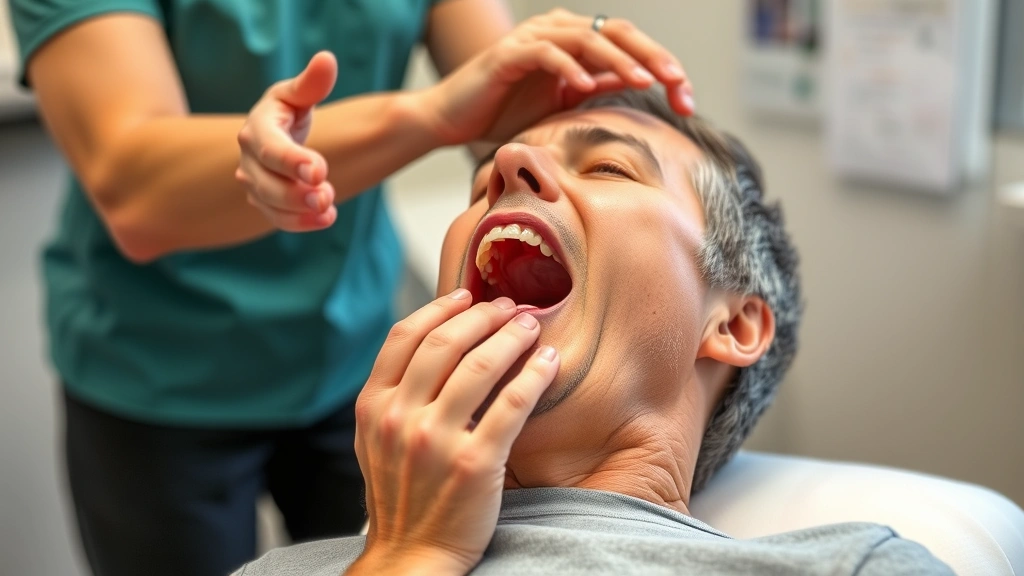
Local experts use manual therapy techniques to release muscle tension and improve joint mobility. These hands-on approaches complement therapeutic exercises designed to strengthen stabilizing muscles and improve proprioception. The goal is to restore balanced muscle activation patterns and reduce compensatory movements that perpetuate dysfunction.
Physical therapists also address postural issues and movement patterns contributing to jaw problems. By correcting cervical spine alignment and shoulder positioning, therapists reduce stress transmitted to the temporomandibular joint. This holistic approach treats not just symptoms but underlying biomechanical dysfunction.
When comparing treatment options, many patients find that comprehensive physical therapy approaches offer advantages over isolated interventions by addressing multiple contributing factors simultaneously.
Key Benefits of Local TMJ Physical Therapy
Seeking TMJ physical therapy near your location offers numerous advantages. Local practitioners understand regional factors affecting jaw health, from climate-related stress patterns to occupational demands specific to your area. These specialists provide convenient access, making consistent treatment adherence realistic.
The primary benefits of TMJ physical therapy include:
- Pain reduction: Targeted techniques decrease jaw joint pain and muscle soreness within weeks for many patients
- Improved function: Patients regain ability to eat, speak, and yawn without discomfort or limitations
- Reduced clicking and popping: Proper joint mechanics eliminate audible joint sounds in many cases
- Decreased headaches: TMJ dysfunction often causes tension headaches; treatment addresses this common comorbidity
- Better sleep quality: Reduced pain and muscle tension improve sleep patterns disrupted by jaw clenching
- Avoided surgery: Conservative physical therapy prevents need for invasive procedures in most cases
- Long-term prevention: Learned strategies and exercises prevent recurrence of symptoms
Insurance coverage varies, but understanding therapy costs and insurance options helps with treatment planning and accessibility.
Assessment and Diagnosis Process
Expert physical therapists begin with comprehensive assessment to identify your specific TMJ dysfunction pattern. The evaluation includes detailed history taking about symptom onset, aggravating activities, and previous treatments attempted.
Physical examination components include:
- Jaw range of motion testing: Measuring opening distance and movement patterns to identify restrictions
- Palpation assessment: Feeling joint structures and muscles to locate tender points and muscle tension
- Joint sound evaluation: Listening for clicking, popping, or grinding during movement
- Bite analysis: Assessing how teeth come together and jaw alignment
- Postural assessment: Evaluating head, neck, and shoulder positioning contributing to dysfunction
- Cervical spine examination: Checking neck mobility and muscle function affecting jaw stability
- Special tests: Performing specific orthopedic tests to assess joint stability and muscle function
This thorough assessment distinguishes TMJ physical therapy from general approaches. Specialists may recommend imaging studies like MRI or cone beam CT scans if indicated, though many cases resolve with physical therapy alone. Collaborating with your dentist or physician ensures comprehensive care addressing all contributing factors.
Common Treatment Techniques Used by Experts
Local TMJ physical therapy experts employ evidence-based techniques proven effective for jaw dysfunction. Understanding these methods helps you appreciate what happens during treatment sessions.
Manual Therapy Techniques
Skilled hands-on therapy includes soft tissue mobilization to release tight muscles in the jaw, neck, and shoulder regions. Joint mobilization techniques gently move the temporomandibular joint through restricted ranges, improving cartilage nutrition and reducing stiffness. Trigger point release addresses hypertonic muscle bands causing referred pain patterns.
Therapeutic Exercise Programs
Progressive exercise programs strengthen jaw stabilizing muscles while improving coordination. Gentle opening and closing exercises with resistance build muscular endurance. Proprioceptive exercises enhance the body’s awareness of jaw position and movement. Postural exercises address cervical and shoulder dysfunction perpetuating jaw problems.
Postural Training and Education
Physical therapists teach proper head posture, particularly for desk workers. Ergonomic modifications reduce strain during daily activities. Awareness training helps patients recognize and reduce jaw clenching habits.
Modality Applications
Therapeutic ultrasound may reduce inflammation in acute cases. Transcutaneous electrical nerve stimulation (TENS) provides pain relief. Heat and ice application manages inflammation and muscle tension appropriately.
Behavioral and Relaxation Strategies
Stress management techniques address psychological factors contributing to jaw tension. Breathing exercises activate parasympathetic nervous system, reducing muscle guarding. Progressive muscle relaxation teaches patients to recognize and release tension patterns.
Research from the National Institutes of Health demonstrates that multimodal physical therapy approaches combining manual therapy, exercise, and behavioral strategies produce superior outcomes compared to single interventions.
Finding Qualified TMJ Specialists Near You
Locating qualified TMJ physical therapy near your location requires knowing what credentials and experience matter. Board-certified physical therapists with specialized training in orofacial dysfunction provide the highest quality care.
Credentials to Seek
- PT or DPT degree from accredited physical therapy programs
- State licensure in your location
- Specialized certifications in temporomandibular dysfunction or orofacial therapy
- Continuing education in advanced TMJ treatment techniques
- Professional memberships in organizations like the International Association for Dental Research
Finding Local Providers
Start by checking your insurance provider’s directory for in-network physical therapists specializing in TMJ. Ask your dentist or physician for referrals to trusted local specialists. Online reviews and professional directories help identify highly-rated practitioners in your area. Many clinics offer free consultations, allowing you to discuss your condition and treatment approach before committing to care.
Exploring related therapeutic services helps build comprehensive wellness plans. For example, understanding how complementary therapies support physical recovery provides additional recovery tools. The MindLift Daily Blog offers comprehensive therapy and wellness resources for exploring integrated treatment approaches.
Home Exercises and Self-Management
Successful TMJ treatment extends beyond the therapy clinic. Expert local practitioners emphasize home exercise programs and self-management strategies that empower patients to control symptoms independently.
Essential Home Exercises
Jaw opening exercises involve slowly opening your mouth to comfortable range without forcing, holding briefly, then closing gently. Perform these 6-8 times, several times daily. Lateral movement exercises involve moving your jaw side-to-side gently against light resistance from your hand. Relaxation exercises teach you to consciously relax jaw muscles, particularly helpful for those with clenching habits.
Postural Corrections
Maintaining neutral head posture prevents excessive jaw joint stress. Keep your ears aligned over your shoulders and avoid forward head positioning. Frequent position changes during desk work prevent muscle fatigue and tension.
Behavioral Modifications
Avoid hard, chewy, or sticky foods that stress the jaw joint. Break larger bites into smaller pieces. Apply ice to reduce acute inflammation or heat to relieve muscle tension. Practice stress management techniques to reduce jaw clenching triggered by emotional tension.
Sleep Hygiene
Sleep positioning affects jaw health significantly. Side sleeping with proper pillow support prevents excessive jaw stress. Avoid sleeping on your stomach, which rotates the head excessively. If you grind your teeth, ask your dentist about protective night guards.
Expected Timeline and Results
Understanding realistic recovery timelines helps maintain motivation during treatment. Most patients experience noticeable improvement within 4-6 weeks of consistent physical therapy, though individual timelines vary based on dysfunction severity and treatment adherence.
Initial Phase (Weeks 1-4)
Early treatment focuses on pain reduction and education. Most patients report decreased pain intensity and improved awareness of contributing habits. Muscle tension begins to release with manual therapy and exercise initiation.
Intermediate Phase (Weeks 5-12)
Functional improvements become evident as jaw mobility increases and clicking sounds diminish. Exercise tolerance improves, allowing progression to more challenging therapeutic activities. Many patients reduce medication use during this phase.
Advanced Phase (Weeks 13+)
Patients develop independence with home programs and demonstrate sustained improvement. Treatment frequency decreases as self-management skills strengthen. Focus shifts to prevention and maintenance strategies.
Research from PubMed Central indicates that 80-90% of TMJ disorder cases improve significantly with conservative physical therapy, with many patients achieving complete symptom resolution without surgical intervention.
Long-term success depends on maintaining learned strategies and addressing stress-related factors. Local physical therapists provide ongoing support through periodic check-ins and updated home programs as needed.
FAQ
What is TMJ physical therapy and how does it differ from other treatments?
TMJ physical therapy uses hands-on techniques, targeted exercises, and behavioral strategies to restore normal jaw function. Unlike medications that mask symptoms or surgery that alters anatomy, physical therapy addresses underlying biomechanical dysfunction and teaches long-term self-management strategies. This conservative approach resolves most TMJ cases without invasive procedures.
How long does TMJ physical therapy treatment typically last?
Most patients benefit from 8-16 weeks of consistent physical therapy, attending 2-3 sessions weekly initially. Treatment duration depends on dysfunction severity, how long symptoms existed, and adherence to home programs. Some patients achieve goals faster, while complex cases may require extended treatment periods.
Can TMJ physical therapy help if I’ve had previous unsuccessful treatments?
Yes. Many patients benefit from TMJ physical therapy even after previous unsuccessful interventions. Specialized evaluation identifies factors previous providers may have missed. Updated techniques and individualized approaches often succeed where previous treatments failed. However, complex cases may benefit from multidisciplinary collaboration involving physical therapists, dentists, and physicians.
Will I need to avoid certain foods during TMJ physical therapy?
Yes, most therapists recommend temporarily avoiding hard, chewy, and sticky foods that stress the jaw joint. As symptoms improve and jaw function normalizes, dietary restrictions typically ease. Your therapist provides specific guidance based on your tolerance and recovery progress.
Is TMJ physical therapy covered by insurance?
Most health insurance plans cover physical therapy for TMJ dysfunction when prescribed by a physician or dentist. However, coverage varies by plan and provider. Check with your insurance company about specific coverage limits, copayments, and authorization requirements. Many clinics assist with insurance verification and billing inquiries. Understanding therapy costs and payment options helps with treatment planning.
Can TMJ physical therapy prevent future jaw problems?
Absolutely. Learning proper posture, stress management, and jaw mechanics during therapy prevents recurrence. Home exercise maintenance programs continue protecting jaw health long-term. Patients who maintain learned strategies typically enjoy sustained symptom relief and avoid future dysfunction.
What should I look for when choosing a TMJ physical therapist near me?
Seek licensed physical therapists with specialized training in temporomandibular dysfunction and orofacial therapy. Check credentials, experience treating similar cases, and patient reviews. Many clinics offer consultations to discuss your condition and treatment approach. Ask about their assessment process, treatment philosophy, and expected outcomes for your specific situation.