TMJ Therapy Benefits: What Experts Recommend
Temporomandibular joint (TMJ) disorder affects millions of people worldwide, causing pain, dysfunction, and significant quality-of-life impacts. The temporomandibular joint connects your jawbone to your skull, enabling essential functions like chewing, speaking, and swallowing. When this complex joint malfunctions, the consequences can be debilitating. Physical therapy has emerged as one of the most effective evidence-based treatments for TMJ disorders, with healthcare providers increasingly recommending it as a first-line intervention before considering surgical options.
Finding TMJ physical therapy near me has become easier as awareness of non-invasive treatment options grows. Expert recommendations consistently emphasize the importance of early intervention and structured rehabilitation programs. This comprehensive guide explores what leading healthcare professionals recommend regarding TMJ therapy, the documented benefits, and how to access quality care in your area.
Understanding TMJ Disorder and Its Impact
Temporomandibular joint disorder encompasses a range of conditions affecting the jaw joint and surrounding musculature. Symptoms vary widely but commonly include jaw pain, clicking or popping sounds, difficulty opening the mouth, facial pain, headaches, and neck stiffness. The American Academy of Orofacial Pain estimates that 5-12% of the population experiences TMJ disorder symptoms, with women being affected more frequently than men.
The causes of TMJ disorder are multifactorial and often interconnected. Stress-related muscle tension, poor posture, trauma or injury to the jaw, arthritis, bite misalignment, and habits like teeth grinding or nail biting can all contribute to dysfunction. Understanding the underlying cause is crucial for effective treatment, as physical therapy can be tailored to address specific mechanical or muscular issues contributing to symptoms.
The impact extends beyond physical symptoms. Chronic jaw pain and dysfunction can affect eating patterns, speech clarity, sleep quality, and emotional well-being. Many patients experience anxiety about their condition, which can paradoxically worsen symptoms through increased muscle tension. This is why comprehensive TMJ therapy addresses both physical rehabilitation and self-management strategies.
Expert Recommendations for TMJ Physical Therapy
The American Physical Therapy Association (APTA) and the American Academy of Orofacial Pain strongly recommend physical therapy as a primary intervention for TMJ disorders. Leading physical therapy organizations emphasize that structured rehabilitation can resolve symptoms in 70-90% of patients when properly implemented.
Dr. Janet Travell’s pioneering research on myofascial pain and trigger points has influenced modern TMJ therapy protocols. Contemporary specialists recommend a multimodal approach combining manual therapy, therapeutic exercise, postural training, and behavioral modification. The evidence supporting this approach is substantial, with numerous peer-reviewed studies demonstrating effectiveness.
When seeking therapy services near you, look for practitioners with specialized training in orofacial disorders. Board-certified specialists in physical therapy often have additional credentials in temporomandibular disorders. Insurance companies increasingly cover TMJ physical therapy due to strong clinical evidence supporting its efficacy and cost-effectiveness compared to surgical interventions.
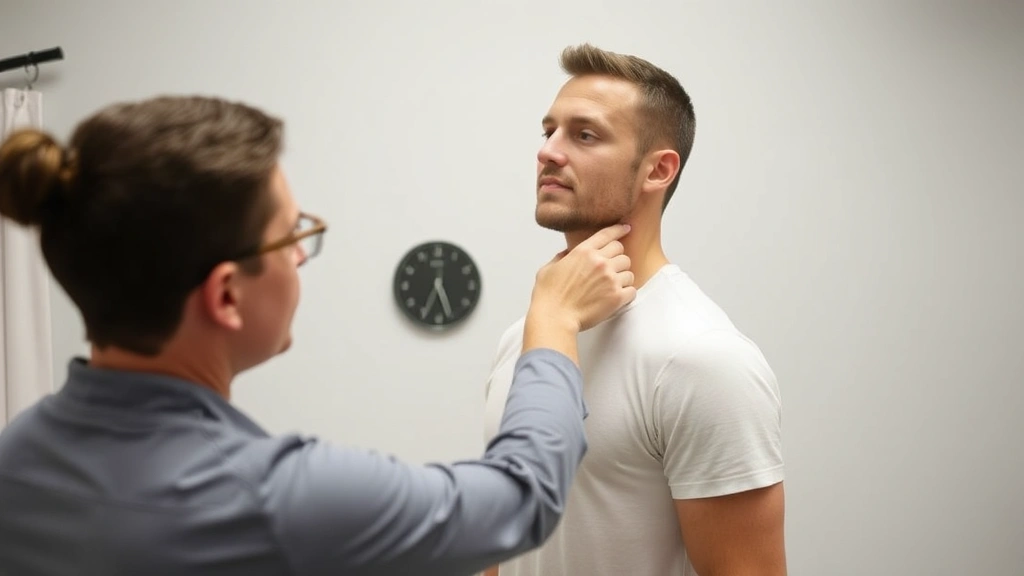
Experts recommend beginning therapy within weeks of symptom onset, as early intervention prevents compensatory movement patterns and chronic pain sensitization. A qualified physical therapist will conduct thorough assessment including range of motion measurements, palpation of muscles and joints, and functional movement analysis to create personalized treatment plans.
Key Benefits of TMJ Therapy
Pain Reduction: The primary benefit most patients seek is pain relief. Physical therapy addresses the root mechanical and muscular causes rather than simply masking symptoms. Manual techniques, therapeutic exercises, and postural correction work together to reduce pain significantly. Many patients report 50-80% pain reduction within 4-8 weeks of consistent therapy.
Restored Jaw Function: TMJ therapy restores normal opening range and jaw mobility. Patients regain ability to eat varied foods, speak clearly without discomfort, and perform daily activities without restriction. Functional improvements often exceed pain reduction, providing psychological benefits beyond physical healing.
Headache and Neck Pain Relief: The jaw and neck musculature are intimately connected. TMJ dysfunction frequently causes tension headaches and cervical pain. Physical therapy addressing jaw mechanics often simultaneously resolves associated head and neck symptoms. This interconnected benefit surprises many patients experiencing referred pain patterns.
Improved Posture: Forward head posture and rounded shoulders commonly accompany TMJ disorder. Therapy includes postural retraining and strengthening exercises that improve alignment. Better posture reduces strain on the jaw joint and associated structures, creating lasting benefits beyond initial pain resolution.
Prevention of Progression: Early intervention prevents compensation patterns that lead to chronic dysfunction. Without treatment, TMJ disorder can progress to degenerative joint disease. Physical therapy interrupts this progression by restoring normal movement patterns and reducing mechanical stress.
Reduced Medication Dependency: Many TMJ patients rely on pain medications, muscle relaxants, or anti-inflammatory drugs. Physical therapy often reduces medication needs, eliminating side effects and improving overall health outcomes. Some patients discontinue medications entirely after completing therapy.
Enhanced Quality of Life: Beyond symptom resolution, patients report improved sleep, reduced anxiety, better eating experiences, and restored confidence in social situations. The psychological impact of regaining normal function should not be underestimated.

Treatment Techniques and Approaches
Modern TMJ physical therapy employs evidence-based techniques refined through decades of clinical experience and research. Understanding these approaches helps patients appreciate the complexity of treatment and maintain realistic expectations.
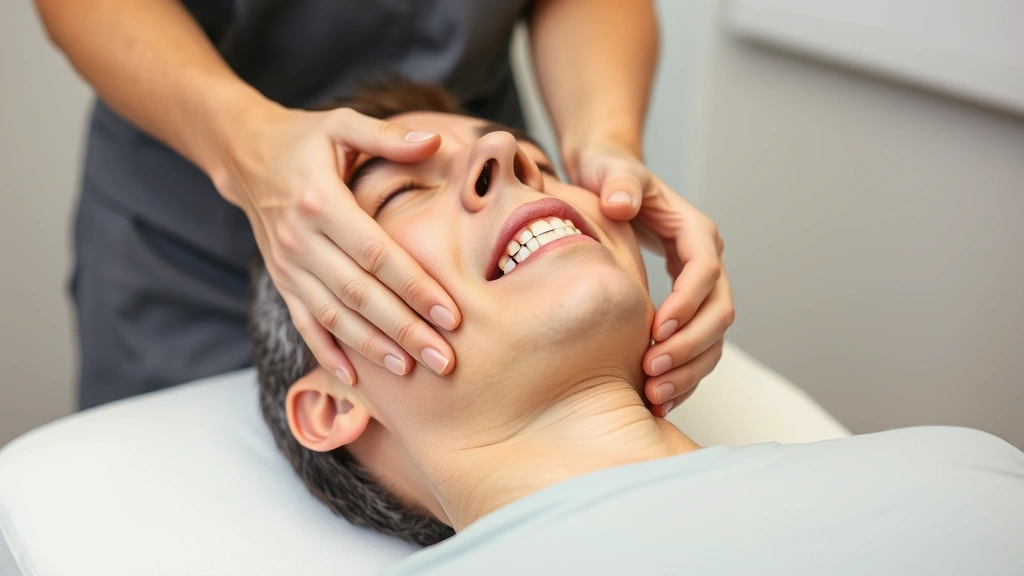
Manual Therapy Techniques: Skilled manual therapy includes soft tissue mobilization, trigger point release, and joint mobilization. Therapists use specific hand techniques to release muscle tension, improve joint arthrokinematics, and reduce pain through neurophysiological mechanisms. These hands-on interventions often provide immediate symptom relief and prepare tissues for exercise.
Therapeutic Exercise: Targeted exercises strengthen weak muscles and restore normal movement patterns. Jaw opening and closing exercises, lateral movements, and resistance exercises build muscular support for the joint. Importantly, exercises progress gradually to avoid overloading healing tissues. Similar to shoulder rehabilitation principles, TMJ therapy emphasizes proper progression and form.
Postural Training: Forward head posture significantly increases stress on the TMJ. Therapists teach patients awareness of proper head position and provide exercises to strengthen postural muscles. Computer workers and phone users benefit particularly from postural retraining, as modern habits perpetuate poor alignment.
Myofascial Release: The fascia surrounding jaw muscles often becomes restricted and painful. Myofascial release techniques, including sustained pressure and stretching, restore tissue mobility and reduce referred pain patterns. This technique particularly benefits patients with widespread pain beyond the jaw.
Relaxation and Stress Management: Stress-related muscle tension perpetuates TMJ dysfunction. Therapists teach relaxation techniques, breathing exercises, and mindfulness approaches to reduce tension. These behavioral strategies are crucial for long-term success and preventing recurrence.
Modalities: While not primary interventions, modalities like therapeutic ultrasound, transcutaneous electrical nerve stimulation (TENS), and heat application provide symptom relief and prepare tissues for manual therapy and exercise. Evidence supports judicious use as adjuncts to active treatment.
Splint and Appliance Guidance: When appropriate, therapists coordinate care with dentists regarding occlusal splints or other appliances. Proper use and adjustment of these devices complements physical therapy and prevents harmful habits like teeth clenching.
Finding Quality TMJ Physical Therapy Services
Locating quality therapy resources and information requires knowing what to look for in providers. Not all physical therapists have specialized TMJ training, so targeted search strategies improve outcomes.
Credentials and Specialization: Seek therapists with additional training in temporomandibular disorders. Certifications from the International Association for Orofacial Myology (IAOM) or specialized continuing education in TMJ rehabilitation indicate expertise. Many therapists list specializations on their websites or professional directories.
Professional Affiliations: Therapists affiliated with the American Physical Therapy Association’s Orthopedic or Orofacial sections often maintain current knowledge of evidence-based practices. Professional involvement suggests commitment to continuing education and best practices.
Location and Accessibility: When searching for TMJ physical therapy near me, consider appointment frequency requirements. Initial phases typically involve 2-3 sessions weekly, making proximity important. However, exceptional specialists may justify travel, particularly for complex cases.
Insurance and Cost Considerations: Understanding therapy cost information helps with financial planning. Most insurance plans cover TMJ physical therapy with a referral from a healthcare provider. Call your insurance company to confirm coverage, deductibles, and copayment amounts before scheduling.
Initial Consultation: Many therapists offer free or low-cost consultations to assess your condition and discuss treatment approach. Use this opportunity to ask about their experience with cases similar to yours, treatment duration expectations, and success rates. A good therapist should provide clear explanations of findings and realistic timelines.
Communication and Collaboration: Effective TMJ therapy often requires coordination with your physician, dentist, or orthodontist. Ask potential therapists about their collaborative approach and willingness to communicate with other providers managing your care.
Comparing TMJ Therapy with Other Treatment Options
While physical therapy is recommended as first-line treatment, understanding alternative approaches provides context for comprehensive care planning.
Pharmacological Interventions: Medications including nonsteroidal anti-inflammatory drugs (NSAIDs), muscle relaxants, and tricyclic antidepressants provide symptom management. However, medications alone rarely resolve underlying mechanical dysfunction. Physical therapy often reduces medication dependency while addressing root causes. Many patients benefit from combining short-term medication with active rehabilitation.
Injections and Procedures: Corticosteroid injections, platelet-rich plasma (PRP), and other interventions may provide temporary relief but lack long-term effectiveness without concurrent physical therapy. Research demonstrates superior outcomes when injections complement rather than replace rehabilitation.
Surgical Intervention: Surgery is reserved for severe cases unresponsive to conservative treatment. The American Academy of Orofacial Pain estimates that 90% of TMJ disorders respond to conservative management, making surgery unnecessary for most patients. Physical therapy should be exhausted before considering surgical options, as surgery carries risks and often requires post-operative rehabilitation anyway.
Dental and Orthodontic Treatment: Occlusal adjustments or orthodontic correction may be necessary for some patients, particularly those with significant bite misalignment. However, these interventions work best alongside physical therapy addressing muscular and movement dysfunction.
Complementary Approaches: Acupuncture, chiropractic care, and herbal remedies appeal to some patients. While some evidence supports acupuncture for pain management, these approaches should complement rather than replace evidence-based physical therapy.
Recovery Timeline and Expectations
Understanding realistic recovery timelines helps patients maintain motivation and commitment to treatment. TMJ therapy is not a quick fix, but rather a progressive rehabilitation process.
Acute Phase (Weeks 1-4): Initial therapy focuses on pain reduction and restoring basic function. Manual therapy provides immediate relief, while gentle exercises begin addressing muscle imbalances. Patients often notice significant improvement in this phase, which builds confidence and motivation. Most patients experience 30-50% symptom reduction within two weeks of consistent therapy.
Intermediate Phase (Weeks 5-12): As acute pain decreases, therapy intensifies with more challenging exercises and functional activities. Patients regain range of motion and jaw strength. Postural training becomes more demanding as patients develop awareness and control. This phase requires consistent home exercise compliance for optimal progress.
Advanced Phase (Weeks 13-24): Therapy becomes increasingly functional, incorporating real-world activities and dynamic movements. Patients learn strategies for maintaining gains and preventing recurrence. Exercise programs transition from clinic-based to home-based management. Many patients achieve 80-90% improvement by this phase.
Maintenance Phase (Beyond 6 months): Periodic check-ins with therapists ensure continued progress and address emerging issues. Home exercise programs become lifelong practices preventing recurrence. Most patients experience sustained improvement with minimal symptoms.
Individual timelines vary based on symptom severity, cause, compliance, and overall health. Chronic cases may require longer treatment, while acute injuries may resolve faster. Therapists adjust treatment duration based on progress and response.
FAQ
How long does TMJ physical therapy typically last?
Most patients require 8-12 weeks of consistent therapy, with sessions 2-3 times weekly initially. Duration depends on severity, chronicity, and compliance with home exercises. Some patients improve within 4-6 weeks, while chronic cases may require 4-6 months. Your therapist will reassess regularly and adjust treatment duration based on progress.
Is TMJ physical therapy covered by insurance?
Most insurance plans cover TMJ physical therapy with a referral from your physician. Coverage varies by plan, so contact your insurance company to confirm coverage limits, copayment amounts, and referral requirements. Many therapists can verify insurance coverage before your first visit.
Can I do TMJ exercises at home without professional therapy?
While home exercises are essential for success, they should complement professional therapy rather than replace it. A therapist’s assessment identifies your specific dysfunction and prescribes appropriate exercises. Self-treating without professional guidance risks performing incorrect exercises that worsen symptoms. Professional guidance ensures safety and effectiveness.
What should I expect during my first TMJ therapy session?
Initial sessions involve comprehensive history taking and physical examination. Your therapist will assess jaw range of motion, palpate muscles and joints, evaluate posture, and perform functional movement tests. They’ll discuss findings, explain your condition, and outline treatment goals and timelines. Treatment may begin with manual therapy and gentle exercises.
Can TMJ therapy help with headaches and neck pain?
Yes, TMJ dysfunction frequently causes referred pain in the head and neck. Physical therapy addressing jaw mechanics, posture, and muscle tension often resolves associated headaches and neck pain. Many patients experience headache resolution as their jaw function improves, even if headaches weren’t their primary complaint.
What happens if physical therapy doesn’t work?
Physical therapy successfully resolves symptoms in 70-90% of patients. If adequate improvement doesn’t occur after 12 weeks of consistent therapy, your therapist may recommend referral to a TMJ specialist, oral surgeon, or other healthcare provider. Additional imaging or injections might be considered, but these typically complement rather than replace physical therapy.
Are there exercises I should avoid with TMJ disorder?
Avoid wide-opening exercises, chewing hard foods, prolonged talking, and habits like teeth clenching or nail biting. Your therapist will provide specific guidance based on your condition. Generally, movements should be controlled and pain-free during recovery. Gradually return to normal activities as pain resolves and strength improves.
How do I find TMJ physical therapy near me?
Search online directories like the American Physical Therapy Association’s Find a PT tool, ask your physician for referrals, or contact local physical therapy clinics asking about TMJ specialists. Local therapy service directories can help identify nearby providers. Call potential therapists to confirm their experience with TMJ disorders before scheduling.