TMJ Relief: How Physical Therapy Helps, Expert Insights
Temporomandibular joint (TMJ) disorder affects millions of people worldwide, causing pain, dysfunction, and significant quality-of-life impacts. The condition manifests through jaw clicking, facial pain, headaches, and limited mouth opening, often leaving sufferers searching for effective solutions. Physical therapy resources and insights have emerged as one of the most evidence-based and non-invasive approaches to managing TMJ disorders, offering lasting relief without pharmaceutical interventions or surgical procedures.
This comprehensive guide explores how physical therapy addresses TMJ dysfunction, the mechanisms behind treatment effectiveness, expert recommendations, and practical strategies for finding qualified TMJ physical therapy near me. Whether you’re experiencing acute jaw pain or chronic TMJ symptoms, understanding the role of physical therapy can help you make informed decisions about your treatment pathway and recovery.
Understanding TMJ Disorder and Its Impact
The temporomandibular joint represents one of the most complex joints in the human body, functioning as a hinge that connects your lower jaw to your skull. This joint enables essential functions including speaking, chewing, and swallowing. TMJ disorder encompasses various conditions affecting the muscles, ligaments, and joint structures, resulting in significant dysfunction and discomfort.
TMJ disorders develop through multiple pathways: trauma or injury to the jaw, prolonged stress causing muscle tension, poor postural habits, arthritis, or malocclusion (misaligned bite). The condition often presents with a constellation of symptoms including jaw pain, clicking or popping sounds, muscle tenderness, headaches, ear pain, and restricted mouth opening. Many patients experience referred pain radiating to the neck, shoulders, and upper back, complicating diagnosis and treatment.
The impact extends beyond physical symptoms. Chronic TMJ dysfunction significantly affects eating habits, speech clarity, sleep quality, and psychological well-being. Patients frequently report anxiety related to their symptoms, social withdrawal due to pain, and frustration with unsuccessful treatment attempts. Understanding these multifaceted impacts underscores why comprehensive physical therapy approaches prove so effective.

The Role of Physical Therapy in TMJ Treatment
Physical therapy addresses TMJ disorders through a systematic, evidence-based approach targeting the underlying biomechanical and neuromuscular dysfunction. Unlike temporary pain management strategies, physical therapy promotes lasting structural and functional improvements by restoring normal joint mechanics, reducing muscle tension, and correcting postural patterns.
Research published in the Journal of Oral Rehabilitation demonstrates that physical therapy interventions produce outcomes comparable to or exceeding surgical interventions, with significantly fewer risks and complications. Physical therapists specializing in TMJ dysfunction employ manual therapy techniques, therapeutic exercises, postural correction, and patient education to address the multifactorial nature of the condition.
The therapeutic mechanism operates on several levels. First, manual therapy techniques reduce muscular tension and improve joint mobility. Second, strengthening exercises restore neuromuscular control and stability. Third, postural retraining eliminates habits perpetuating jaw dysfunction. Fourth, patient education empowers individuals to self-manage symptoms and prevent recurrence. This comprehensive approach explains why physical therapy produces superior long-term outcomes compared to isolated interventions.
Qualified physical therapists conducting thorough assessments identify specific dysfunction patterns unique to each patient. This individualized approach ensures treatment directly addresses root causes rather than merely masking symptoms. Assessment typically includes evaluation of jaw opening patterns, muscle palpation, joint mobility testing, cervical spine assessment, and postural analysis, recognizing that TMJ dysfunction frequently coexists with cervical spine dysfunction.
Evidence-Based Treatment Techniques
Manual Therapy and Mobilization
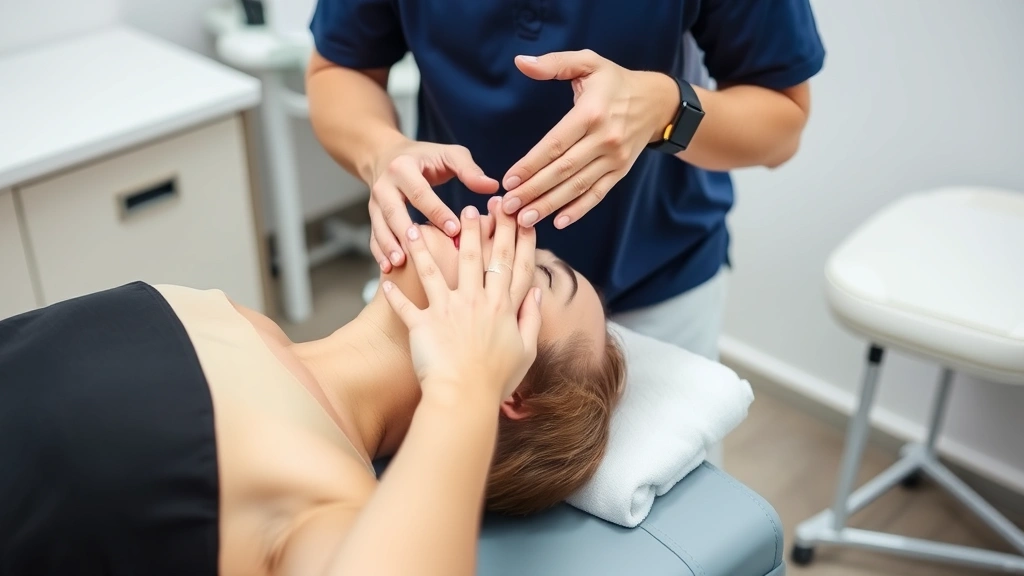
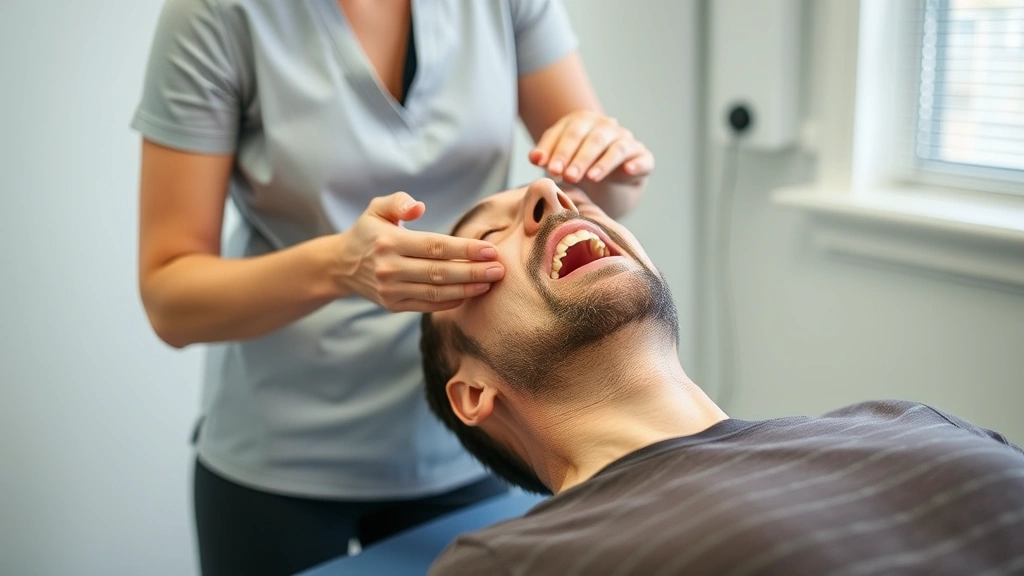
Manual therapy techniques form a cornerstone of effective TMJ physical therapy. Skilled practitioners apply specific mobilization techniques to improve joint mechanics and reduce pain. Soft tissue mobilization targets the masseter, temporalis, and pterygoid muscles, addressing the tension and trigger points contributing to dysfunction. Intraoral techniques, performed inside the mouth, directly address pterygoid muscles and joint capsule restrictions that external techniques cannot reach.
Joint mobilization techniques improve disc-condyle relationships and restore normal arthrokinematics. Grades III and IV mobilizations prove particularly effective for restoring end-range motion and reducing pain. Research from Frontiers in Medicine confirms that manual therapy combined with exercise produces superior outcomes to exercise alone.
Therapeutic Exercise and Strengthening
Progressive exercise protocols address the neuromuscular dysfunction underlying most TMJ disorders. Initial exercises focus on jaw opening and closing patterns, emphasizing smooth, coordinated movements without pain provocation. Resistance exercises strengthen the jaw muscles, improving stability and endurance. Isometric exercises provide foundational strength without excessive joint stress.
Advanced exercises incorporate functional activities and dynamic stability challenges. Resistance band exercises, progressive opening patterns, and coordinated jaw-cervical movements restore optimal neuromuscular control. The exercise progression follows principles of motor learning, gradually increasing complexity and challenge as baseline function improves.
Postural Correction and Ergonomic Modification
Forward head posture represents one of the most significant perpetuating factors in TMJ dysfunction. This posture increases load on the temporomandibular joint and perpetuates muscle tension. Physical therapists assess and correct postural patterns through targeted strengthening of deep cervical flexors and scapular stabilizers, combined with stretching of tight posterior cervical muscles.
Ergonomic assessment identifies workplace and home activities contributing to dysfunction. Recommendations address computer screen height, keyboard positioning, phone usage habits, and sleeping positions. These modifications remove perpetuating factors, allowing therapeutic gains to persist.
Dry Needling and Trigger Point Release
Many TMJ physical therapists incorporate dry needling to address myofascial trigger points resistant to conventional manual techniques. This evidence-based modality provides rapid pain relief and facilitates improved muscle function. Trigger point release techniques, including sustained pressure and instrument-assisted soft tissue mobilization, complement dry needling for comprehensive muscle treatment.
Behavioral and Stress Management
Stress significantly exacerbates TMJ symptoms through increased muscle tension and jaw clenching. Physical therapists educate patients on stress-related symptom patterns and teach relaxation techniques, breathing exercises, and mindfulness strategies. This behavioral component proves essential for long-term symptom management, particularly for patients with psychosocial contributions to their dysfunction.
Finding Qualified TMJ Physical Therapy Near Me
Locating appropriate TMJ physical therapy near me requires identifying practitioners with specific expertise in temporomandibular joint dysfunction. Not all physical therapists possess specialized knowledge in this complex area, so targeted search strategies prove essential.
Start by searching for physical therapists with TMJ specialization through professional organizations including the American Physical Therapy Association (APTA) Orthopedic Section and the International Association of Orofacial Myology. These organizations maintain directories of credentialed specialists. Additionally, ask your dentist, orthodontist, or physician for referrals to physical therapists they trust for TMJ cases.
Evaluate potential providers by examining their credentials and experience. Look for therapists with continuing education in TMJ dysfunction, manual therapy certifications (such as Maitland or Mulligan techniques), and experience treating temporomandibular disorders. Many qualified therapists display certifications in orthopedic manual physical therapy or sports physical therapy, indicating advanced training relevant to TMJ treatment.
During initial consultations, assess the therapist’s approach to TMJ care. Quality providers conduct comprehensive assessments examining the jaw, cervical spine, and postural patterns. They explain their findings in understandable terms and collaboratively develop treatment plans addressing your specific dysfunction patterns. Be cautious of providers offering generic exercise programs without individualized assessment and modification.
Consider exploring complementary services available at physical therapy clinics. Facilities offering red light therapy near me may provide additional therapeutic options supporting TMJ recovery. Similarly, clinics offering physical therapy for shoulder pain often possess sophisticated manual therapy skills applicable to TMJ dysfunction.
Insurance coverage varies significantly for TMJ physical therapy. Contact your insurance provider to determine coverage specifics, including required referrals, authorization processes, and coverage limits. Many plans cover TMJ physical therapy when deemed medically necessary, though prior authorization may be required.
Home Exercises and Self-Management
Physical therapy effectiveness depends critically on consistent home exercise performance. Therapists typically prescribe daily exercises that patients must perform independently between sessions. These home programs extend therapeutic benefits and accelerate recovery.
Gentle Jaw Opening and Closing
Begin with basic opening and closing exercises performed slowly and deliberately. Place your tongue on the roof of your mouth, then slowly open your mouth as wide as comfortable without forcing movement. Close slowly and repeat 10-15 times, two to three times daily. This exercise establishes smooth, coordinated jaw movement patterns.
Resisted Jaw Movements
Progress to resisted exercises using your fingers for gentle resistance. Place your index finger under your chin and apply downward pressure while resisting opening movement. Hold for 5-10 seconds, rest, and repeat 10 times. Perform similar exercises for closing, lateral movements, and protraction. These isometric exercises strengthen jaw muscles without excessive joint stress.
Stretching Exercises
Gentle stretching addresses muscle tightness perpetuating dysfunction. Perform assisted opening stretches by gently pressing downward on your lower front teeth, stretching muscles around the joint. Hold 30 seconds and repeat three times. Lateral stretches involve gentle lateral jaw movements against light resistance, addressing lateral pterygoid muscles.
Cervical Spine Exercises
Since cervical dysfunction frequently accompanies TMJ problems, perform neck stretches and strengthening exercises. Gentle neck stretches address tight posterior cervical muscles, while deep cervical flexor strengthening restores proper cervical alignment, reducing TMJ joint stress.
Posture Awareness and Correction
Throughout daily activities, maintain awareness of your posture and jaw position. Keep your shoulders relaxed, maintain neutral cervical spine alignment, and allow your tongue to rest on the roof of your mouth with teeth slightly apart. This resting position reduces unnecessary jaw muscle tension.
Integrating Physical Therapy with Other Treatments
Comprehensive TMJ management often requires integrating physical therapy with complementary treatments. Dentists frequently prescribe occlusal splints to reduce nighttime clenching and grinding, working synergistically with physical therapy to address muscle tension and joint loading. Orthodontic correction of severe malocclusion may be necessary in some cases, though many TMJ patients achieve excellent outcomes through physical therapy alone.
Cognitive behavioral therapy addresses psychological factors contributing to TMJ dysfunction, particularly stress and anxiety-related muscle tension. Integrating cognitive behavioral therapy for generalized anxiety disorder with physical therapy creates comprehensive symptom management addressing both physical and psychological dimensions.
Anti-inflammatory medications, muscle relaxants, and topical analgesics provide symptomatic relief during early physical therapy phases. However, these medications should not replace physical therapy but rather complement it during initial pain management. Long-term reliance on medications without addressing underlying dysfunction perpetuates the condition.
Surgical intervention becomes necessary only when conservative treatment fails and significant structural pathology exists. Fortunately, research demonstrates that 80-90% of TMJ patients achieve substantial improvement through conservative physical therapy approaches, making surgery rarely necessary.
Consulting with dentists specializing in TMJ dysfunction (orofacial pain specialists) provides valuable perspective on dental and occlusal factors. Collaborative care between physical therapists and dental specialists optimizes outcomes by addressing all contributing factors.
FAQ
How long does TMJ physical therapy typically take?
Treatment duration varies based on condition severity and chronicity. Acute TMJ dysfunction often improves within 4-8 weeks of consistent physical therapy. Chronic cases may require 8-12 weeks or longer. Most patients experience noticeable improvement within 2-3 weeks of initiating appropriate treatment. Consistency with home exercises significantly influences recovery timeline.
Can physical therapy cure TMJ disorder permanently?
Physical therapy addresses underlying biomechanical dysfunction, providing lasting relief for most patients. However, TMJ disorder recurrence can occur if patients abandon postural corrections and home exercises. Maintaining proper posture, performing preventive exercises, and managing stress help prevent symptom recurrence. Many patients remain symptom-free indefinitely after completing physical therapy.
Is physical therapy painful?
Appropriate physical therapy should not cause significant pain. Skilled therapists work within pain-free ranges initially, gradually progressing intensity as tolerance improves. Some mild discomfort during manual techniques is normal, but sharp or severe pain indicates overly aggressive treatment. Communicate openly with your therapist about pain levels to ensure appropriate treatment intensity.
Can I perform TMJ exercises if I have severe pain?
Yes, modified exercises can be performed even with severe pain. Physical therapists prescribe gentle, pain-free exercises initially, gradually progressing intensity as pain decreases. Resting the jaw and avoiding activities that provoke symptoms supports healing during acute phases. As symptoms improve, exercise progression accelerates recovery.
How do I know if my TMJ physical therapist is qualified?
Qualified TMJ physical therapists possess credentials including manual therapy certifications, continuing education in TMJ dysfunction, and documented experience treating temporomandibular disorders. They conduct comprehensive assessments examining jaw, cervical spine, and postural patterns. They explain findings clearly, involve you in treatment planning, and modify treatment based on your response.
Should I see a physical therapist or dentist first for TMJ problems?
Starting with your primary care physician or dentist establishes baseline diagnosis and rules out serious pathology. Dentists can identify dental factors contributing to dysfunction. However, physical therapists should be engaged early, as most TMJ dysfunction involves biomechanical and neuromuscular components requiring physical therapy expertise. Collaborative care between dental and physical therapy providers optimizes outcomes.