
Therapy Secret: How Mindfulness Improves Recovery
The journey toward healing often feels overwhelming, filled with uncertainty and setbacks that test our resilience. Yet within therapeutic practice, a powerful secret has emerged from decades of research: mindfulness stands as one of the most transformative tools for accelerating recovery across physical, emotional, and psychological domains. This ancient practice, now validated by modern neuroscience, fundamentally shifts how our bodies and minds respond to injury, illness, and trauma.
Mindfulness—the practice of present-moment awareness without judgment—works synergistically with traditional therapeutic approaches to create measurable improvements in recovery outcomes. Whether someone is rehabilitating from physical injury, managing chronic pain, or healing from emotional trauma, integrating mindfulness into their therapeutic protocol can dramatically enhance results and reduce recovery timelines. Understanding this connection reveals why leading therapists and healthcare providers increasingly recommend mindfulness as a cornerstone of comprehensive treatment plans.

The Neuroscience Behind Mindfulness and Recovery
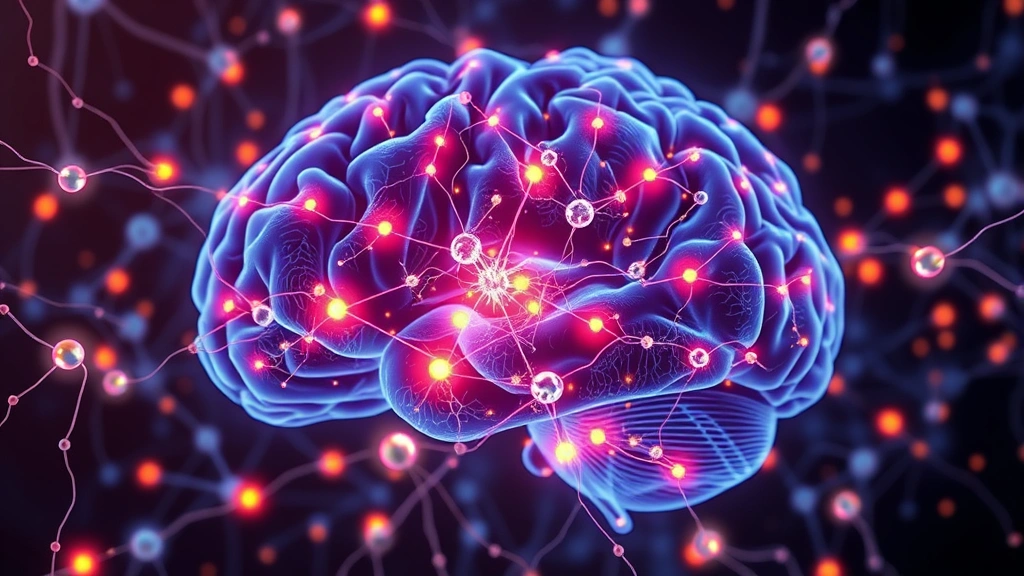
The brain’s remarkable plasticity—its ability to reorganize and form new neural connections—forms the foundation of how mindfulness accelerates recovery. When we practice mindfulness, we activate the prefrontal cortex, the brain region responsible for rational thinking, emotional regulation, and decision-making. Simultaneously, mindfulness quiets the amygdala, our brain’s alarm system that triggers stress responses and anxiety.
Research from Nature Neuroscience demonstrates that consistent mindfulness practice increases gray matter density in areas associated with learning, memory, and emotional regulation. This physical change in brain structure translates directly into improved recovery outcomes. When the nervous system remains in a calmer state, the body can dedicate more resources to healing rather than maintaining defensive stress responses.
Studies published in Psychological Bulletin reveal that mindfulness reduces inflammation markers in the body—a crucial factor in recovery from physical injuries and chronic conditions. The mind-body connection operates bidirectionally: a calm mind promotes physiological healing, while mindfulness practices help rewire neural pathways damaged by injury or illness.
The vagus nerve, a critical component of the parasympathetic nervous system, responds powerfully to mindfulness meditation. Activating this nerve triggers the “rest and digest” response, the physiological state optimal for healing. This explains why patients who incorporate mindfulness into their treatment protocols often experience faster tissue repair, reduced inflammation, and improved immune function.
Mindfulness in Physical Rehabilitation
For individuals recovering from injuries or surgical procedures, mindfulness offers tangible benefits that complement traditional rehabilitation. When someone practices mindfulness during physical therapy treatment, they develop greater body awareness and can more accurately perceive their physical limitations and capabilities.
This heightened proprioceptive awareness—the sense of where your body exists in space—accelerates motor recovery and reduces re-injury risk. Patients who practice mindfulness during rehabilitation exercises demonstrate improved movement quality, better exercise adherence, and faster strength gains. The practice transforms rehabilitation from a mechanical process into an integrated mind-body experience.
Athletes and individuals undergoing sports medicine rehabilitation particularly benefit from mindfulness integration. By maintaining present-moment focus during recovery exercises, they can identify compensatory movement patterns that might otherwise perpetuate injury cycles. This awareness enables therapists to make real-time adjustments and helps patients develop healthier movement strategies.
Mindfulness also addresses the psychological challenges of physical recovery. The frustration, fear, and impatience that often accompany rehabilitation can actually impede healing by maintaining elevated stress hormones. Mindfulness helps patients accept their current physical state while maintaining motivation for gradual improvement—a psychological balance essential for optimal recovery trajectories.
When combined with professional guidance from speech therapy near me services or specialized rehabilitation centers, mindfulness practices become even more powerful. Therapists trained in both modalities can design integrated treatment plans that leverage mindfulness to enhance every aspect of physical recovery.
Mental Health and Emotional Healing
Recovery encompasses far more than physical rehabilitation. Emotional and psychological healing from trauma, loss, depression, or anxiety responds remarkably well to mindfulness-based interventions. Mindfulness-Based Cognitive Therapy (MBCT) and Mindfulness-Based Stress Reduction (MBSR) have become gold-standard treatments in mental health settings.
The practice teaches individuals to observe their thoughts and emotions without becoming entangled in them—a skill that transforms recovery from emotional wounds. Rather than suppressing painful emotions or becoming overwhelmed by them, mindfulness creates psychological space where healing can occur. This non-reactive awareness interrupts destructive thought patterns and reduces rumination, a key factor in depression and anxiety disorders.
Research demonstrates that mindfulness produces measurable changes in brain regions associated with emotional processing. The amygdala—our emotional threat-detection center—becomes less reactive with regular practice. Simultaneously, activity increases in brain regions associated with emotional regulation and resilience. These neurological changes translate into genuine emotional healing and improved mental health outcomes.
For individuals recovering from trauma, mindfulness offers a gentle pathway toward reprocessing difficult experiences. By learning to stay present without becoming re-traumatized, trauma survivors can gradually integrate their experiences and move toward genuine healing. This process works particularly well when combined with trauma-informed therapeutic approaches.
The self-compassion cultivated through mindfulness practice proves especially valuable in emotional recovery. Many people struggling with mental health challenges engage in harsh self-criticism that perpetuates suffering. Mindfulness teaches practitioners to relate to themselves with kindness and understanding, a shift that fundamentally accelerates emotional healing.
Pain Management Through Awareness
Chronic pain represents one of the most challenging recovery barriers, affecting millions and often leading to disability and reduced quality of life. Mindfulness offers a revolutionary approach to pain management that doesn’t rely on medication alone.
The relationship between attention and pain intensity proves remarkably direct: the more we focus on pain, the more intense it becomes. Conversely, mindfulness teaches individuals to redirect attention and relate to pain differently. Rather than fighting or resisting pain—responses that typically amplify suffering—mindfulness cultivates acceptance and curiosity about the pain experience.
This doesn’t mean ignoring pain signals; rather, it means developing a more nuanced relationship with them. Mindfulness practitioners learn to distinguish between the physical sensation of pain and the suffering created by resistance, fear, and catastrophic thinking. This distinction alone can reduce perceived pain intensity by thirty to fifty percent according to pain management research.
When individuals practice mindfulness meditation specifically designed for pain, neuroimaging studies show decreased activity in pain-processing brain regions. The brain literally processes pain signals differently when approached through mindfulness. This neurological shift enables people to function better, engage more fully in recovery activities, and ultimately progress faster toward their healing goals.
For those exploring multiple recovery modalities, mindfulness pairs excellently with red light therapy near me and other complementary approaches. The combination of physical interventions with mindfulness-based pain management creates comprehensive recovery protocols addressing multiple healing dimensions simultaneously.
Implementing Mindfulness in Your Recovery Journey
Beginning a mindfulness practice requires no special equipment or significant time investment. Even five to ten minutes daily produces measurable benefits, with improvements increasing as practice deepens. The key lies in consistency rather than duration—daily practice proves far more effective than occasional lengthy sessions.
Basic Mindfulness Meditation: Find a comfortable seated position and focus on your natural breath. When your mind wanders—which it will—gently redirect attention back to breathing without judgment. This simple practice activates the parasympathetic nervous system and trains attentional control.
Body Scan Meditation: Lying down, slowly move attention through your body from toes to head, noticing sensations without trying to change them. This practice builds body awareness crucial for physical recovery and helps identify areas holding tension or pain.
Mindful Movement: Practice yoga, tai chi, or simple stretching with full attention to physical sensations. This bridges meditation and physical therapy, integrating mindfulness directly into rehabilitation exercises.
Mindful Breathing Techniques: Specific breathing patterns activate the vagus nerve and shift nervous system states. Box breathing (inhale 4 counts, hold 4, exhale 4, hold 4) provides a portable tool for managing stress and anxiety during recovery.
Loving-Kindness Meditation: Direct compassion toward yourself and others through specific phrases and visualizations. This practice proves particularly valuable in emotional recovery and trauma healing.
Starting a practice can feel challenging without guidance. Consider exploring MindLift Daily Blog – Therapy Resources and Articles for detailed guidance on mindfulness implementation alongside other therapeutic approaches.
Combining Mindfulness with Professional Therapy Services
While mindfulness offers powerful self-directed benefits, integrating it with professional therapeutic support creates synergistic healing effects. Therapists trained in mindfulness-based approaches can personalize practices to your specific recovery needs and goals.
Physical therapists increasingly incorporate mindfulness into rehabilitation protocols. During sessions, they might guide you through body awareness practices while performing therapeutic exercises, deepening the mind-body integration essential for complete recovery. This approach particularly benefits those recovering from physical therapy treatment for cerebral palsy and similar complex conditions requiring sustained neurological retraining.
Mental health therapists combine mindfulness with evidence-based psychological treatments like Cognitive Behavioral Therapy (CBT) and Dialectical Behavior Therapy (DBT). This integration creates more comprehensive treatment addressing both thought patterns and present-moment awareness simultaneously.
Speech and occupational therapists similarly benefit from mindfulness integration. Speech therapy near me providers can incorporate mindfulness to reduce anxiety around communication challenges and improve focus during treatment. The practice enhances the therapeutic alliance, helping clients feel more present and engaged in their healing work.
Professional guidance also addresses a common challenge: many people struggle to maintain consistent mindfulness practice without external support. Therapists provide accountability, answer questions about correct technique, and adjust practices as recovery progresses. This professional partnership dramatically increases the likelihood of sustained practice and optimal outcomes.
Understanding therapy cost and insurance coverage helps make professional support accessible. Many insurance plans cover mindfulness-based interventions when delivered by licensed therapists, and the investment typically yields significant returns through accelerated recovery and reduced overall treatment duration.
Career-minded individuals interested in deepening their understanding of mindfulness and therapeutic integration might explore occupational therapy jobs and similar positions where they can help others integrate these powerful practices into their healing journeys.
FAQ
How quickly does mindfulness impact recovery?
Many people notice benefits within days of beginning practice, with measurable physiological changes occurring within two to four weeks of consistent daily practice. Complete recovery timelines depend on the specific condition, but mindfulness typically accelerates healing by twenty to forty percent compared to standard treatment alone.
Can mindfulness replace traditional therapy?
Mindfulness works best as a complement to, not replacement for, professional therapeutic treatment. While powerful independently, mindfulness combined with professional guidance produces superior outcomes across physical, emotional, and psychological recovery domains.
What if I find meditation difficult?
Difficulty concentrating during meditation is completely normal and not a sign of failure. The practice involves noticing when your mind wanders and gently redirecting attention—this redirection is the actual practice. Even five minutes daily with a wandering mind provides genuine benefits.
Are there specific mindfulness practices for different recovery types?
Yes. Physical recovery benefits most from body scan and mindful movement practices. Emotional recovery responds well to loving-kindness and compassion meditations. Pain management improves with specialized pain-focused mindfulness protocols. Professional therapists can recommend specific practices matching your recovery needs.
How does mindfulness work with medication and other treatments?
Mindfulness integrates seamlessly with medications, physical therapies, and other medical treatments. The practice enhances their effectiveness by reducing stress-related interference with healing and improving medication adherence and tolerance. Always discuss mindfulness practice with your healthcare providers.
Can children benefit from mindfulness in recovery?
Children absolutely benefit from age-appropriate mindfulness practices. Shorter sessions (three to five minutes), movement-based practices, and guided visualizations work particularly well. Mindfulness helps pediatric patients manage anxiety, pain, and fear associated with medical treatments and recovery processes.