Therapy Room Design: Expert Tips for Creating Calm, Healing Spaces
The physical environment where therapy takes place plays a profound role in patient outcomes and therapeutic effectiveness. A well-designed therapy room transcends mere aesthetics—it becomes a sanctuary that facilitates healing, builds trust, and supports the therapeutic process. Whether you’re establishing a new practice, renovating an existing space, or simply seeking to optimize your current environment, understanding the principles of therapeutic room design is essential for creating spaces where clients feel safe, supported, and empowered to engage in meaningful work.
Creating an effective therapy room requires thoughtful consideration of multiple factors including color psychology, acoustic design, furniture selection, lighting, and spatial layout. Mental health professionals, physical therapists, occupational therapists, and counselors all benefit from understanding how environmental design influences client comfort and therapeutic outcomes. This comprehensive guide explores evidence-based strategies for designing therapy rooms that promote healing and facilitate the best possible therapeutic experiences.
Understanding Therapy Room Design Fundamentals
The foundation of effective therapy room design rests on understanding how environmental factors influence psychological and physiological responses. Research in environmental psychology demonstrates that physical spaces directly impact stress levels, emotional regulation, and therapeutic engagement. A therapy resource guide emphasizes that the room itself becomes a therapeutic tool, working in concert with clinical interventions to support healing outcomes.
Professional therapy environments must balance multiple competing needs: creating privacy and confidentiality, establishing comfort and safety, maintaining professional boundaries, and facilitating specific therapeutic modalities. Whether designing spaces for speech therapy services, mental health counseling, or physical therapy treatment, the core principles of therapeutic design remain consistent.
The ideal therapy room creates a sense of containment—clients feel held by the space without feeling trapped. This requires careful attention to room dimensions, wall placement, window positioning, and traffic flow. Rooms that are too small feel claustrophobic; rooms that are too large feel impersonal and disconnected. Most therapeutic spaces function optimally at approximately 100-150 square feet, providing adequate space for movement and furniture arrangement while maintaining an intimate, contained atmosphere.
Color Psychology and Emotional Response
Color selection represents one of the most powerful yet underutilized tools in therapy room design. Colors directly influence mood, arousal levels, and emotional states through both physiological and psychological mechanisms. Understanding color psychology enables therapists to deliberately shape the emotional environment of their practice space.
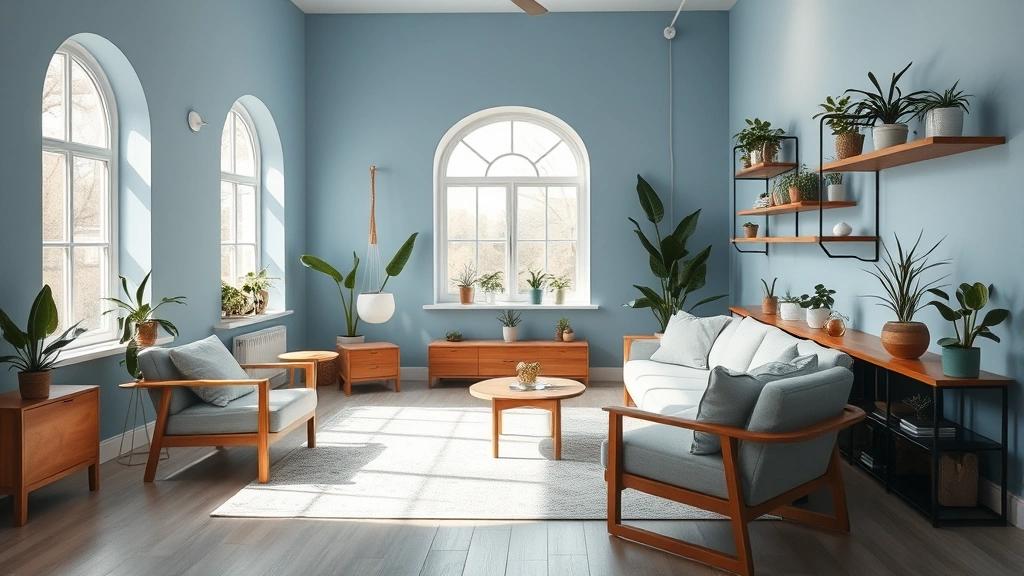
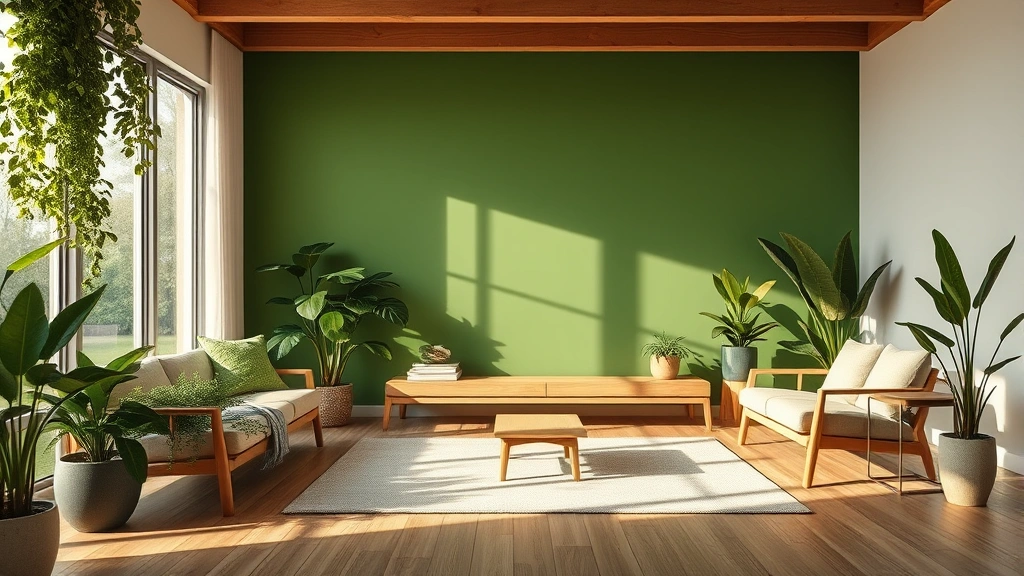
Cool colors including blues, greens, and soft purples promote relaxation, reduce anxiety, and lower heart rate and blood pressure. These colors are particularly effective in therapy rooms because they create a calming foundation that supports emotional processing. Light blues evoke feelings of tranquility and trust, making them excellent choices for anxiety treatment spaces. Soft greens connect clients to nature and promote emotional balance and renewal.
Warm colors including soft yellows, warm beiges, and muted oranges create feelings of comfort, safety, and warmth without overstimulation. These colors work well in combination with cool colors to create balanced, welcoming environments. Avoid bright, saturated warm colors which can increase anxiety and agitation in sensitive clients.
Neutral tones including warm grays, soft taupes, and creamy whites provide a calm backdrop that allows clients to project their own emotional experiences onto the space. Neutrals also enhance flexibility, allowing you to adjust the room’s emotional tone through accent colors, artwork, and furnishings without repainting.
Research from the American Psychological Association confirms that color environments significantly impact psychological states. Most therapeutic spaces benefit from a primary color palette of 2-3 colors, with accent colors used sparingly. Avoid colors that feel institutional, overly bright, or emotionally charged. The goal is creating a color environment that recedes into the background, allowing clients to focus on their internal experience and therapeutic work.
Lighting Design for Therapeutic Environments
Lighting profoundly influences mood, circadian rhythms, and therapeutic engagement. Poor lighting creates fatigue, eye strain, and negative mood; optimal lighting supports alertness, comfort, and emotional openness. Effective therapy room lighting combines multiple strategies to create flexible, flattering, and therapeutically supportive illumination.
Natural light represents the gold standard for therapeutic spaces. Daylight exposure regulates circadian rhythms, improves mood, enhances vitamin D synthesis, and creates a connection to natural time cycles. Position therapy rooms with window access whenever possible, using sheer curtains or light-diffusing window treatments to control glare while maintaining natural light quality. Avoid positioning clients or therapists with windows directly behind them, which creates backlighting and visual discomfort.
Artificial lighting should replicate natural light characteristics through color temperature and quality. Use full-spectrum bulbs with color temperatures between 4000-5000K (neutral white) rather than warm 2700K bulbs, which can feel dim and depressing, or cool 6500K+ bulbs, which feel clinical and harsh. LED lighting offers superior color rendering and energy efficiency compared to fluorescent fixtures, which flicker and distort color perception.
Layered lighting provides maximum flexibility for different therapeutic modalities and times of day. Combine overhead ambient lighting with task lighting (desk lamps for documentation) and accent lighting (wall sconces for ambiance). Install dimmers on all lighting circuits, enabling therapists to adjust illumination based on client needs and therapeutic goals. Some clients benefit from dimmer, softer lighting; others respond better to brighter, more alert environments.
Avoid harsh overhead lighting as the sole light source. Recessed ceiling lights create unflattering shadows and institutional feelings. Instead, use a combination of ceiling-mounted diffusers, wall-mounted sconces, and floor lamps positioned to eliminate shadows and create even, flattering illumination.
Furniture and Spatial Layout Considerations
Furniture selection and room arrangement directly influence therapeutic dynamics, comfort, and the quality of the therapeutic relationship. Strategic furniture placement creates optimal sightlines, supports confidentiality, and facilitates the specific therapeutic work occurring in the space.
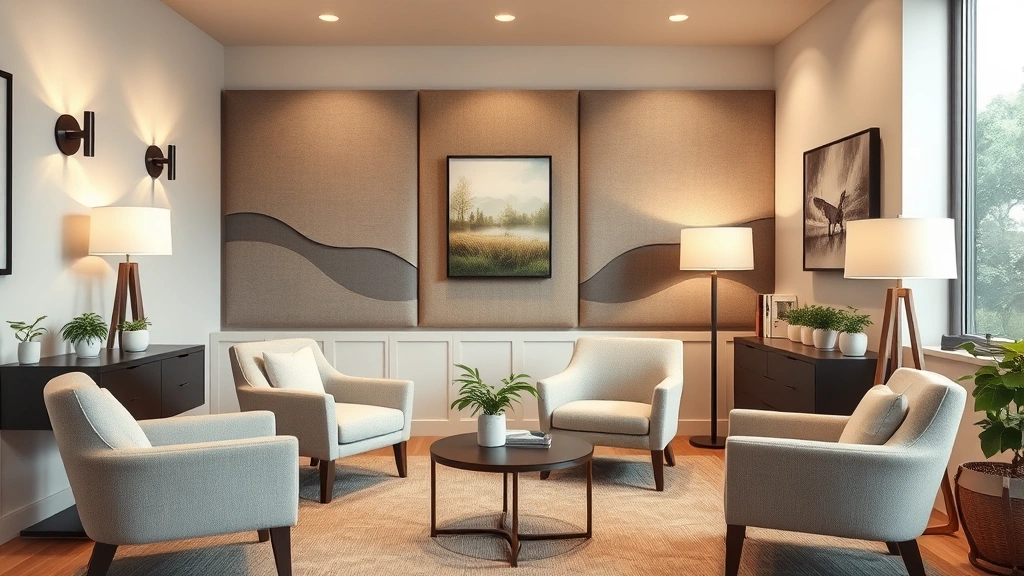
Seating arrangements merit careful consideration. Avoid placing chairs in direct opposition, which can feel confrontational. Instead, position seating at approximately 90-degree angles or with slight angles, creating a cooperative rather than adversarial dynamic. Ensure both therapist and client have equal-height seating, supporting balanced power dynamics. Avoid chairs that are too soft or deep, which make it difficult for clients to maintain upright posture and emotional openness.
Furniture materials should be durable, cleanable, and therapeutically appropriate. Soft, upholstered furniture feels warmer and more welcoming than hard surfaces, but requires regular cleaning and maintenance. Leather and microfiber fabrics offer durability and easy cleaning while maintaining comfort. Avoid furniture with strong odors, which can trigger trauma responses or sensory sensitivities.
Spatial flow requires thoughtful planning. Create clear pathways that don’t require clients to navigate around furniture or squeeze through tight spaces. Position the therapist’s desk or workspace outside the primary therapeutic space when possible, maintaining focus on the client-therapist dyad. Ensure adequate space for movement-based therapies including physical therapy exercises or somatic work.
Storage solutions should be discrete and organized. Visible clutter and disorganization undermine feelings of safety and professional competence. Use closed storage for client files, supplies, and personal items. Open shelving displaying thoughtfully selected books and therapeutic resources can enhance the environment when kept minimal and well-organized.
Acoustic Design and Sound Management
Sound management represents a critical yet frequently overlooked aspect of therapy room design. Confidentiality requires that conversations remain private, and external noise disrupts concentration and emotional safety. Effective acoustic design creates quiet, contained spaces where clients can speak freely without worrying about being overheard.
Sound insulation begins with strategic material selection. Soft materials including carpet, upholstered furniture, curtains, and acoustic panels absorb sound, reducing reverberation and external noise transmission. Hard surfaces including tile, wood, and drywall reflect sound, creating echo and amplifying noise. Most therapy rooms benefit from carpet or area rugs, which provide acoustic absorption while adding warmth and comfort.
Wall construction influences external noise. Solid walls with insulation provide superior sound isolation compared to standard drywall. When renovating, consider adding acoustic insulation between wall studs. For existing spaces, acoustic panels mounted on walls absorb internal reverberation and can be covered with fabric to maintain aesthetic appeal.
Background sound management serves multiple functions. White noise machines, sound masking systems, or soft background music can mask external sounds, increasing privacy and reducing awareness of hallway activity. Choose neutral, non-distracting background sounds—avoid music with lyrics or strong emotional content that might interfere with therapeutic focus.
Door design significantly impacts sound isolation. Solid-core doors provide superior sound blocking compared to hollow-core doors. Weatherstripping and door sweeps eliminate gaps where sound travels. Position reception areas away from therapy rooms when possible, creating additional acoustic distance between client spaces and operational areas.
Incorporating Nature and Biophilic Elements
Biophilic design—incorporating natural elements and patterns—creates therapeutic environments that support healing and stress reduction. Humans have innate connections to nature, and therapeutic spaces that honor these connections facilitate deeper healing work and faster stress recovery.
Living plants provide multiple benefits including air purification, improved mood, reduced anxiety, and enhanced cognitive function. Research demonstrates that viewing plants lowers blood pressure and heart rate while increasing feelings of calm and well-being. Select low-maintenance plants appropriate for indoor therapy environments including pothos, snake plants, peace lilies, or philodendrons. Ensure plants are healthy and well-maintained; dying or neglected plants undermine therapeutic goals.
Natural materials including wood, stone, and natural fibers create connections to natural environments. Wooden furniture, stone accents, and natural fiber textiles (linen, cotton, jute) feel warmer and more grounding than plastic or synthetic materials. These materials also improve air quality and create tactile warmth that supports emotional safety.
Nature imagery including landscape photographs, nature artwork, and nature-themed décor provides psychological benefits even when live plants aren’t feasible. Images of water, forests, mountains, and natural landscapes trigger relaxation responses and reduce stress. Avoid imagery that feels chaotic, threatening, or emotionally charged—select serene, restorative nature scenes.
Water features including fountains, aquariums, or images of water create calming, meditative focal points. The sound and visual movement of water promotes relaxation and provides gentle sensory engagement. Ensure water features are well-maintained and cleaned regularly to maintain hygiene and aesthetic appeal.
Natural light represents the ultimate biophilic element. Positioning therapy rooms with window access and maintaining views of natural landscapes supports circadian rhythm regulation, mood, and healing. When windows aren’t available, large-scale nature photography or artwork can provide some of these benefits.
Accessibility and Inclusive Design
Therapeutic spaces must accommodate clients with diverse physical abilities, sensory needs, and accessibility requirements. Inclusive design ensures that all clients can access therapy comfortably and with dignity, removing barriers that might prevent engagement in healing work.
Physical accessibility requires wheelchair access, adequate maneuvering space, and accessible furniture height. Ensure doorways are at least 32 inches wide (36 inches preferred), pathways allow for wheelchair turning radius, and seating options accommodate various physical needs. Consider the specific needs of clients receiving physical therapy services or those with mobility limitations.
Sensory considerations address the needs of clients with autism spectrum disorders, sensory processing differences, or sensory sensitivities. Minimize strong odors (avoid scented candles, heavy fragrances, or new furniture off-gassing). Reduce visual clutter and excessive patterns that might overwhelm sensitive clients. Offer sensory regulation options including fidget tools, weighted blankets, or pressure items. Maintain consistent, predictable sensory environments without sudden loud noises or bright light changes.
Neurodivergent-friendly design supports clients with ADHD, autism, dyslexia, and other neurological differences. Provide clear wayfinding and signage. Minimize distracting visual and auditory stimuli. Offer flexible seating options including standing options for clients who need movement. Maintain organized, predictable environments that reduce cognitive load.
Cultural sensitivity in décor acknowledges and respects diverse cultural backgrounds. Avoid religious iconography unless your practice explicitly serves faith-based clients. Select artwork and décor that represents diverse cultures and identities. Be mindful of color symbolism across cultures—some colors carry different meanings in different cultural contexts.
Documentation privacy requires careful positioning of therapist workspaces and computer screens. Ensure clients cannot see client files, notes, or computer displays. Position monitors away from client sightlines. Use privacy screens if necessary to maintain confidentiality while working during sessions.
FAQ
What is the ideal size for a therapy room?
Most therapy rooms function optimally at 100-150 square feet. This size provides adequate space for furniture, movement, and client comfort while maintaining an intimate, contained atmosphere that supports therapeutic work. Rooms smaller than 80 square feet feel claustrophobic; rooms larger than 200 square feet can feel impersonal and disconnected.
What colors are best for therapy rooms?
Cool colors including light blues, soft greens, and muted purples promote relaxation and reduce anxiety, making them excellent primary colors for therapy spaces. Warm neutrals including soft beiges and creams create comfort without overstimulation. Avoid bright, saturated colors or institutional grays. Most therapeutic spaces benefit from 2-3 primary colors with minimal accent colors.
How important is natural light in therapy rooms?
Natural light is critically important for therapeutic spaces. Daylight regulates circadian rhythms, improves mood, and creates connections to natural time cycles. Position therapy rooms with window access whenever possible, using sheer curtains to control glare while maintaining natural light quality. When windows aren’t available, full-spectrum artificial lighting and nature imagery can provide some benefits.
What type of seating is best for therapy rooms?
Seating should provide comfort and support without being so soft or deep that it makes maintaining upright posture difficult. Position chairs at approximately 90-degree angles rather than direct opposition. Ensure both therapist and client have equal-height seating, supporting balanced power dynamics. Select durable, cleanable fabrics that are easy to maintain.
How can I improve sound privacy in my therapy room?
Use soft materials including carpet, upholstered furniture, curtains, and acoustic panels to absorb sound. Install solid-core doors with weatherstripping. Consider adding acoustic insulation between wall studs during renovation. Use white noise machines or sound masking systems to mask external sounds and increase privacy. Position reception areas away from therapy rooms when possible.
Do I need plants in my therapy room?
Living plants provide significant benefits including air purification, improved mood, and reduced anxiety. However, they require regular maintenance. If live plants aren’t feasible, nature imagery including landscape photographs or water features can provide similar psychological benefits. Select low-maintenance plants if you choose to include them.
How can I make my therapy room more accessible?
Ensure wheelchair accessibility including 32-inch minimum doorway width and adequate maneuvering space. Offer varied seating options accommodating different physical needs. Minimize sensory triggers for clients with sensory sensitivities. Provide clear wayfinding and organized environments. Position computer screens and client files away from client sightlines for privacy. Consider the specific needs of clients receiving occupational therapy services or physical therapy.
What budget should I allocate for therapy room design?
Budget varies significantly based on whether you’re designing a new space, renovating an existing room, or making incremental improvements. Basic improvements including paint, lighting upgrades, and furniture rearrangement might cost $500-$2,000. More comprehensive renovations including acoustic treatment, professional design consultation, and quality furniture might cost $5,000-$15,000 or more. See our guide on therapy costs and pricing for budget planning information.