Mindfulness for Beginners: Expert Tips & Tricks
Mindfulness has transformed from a niche wellness practice into a scientifically-backed approach to mental health and emotional resilience. Whether you’re seeking stress relief, improved focus, or better emotional regulation, mindfulness offers accessible techniques that anyone can learn and practice daily. This comprehensive guide provides expert-backed strategies to help you establish a sustainable mindfulness routine, even if you’ve never meditated before.
The beauty of mindfulness lies in its simplicity and adaptability. Unlike traditional meditation that requires hours of practice or specific environments, mindfulness can be integrated into everyday activities—from your morning coffee to your commute. Research from leading institutions demonstrates that consistent mindfulness practice can reduce anxiety, improve sleep quality, and enhance overall well-being within just a few weeks of regular practice.

Understanding Mindfulness Fundamentals
Mindfulness is the practice of maintaining present-moment awareness without judgment. It involves observing your thoughts, feelings, and sensations as they arise without trying to change or suppress them. This non-judgmental observation is what distinguishes mindfulness from simple concentration or relaxation techniques.
The scientific foundation of mindfulness is robust. Studies published by the American Psychological Association show that regular mindfulness practice creates measurable changes in brain structure and function, particularly in areas associated with emotional regulation and self-awareness. The practice activates the parasympathetic nervous system, which counters the stress response and promotes relaxation.
Key principles of mindfulness include:
- Present-moment focus: Directing attention to what’s happening now rather than worrying about the future or dwelling on the past
- Non-judgment: Observing experiences without labeling them as good or bad
- Acceptance: Allowing experiences to be as they are without resistance
- Curiosity: Approaching your experience with genuine interest and openness
- Compassion: Extending kindness to yourself and others throughout practice
Unlike therapy approaches that focus on changing thought patterns, mindfulness teaches you to observe thoughts without getting caught up in them. This is particularly valuable for those exploring therapy resources and mental health information, as mindfulness complements various therapeutic modalities and can enhance their effectiveness.

Getting Started with Basic Techniques
Beginning a mindfulness practice requires nothing more than your attention and a few minutes daily. Here are foundational techniques perfect for beginners:
Breath Awareness Meditation
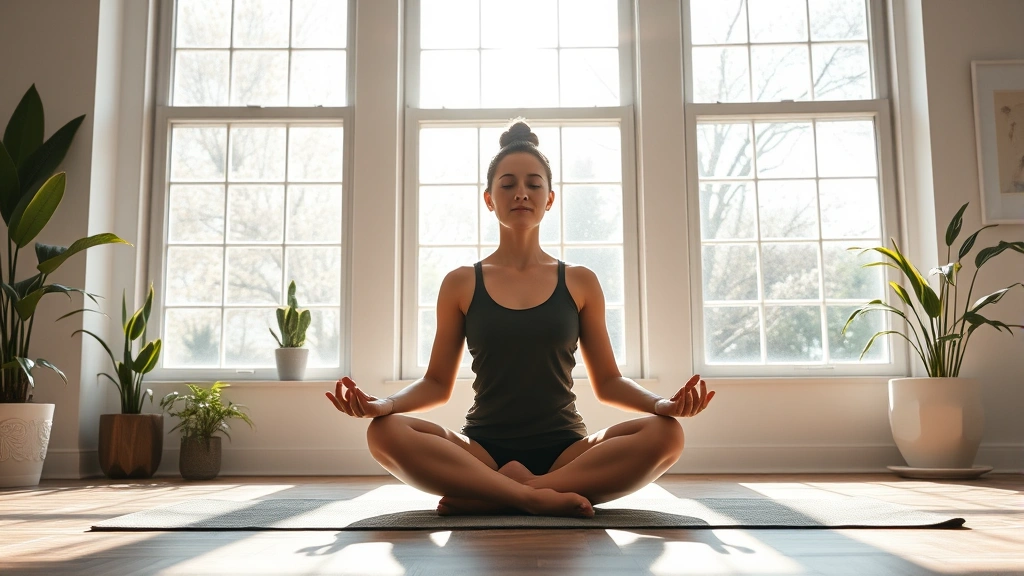
The simplest entry point to mindfulness is breath awareness. Find a comfortable seated position, close your eyes, and focus on your natural breathing. Notice the sensation of air entering and leaving your nostrils, the rise and fall of your chest, or the expansion of your belly. When your mind wanders—and it will—gently return your attention to the breath without frustration.
Start with just five minutes daily. This brief practice activates the relaxation response and trains your attention muscle. Many practitioners find that breath awareness reduces anxiety more effectively than medication for mild cases, though it complements professional treatment when needed.
Body Scan Meditation
This technique involves systematically moving your attention through different body parts, noticing sensations without judgment. Begin at the top of your head and slowly progress downward, spending 10-15 seconds on each area. This practice increases body awareness and helps identify where you hold tension.
Body scan meditation is particularly beneficial for those experiencing stress-related physical symptoms. It’s often recommended as part of comprehensive wellness plans alongside other interventions like red light therapy services for those seeking multiple healing modalities.
Mindful Observation
Choose an ordinary object—a leaf, cup, or stone. Spend five minutes observing it as if you’ve never seen it before. Notice colors, textures, shapes, and how light plays across its surface. This exercise trains your attention and reveals how much detail you normally miss.
Building Your Daily Practice
Consistency matters more than duration. A ten-minute daily practice outperforms sporadic longer sessions. Here’s how to establish a sustainable routine:
Choose Your Optimal Time
Many practitioners find early morning ideal, when the mind is fresher and fewer distractions exist. However, the best time is whenever you’ll actually practice consistently. Some prefer evening to decompress, while others integrate mindfulness into existing routines like post-lunch breaks.
Create a Dedicated Space
You don’t need an elaborate meditation room. A quiet corner, comfortable chair, or cushion suffices. The consistency of using the same space helps condition your mind to enter a meditative state more readily. Your brain begins to associate that location with calmness.
Use Helpful Tools
Meditation apps like Insight Timer, Calm, or 10% Happier provide guided practices for various durations and styles. Headspace offers research-backed programs designed for specific goals like sleep improvement or anxiety reduction. These tools remove the burden of self-guidance for beginners.
Track Your Progress
Keep a simple journal noting when you practiced, duration, and how you felt afterward. This creates accountability and helps you recognize benefits that might otherwise go unnoticed. Many people report better sleep, improved mood, and enhanced focus within two weeks of consistent practice.
For those pursuing mindfulness as part of broader mental health support, understanding therapy costs and options can help you build a comprehensive wellness plan combining mindfulness with professional guidance when beneficial.
Overcoming Common Challenges
Beginners often encounter obstacles that derail their practice. Understanding these challenges helps you persist through them:
Racing Thoughts
New meditators frequently feel frustrated when their minds won’t quiet. This misunderstands mindfulness—the goal isn’t to stop thinking but to observe thoughts without engagement. When your mind wanders, simply notice it and return attention to your breath. This redirection is the practice itself, not a failure.
Physical Discomfort
Sitting still can feel uncomfortable initially. Experiment with different positions—chairs, cushions, or even lying down. The goal is comfortable alertness. As your practice deepens, you’ll naturally sit longer without discomfort.
Restlessness and Impatience
Expecting immediate results often backfires. Benefits accumulate gradually through consistent practice. Research shows measurable changes typically appear after 8-10 weeks of regular practice. Trust the process rather than judging each session’s quality.
Difficulty Finding Time
Start micro-practices: three conscious breaths while your coffee brews, mindful eating during one meal daily, or a brief body scan before sleep. These small practices build momentum and demonstrate that mindfulness fits into any schedule.
Advanced Mindfulness Methods
Once you’ve established basic practice, these techniques deepen your mindfulness experience:
Loving-Kindness Meditation
This practice cultivates compassion by directing well-wishes toward yourself and others. Begin by silently repeating phrases like “May I be happy, may I be healthy, may I be safe, may I live with ease.” Extend these wishes to loved ones, neutral people, difficult people, and eventually all beings. This practice reduces self-criticism and increases emotional resilience.
Walking Meditation
Bring mindfulness to movement by walking slowly and deliberately, noticing each footfall, the sensation of your feet contacting the ground, and your surroundings. Walking meditation offers an excellent alternative for those who find sitting meditation challenging and can be practiced anywhere.
Mindful Communication
Apply mindfulness to conversations by fully listening without planning your response, noticing emotions that arise, and speaking with intention. This transforms relationships and is particularly valuable for those exploring speech therapy services or communication enhancement.
Mindfulness in Daily Activities
Extend awareness to routine tasks—showering, eating, dishwashing—by engaging all senses fully. This transforms mundane activities into meditation opportunities and prevents the autopilot state that characterizes modern life.
Integrating Mindfulness with Professional Support
Mindfulness works synergistically with professional mental health treatment. Many therapists now incorporate mindfulness-based cognitive therapy (MBCT) into their practice, combining cognitive techniques with mindfulness principles for enhanced outcomes.
For specific health concerns, mindfulness complements specialized treatments. Those recovering from physical injuries might combine mindfulness with physical therapy interventions to enhance recovery and reduce pain perception. The mental clarity and body awareness from mindfulness practice accelerates rehabilitation.
Similarly, mindfulness supports broader wellness approaches. Whether you’re exploring occupational wellness, career development in therapy fields, or personal healing, mindfulness provides a foundational practice that enhances all other interventions.
If you experience significant anxiety, depression, or trauma, mindfulness should complement professional treatment, not replace it. A qualified therapist can help you navigate challenging experiences that arise during practice and ensure mindfulness is appropriately tailored to your needs.
Frequently Asked Questions
How long does it take to experience benefits from mindfulness?
Most practitioners notice improvements in stress levels and sleep quality within 2-4 weeks of consistent daily practice. Measurable brain changes appear after 8 weeks. However, some benefits—like increased present-moment awareness—occur immediately even in first sessions.
Can I practice mindfulness if I have a busy mind?
Absolutely. A busy mind doesn’t disqualify you from mindfulness—it actually means you’ll benefit most from practice. Mindfulness isn’t about achieving a blank mind; it’s about observing your mind’s activity without judgment. Everyone’s mind wanders; returning it to focus is the practice.
Is mindfulness religious or spiritual?
Mindfulness has roots in Buddhist traditions but is practiced secularly by millions. Modern mindfulness is entirely compatible with any religious belief system or secular worldview. It’s simply a technique for training attention and awareness.
How long should I meditate each day?
Start with 5-10 minutes daily. As your practice deepens, many people extend to 20-30 minutes. However, consistency matters more than duration. A daily 5-minute practice produces better results than sporadic 30-minute sessions.
What if I fall asleep during meditation?
Falling asleep occasionally is normal and indicates you need more rest. If it happens frequently, try meditating at different times, sit upright rather than recline, or practice walking meditation. Your body may be signaling genuine sleep deprivation that needs addressing.
Can children practice mindfulness?
Yes. Children as young as three can practice simple mindfulness. Shorter sessions (2-5 minutes), playful approaches, and age-appropriate guidance work best. Mindfulness helps children develop emotional regulation and focus skills valuable throughout life.