
How Does Mindfulness Boost Mental Health? Experts Explain
Mindfulness has evolved from a niche meditation practice into a mainstream mental health intervention backed by decades of scientific research. Mental health professionals, neuroscientists, and clinical psychologists increasingly recognize mindfulness as a powerful tool for reducing anxiety, depression, and stress-related disorders. This comprehensive guide explores the mechanisms behind mindfulness, its evidence-based benefits, and how it complements traditional therapeutic approaches.
The growing interest in mindfulness reflects a fundamental shift in how we understand mental wellness. Rather than viewing mental health challenges as purely biological problems requiring medication alone, experts now appreciate the intricate relationship between attention, awareness, and emotional regulation. Whether you’re exploring therapy resources on MindLift Daily or considering professional support, understanding mindfulness science can inform your mental health journey.
What Is Mindfulness and How Does It Work?
Mindfulness is the practice of maintaining present-moment awareness without judgment. Rather than ruminating about past events or worrying about future outcomes, mindfulness anchors attention to what’s happening right now. This seemingly simple practice engages complex cognitive and emotional processes that directly impact mental health.
At its core, mindfulness involves three key components: intentional attention, present-moment focus, and non-judgmental observation. When you practice mindfulness, you’re training your mind to notice thoughts, emotions, and physical sensations as they arise, then gently redirecting attention without criticism or resistance. This process fundamentally alters how your brain processes information and responds to stressors.
The practice differs significantly from relaxation techniques, which aim primarily to reduce physical tension. Mindfulness cultivates awareness itself as the therapeutic mechanism. You’re not trying to feel calm; you’re developing the ability to observe your experience clearly, which naturally reduces suffering. This distinction matters because it explains why mindfulness benefits extend beyond temporary stress relief to create lasting psychological changes.
Research from the American Psychological Association demonstrates that consistent mindfulness practice rewires neural pathways associated with emotional reactivity. Unlike medication that chemically alters brain function, mindfulness creates structural and functional brain changes through behavioral practice—essentially teaching your brain new ways of processing information.
The Neuroscience Behind Mindfulness
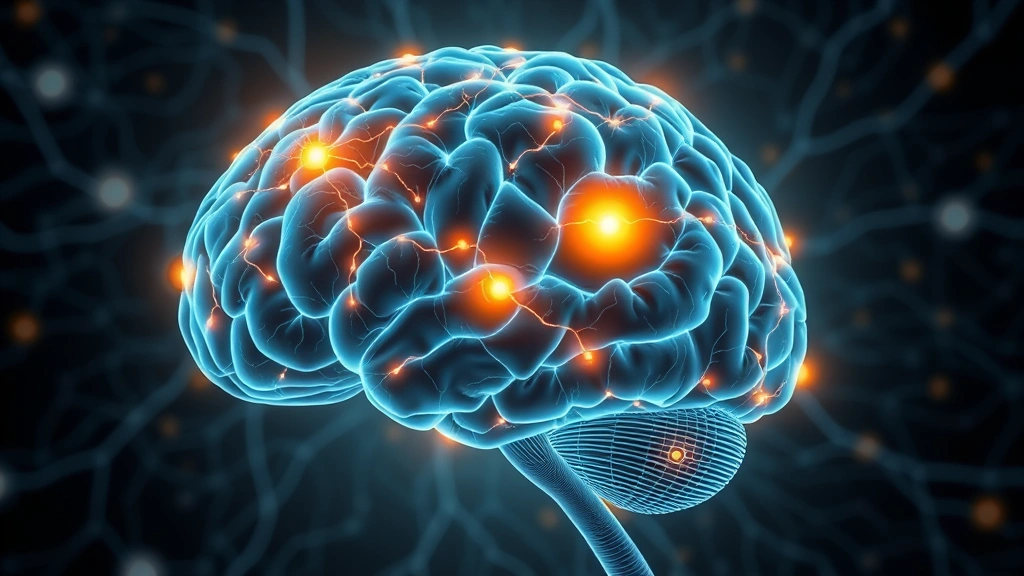
Modern neuroimaging studies reveal exactly how mindfulness reshapes brain structure and function. When researchers scan the brains of experienced meditators, they observe measurable differences in several key regions responsible for attention, emotion regulation, and self-awareness.
The prefrontal cortex, which governs executive function and rational decision-making, becomes more active and shows increased gray matter density in mindfulness practitioners. Simultaneously, the amygdala—the brain’s threat-detection center responsible for fear and anxiety responses—demonstrates reduced activation and decreased gray matter volume. This neurological shift explains why mindfulness practitioners experience less reactivity to stressors and improved emotional control.
The default mode network, a brain system active during mind-wandering and self-referential thinking, also shows decreased activity in people who regularly practice mindfulness. This network is implicated in rumination and depression, so quieting it through mindfulness directly addresses a core feature of depressive disorders. By interrupting the brain’s tendency to loop through negative thoughts, mindfulness creates space for new perspectives.
Additionally, mindfulness strengthens the anterior cingulate cortex, which integrates emotional and cognitive information. This enhancement improves your ability to recognize emotions, understand their causes, and respond thoughtfully rather than reactively. The insula, responsible for interoceptive awareness (sensing internal bodily states), also develops through mindfulness practice, enabling better recognition of physical stress signals before they escalate into anxiety or panic.
Nature journals have published extensive research documenting these neuroplastic changes, demonstrating that mindfulness creates brain modifications comparable to learning new skills. The brain’s remarkable ability to reorganize itself through repeated practice means that consistent mindfulness training produces cumulative benefits—each session contributes to lasting neural remodeling.
Mindfulness for Anxiety and Stress Relief
Anxiety disorders affect millions worldwide, yet many people hesitate to rely solely on medication. Mindfulness offers a complementary approach that directly addresses anxiety’s cognitive and physiological components. Clinical trials consistently show that understanding therapy costs and options helps people access appropriate care, whether including mindfulness-based interventions or traditional approaches.
When anxiety strikes, the mind typically spirals into catastrophic thinking—imagining worst-case scenarios and interpreting ambiguous situations as threats. Mindfulness interrupts this pattern by anchoring attention to present-moment reality. In any given moment, most people are physically safe; anxiety arises from mental projections about future dangers. By repeatedly returning awareness to the present, mindfulness practitioners recognize the gap between imagined threats and actual circumstances.
Mindfulness-Based Stress Reduction (MBSR), developed by Jon Kabat-Zinn at the University of Massachusetts Medical School, represents the most extensively researched mindfulness intervention for anxiety. MBSR combines meditation, yoga, and body awareness exercises in an eight-week program. Numerous randomized controlled trials demonstrate that MBSR significantly reduces anxiety symptoms, often matching or exceeding the effectiveness of pharmaceutical interventions.
The physiological benefits prove equally important. Anxiety activates the sympathetic nervous system—the fight-or-flight response—triggering increased heart rate, shallow breathing, and muscle tension. Mindfulness activates the parasympathetic nervous system, promoting relaxation responses. By practicing present-moment awareness, you literally retrain your nervous system to default to calmer states, making you less reactive to perceived threats.
Panic disorder, generalized anxiety disorder, and social anxiety all respond to mindfulness-based treatments. People report reduced frequency of anxious episodes, decreased intensity when anxiety does occur, and improved ability to function despite anxious thoughts. Importantly, mindfulness doesn’t suppress anxiety—it changes your relationship with anxiety, so you’re no longer fighting or avoiding it, but observing it with compassionate curiosity.
Depression Management Through Mindful Practices
Depression represents one of the most prevalent mental health conditions, characterized by persistent low mood, loss of interest in activities, and negative thinking patterns. Mindfulness-Based Cognitive Therapy (MBCT), developed specifically for depression, combines mindfulness with cognitive therapy principles to prevent relapse in people with recurrent depression.
The rumination that characterizes depression—repeatedly cycling through negative thoughts about worthlessness, failure, and hopelessness—feeds the depressive state. Each cycle reinforces negative beliefs, making depression deeper and more entrenched. Mindfulness breaks this vicious cycle by training attention to shift away from rumination toward present-moment experience.
Research published in The Lancet Psychiatry demonstrates that MBCT reduces depressive relapse rates by approximately 50% compared to treatment as usual. This effect persists long after the intervention ends, suggesting that mindfulness creates enduring changes in how people process depressive thoughts.
One mechanism involves recognizing thoughts as mental events rather than facts. Depression convinces people that negative thoughts reflect reality—”I’m worthless,” “Nothing will improve,” “I’m a burden to others.” Mindfulness teaches you to observe these thoughts with distance: “I’m having the thought that I’m worthless” rather than “I am worthless.” This subtle shift reduces the emotional power of depressive thoughts, allowing you to function despite them.
Additionally, mindfulness increases engagement with valued activities. Depression creates anhedonia—the inability to experience pleasure—which leads to withdrawal and isolation. Mindfulness encourages present-moment engagement with whatever you’re doing, gradually restoring capacity for enjoyment. Whether practicing speech therapy techniques or other therapeutic modalities, integrating mindfulness enhances overall treatment effectiveness.

Emotional Regulation and Self-Awareness
Emotional regulation—the ability to recognize, understand, and respond skillfully to emotions—represents a core feature of mental health. Mindfulness strengthens emotional regulation through several interconnected mechanisms.
First, mindfulness increases emotional awareness. Many people have been socialized to ignore, suppress, or judge their emotions, leading to disconnection from emotional signals. Mindfulness reverses this pattern, encouraging you to notice emotions as they arise and recognize their physical manifestations—the tightness in your chest during anxiety, the heaviness in your limbs during sadness, the warmth in your face during embarrassment.
Second, mindfulness cultivates self-compassion. Rather than criticizing yourself for experiencing difficult emotions, mindfulness teaches you to acknowledge emotions with kindness. This compassionate stance reduces shame and secondary suffering—the suffering about suffering. You stop adding self-judgment to already difficult emotional experiences.
Third, mindfulness creates space between stimulus and response. When something triggers an emotional reaction, mindfulness pauses the automatic response pattern, allowing conscious choice about how to respond. Viktor Frankl famously noted that between stimulus and response lies freedom—mindfulness expands that space, giving you genuine agency in emotional situations.
The increased self-awareness from mindfulness practice extends beyond emotions to encompass values, preferences, and authentic desires. Many people operate on autopilot, following habits and societal expectations without conscious awareness of what actually matters to them. Mindfulness reveals this pattern, enabling more aligned, intentional living that naturally supports mental health.
Mindfulness in Clinical Settings
Mental health professionals increasingly integrate mindfulness into evidence-based treatments. Clinical psychologists, psychiatrists, and therapists recognize that mindfulness complements cognitive-behavioral therapy, dialectical behavior therapy, acceptance and commitment therapy, and other established approaches.
In clinical settings, mindfulness addresses several specific challenges. For people with trauma, mindfulness helps regulate the hyperarousal and emotional flooding characteristic of PTSD. For those with eating disorders, mindfulness increases awareness of hunger and fullness cues while reducing automatic binge-eating behaviors. For individuals with substance use disorders, mindfulness strengthens capacity to observe cravings without acting on them, supporting recovery.
The integration works because mindfulness targets fundamental processes underlying diverse mental health conditions. Regardless of diagnosis, most psychological suffering involves some combination of rumination, avoidance, emotional dysregulation, and disconnection from present experience. By addressing these core processes, mindfulness benefits people across diagnostic categories.
Professional mindfulness-based interventions typically involve structured programs delivered by trained instructors. MBSR and MBCT represent the most extensively researched formats, though many therapists incorporate mindfulness elements into individual psychotherapy. The structured approach ensures adequate instruction in meditation techniques and integration with therapeutic principles.
If you’re considering professional mental health support, exploring specialized therapy options alongside mindfulness-based approaches can address your specific needs comprehensively. Mental health professionals can help determine whether mindfulness-based interventions suit your particular situation.
Integrating Mindfulness With Other Therapies
While mindfulness delivers substantial benefits independently, integrating it with other therapeutic approaches often produces superior outcomes. Cognitive-behavioral therapy (CBT) combined with mindfulness addresses both thought patterns and present-moment awareness, creating more comprehensive treatment.
Dialectical Behavior Therapy (DBT), developed for borderline personality disorder, explicitly incorporates mindfulness as a foundational skill. DBT teaches four core capabilities: mindfulness, distress tolerance, emotion regulation, and interpersonal effectiveness. The mindfulness foundation enables development of the other three skills, making it essential to DBT’s effectiveness.
Acceptance and Commitment Therapy (ACT) uses mindfulness to help people accept difficult thoughts and emotions while pursuing values-aligned action. Rather than trying to eliminate negative thoughts through cognitive restructuring, ACT teaches you to notice thoughts without struggling against them, then move toward valued living. This approach particularly benefits people with anxiety and chronic pain.
Psychodynamic therapy also benefits from mindfulness integration. By increasing awareness of moment-to-moment experience, mindfulness reveals unconscious patterns and defenses as they operate. Therapists can then explore these patterns with greater clarity and immediacy, deepening therapeutic work.
For people interested in occupational therapy careers or other healthcare fields, understanding mindfulness’s role in mental health treatment provides valuable professional knowledge. Mental health practitioners increasingly need competence in mindfulness-based approaches to provide contemporary, evidence-based care.
The combination of mindfulness with pharmacological treatment also proves effective. Research shows that people taking antidepressants or anti-anxiety medications who also practice mindfulness experience better outcomes than those using medication alone. The medications manage acute symptoms while mindfulness builds lasting psychological resilience, creating a comprehensive treatment approach.
Integration requires thoughtful implementation. A skilled therapist helps you understand how mindfulness specifically addresses your challenges and guides practice to ensure you’re using techniques effectively. The MindLift Daily Blog offers additional therapy resources for exploring integrated approaches.
FAQ
How long does it take mindfulness to improve mental health?
Research indicates that measurable improvements in anxiety and mood typically emerge within 4-8 weeks of consistent practice, with neurological changes detectable within 8 weeks. However, the timeline varies individually. Some people notice benefits after a few sessions, while others require longer. Consistent daily practice, even for brief periods (10-20 minutes), produces better results than occasional longer sessions.
Can mindfulness replace psychiatric medication?
Mindfulness can be an effective standalone treatment for some people with mild to moderate anxiety or depression, but for severe conditions, medication often remains necessary. The most effective approach typically combines medication with mindfulness and therapy. Never discontinue prescribed psychiatric medication without medical supervision. Consult with your psychiatrist about how mindfulness might complement your current treatment plan.
What if I can’t quiet my mind during meditation?
Mind-wandering during meditation is completely normal and doesn’t indicate failure. Mindfulness isn’t about achieving a blank mind; it’s about noticing when your mind wanders and gently returning attention to the present moment. Each time you notice distraction and refocus, you’re strengthening mindfulness. Expecting a quiet mind sets unrealistic expectations that often discourage practice.
Are there any risks or contraindications to mindfulness?
For most people, mindfulness is safe and beneficial. However, individuals with severe trauma, psychosis, or active dissociation should practice mindfulness under professional guidance, as intensive meditation can sometimes intensify symptoms. Starting with brief, guided practices and working with a therapist helps ensure mindfulness supports rather than destabilizes your mental health.
How does mindfulness differ from meditation?
Meditation is a formal practice—sitting quietly and focusing attention—while mindfulness is a quality of awareness that can be cultivated both during meditation and throughout daily life. You can practice mindfulness during any activity: eating, walking, working, or conversing. Formal meditation accelerates mindfulness development, but informal practice throughout your day sustains and deepens it.
What scientific evidence supports mindfulness for mental health?
Thousands of peer-reviewed studies document mindfulness’s mental health benefits. The National Institutes of Health has funded extensive research on mindfulness-based interventions. Systematic reviews and meta-analyses consistently demonstrate that mindfulness-based programs reduce anxiety, depression, and stress. Organizations like the American Psychological Association and the National Institute for Health and Care Excellence recognize mindfulness as an evidence-based treatment.