
Therapy’s Impact on Wellbeing: Expert Insights and the Gift of Therapy
The gift of therapy extends far beyond the clinical setting, transforming how individuals navigate life’s challenges and discover their capacity for resilience. In an era where mental health awareness continues to rise, understanding therapy’s profound impact on overall wellbeing has become essential for anyone seeking personal growth and emotional stability. Expert research consistently demonstrates that therapeutic interventions create measurable improvements in psychological functioning, relationship quality, and life satisfaction.
Therapy represents more than a treatment modality—it embodies a commitment to self-discovery and healing. Whether individuals seek support through therapy resources and expert guidance, or explore specialized approaches like physical therapy treatment, the underlying principle remains constant: intentional support catalyzes meaningful change. This comprehensive exploration examines how therapeutic interventions reshape wellbeing across multiple dimensions of human experience.
Understanding Therapy’s Foundational Role in Wellbeing
Therapy functions as a cornerstone of psychological wellbeing by providing a safe, non-judgmental space where individuals can explore their thoughts, feelings, and behaviors. The therapeutic alliance—the collaborative relationship between therapist and client—creates the foundation for transformative work. Research from the American Psychological Association indicates that this relationship itself contributes significantly to treatment outcomes, sometimes accounting for 30-40% of therapeutic effectiveness.
The gift of therapy manifests immediately when individuals recognize they’re not alone in their struggles. Many people experience profound relief simply from articulating concerns to a trained professional who responds with empathy and evidence-based guidance. This process initiates what experts call the “corrective emotional experience,” where clients learn new ways of relating to themselves and others.
Therapy addresses the root causes of psychological distress rather than merely treating symptoms. Unlike quick-fix approaches, therapeutic work involves systematic exploration of patterns, triggers, and underlying beliefs that shape behavior. This depth of intervention creates lasting change that extends far beyond the therapy room.
The Neurobiological Impact of Therapeutic Interventions
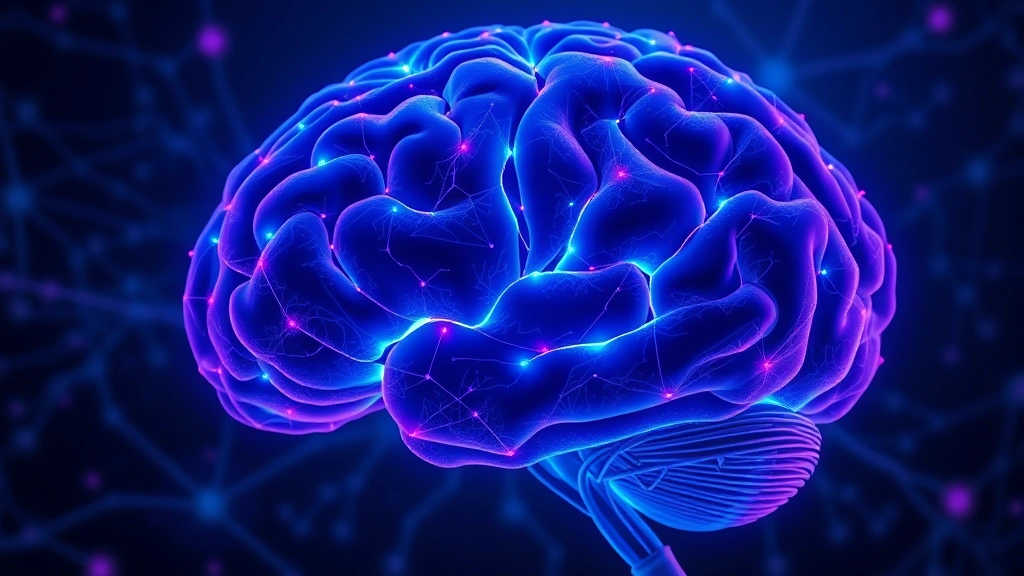
Modern neuroscience reveals that therapy literally rewires the brain. Neuroimaging studies demonstrate that psychotherapy produces measurable changes in brain structure and function, particularly in regions associated with emotion regulation, memory processing, and self-awareness. The amygdala—our brain’s alarm system—shows reduced reactivity following effective therapy, while the prefrontal cortex, responsible for rational thinking and impulse control, demonstrates enhanced activation.
This neuroplasticity means that therapeutic interventions create new neural pathways that replace old, maladaptive patterns. When individuals practice new coping strategies or challenge distorted thinking patterns during therapy, they’re literally building stronger neural networks that support these healthier responses. Over time, these pathways become automatic, requiring less conscious effort to maintain.
Research published in Nature Neuroscience demonstrates that cognitive-behavioral therapy produces changes in brain metabolism similar to those achieved through medication, yet without pharmaceutical side effects. This finding has revolutionized how mental health professionals understand therapy’s power to facilitate genuine neurobiological healing.
The stress hormone cortisol provides another measurable marker of therapy’s impact. Individuals who engage in consistent therapeutic work show normalized cortisol patterns, indicating that their nervous systems have shifted from chronic activation to healthy regulation. This physiological change translates directly into improved sleep, immune function, and overall health outcomes.
Emotional Regulation and Mental Health Transformation
One of therapy’s most valuable gifts involves developing emotional regulation skills. Many individuals never learned healthy ways to identify, understand, and express emotions—a deficit that creates significant psychological distress. Therapy teaches concrete techniques for managing intense emotions without becoming overwhelmed or acting destructively.
Dialectical Behavior Therapy (DBT), Cognitive-Behavioral Therapy (CBT), and Acceptance and Commitment Therapy (ACT) represent evidence-based approaches specifically designed to enhance emotional regulation. These modalities teach individuals to observe emotions without judgment, identify triggers accurately, and choose responses aligned with their values rather than reactive impulses.
The transformation in emotional wellbeing often manifests as increased emotional awareness. Clients begin recognizing subtle shifts in mood, understanding what precedes emotional escalation, and implementing preventative strategies before situations become overwhelming. This proactive approach fundamentally changes how individuals experience daily life.
Depression and anxiety—two of the most prevalent mental health conditions—respond particularly well to therapeutic intervention. Meta-analyses consistently show that therapy produces remission rates comparable to or exceeding medication alone, with the added benefit of teaching skills that persist long after treatment concludes. The gift of therapy includes the empowerment that comes from knowing you possess tools to manage your mental health independently.
Building Resilience Through Professional Support
Resilience—the capacity to navigate adversity and recover from setbacks—develops substantially through therapeutic work. Rather than viewing challenges as insurmountable obstacles, therapy helps individuals recognize their inherent strengths and develop adaptive coping strategies. This shift in perspective creates a foundation for facing future difficulties with confidence.
Expert therapists guide clients through a process of identifying past successes, acknowledging personal strengths, and recognizing resources available during challenging times. This asset-focused approach complements problem-solving work, ensuring that therapeutic intervention builds on existing resilience rather than focusing exclusively on deficits.
Resilience training in therapy involves graduated exposure to manageable challenges, combined with supportive guidance and skill-building. Individuals learn that discomfort doesn’t indicate danger, that they can tolerate difficult emotions, and that setbacks provide opportunities for learning rather than evidence of failure. These cognitive and behavioral shifts create profound changes in how people approach life’s inevitable difficulties.
The relationship with a skilled therapist models healthy resilience in action. Therapists remain calm during clients’ emotional storms, validate struggles while maintaining hope, and consistently communicate belief in clients’ capacity for change. This modeling provides a powerful template that clients internalize and eventually apply independently.

Therapy’s Effect on Relationships and Social Connections
Psychological wellbeing exists within a relational context, and therapy significantly improves how individuals connect with others. Many people struggle with communication patterns, boundary-setting, or attachment issues that undermine relationship quality. Through therapy, individuals develop awareness of these patterns and practice new relational skills.
Couples therapy and family therapy extend therapeutic benefits into the relational sphere directly, improving communication, resolving conflicts, and strengthening emotional bonds. Partners learn to express needs clearly, listen empathetically, and navigate disagreements without damaging the relationship. These skills create profound improvements in relationship satisfaction and stability.
Individual therapy also enhances relationships by helping clients understand how their personal history influences current relational patterns. Someone who experienced emotional neglect, for example, might unconsciously recreate this dynamic in adult relationships. Therapy illuminates these patterns, allowing individuals to make conscious choices about how they want to relate to others.
The gift of therapy extends to social wellbeing through improved self-esteem and social confidence. As individuals address shame, anxiety, or social avoidance, they naturally increase social engagement. This expanded social connection creates additional wellbeing benefits, as research consistently demonstrates that meaningful relationships constitute one of the strongest predictors of overall life satisfaction.
For those exploring specialized therapeutic approaches, speech therapy near me represents another avenue through which therapeutic support enhances social and emotional wellbeing, particularly for individuals experiencing communication challenges that impact confidence and relationships.
Specialized Therapeutic Approaches and Their Benefits
The therapeutic landscape encompasses diverse approaches, each with distinct benefits for different presentations and preferences. Cognitive-Behavioral Therapy focuses on the relationship between thoughts, feelings, and behaviors, making it particularly effective for anxiety, depression, and trauma-related conditions. Psychodynamic therapy explores unconscious patterns and historical roots of current difficulties, often producing profound insights about personality and relational patterns.
Mindfulness-based interventions teach present-moment awareness and acceptance, reducing rumination and anxiety while increasing psychological flexibility. These approaches, including Mindfulness-Based Stress Reduction (MBSR) and Mindfulness-Based Cognitive Therapy (MBCT), demonstrate particular effectiveness for chronic pain, anxiety disorders, and relapse prevention in depression.
Somatic therapies recognize that trauma and emotional distress become encoded in the body, and that healing requires addressing physical sensations and nervous system regulation. Techniques like Somatic Experiencing and Sensorimotor Psychotherapy help individuals release trauma held in their bodies, creating integration of mind and body that facilitates deeper healing.
Eye Movement Desensitization and Reprocessing (EMDR) has revolutionized trauma treatment by facilitating rapid processing of traumatic memories. This approach produces remarkable outcomes for PTSD and complex trauma, often in fewer sessions than traditional talk therapy alone.
For individuals with specific health conditions, specialized approaches like physical therapy treatment for cerebral palsy combine with psychological support to address wellbeing holistically. Additionally, emerging modalities like red light therapy near me complement traditional therapy by addressing physiological factors that influence mental health.
Long-Term Wellbeing Outcomes from Consistent Therapy
The most compelling evidence for therapy’s impact emerges from long-term outcome studies tracking individuals years after treatment concludes. Research demonstrates that individuals who complete therapy maintain improvements and continue applying skills learned, often showing continued progress even after formal treatment ends. This trajectory differs markedly from untreated individuals, whose symptoms frequently persist or worsen over time.
Longitudinal studies reveal that therapy produces sustainable changes in life satisfaction, relationship quality, work performance, and overall functioning. The gift of therapy includes not merely symptom relief but genuine life enhancement—individuals report greater meaning, purpose, and fulfillment years after completing treatment.
One significant advantage of therapy involves prevention of future episodes. Individuals who have engaged in meaningful therapeutic work show reduced rates of relapse for depression, anxiety, and other conditions. This preventative benefit translates into reduced healthcare costs and improved quality of life across the lifespan.
Career satisfaction frequently improves following therapy, as individuals address anxiety, perfectionism, or interpersonal difficulties that previously limited professional functioning. The confidence and emotional regulation skills developed through therapy support advancement and greater enjoyment of work. For those considering career transitions, occupational therapy jobs represent one specialized field where therapeutic principles guide professional practice.
Understanding therapy cost considerations helps individuals make informed decisions about accessing these transformative services. Despite the investment required, research consistently demonstrates that therapy’s benefits exceed costs, both in terms of direct healthcare savings and indirect benefits like improved productivity and relationship stability.
The research from the American Psychological Association on psychotherapy effectiveness confirms that therapy’s benefits accumulate over time, with individuals showing continued improvement years into follow-up periods. This durability distinguishes therapy from temporary interventions, establishing it as a genuine investment in long-term wellbeing.
FAQ
How long does therapy typically need to continue before experiencing wellbeing benefits?
Many individuals report initial benefits within the first few sessions, particularly improved sense of being heard and supported. However, meaningful changes in thinking patterns, emotional regulation, and behavior typically emerge over 8-12 weeks of consistent weekly therapy. Long-term benefits accumulate over months and years, with research suggesting that 20-30 sessions produce significant symptom reduction for many conditions, though optimal duration varies based on individual needs and condition complexity.
Can therapy be effective without medication for serious mental health conditions?
Research demonstrates that therapy alone produces substantial benefits for many conditions, including depression, anxiety disorders, and PTSD. However, some individuals benefit from combining therapy with medication, particularly for severe presentations or bipolar disorder. The most effective approach depends on individual circumstances, and this decision should be made collaboratively with qualified mental health professionals who can assess your specific situation.
What makes the therapeutic relationship so important to treatment outcomes?
The therapeutic relationship provides the context in which healing occurs. A therapist who demonstrates genuine empathy, maintains appropriate boundaries, and communicates belief in your capacity for change creates safety necessary for vulnerability and growth. This relationship models healthy connection, provides corrective experiences that challenge unhealthy relational patterns, and offers consistent support during the challenging work of change.
How do I know if therapy is actually working?
Effective therapy produces measurable changes: improved sleep, reduced anxiety symptoms, better emotional regulation, enhanced relationships, increased life satisfaction, or greater ability to handle challenges. Your therapist should regularly assess progress toward specific goals. If you feel unheard, uncomfortable, or see no progress after 6-8 sessions, discussing concerns with your therapist or seeking a second opinion is entirely appropriate.
Is online therapy as effective as in-person therapy?
Research increasingly supports the effectiveness of teletherapy for many conditions. Online therapy offers accessibility, convenience, and reduced barriers to care. However, some individuals prefer in-person connection, and certain presentations (particularly severe trauma or psychiatric instability) may benefit from in-person work initially. The most important factors—therapeutic alliance, therapist competence, and client engagement—can occur effectively in either format.