Spa Massage Therapy: Benefits for Mental Wellbeing
In our fast-paced modern world, mental health challenges have become increasingly prevalent. According to recent studies, approximately one in five adults experiences mental illness annually, with stress and anxiety topping the list of common concerns. While traditional therapeutic approaches remain essential, complementary wellness practices like spa massage therapy have gained significant recognition for their profound impact on mental wellbeing. Massage therapy isn’t merely a luxury indulgence—it’s a scientifically-supported intervention that addresses both physical tension and psychological distress.
Spa massage therapy encompasses various techniques designed to manipulate soft tissues, improve circulation, and promote relaxation. From Swedish massage to deep tissue work, these modalities trigger measurable physiological changes that directly benefit mental health. When combined with the serene environment of a spa setting, massage becomes a holistic experience that engages the mind, body, and spirit. This comprehensive guide explores the multifaceted relationship between spa massage therapy and mental wellbeing, backed by research and practical insights.

How Spa Massage Therapy Works
Spa massage therapy operates through multiple interconnected mechanisms that influence both physical and psychological states. When a trained therapist applies pressure and movement to muscle tissue, they stimulate mechanoreceptors—specialized sensory receptors in the skin and muscles that send signals to the nervous system. These signals activate the parasympathetic nervous system, often called the “rest and digest” system, which counteracts the stress response triggered by daily pressures.
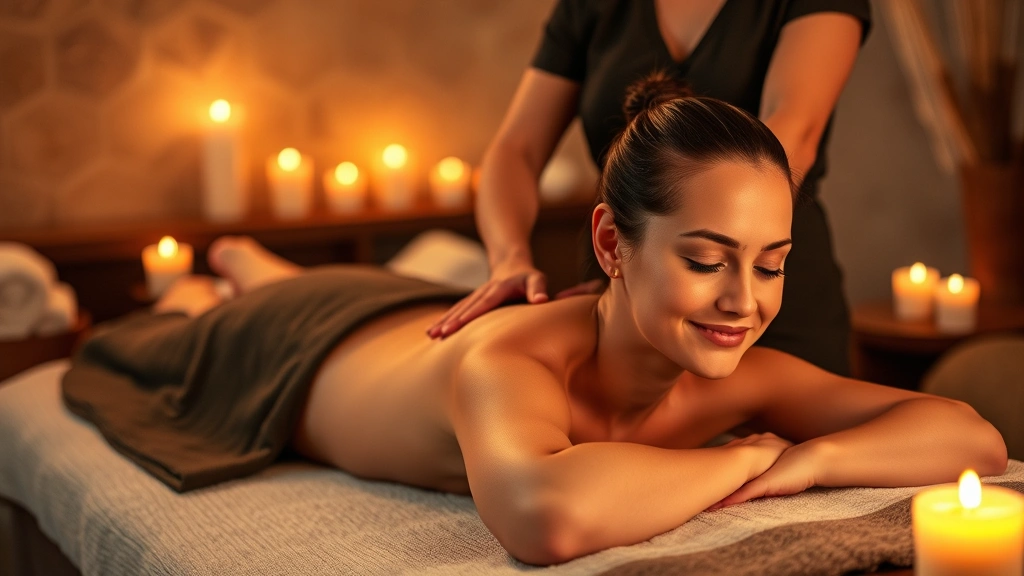
The spa environment amplifies these benefits significantly. Soft lighting, calming music, aromatherapy, and comfortable temperatures create a multisensory experience that prepares the mind for relaxation before the massage even begins. This environmental conditioning helps shift mental state and enhances the therapeutic effects of the massage itself. Unlike clinical massage settings, spas prioritize the entire sensory experience, making them particularly effective for mental health applications.
Research from the National Institutes of Health demonstrates that massage therapy produces measurable changes in brain activity, particularly in areas associated with stress processing and emotional regulation. The combination of physical manipulation and environmental factors creates a synergistic effect that extends benefits beyond what either component alone could achieve.

Stress Reduction and Cortisol Management
Chronic stress represents one of the most significant threats to mental wellbeing, yet it remains largely normalized in contemporary society. Spa massage therapy directly addresses stress by reducing cortisol, the primary stress hormone. Multiple clinical studies have shown that massage therapy sessions decrease cortisol levels by up to 30%, while simultaneously increasing serotonin and dopamine—neurotransmitters essential for mood regulation.
When you experience stress, your body enters a “fight or flight” state characterized by elevated heart rate, blood pressure, and muscle tension. Cortisol maintains this state, preparing your body for perceived threats. However, modern stressors—work deadlines, financial concerns, relationship challenges—don’t require physical responses, leaving cortisol chronically elevated. This sustained activation contributes to anxiety disorders, depression, and various physical health problems.
Spa massage therapy interrupts this cycle by activating the parasympathetic nervous system. The physical pressure from massage stimulates the vagus nerve, a crucial component of the parasympathetic system. This stimulation signals your body that the threat has passed, allowing cortisol levels to decrease and promoting the relaxation response. Research indicates that regular massage sessions maintain lower baseline cortisol levels even between appointments, suggesting lasting psychological benefits.
For those seeking additional stress management approaches, exploring therapy for breakups or other specialized counseling can complement spa treatments. Similarly, understanding how much therapy costs helps integrate professional mental health support with wellness practices.
Anxiety Relief Through Touch
Anxiety disorders affect millions worldwide, characterized by excessive worry, physical tension, and overwhelming fear responses. While professional treatment remains important, complementary approaches like spa massage therapy provide valuable support. The therapeutic touch involved in massage directly addresses anxiety through multiple pathways.
Human touch has profound neurobiological effects. When another person touches you intentionally and compassionately, it activates the release of oxytocin, sometimes called the “bonding hormone.” Oxytocin counteracts anxiety by promoting feelings of safety, trust, and connection. This explains why massage therapy feels inherently comforting—the therapeutic touch literally changes brain chemistry to reduce anxiety symptoms.
Additionally, massage therapy helps individuals develop body awareness, a skill often diminished in anxiety disorders. Anxiety frequently manifests as physical tension that people unconsciously maintain. Through massage, therapists help clients recognize where they hold tension and experience what relaxation feels like. This somatic awareness empowers individuals to identify and release tension patterns independently, extending the benefits of spa visits into daily life.
The predictable, safe environment of a spa further supports anxiety relief. Unlike unpredictable daily stressors, spa experiences follow structured routines with clear expectations. This predictability reduces anticipatory anxiety and allows the nervous system to relax more completely. For those managing anxiety alongside other mental health concerns, combining spa massage with professional support creates a comprehensive wellness approach.
Depression and Mood Enhancement
Depression represents a complex mental health condition involving persistent sadness, loss of interest in activities, and neurochemical imbalances. While therapy resources and professional treatment form the foundation of depression management, spa massage therapy provides valuable adjunctive support.
Massage therapy influences depression through multiple mechanisms. First, it increases serotonin and dopamine production—the same neurotransmitters targeted by many antidepressant medications. Second, the improved sleep quality resulting from massage helps regulate mood-controlling hormones. Third, the sense of self-care and nurturing involved in spa visits combats the hopelessness and self-neglect often accompanying depression.
Depression frequently involves physical withdrawal and isolation. The therapeutic touch and human connection experienced during spa massage counteracts this isolation, providing genuine human contact in a safe, supportive context. For many individuals with depression, this experience reminds them that they deserve care and attention, subtly shifting their self-perception.
Research published in the Journal of Bodywork and Movement Therapies demonstrates that regular massage therapy significantly reduces depression scores in clinical populations. However, massage works best as part of comprehensive treatment including professional counseling and, when appropriate, medication.
Sleep Quality Improvement
Sleep disturbances plague individuals with mental health challenges, creating a vicious cycle where poor sleep worsens mental symptoms, which further disrupts sleep. Spa massage therapy interrupts this cycle by promoting deeper, more restorative sleep.
Massage therapy facilitates sleep through multiple pathways. The physical relaxation reduces muscle tension that often prevents comfortable sleep positions. The neurochemical changes—increased serotonin and melatonin, decreased cortisol—optimize the brain’s sleep-wake cycle. The parasympathetic activation induced by massage creates the physiological conditions necessary for quality sleep.
Furthermore, the relaxation response triggered by spa massage persists after the session ends. Many clients report improved sleep quality for several nights following a massage appointment. With regular sessions, sleep improvements become more consistent and pronounced. Better sleep, in turn, enhances emotional regulation, cognitive function, and overall mental resilience.
The sleep-mental health connection is bidirectional: sleep deprivation worsens depression and anxiety, while these conditions disrupt sleep. By improving sleep quality, spa massage therapy addresses a fundamental factor in mental wellbeing. Combined with other sleep hygiene practices and professional treatment when needed, massage creates a powerful approach to sleep improvement.
Neurochemical Benefits
Beyond the visible relaxation response, spa massage therapy produces profound neurochemical changes measurable through scientific research. Understanding these mechanisms explains why massage feels so transformative and why its benefits extend beyond the immediate experience.
During and after massage, the body releases endorphins—natural opioid-like substances that produce pain relief and euphoria. These endogenous opioids create the pleasant, sometimes euphoric feeling clients experience during spa treatments. Simultaneously, massage increases serotonin levels, the neurotransmitter implicated in mood regulation, appetite, and sleep. Low serotonin correlates with depression, anxiety, and other mental health challenges, making serotonin elevation a significant therapeutic benefit.
Dopamine, another crucial neurotransmitter, also increases through massage therapy. Dopamine drives motivation, pleasure, and reward processing. Individuals with depression often experience dopamine deficiency, leading to anhedonia—the inability to experience pleasure. By increasing dopamine through spa massage, therapists help restore the capacity for enjoyment and motivation.
GABA (gamma-aminobutyric acid), the brain’s primary inhibitory neurotransmitter, increases through massage therapy. GABA reduces neuronal excitability, promoting calm and preventing anxiety. Many anti-anxiety medications work by enhancing GABA function, making massage’s natural GABA increase particularly valuable for anxiety management.
These neurochemical changes aren’t fleeting. Regular massage sessions create lasting changes in baseline neurotransmitter levels, suggesting that consistent spa massage therapy produces enduring mental health benefits beyond individual sessions. This explains why many mental health professionals recommend regular massage as part of comprehensive wellness plans.
Complementary to Professional Treatment
While spa massage therapy offers substantial mental health benefits, it’s crucial to recognize it as complementary to professional mental health treatment, not a replacement. For individuals with diagnosed mental health conditions, spa massage works best alongside therapy, counseling, and medical treatment when appropriate.
The integration of spa massage with professional treatment creates a holistic wellness approach. Therapists can address psychological factors and develop coping strategies, while massage therapy manages the physical tension and neurochemical imbalances accompanying mental health challenges. This combination addresses the mind-body connection that characterizes mental wellbeing.
For those exploring various therapeutic modalities, understanding different physical therapy treatment approaches or considering options like red light therapy near me demonstrates how multiple complementary approaches can support overall wellness. Similarly, speech therapy near me and other specialized treatments often work synergistically with spa massage for comprehensive health management.
Individuals should communicate with their mental health providers about incorporating spa massage into their treatment plans. Mental health professionals can provide guidance on frequency, timing, and integration with other interventions. This collaborative approach ensures that massage therapy supports rather than interferes with professional treatment goals.
Choosing Your Spa Experience
Selecting an appropriate spa for mental health benefits requires thoughtful consideration beyond simple convenience or cost. The quality of your spa experience directly impacts the mental health benefits you receive.
Therapist Credentials and Training: Ensure your massage therapist holds proper licenses and certifications. Licensed massage therapists undergo extensive training in anatomy, physiology, and technique. Their expertise ensures safe, effective treatment and appropriate recognition of contraindications or special considerations.
Spa Environment: Evaluate the spa’s atmosphere. Quality spas maintain clean, comfortable facilities with appropriate lighting, temperature control, and noise management. The aesthetic environment contributes significantly to the relaxation response and mental health benefits. Visit before scheduling to assess whether the space promotes the calm you seek.
Communication and Customization: Choose spas where therapists conduct thorough consultations before treatment. Effective spa massage requires understanding your specific needs, preferences, and any physical conditions affecting treatment. Open communication ensures the experience addresses your particular mental health goals.
Consistency and Accessibility: Regular massage provides greater mental health benefits than occasional visits. Consider spas that fit your schedule and budget, enabling consistent attendance. Many spas offer package deals or membership options that make regular massage more affordable and convenient.
Specialized Services: Some spas offer specialized services like hot stone massage, aromatherapy integration, or meditation-enhanced sessions that may particularly support your mental wellbeing. Explore options aligned with your preferences and mental health needs.
Professional Integration: Consider spas that work collaboratively with mental health professionals or understand the mental health benefits of massage therapy. Spas recognizing massage’s therapeutic role beyond relaxation demonstrate deeper commitment to client wellbeing.
Taking time to select an appropriate spa experience demonstrates commitment to your mental health and maximizes the benefits you receive. Your spa choice significantly influences whether massage becomes a genuine wellness tool or merely a pleasant indulgence.
FAQ
How often should I receive spa massage for mental health benefits?
Research suggests that weekly or biweekly massage provides optimal mental health benefits, though individual needs vary. Those managing acute mental health challenges may benefit from weekly sessions, while others find monthly massage sufficient for maintenance. Consult with your therapist and mental health provider to determine appropriate frequency for your specific situation.
Can spa massage therapy replace professional mental health treatment?
No. Spa massage therapy provides valuable complementary support but cannot replace professional mental health treatment for diagnosed conditions. It works best integrated with therapy, counseling, or medical treatment. Always consult mental health professionals before relying solely on massage for mental health management.
What types of massage are most beneficial for mental health?
Swedish massage, deep tissue massage, and relaxation-focused modalities all provide mental health benefits. Swedish massage emphasizes relaxation and stress reduction, while deep tissue work addresses physical tension contributing to anxiety. The most beneficial massage type depends on your individual preferences and specific mental health concerns. Discuss options with your therapist.
Are there any contraindications or risks with spa massage for mental health?
Spa massage is generally safe for mental health support. However, individuals with certain physical conditions, recent injuries, or specific medical concerns should consult healthcare providers before beginning massage. Additionally, those with trauma histories may need specialized trauma-informed massage approaches. Always communicate fully with your therapist about your health status.
How long do mental health benefits from spa massage last?
Immediate benefits like stress reduction and relaxation typically last several hours to days following a session. Regular massage creates cumulative benefits with lasting neurochemical changes. Many clients report sustained improvements in mood, sleep, and anxiety levels when maintaining consistent massage schedules. However, benefits diminish without continued treatment.
Can I combine spa massage with other wellness practices?
Absolutely. Spa massage integrates well with meditation, yoga, exercise, healthy nutrition, and professional mental health treatment. Many individuals find that combining massage with other wellness practices creates synergistic benefits. The holistic approach addressing multiple aspects of wellbeing typically produces superior results compared to single interventions.
How do I know if a spa is legitimate and safe?
Verify that massage therapists hold proper state licenses and certifications. Check online reviews and ask about the spa’s sanitation protocols. Legitimate spas prominently display therapist credentials and maintain professional standards. Don’t hesitate to ask questions about the spa’s practices, training requirements, and safety measures before scheduling.