Sound Therapy Benefits: Expert Opinions and Finding Sound Therapy Near Me
Sound therapy has emerged as a compelling complementary wellness approach, gaining recognition from both alternative medicine practitioners and mainstream healthcare professionals. This ancient healing modality, which harnesses the therapeutic power of sound frequencies and vibrations, is experiencing a renaissance in modern wellness communities. Whether you’re searching for sound therapy near me or seeking to understand its scientifically-backed benefits, this comprehensive guide explores expert opinions, research evidence, and practical guidance for accessing quality sound therapy services.
The therapeutic use of sound dates back thousands of years across various cultures, from Tibetan singing bowls in Buddhist meditation to Aboriginal didgeridoo healing traditions. Today, contemporary practitioners combine these traditional approaches with modern acoustics and neuroscience research, creating evidence-based sound therapy protocols that address everything from anxiety and insomnia to chronic pain management and cognitive function enhancement.

What Is Sound Therapy and How Does It Work
Sound therapy, also known as sound healing or vibrational medicine, operates on the principle that specific sound frequencies can influence physiological and psychological states. The human body responds to sound vibrations at cellular and neurological levels, affecting heart rate variability, brainwave patterns, and stress hormone regulation. When you explore sound therapy options near me, you’ll encounter practitioners who utilize various sound-producing instruments and technologies designed to create therapeutic resonance.
The fundamental mechanism behind sound therapy involves entrainment—the tendency of biological systems to synchronize with external rhythmic stimuli. When exposed to specific frequencies, your nervous system gradually aligns with these vibrations, promoting relaxation and coherence. Research from institutions studying sound frequency effects on human physiology demonstrates measurable changes in cortisol levels, heart rate variability, and brainwave activity following sound therapy sessions.
The vagus nerve, which plays a crucial role in parasympathetic nervous system activation, responds particularly well to certain sound frequencies. Low-frequency vibrations and rhythmic sound patterns stimulate vagal tone, promoting the body’s natural relaxation response. This physiological mechanism explains why sound therapy practitioners often recommend sessions for stress management and anxiety reduction.
Scientific Research on Sound Therapy Efficacy
Leading research institutions and peer-reviewed journals have increasingly validated sound therapy’s effectiveness for specific health conditions. A systematic review published in the Journal of Evidence-Based Complementary and Alternative Medicine examined multiple randomized controlled trials investigating sound therapy outcomes. The research revealed significant improvements in anxiety symptoms, sleep quality, and pain perception among participants receiving sound-based interventions compared to control groups.
The National Center for Biotechnology Information maintains an extensive database of sound therapy research, including studies on binaural beats’ effects on brainwave entrainment and frequency-specific microcurrent therapy applications. These evidence-based investigations provide practitioners and patients with credible scientific foundations for sound therapy protocols.
Neuroscientists have documented how specific frequencies affect different brain regions responsible for emotional regulation, memory processing, and stress response. The 432 Hz frequency, known as the “universal healing frequency,” has been studied for its potential to reduce anxiety and promote emotional stability. Similarly, 528 Hz frequencies are associated with DNA repair and cellular regeneration in preliminary research contexts.
Clinical trials examining sound therapy for pain management demonstrate remarkable efficacy comparable to certain pharmaceutical interventions for chronic conditions. Patients receiving sound therapy for fibromyalgia, arthritis, and lower back pain reported sustained pain reduction and improved functional capacity. These results position sound therapy as a valuable complementary approach within integrated healthcare models.
Key Benefits According to Wellness Experts
Expert practitioners and wellness professionals consistently identify several primary benefits of sound therapy across diverse patient populations. When searching for quality sound therapy near my location, understanding these documented benefits helps you identify practitioners aligned with your wellness goals.
Stress and Anxiety Reduction: Sound therapy’s most widely recognized benefit involves parasympathetic nervous system activation, creating measurable reductions in anxiety symptoms and stress-related physiological markers. Experts recommend sound therapy as a preventive wellness practice and acute anxiety management tool.
Enhanced Sleep Quality: Practitioners specializing in sleep disorders report that sound therapy sessions, particularly those incorporating binaural beats and delta frequency patterns, significantly improve sleep onset and sleep architecture quality. Many patients reduce sleep medication dependence following consistent sound therapy engagement.
Pain Management: Vibrational medicine experts note that sound frequencies penetrate tissue at cellular levels, potentially reducing inflammation and pain perception. This benefit makes sound therapy particularly valuable for patients seeking non-pharmaceutical pain management alternatives, complementing approaches like red light therapy near me in comprehensive wellness protocols.
Cognitive Enhancement: Sound therapy practitioners report improved focus, memory retention, and mental clarity following sessions. Binaural beat frequencies associated with alpha and theta brainwave states facilitate enhanced learning capacity and creative problem-solving.
Emotional Processing and Healing: Psychologists and somatic therapists increasingly incorporate sound therapy into trauma-informed care protocols. The vibrational and frequency-based nature of sound therapy facilitates emotional release and nervous system recalibration in ways complementary to talk-based therapy modalities.
Types of Sound Therapy Modalities
Understanding different sound therapy approaches helps you identify the most appropriate modality for your specific health goals when seeking sound therapy practitioners near me.
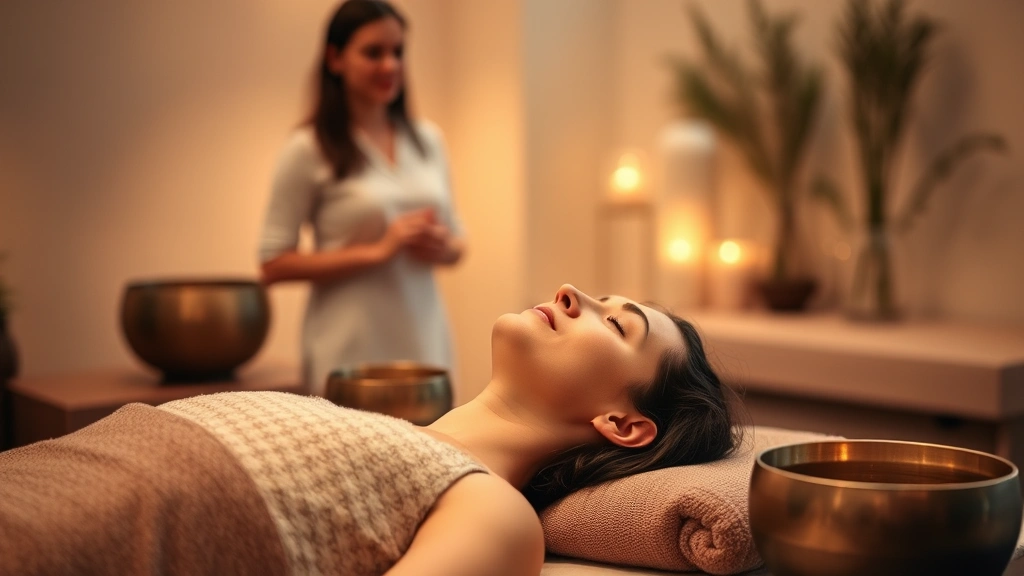
Singing Bowl Therapy: Himalayan and crystal singing bowls produce complex harmonic frequencies that promote deep relaxation and cellular resonance. Practitioners use these instruments in individual sessions and group soundbaths, with participants reporting profound meditative states and emotional releases.
Binaural Beats: This technology delivers slightly different frequencies to each ear, creating a perceived third frequency within the brain. Practitioners prescribe specific binaural beat frequencies targeting desired brainwave states—delta for sleep, theta for meditation, alpha for relaxation, and beta for alertness and focus.
Tuning Fork Therapy: Precision-calibrated tuning forks create specific frequencies applied directly to acupuncture points, chakras, or held near the body. Practitioners trained in frequency-specific microcurrent protocols use tuning forks for pain management and energy balancing.
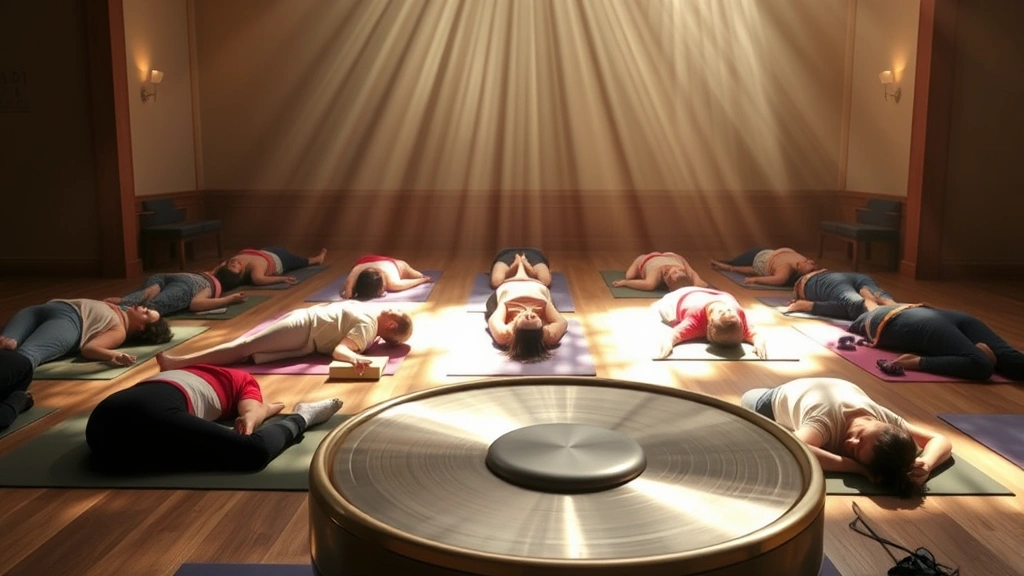
Gong Therapy: Large orchestral gongs produce complex harmonic overtones that create immersive sound experiences. Gong baths—group sessions where participants lie passively while practitioners play large gongs—are increasingly offered at wellness centers and meditation studios.
Voice and Vocal Toning: Practitioners guide clients in vocalizing specific frequencies and tones, harnessing the therapeutic power of self-generated sound vibrations. This modality combines sound therapy with breath work and mindfulness practices.
Frequency-Specific Microcurrent: This advanced modality combines electrical microcurrent technology with specific frequencies targeted to particular tissues or conditions, supported by substantial clinical research for pain management and tissue healing.
Finding Quality Sound Therapy Near You
Locating qualified sound therapy practitioners requires understanding credential standards and evaluating practitioner qualifications. The International Association of Sound Therapy and the Sound Healing Association maintain registries of certified practitioners committed to evidence-based protocols and ethical standards.
When searching for sound therapy near me, consider these evaluation criteria: practitioner training and certification credentials, client testimonials and case studies, specific experience with your health condition or goals, and willingness to integrate with your existing healthcare providers. Many practitioners specializing in sound therapy also offer complementary modalities like speech therapy near me for specific applications or physical therapy treatment for cerebral palsy integration in clinical settings.
Wellness centers, meditation studios, yoga facilities, and integrative medicine clinics increasingly offer sound therapy services. Online directories and local wellness networks provide searchable databases of practitioners organized by location and specialty. Before committing to regular sessions, request consultations where practitioners can assess your health status and customize protocols accordingly.
Insurance coverage varies significantly for sound therapy, with some practitioners billing through integrative medicine insurance plans or employee wellness programs. Verify coverage details before beginning treatment, and ask practitioners about payment plans or sliding scale options if cost represents a barrier to access.
Sound Therapy Compared to Other Therapies
Understanding how sound therapy integrates within broader therapeutic landscapes helps optimize your wellness approach. Sound therapy complements rather than replaces conventional medical treatment, functioning effectively alongside pharmaceutical interventions and other therapeutic modalities.
Compared to red light therapy near me, sound therapy operates through different physiological mechanisms—frequency-based nervous system entrainment versus photobiomodulation—making both approaches potentially synergistic in comprehensive wellness protocols. Some practitioners offer integrated sessions combining sound and light frequencies for enhanced therapeutic outcomes.
Sound therapy differs significantly from speech therapy near me, which focuses on communication and swallowing function, though sound therapy principles sometimes support speech therapy outcomes through nervous system regulation. For specialized conditions like physical therapy treatment for cerebral palsy, sound therapy serves as a valuable complementary modality rather than primary intervention.
Compared to meditation and mindfulness practices, sound therapy provides external sensory input that facilitates meditative states without requiring extensive training or practice. Many practitioners recommend combining sound therapy with meditation for amplified benefits and sustained nervous system recalibration.
Understanding how much is therapy across different modalities helps budget-conscious patients make informed decisions. Sound therapy sessions typically range from $50-$150 per hour, comparable to other complementary therapies and often more affordable than conventional psychotherapy without insurance coverage.
What to Expect During a Session
First-time sound therapy clients benefit from understanding typical session structures and what physiological responses to anticipate. Most sound therapy practitioners begin with intake consultations assessing your health history, current symptoms, wellness goals, and contraindications.
During active treatment sessions, you’ll typically lie comfortably while the practitioner applies sound frequencies through instruments, voice, or technology. Sessions last 30-90 minutes depending on the modality and your specific needs. Many clients experience deep relaxation, vivid visualizations, emotional releases, or profound stillness during sessions.
Common experiences include tingling sensations, warmth or coolness spreading through the body, spontaneous muscle relaxations, or emotional responses like crying or laughter. These reactions indicate nervous system processing and healing activation—completely normal and therapeutic aspects of sound therapy work.
After sessions, practitioners typically recommend rest and hydration, as sound therapy activates detoxification processes and cellular regeneration. Many clients report enhanced sleep quality that evening and sustained mood elevation for several days following sessions. Practitioners customize follow-up frequency based on your condition and goals, typically recommending weekly sessions initially with gradual spacing as benefits accumulate.
FAQ
Is Sound Therapy Safe for Everyone?
Sound therapy is generally safe for most populations, though certain individuals should exercise caution or avoid specific modalities. Pregnant women, individuals with epilepsy triggered by auditory stimuli, or those with severe hearing impairments should consult practitioners and physicians before beginning treatment. Most practitioners screen for contraindications during initial consultations and modify protocols accordingly.
How Many Sessions Before Experiencing Benefits?
Many clients report noticeable benefits after single sessions, with deeper and more sustained improvements emerging after 4-6 consistent sessions. Chronic conditions typically require longer engagement, with optimal results manifesting after 8-12 weeks of regular treatment. Individual responses vary significantly based on nervous system sensitivity, condition severity, and lifestyle factors.
Can Sound Therapy Replace Medical Treatment?
Sound therapy functions best as a complementary approach within integrated healthcare models rather than replacement for conventional medical treatment. Always consult your physician before discontinuing medications or treatments, and inform healthcare providers about sound therapy engagement for comprehensive care coordination.
What Credentials Should Sound Therapists Have?
Reputable sound therapy practitioners hold certification from recognized organizations like the International Association of Sound Therapy, Sound Healing Association, or specialized training programs accredited through naturopathic or integrative medicine institutions. Request credential verification and inquire about continuing education commitments.
How Does Sound Therapy Work Remotely?
While in-person sessions maximize vibrational transmission, remote sound therapy sessions using binaural beats, frequency recordings, or guided soundbath recordings provide documented benefits. Many practitioners offer hybrid models combining remote frequency exposure with personalized guidance.
What’s the Difference Between Sound Therapy and Music Therapy?
Sound therapy focuses on specific frequencies and vibrations’ therapeutic properties, while music therapy utilizes musical elements—melody, rhythm, and emotional associations—within psychological treatment frameworks. Both approaches offer distinct benefits and sometimes integrate within comprehensive wellness protocols.
Exploring sound therapy as part of your wellness journey opens access to ancient healing wisdom validated by contemporary neuroscience. Whether you’re seeking stress relief, pain management, improved sleep, or emotional healing, therapy resources available through wellness guides can help you locate qualified practitioners and integrate sound therapy effectively within your broader healthcare approach. Beginning your search for sound therapy near me today positions you to experience the profound benefits this evidence-supported modality offers.