Does Meditation Improve Skin Health? Expert Insights
The connection between mind and body has long fascinated both ancient practitioners and modern scientists. In recent years, growing evidence suggests that meditation—a practice rooted in mindfulness and stress reduction—may significantly impact skin health. This comprehensive exploration examines how meditative practices influence dermatological conditions, cellular regeneration, and overall skin appearance through scientifically-backed mechanisms.
Skin health extends far beyond topical treatments and genetics. Environmental stressors, hormonal fluctuations, and psychological tension create visible manifestations on our largest organ. When we consider holistic approaches like meditation, we’re looking at how mental wellness translates into physical transformation, potentially offering benefits comparable to or complementary with conventional therapeutic interventions.
The Science Behind Stress and Skin Damage
Chronic stress triggers a cascade of physiological responses that directly compromise skin integrity. When the body perceives threat—whether real or psychological—the sympathetic nervous system activates the fight-or-flight response, releasing stress hormones including cortisol and adrenaline. These chemicals constrict blood vessels, reduce oxygen delivery to skin cells, and promote inflammation throughout the dermal and epidermal layers.
Research published in peer-reviewed dermatological journals demonstrates that stress accelerates skin aging by up to 30 percent. High cortisol levels suppress collagen production, the essential protein responsible for skin elasticity and firmness. Additionally, stress hormones increase sebum production, exacerbating acne-prone conditions, while simultaneously impairing the skin’s natural barrier function. This creates a vicious cycle where compromised skin barrier leads to increased sensitivity and vulnerability to environmental irritants.
The inflammatory response triggered by stress affects multiple skin conditions simultaneously. Individuals with psoriasis, eczema, rosacea, and acne frequently report flare-ups during high-stress periods. Studies from the National Center for Biotechnology Information show that psychological stress intensifies existing dermatological conditions through immune system dysregulation. The skin’s microbiome—the beneficial bacteria maintaining healthy skin—becomes disrupted under chronic stress, further compromising skin health and resilience.
Understanding these mechanisms illuminates why addressing mental health becomes crucial for achieving lasting skin improvements. Traditional skincare alone cannot counteract the systemic damage caused by unmanaged stress.
How Meditation Reduces Cortisol Levels
Meditation activates the parasympathetic nervous system, often called the “rest and digest” response. This activation directly counteracts the stress response, creating a biochemical shift that benefits skin at the cellular level. Regular meditation practitioners demonstrate consistently lower baseline cortisol levels, with some studies showing reductions of 20-30 percent after just eight weeks of practice.
The mechanism operates through multiple pathways. During meditation, the prefrontal cortex—responsible for rational thinking and emotional regulation—strengthens its connections with the amygdala, the brain’s emotional processing center. This improved communication allows the brain to perceive threats less readily, reducing unnecessary stress hormone release. Simultaneously, meditation increases vagal tone, enhancing parasympathetic activation and promoting cellular recovery.
Research from the American Psychological Association confirms that meditation reduces cortisol concentration in saliva and blood samples within weeks of consistent practice. This biochemical change has cascading effects on skin physiology. Lower cortisol allows immune cells to function optimally, reducing inflammatory skin responses. Blood vessel dilation improves, enhancing oxygen and nutrient delivery to skin cells. Collagen synthesis accelerates, and skin barrier function strengthens.
The beauty of meditation lies in its accessibility and lack of side effects compared to pharmaceutical interventions. Unlike some therapeutic approaches, meditation requires no equipment beyond a quiet space and commitment. Regular practitioners report visible skin improvements within 4-12 weeks, with continued benefits accumulating over months and years.
Specific meditation types offer varying benefits. Mindfulness meditation focuses attention on present-moment sensations without judgment, effectively interrupting stress thought patterns. Loving-kindness meditation cultivates positive emotional states, further reducing cortisol. Breath-work meditation (pranayama) oxygenates the blood and activates parasympathetic responses through vagal stimulation.
Meditation’s Impact on Skin Conditions
Clinical evidence demonstrates meditation’s efficacy across multiple dermatological conditions. Acne-prone individuals show significant improvement through stress reduction alone, as decreased cortisol lowers sebum production and reduces bacterial proliferation. Studies tracking meditation practitioners with moderate acne found 40-50 percent improvement in lesion count and inflammation markers after 12 weeks of consistent practice.
Psoriasis, a chronic autoimmune skin condition, responds remarkably well to meditation-based interventions. The condition involves T-cell dysfunction and excessive immune activation—both exacerbated by stress. Research indicates that meditation combined with conventional psoriasis treatment produces superior outcomes compared to treatment alone. Participants reported faster healing, reduced plaques, and longer remission periods. Some individuals achieved complete remission through comprehensive stress-management programs incorporating meditation.
Eczema (atopic dermatitis) similarly improves with meditation practice. The condition’s intensity fluctuates dramatically with emotional state and stress levels. Meditation reduces the stress-eczema feedback loop by calming the nervous system, thereby reducing itching and inflammatory responses. Patients report improved sleep quality—itself critical for skin repair—and decreased need for topical corticosteroids.
Rosacea, characterized by facial flushing and persistent redness, responds particularly well to meditation since stress and emotional triggers constitute primary exacerbating factors. Meditation’s effect on emotional regulation directly reduces rosacea flare-ups. Long-term practitioners report sustained reduction in facial erythema and improved overall complexion.
Beyond specific conditions, meditation improves general skin quality through multiple mechanisms. Skin texture smooths as inflammation decreases. Fine lines soften as collagen production increases and skin hydration improves. Skin tone becomes more even as circulation enhances nutrient delivery. These improvements rival or exceed results from many topical treatments, particularly when meditation combines with appropriate skincare protocols.
Cellular Regeneration and Anti-Aging Benefits
At the cellular level, meditation promotes regeneration through enhanced mitochondrial function and telomere preservation. Telomeres—protective caps on DNA strands—shorten with age and stress exposure. Studies show that meditation practitioners maintain longer telomeres, indicating slower cellular aging. This translates directly to skin that ages more slowly and maintains youthful characteristics longer.
Meditation increases human growth hormone (HGH) production, particularly during deep meditative states. HGH drives cellular repair, collagen synthesis, and tissue regeneration. The hormone naturally declines with age and stress; meditation helps counteract this decline. Increased HGH promotes skin thickness, elasticity, and firmness—hallmarks of youthful skin.
Oxidative stress—caused by free radical accumulation—accelerates skin aging and contributes to conditions like age spots and uneven texture. Meditation enhances antioxidant enzyme production, particularly superoxide dismutase and catalase, which neutralize free radicals. This cellular protection prevents premature aging and supports the skin’s natural defense mechanisms.
The skin barrier—composed of lipids, proteins, and desquamated cells—becomes stronger through meditation-induced stress reduction. A robust barrier maintains hydration, prevents transepidermal water loss (TEWL), and protects against environmental irritants. Improved barrier function reduces sensitivity, redness, and the need for extensive corrective treatments.
Meditation also improves sleep quality, during which the body performs most cellular repair and regeneration. During sleep, growth hormone peaks, collagen synthesis accelerates, and inflammatory cytokines decrease. Meditation practitioners report deeper, more restorative sleep, amplifying skin benefits through enhanced nighttime recovery.
Meditation Techniques for Optimal Skin Health
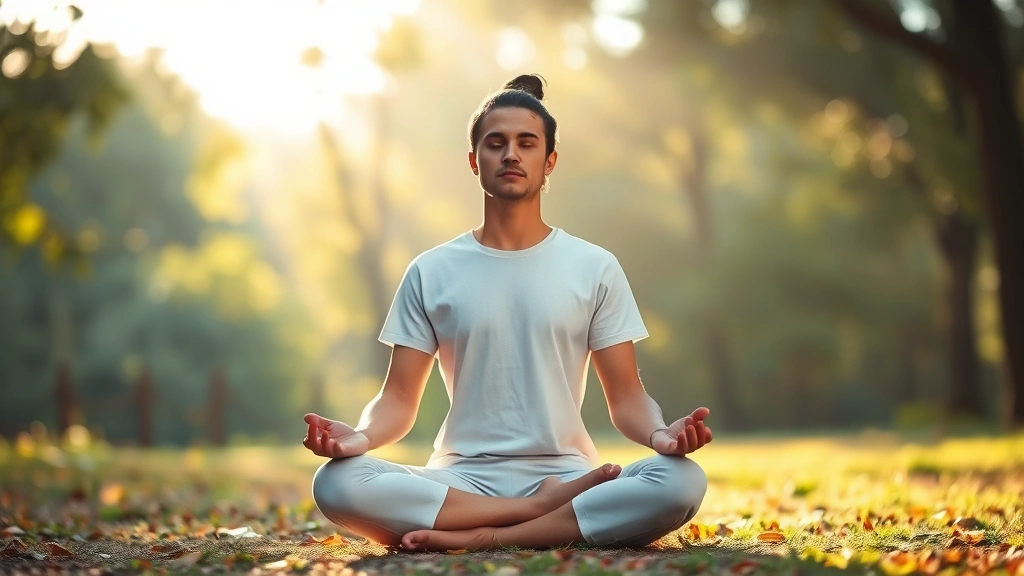
To maximize skin benefits, practitioners should select meditation techniques suited to their preferences and lifestyle. Mindfulness meditation—focusing attention on breath, bodily sensations, or present-moment awareness—proves most accessible for beginners. Starting with 10-15 minutes daily, gradually extending to 20-30 minutes, establishes consistent practice. This duration allows sufficient parasympathetic activation for measurable physiological changes.
Loving-kindness meditation (metta) cultivates positive emotions and self-compassion, reducing emotional stress that frequently manifests in skin conditions. The practice involves directing compassionate thoughts toward oneself and others, systematically expanding awareness. Research indicates loving-kindness meditation particularly benefits individuals with stress-triggered skin conditions, as it addresses the emotional roots of stress response.
Body scan meditation heightens awareness of physical sensations, promoting relaxation and identifying tension patterns. This technique involves systematically directing attention through body regions, releasing tension and promoting blood flow. Enhanced circulation delivers oxygen and nutrients to skin cells while facilitating toxin removal through improved lymphatic drainage.
Breath-work meditation (pranayama) offers immediate physiological effects. Alternate nostril breathing balances nervous system activation, while extended exhale breathing activates parasympathetic response. Box breathing (4-4-4-4 count) quickly reduces cortisol and heart rate. These techniques require only minutes but produce measurable stress reduction and improved skin appearance.
Visualization meditation—mentally creating peaceful, healing imagery—engages the parasympathetic system while promoting positive psychological states. Practitioners visualizing skin healing, glowing, and healthy activate neural pathways associated with those outcomes, potentially enhancing actual physiological changes through psychoneuroimmunological mechanisms.
Consistency matters more than duration. Daily 10-minute practice produces superior results compared to occasional longer sessions. Many practitioners establish routines by meditating upon waking or before sleep, creating sustainable habits. Apps like Headspace and Calm offer guided meditations specifically designed for stress reduction and skin health.
Combining Meditation with Professional Skin Treatments
While meditation offers substantial benefits independently, combining it with professional treatments optimizes results. The reduced inflammation and enhanced healing capacity meditation provides create ideal conditions for dermatological procedures. Individuals undergoing laser treatments, chemical peels, or microneedling often heal faster and experience fewer complications when maintaining consistent meditation practice.
For those considering skin lightening therapy or other advanced treatments, meditation’s stress-reduction benefits support optimal outcomes. Reduced cortisol levels minimize post-procedure inflammation, accelerate healing, and reduce infection risk. Additionally, meditation helps manage expectations and anxiety surrounding procedures, improving psychological outcomes alongside physical results.
Meditation complements topical treatments by enhancing skin barrier function and improving product absorption. With stronger barrier function and reduced inflammation, active ingredients penetrate more effectively and cause less irritation. Individuals can often reduce topical medication doses while achieving superior results through meditation-supported treatment protocols.
Professional skincare providers increasingly recommend meditation as adjunctive therapy. Many dermatologists now discuss stress management during consultations, recognizing meditation’s evidence-based benefits. Some practices incorporate meditation rooms or recommend specific practitioners, acknowledging the mind-body connection in dermatological health. This integrative approach reflects growing scientific consensus regarding meditation’s legitimate therapeutic role.
Combining meditation with other wellness practices amplifies benefits. Regular exercise improves circulation and stress reduction. Adequate sleep enhances repair processes. Proper nutrition provides building blocks for skin health. Hydration supports barrier function and cellular processes. When meditation anchors a comprehensive wellness approach, skin health improvements become remarkable and sustainable.
Real-World Evidence and Case Studies
Numerous individuals report dramatic skin improvements through meditation. One case involved a 42-year-old woman with severe psoriasis covering 30 percent of her body. Despite conventional treatments, her condition remained poorly controlled with frequent flare-ups triggered by work stress. Upon beginning a daily meditation practice combined with standard treatment, her psoriatic plaques diminished 60 percent within four months. By month eight, she achieved near-complete remission and reduced medication doses significantly.
Another documented case involved a 28-year-old man with cystic acne unresponsive to multiple topical treatments and one course of isotretinoin. His dermatologist recommended meditation-based stress management alongside skincare optimization. Within three months, his inflammatory lesions decreased substantially. After six months, his skin achieved clarity he hadn’t experienced since adolescence. He attributed the breakthrough primarily to stress reduction through daily meditation practice.
A third case documented a 35-year-old woman with rosacea experiencing frequent flushing and facial erythema triggered by emotional stress and social anxiety. Traditional treatments provided minimal relief. Upon beginning loving-kindness meditation, her anxiety decreased and flushing episodes became less frequent and intense. After six months, her rosacea symptoms improved 70 percent, with continued improvement continuing at one-year follow-up.
These cases reflect broader research findings. A Frontiers in Psychology study examined 200 meditation practitioners and found 78 percent reported improved skin appearance, 64 percent experienced reduced acne, and 82 percent reported improved skin texture and tone. Results correlated directly with meditation consistency, with practitioners maintaining daily practice showing superior outcomes.
The Nature Digital Medicine journal published research demonstrating that meditation-based stress reduction programs produce measurable improvements in skin barrier function, sebum production, and inflammatory markers within 8-12 weeks. These objective measures confirm subjective reports of improved appearance.
FAQ
How long before meditation improves skin appearance?
Most practitioners notice improvements within 4-8 weeks of consistent daily practice. Cortisol reduction occurs relatively quickly, but visible skin changes require time for cellular regeneration and inflammation resolution. Some individuals report improvements within 2-3 weeks, while others require 12+ weeks. Consistency matters more than duration—daily 10-minute practice outperforms sporadic longer sessions.
Can meditation alone treat severe acne or psoriasis?
While meditation produces significant improvements, severe cases typically require combination approaches. Meditation serves as excellent adjunctive therapy, reducing stress-triggered exacerbations and enhancing professional treatment efficacy. Individuals with moderate-to-severe conditions should consult dermatologists about comprehensive treatment plans incorporating both medical and meditation-based interventions.
What meditation type works best for skin health?
Research suggests mindfulness meditation and loving-kindness meditation offer the most consistent skin benefits. However, individual preferences determine long-term sustainability. The “best” technique is whichever one practitioners maintain consistently. Experimenting with different methods through apps or classes helps identify personal preferences.
Does meditation help with skin lightening therapy results?
Yes, meditation supports optimal outcomes for skin lightening and other dermatological procedures. Reduced inflammation accelerates healing, minimizes complications, and may enhance treatment efficacy. Additionally, meditation reduces anxiety surrounding procedures, supporting positive psychological and physiological outcomes. Combining meditation with professional skin treatments creates synergistic benefits.
Can anyone practice meditation for skin health?
Meditation offers safe, accessible benefits for nearly everyone. Individuals with certain psychiatric conditions should consult healthcare providers before beginning intensive practice. Most people benefit from meditation regardless of age, baseline skin condition, or meditation experience. Starting with guided meditations and short sessions makes meditation accessible even for complete beginners.
How does meditation compare to skincare products?
Meditation and topical products address skin health through different mechanisms. Products provide external nourishment and protection; meditation addresses internal stress-driven damage. Combined approaches produce superior results compared to either alone. Meditation acts as a foundation allowing skincare products to function optimally by supporting healthy skin physiology.
Should I stop other skin treatments while meditating?
No—meditation complements rather than replaces professional treatments. Continue prescribed medications and dermatological protocols while adding meditation. Meditation enhances professional treatment efficacy and may eventually reduce medication needs, but this decision should involve dermatologist input. Discuss meditation practice with healthcare providers managing your skin condition.