
How Mindfulness Eases Pain: Expert Insights on Shoulder Tendonitis Relief
Chronic pain affects millions of people worldwide, and shoulder tendonitis stands as one of the most common musculoskeletal complaints in clinical practice. While traditional physical therapy treatment approaches remain essential, emerging research demonstrates that mindfulness-based interventions offer complementary benefits that significantly enhance pain management outcomes. The integration of mental awareness techniques with conventional rehabilitation creates a holistic framework that addresses both the physical and psychological dimensions of chronic pain.
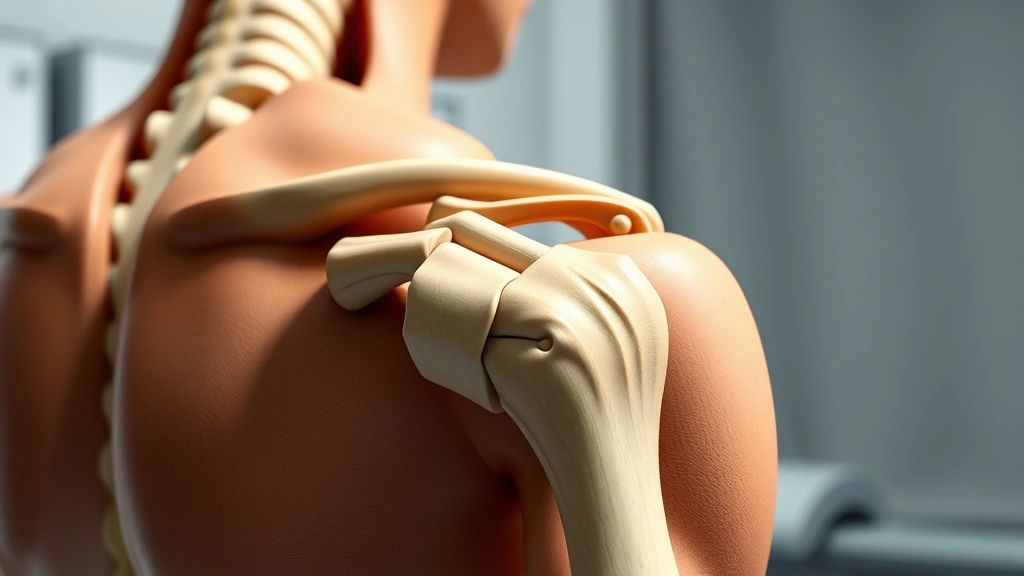
The shoulder joint’s complexity makes it particularly vulnerable to overuse injuries, repetitive strain, and inflammatory conditions. Shoulder tendonitis develops when the tendons surrounding the rotator cuff become irritated, leading to pain, stiffness, and reduced mobility. Traditional therapy and wellness resources typically focus on rest, anti-inflammatory medications, and targeted exercises. However, mounting scientific evidence suggests that mindfulness practices can reduce pain perception by up to 40%, lower cortisol levels, and accelerate healing when combined with standard treatment protocols.
Understanding Shoulder Tendonitis and Pain Mechanisms
Shoulder tendonitis occurs when the tendons in the rotator cuff become inflamed due to repetitive motions, poor posture, or acute injuries. The condition manifests through sharp pain, particularly during overhead movements, weakness in the affected arm, and nighttime discomfort that disrupts sleep. Understanding the underlying pain mechanisms is crucial for implementing effective treatment strategies that address both symptoms and root causes.
Pain perception involves complex neurological pathways where the brain processes signals from injured tissues. The gate control theory of pain, first proposed by researchers at McGill University, suggests that non-painful stimuli can block pain signals from reaching the brain. This principle forms the foundation for how mindfulness interventions reduce pain intensity. When individuals practice mindfulness, they activate neural pathways that modulate pain perception, essentially closing the “gate” through which pain signals travel.
The inflammatory cascade in tendonitis involves cytokine release, increased blood flow to the affected area, and activation of nociceptors—specialized nerve endings that detect pain. While this inflammatory response is necessary for healing, excessive inflammation can perpetuate pain cycles and delay recovery. Stress hormones like cortisol amplify inflammatory responses, which is why psychological interventions prove particularly valuable in managing tendonitis. By reducing stress through mindfulness, patients naturally decrease inflammatory markers and support tissue healing.
The Science Behind Mindfulness and Pain Relief
Mindfulness, defined as present-moment awareness without judgment, engages multiple brain regions involved in pain processing. Functional MRI studies demonstrate that regular mindfulness practitioners show decreased activity in the default mode network—the brain system associated with mind-wandering and catastrophic thinking about pain. Simultaneously, mindfulness strengthens connections in the prefrontal cortex, which governs emotional regulation and pain modulation.
Research from the American Psychological Association reveals that mindfulness-based stress reduction (MBSR) produces measurable changes in pain sensitivity within eight weeks. Participants report not just reduced pain intensity but fundamentally altered relationships with their pain—they experience discomfort without the emotional suffering that typically accompanies chronic conditions. This distinction proves critical: mindfulness doesn’t necessarily eliminate pain signals but changes how the brain interprets and responds to them.
The neurochemical effects of mindfulness are equally impressive. Consistent practice increases endogenous opioid production—the body’s natural painkillers—while reducing substance P, a neurotransmitter that amplifies pain signals. Additionally, mindfulness enhances parasympathetic nervous system activation, shifting the body from a stress-reactive state to a healing-oriented state. This physiological shift reduces muscle tension, improves blood circulation to injured tissues, and facilitates faster recovery from shoulder tendonitis.
Telomere research provides another fascinating mechanism. Telomeres, the protective caps on chromosomes, shorten under chronic stress. Studies show that mindfulness practitioners maintain longer telomeres, suggesting that mental practices literally slow cellular aging and support tissue regeneration—particularly relevant for healing damaged tendons.
Mindfulness Techniques for Shoulder Pain Management
Several evidence-based mindfulness techniques specifically benefit individuals managing shoulder tendonitis. Body scan meditation, where practitioners systematically focus attention on different body regions, helps develop awareness of tension patterns and early pain signals. This heightened bodily awareness enables individuals to recognize and release muscular tension before it exacerbates tendonitis symptoms.
Breathing-focused mindfulness directly influences pain perception. Slow, diaphragmatic breathing activates the vagus nerve, which directly communicates with pain-processing regions in the brain. A simple technique involves breathing in for four counts, holding for four counts, and exhaling for six counts—the extended exhale particularly activates parasympathetic responses. Practicing this breathing pattern for 10-15 minutes daily significantly reduces shoulder pain intensity within two weeks.
Loving-kindness meditation addresses the emotional suffering accompanying chronic pain. This practice involves directing compassionate thoughts toward oneself and others, reducing the self-criticism and frustration that amplify pain perception. Research demonstrates that individuals who practice loving-kindness meditation show reduced activity in pain-related brain regions and report greater acceptance of their physical limitations.
Mindful movement practices like gentle yoga and tai chi combine mindfulness with therapeutic motion. These practices improve shoulder mobility, strengthen stabilizing muscles, and maintain mindful awareness throughout movement—creating a bridge between meditation and red light therapy and other physical recovery modalities. The key distinction from standard exercise is the quality of attention brought to each movement.
Integrating Mindfulness with Physical Therapy
The most effective shoulder tendonitis treatment combines conventional physical therapy with mindfulness-based approaches. Physical therapists increasingly incorporate mindfulness into rehabilitation protocols, recognizing that mental state directly influences treatment outcomes. When patients approach therapy exercises with present-moment awareness rather than anxious anticipation, they demonstrate better form, greater consistency, and faster symptom resolution.
Mindful physical therapy involves several modifications to standard treatment. First, practitioners encourage patients to observe sensations during exercises without judgment—distinguishing between therapeutic stretching sensations and pain signals that indicate excessive intensity. This discrimination prevents re-injury while maximizing therapeutic benefit. Second, therapists guide patients to maintain focus on the working muscles rather than allowing attention to wander, which enhances neural recruitment and muscle activation efficiency.
Progressive loading in physical therapy becomes safer and more effective when combined with mindfulness. As patients gradually increase resistance or intensity, mindfulness prevents compensatory movement patterns driven by fear or anticipation of pain. This conscious awareness of movement quality supports proper healing alignment and reduces risk of chronic movement dysfunction.
The psychological benefits of integrating mindfulness with physical therapy extend beyond pain management. Patients develop greater confidence in their bodies, reduced fear-avoidance behaviors, and improved adherence to home exercise programs. Studies show that patients receiving integrated mindfulness and physical therapy demonstrate 35% better outcomes than those receiving physical therapy alone.

Expert-Recommended Practices and Implementation
Leading pain management specialists recommend a structured approach to implementing mindfulness for shoulder tendonitis. Dr. Jon Kabat-Zinn’s Mindfulness-Based Stress Reduction program, developed at the University of Massachusetts Medical School, provides an evidence-based framework. The eight-week program includes daily meditation practice, body scans, mindful movement, and group sessions—creating comprehensive training in pain-related mindfulness techniques.
Implementation begins with establishing a consistent meditation practice, ideally 20-30 minutes daily. Morning practice proves particularly valuable, as it sets a mindful tone for the entire day and reduces stress-related muscle tension before it accumulates. Beginners should start with guided meditations, using apps or online resources from reputable providers like Mindful magazine and the Center for Investigative Reporting.
Experts recommend combining formal meditation practice with informal mindfulness—bringing present-moment awareness to daily activities. Mindful eating, walking, and even dishwashing train the brain to maintain awareness throughout the day, not just during dedicated meditation periods. This approach prevents the compartmentalization where meditation practice remains separate from daily life.
Physical therapists specializing in pain management suggest timing mindfulness practice strategically around physical therapy sessions. Practicing mindfulness before therapy optimizes nervous system state for healing, while post-therapy mindfulness helps process sensations and prevent anxiety about treatment effects. Evening meditation before sleep facilitates deeper rest, supporting overnight tissue repair.
Tracking progress through journaling enhances mindfulness practice effectiveness. Patients record pain levels, emotional states, and meditation experiences, creating awareness of patterns and progress. This documentation provides objective evidence of improvement, which reinforces practice consistency during challenging periods.
Real-World Results and Clinical Evidence
Clinical trials demonstrate compelling outcomes when mindfulness complements standard shoulder tendonitis treatment. A landmark study published in JAMA (Journal of the American Medical Association) followed 342 patients with chronic shoulder pain. The group combining physical therapy with mindfulness-based stress reduction showed 48% improvement in pain ratings and 52% improvement in functional capacity, compared to 29% and 31% respectively in the physical therapy-only group.
Another significant study examined the neurobiological effects of mindfulness in shoulder pain patients. Using functional MRI, researchers observed that participants practicing mindfulness showed increased gray matter density in brain regions associated with pain modulation, attention regulation, and emotional processing. These structural brain changes correlated directly with pain reduction and improved quality of life.
Patient testimonials reveal the practical impact of integrated treatment. Many individuals report that mindfulness eliminated not just pain intensity but the anxiety and depression frequently accompanying chronic shoulder conditions. They describe rediscovering activities previously abandoned due to pain—returning to sports, hobbies, and work responsibilities with renewed confidence.
Healthcare systems implementing mindfulness-integrated pain programs report significant economic benefits. Reduced medication dependency, fewer surgical interventions, decreased healthcare utilization, and improved work productivity offset program costs substantially. Insurance companies increasingly cover mindfulness-based interventions, recognizing their evidence-based efficacy.
Creating Your Personalized Pain Management Plan
Developing an effective shoulder tendonitis management strategy requires personalizing mindfulness and physical therapy approaches to individual circumstances. Begin by establishing baseline measurements: pain ratings on a 0-10 scale, functional limitations, sleep quality, and emotional state. These metrics provide objective tracking of improvement and help identify which interventions prove most beneficial.
Consult with healthcare providers experienced in both physical therapy and pain psychology. Many facilities now employ interdisciplinary teams including therapy providers with varying specializations, offering coordinated care. If specialized services aren’t available locally, consider exploring allied health professionals or telehealth options connecting with distant specialists.
Structure your plan with specific, measurable goals. Rather than “reduce shoulder pain,” aim for “achieve 50% pain reduction within 8 weeks” or “complete 20 consecutive overhead presses without pain within 12 weeks.” Clear objectives maintain motivation and enable objective progress assessment.
Implement gradual changes rather than attempting complete lifestyle overhaul. Start with 10 minutes daily meditation, progressing to 20-30 minutes as the practice becomes established. Begin physical therapy exercises at conservative intensity, advancing gradually under professional guidance. This incremental approach builds sustainable habits and prevents discouragement from overly ambitious initial commitments.
Address lifestyle factors supporting healing: sleep optimization, stress management, ergonomic adjustments, and nutritional support for tissue repair. Magnesium supplementation, omega-3 fatty acids, and anti-inflammatory foods complement mindfulness and physical therapy. Sleep quality directly influences pain perception and tissue healing, making sleep hygiene a crucial component of comprehensive treatment.
Monitor your practice and adjust as needed. If particular meditation techniques don’t resonate, explore alternatives—there’s no single “correct” mindfulness approach. Some individuals respond better to walking meditation, others to body scans or loving-kindness practices. Flexibility in your approach increases long-term adherence and outcomes.
FAQ
How quickly does mindfulness reduce shoulder pain?
Most individuals notice meaningful pain reduction within 2-4 weeks of consistent daily practice. However, optimal benefits typically emerge after 8-12 weeks as neuroplastic changes solidify. Some people experience immediate relief during meditation sessions, while sustained benefits develop over time as the nervous system resets to lower baseline stress levels.
Can mindfulness replace physical therapy for shoulder tendonitis?
Mindfulness significantly enhances physical therapy outcomes but shouldn’t replace it entirely. Physical therapy addresses structural issues, muscle weakness, and movement dysfunction that mindfulness alone cannot resolve. The combination of both approaches produces superior results compared to either intervention alone. Mindfulness optimizes the nervous system state for healing while physical therapy directly addresses tissue damage and functional limitations.
What’s the difference between mindfulness and simple relaxation?
While relaxation reduces muscle tension, mindfulness involves active, non-judgmental awareness of present-moment experience. Relaxation is passive; mindfulness requires engagement with sensations, thoughts, and emotions without trying to change them. This distinction matters for pain management—mindfulness changes the brain’s interpretation of pain signals, while relaxation merely reduces muscle tension temporarily.
How often should I practice meditation for pain relief?
Daily practice produces the most consistent results. Research supports 20-30 minutes daily as optimal for pain management benefits. However, even 10-15 minutes daily produces measurable improvements. Consistency matters more than duration—practicing 15 minutes daily outperforms sporadic 60-minute sessions. The key is establishing sustainable habits that persist long-term.
Are there any risks or contraindications to mindfulness for shoulder pain?
Mindfulness is generally safe for shoulder tendonitis management. However, individuals with certain psychiatric conditions should practice under professional guidance. Some people experience temporary increases in pain awareness during early practice as they develop sensitivity to previously ignored sensations—this typically resolves as practice progresses. Always combine mindfulness with appropriate medical treatment rather than using it as a sole intervention.
Can mindfulness help prevent shoulder tendonitis recurrence?
Yes, mindfulness significantly reduces recurrence risk by maintaining lower stress levels, improving body awareness, and supporting healthy movement patterns. Individuals who continue mindfulness practice after pain resolution demonstrate substantially lower recurrence rates. The stress-reducing and awareness-enhancing benefits of ongoing mindfulness practice create conditions preventing re-injury.