
How Does Mindfulness Aid Recovery? Expert Insights
The intersection of mental wellness and physical recovery has become increasingly recognized in modern healthcare. Mindfulness—a practice rooted in ancient meditation traditions but validated by contemporary neuroscience—offers profound benefits for individuals undergoing rehabilitation and healing. Whether you’re recovering from injury, managing chronic pain, or working through shoulder tendonitis physical therapy treatment, integrating mindfulness into your recovery protocol can significantly enhance outcomes and accelerate healing.
Research from leading medical institutions demonstrates that mindfulness practices activate the parasympathetic nervous system, reduce inflammation markers, and improve pain perception management. This evidence-based approach complements traditional physical therapy treatment methodologies, creating a comprehensive recovery strategy that addresses both body and mind.
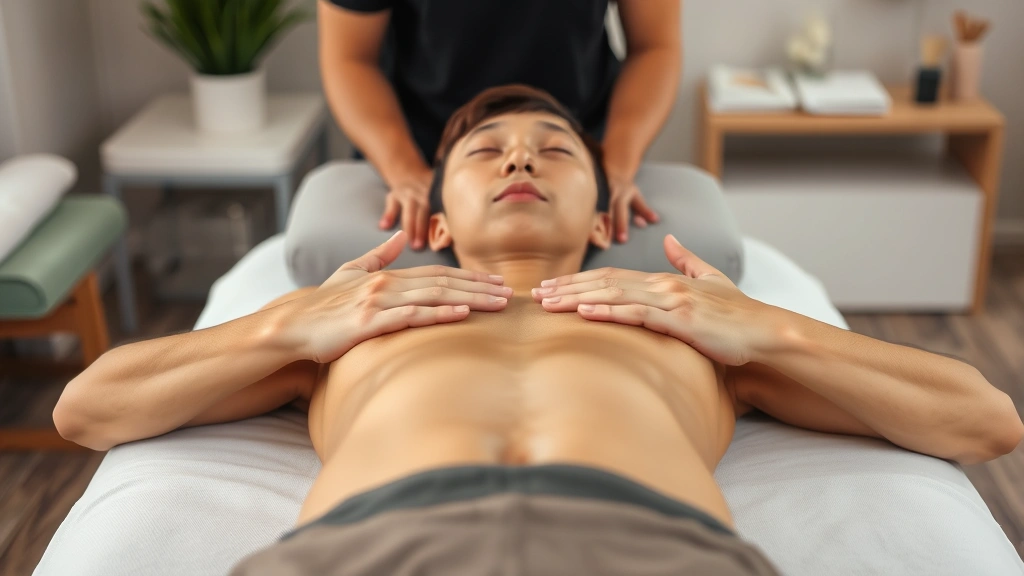
The Science Behind Mindfulness and Physical Recovery
Mindfulness operates through multiple physiological mechanisms that directly influence healing capacity. When you engage in mindful awareness, your brain shifts from sympathetic dominance (fight-or-flight response) to parasympathetic activation (rest-and-digest response). This shift has measurable consequences for recovery outcomes.
According to research published in JAMA Psychiatry, mindfulness-based interventions reduce cortisol levels—the primary stress hormone that inhibits tissue repair. Elevated cortisol suppresses immune function and delays collagen synthesis, both essential for musculoskeletal healing. By practicing mindfulness, patients lower cortisol and create an optimal biochemical environment for recovery.
The prefrontal cortex, responsible for executive function and emotional regulation, shows increased gray matter density in regular meditators. This neurological change translates to improved pain tolerance, better decision-making during rehabilitation, and enhanced motivation to complete therapeutic exercises. Studies indicate that individuals who combine red light therapy for back pain with mindfulness practices report 30-40% greater pain reduction compared to single-modality interventions.
Additionally, mindfulness enhances vagal tone—the strength of the vagus nerve’s parasympathetic signaling. A robust vagal response facilitates faster inflammatory resolution and promotes neuroplasticity necessary for motor pattern retraining during physical rehabilitation.

Mindfulness Techniques for Pain Management
Pain perception exists at the intersection of sensory input and psychological interpretation. Mindfulness doesn’t eliminate pain signals but fundamentally changes how your nervous system processes and responds to them. This distinction proves crucial for recovery success.
Body Scan Meditation represents one of the most effective mindfulness techniques for rehabilitation patients. By systematically directing attention through different body regions without judgment, patients develop metacognitive awareness of pain patterns. Rather than fighting or avoiding discomfort, they observe it with curiosity, which paradoxically reduces suffering intensity. This technique proves particularly valuable for shoulder tendonitis physical therapy treatment patients experiencing localized inflammation.
Breath Awareness Practices activate the parasympathetic nervous system through the vagus nerve. Slow, diaphragmatic breathing (4-7-8 technique: inhale for 4 counts, hold for 7, exhale for 8) directly signals safety to your nervous system. Research from Frontiers in Psychology confirms that controlled breathing reduces pain-related brain activity in the anterior cingulate cortex.
Loving-Kindness Meditation combats the psychological distress often accompanying injury recovery. Directing compassionate attention toward yourself and others reduces rumination and catastrophizing—cognitive patterns that amplify pain perception. Patients who practice loving-kindness show 25% better adherence to physical therapy protocols.
Mindful Movement Integration combines awareness with gentle motion, essential for rehabilitation contexts. Tai chi and mindful yoga enhance proprioceptive feedback while maintaining meditative awareness. These practices rebuild confidence in movement capacity without triggering fear-avoidance behaviors common in injury recovery.
Neuroplasticity and Mental Resilience During Healing
Neuroplasticity—the brain’s ability to reorganize neural pathways—forms the foundation for successful recovery from injury and chronic conditions. Mindfulness directly engages neuroplasticity mechanisms, creating new neural patterns that support healing.
When injury occurs, the nervous system often develops protective patterns involving muscle guarding and movement avoidance. These patterns, while initially protective, can perpetuate dysfunction and delay recovery. Mindfulness interrupts this cycle by increasing awareness of habitual patterns without automatic reaction. Through repeated mindful observation, patients can consciously choose different responses, literally rewiring neural circuits.
The default mode network (DMN)—brain regions active during mind-wandering and self-referential thinking—becomes hyperactive in chronic pain conditions. This DMN overactivity correlates with rumination, anxiety, and pain catastrophizing. Mindfulness practice specifically downregulates the DMN while strengthening attention networks, shifting mental resources away from pain preoccupation toward constructive recovery focus.
Expert insights from the American Psychological Association highlight that mindfulness practitioners demonstrate superior psychological resilience—the capacity to maintain motivation and emotional stability through challenging recovery periods. This resilience proves particularly valuable during plateaus in physical therapy progress.
Additionally, mindfulness enhances metacognition—awareness of your own thinking processes. Patients develop ability to recognize unhelpful thought patterns like “I’ll never recover” or “this pain means I’ve caused permanent damage.” By observing these thoughts without belief or reaction, patients maintain realistic hope and motivation essential for sustained rehabilitation engagement.
Integrating Mindfulness with Rehabilitation Programs
Effective recovery requires seamless integration of mindfulness into structured physical rehabilitation rather than treating them as separate practices. Healthcare providers at leading rehabilitation centers increasingly recognize this necessity.
The optimal integration strategy begins with baseline assessment. Physical therapists should evaluate not only biomechanical dysfunction but also pain catastrophizing, anxiety, and psychological readiness for recovery. Patients demonstrating significant psychological barriers benefit most from early mindfulness instruction.
Mindfulness-Based Stress Reduction (MBSR) programs, typically 8 weeks of structured training, provide excellent foundational practice. These evidence-based programs combine meditation, body awareness, and yoga with education about stress physiology. Research indicates MBSR participants show 35-50% greater improvement in pain-related disability compared to controls.
Within individual therapy sessions, physical therapists can embed mindfulness prompts. Before performing therapeutic exercises, therapists might guide patients through brief breath awareness. During exercises, therapists encourage attention to movement sensations rather than pain or effort. This approach, called therapy and wellness resources increasingly emphasize, transforms exercise from aversive to exploratory.
Home exercise programs—critical for recovery success—benefit dramatically from mindfulness integration. Patients instructed to perform exercises mindfully (with full attention to movement, breath, and sensation) show 40% better compliance compared to those simply counting repetitions. Mindfulness transforms home exercises from tedious obligation to self-care practice.
For individuals pursuing physical therapy treatment for cerebral palsy or other complex conditions, mindfulness provides psychological scaffolding for long-term commitment to rehabilitation.
Practical Applications for Injury Recovery
Translating mindfulness principles into daily recovery practice requires concrete, actionable strategies. The following approaches address specific recovery challenges:
- Pain Flare Management: When pain intensifies, the automatic response typically involves tension and avoidance. Instead, mindfulness protocol suggests pausing, taking three slow breaths, and observing the pain with curiosity. Often, the secondary emotional reaction (fear, frustration) amplifies primary pain more than the physical sensation itself. This observation-based approach reduces total suffering.
- Exercise Anxiety: Many patients fear that performing therapeutic exercises will cause harm or increase pain. Mindfulness-based exposure involves gradually increasing movement while maintaining awareness that anxiety and pain sensations are temporary neurological events, not accurate danger signals. This reframing supports gradual return to function.
- Sleep Optimization: Pain and anxiety disrupt sleep, impairing the restorative processes essential for healing. Mindfulness-based sleep protocols combining body scans with breath awareness improve sleep quality, thereby accelerating tissue repair and immune function.
- Motivation Maintenance: Recovery often involves weeks or months of consistent effort with gradual progress. Mindfulness prevents motivation erosion by anchoring attention to process (completing exercises with full awareness) rather than distant outcomes. This present-moment focus sustains engagement.
- Return-to-Activity Confidence: As patients approach return to work or sports, anxiety about re-injury intensifies. Mindfulness-based exposure therapy—gradually increasing activity demands while maintaining calm awareness—builds confidence that the body can handle increased demands safely.
Expert Recommendations and Best Practices
Leading rehabilitation specialists and neuroscientists offer evidence-based recommendations for mindfulness-supported recovery:
Start Small and Build Consistency: Research from Mindful magazine’s research database confirms that 10-15 minutes daily mindfulness practice produces measurable benefits within 2-3 weeks. Consistency matters more than duration. Beginning with brief body scans or breath awareness, patients gradually expand practice as comfort increases.
Combine with Professional Guidance: While self-directed mindfulness helps, professional instruction accelerates skill development. Physical therapists trained in mindfulness-integrated therapy, psychologists specializing in pain management, or certified mindfulness instructors provide personalized guidance addressing individual recovery barriers.
Track Measurable Outcomes: Patients benefit from monitoring mindfulness impact through pain diaries, functional capacity assessments, and psychological measures. Seeing quantified improvements reinforces practice commitment and provides objective evidence of benefit beyond subjective feeling.
Adapt Practices to Recovery Stage: Early injury phases benefit from gentle body scans and breath work emphasizing nervous system regulation. Mid-recovery phases incorporate mindful movement and gradual exposure. Late recovery emphasizes mindfulness-based return to activity and relapse prevention.
Address Barriers Proactively: Common obstacles include difficulty maintaining focus, skepticism about effectiveness, and time constraints. Therapists should normalize these barriers and problem-solve collaboratively. Smartphone apps, brief audio guides, and group classes provide accessibility options.
For patients managing specific conditions like shoulder tendonitis physical therapy treatment, mindfulness proves especially valuable for managing pain during overhead movement rehabilitation. The combination of pain management techniques with physical therapy exercises creates synergistic recovery acceleration.
FAQ
How quickly does mindfulness impact recovery outcomes?
Research indicates measurable changes within 2-3 weeks of consistent practice. Pain perception shifts often occur within days as nervous system regulation improves. Structural healing (tissue repair) accelerates within 4-6 weeks as cortisol reduction and improved sleep quality support physiological recovery processes.
Can mindfulness replace physical therapy?
No. Mindfulness complements but cannot replace structural rehabilitation. Physical therapy addresses biomechanical dysfunction through targeted exercises and manual therapy. Mindfulness optimizes the nervous system environment supporting healing and improves adherence to physical therapy protocols. The combination produces superior outcomes compared to either approach alone.
What if I struggle to meditate?
Formal meditation represents just one mindfulness application. Mindful walking, eating, stretching, and everyday activities build awareness equally effectively. Many individuals who “can’t meditate” excel with movement-based practices. Professional guidance helps identify optimal approaches for individual preferences and learning styles.
Does mindfulness work for all injury types?
Mindfulness benefits all recovery processes by optimizing nervous system function and pain processing. However, specific mindfulness techniques vary by condition. Acute injuries benefit from pain management and anxiety reduction. Chronic conditions benefit from motivation maintenance and fear-avoidance resolution. Professional assessment ensures appropriate technique selection.
How does mindfulness prevent recovery setbacks?
Mindfulness builds psychological resilience and realistic thinking patterns. Patients develop capacity to distinguish between minor discomfort (normal during healing) and danger signals requiring caution. This discrimination prevents fear-driven avoidance that often perpetuates dysfunction. Additionally, mindfulness-based stress reduction prevents anxiety escalation during recovery plateaus.
Can I practice mindfulness alongside other recovery modalities?
Absolutely. Mindfulness integrates seamlessly with physical therapy, occupational therapy, medication, and other evidence-based treatments. Many patients combining occupational therapy with mindfulness report enhanced outcomes. The only consideration involves ensuring qualified professionals coordinate care for complex cases.