Serenity Massage Therapy: Expert Tips for Relaxation
In today’s fast-paced world, stress and tension have become unwelcome companions for millions of people. Whether you’re dealing with work pressures, physical discomfort, or simply the demands of daily life, finding effective ways to relax is essential for your overall well-being. Serenity massage therapy stands as one of the most proven and accessible methods to achieve deep relaxation, reduce stress, and improve your physical and mental health. This comprehensive guide explores the transformative power of massage therapy and provides expert tips to help you maximize your relaxation experience.
Massage therapy is far more than a luxury indulgence—it’s a legitimate therapeutic practice backed by scientific research. When performed by skilled professionals, massage can alleviate muscle tension, improve circulation, enhance sleep quality, and promote emotional balance. The benefits extend beyond the immediate session, contributing to long-term improvements in stress management and overall health. Whether you’re new to massage or a regular recipient, understanding the principles and techniques behind serenity massage therapy can help you get the most from your treatments.
Understanding Serenity Massage Therapy
Serenity massage therapy represents a holistic approach to healing that addresses both the physical and emotional dimensions of stress and tension. The term “serenity” encompasses the peaceful, calm state that massage therapy cultivates—a state where your nervous system shifts from sympathetic (fight-or-flight) dominance to parasympathetic (rest-and-digest) activation. This physiological shift is crucial for genuine relaxation and healing.
The history of massage therapy spans thousands of years, with evidence of its use in ancient Egyptian, Chinese, and Indian healing traditions. Modern massage therapy combines these ancient wisdom traditions with contemporary understanding of anatomy, physiology, and psychology. According to research published in the Journal of Clinical Psychiatry, massage therapy demonstrates measurable effects on cortisol levels, the primary stress hormone, with regular sessions reducing cortisol by up to 31 percent.
The scientific basis for serenity massage therapy lies in its ability to stimulate the parasympathetic nervous system. When a skilled therapist applies pressure and manipulates soft tissues, they trigger the release of endorphins—your body’s natural “feel-good” chemicals. Simultaneously, massage reduces the production of stress hormones, creating a cascade of physiological benefits that extend far beyond the massage table.
Understanding that massage therapy works through multiple mechanisms—mechanical, neurological, and psychological—helps you appreciate why consistent practice yields cumulative benefits. Each session builds upon previous ones, gradually retraining your nervous system to access deeper states of relaxation.
Types of Massage for Maximum Relaxation
Different massage styles offer varying benefits, and choosing the right technique depends on your specific needs, preferences, and physical condition. While all quality massage provides relaxation, understanding the distinctions helps you select the approach that will serve you best.
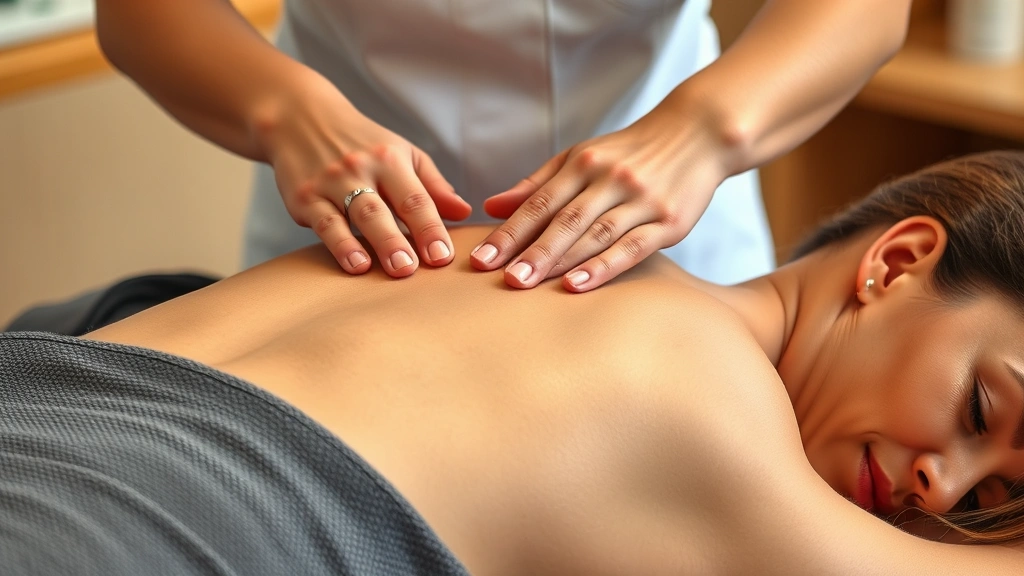
Swedish Massage remains the most popular and accessible massage style for relaxation. Characterized by long, flowing strokes, kneading, and circular movements, Swedish massage gently stimulates circulation and releases surface-level tension. This technique is ideal for beginners and those seeking gentle, full-body relaxation without deep pressure.
Deep Tissue Massage addresses chronic tension and knots in deeper muscle layers. While more intense than Swedish massage, skilled deep tissue practitioners can deliver profound relaxation by releasing stubborn tension patterns. Many people find that relieving chronic muscle tension paradoxically creates greater overall relaxation.
Thai Massage combines acupressure, stretching, and energy work to create a unique relaxation experience. Performed fully clothed on a mat, Thai massage opens energy channels and improves flexibility while promoting deep mental calm. This style is particularly effective for those carrying emotional tension alongside physical stress.
Hot Stone Massage incorporates heated basalt stones to penetrate muscle tension and create exceptional warmth and comfort. The thermal element accelerates circulation and enhances the nervous system’s shift toward parasympathetic dominance, making hot stone massage particularly effective for stress relief.
Aromatherapy Massage combines massage techniques with essential oils to engage multiple senses in the relaxation process. Lavender, chamomile, and sandalwood are particularly effective for promoting serenity. The olfactory system’s direct connection to the limbic system means that carefully selected aromas significantly enhance your relaxation experience.
Shiatsu and Acupressure work with your body’s energy meridians to release blockages and promote flow. These techniques, rooted in traditional Chinese medicine, can produce profound relaxation by addressing energy imbalances that contribute to physical and emotional tension.
Creating Your Ideal Relaxation Environment
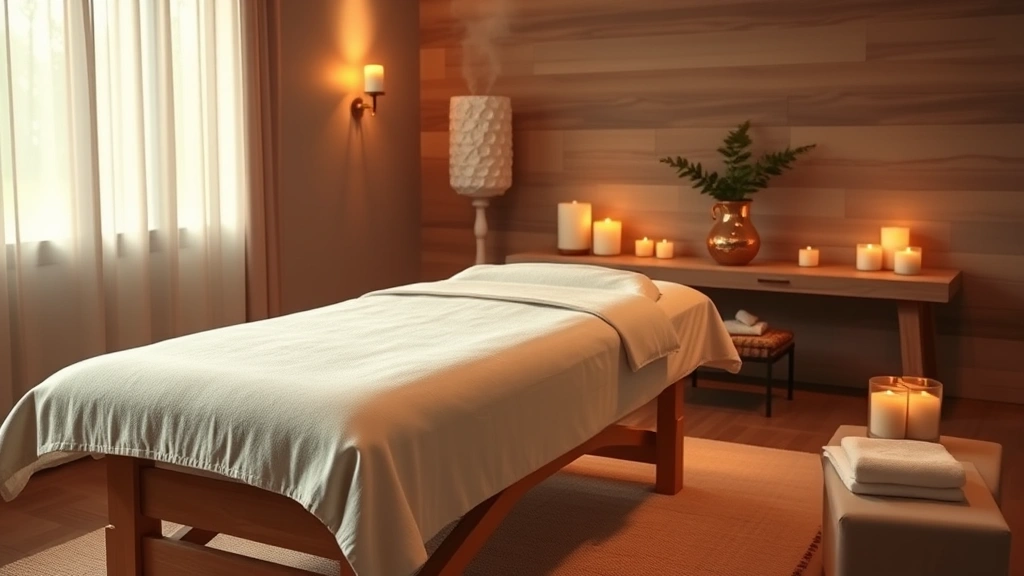
The environment where you receive massage profoundly influences your relaxation response. Whether you’re visiting a professional spa or arranging a home session, attention to environmental details significantly enhances the therapeutic benefits. Your senses are gateways to deeper relaxation, and optimizing each sensory input accelerates your journey toward serenity.
Lighting should be soft and warm rather than bright and clinical. Dim lighting naturally triggers melatonin production and signals your nervous system that it’s safe to relax. Candles provide gentle illumination while creating an ambiance of calm. If you’re sensitive to candlelight, warm LED lights set to low brightness offer similar benefits without open flames.
Sound and Music play a crucial role in establishing a relaxing atmosphere. Gentle instrumental music, nature sounds, or specifically composed spa music at low volume (around 50-60 decibels) helps quiet your mind and mask external disturbances. Binaural beats and frequencies specifically designed for relaxation can further enhance your parasympathetic activation. The absence of jarring sounds—phones, traffic, conversations—is equally important.
Temperature Control ensures your comfort throughout the session. The massage room should be warm enough that you remain comfortable, typically between 72-76°F. Your body’s temperature naturally drops during deep relaxation, so adequate warmth prevents you from becoming chilled and disrupting your peaceful state.
Scent and Aromatics directly access your emotional and memory centers. Lavender promotes calmness, eucalyptus supports respiratory ease, and frankincense deepens meditative states. A subtle scent—whether from diffused essential oils, incense, or naturally scented products—significantly enhances your relaxation without overwhelming your senses.
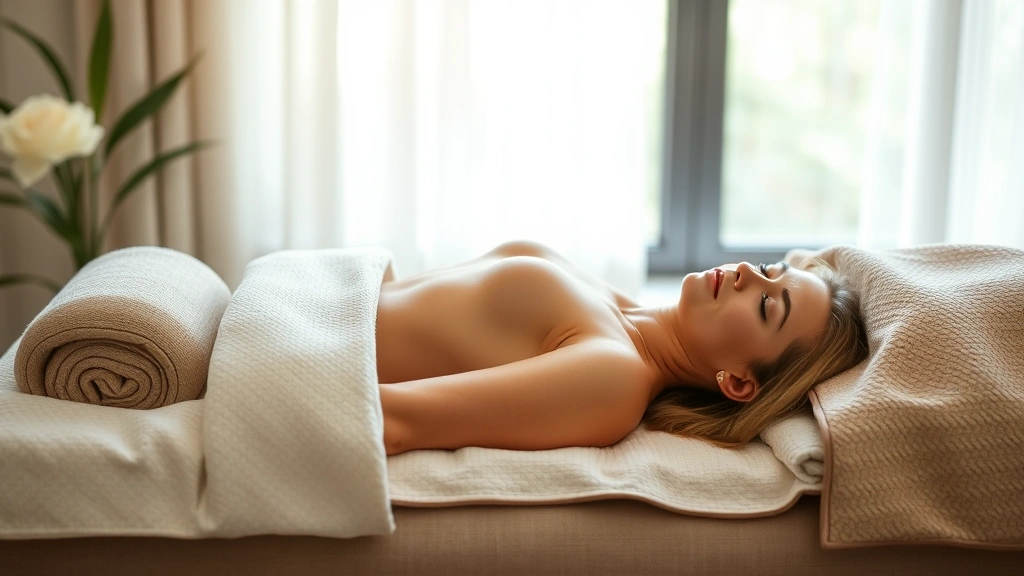
Comfort and Support require proper cushioning and positioning. Quality massage tables or mats with adequate padding, supportive bolsters, and warmed blankets ensure your body remains comfortable and supported throughout the session. Comfort allows your mind to fully release and your body to enter genuine relaxation.
Pre-Massage Preparation Techniques
What you do before your massage session significantly influences the quality of relaxation you’ll experience. Proper preparation primes your nervous system and body to receive maximum benefit from your treatment. These practices work synergistically with the massage itself to create profound relaxation.
Breathing Exercises begin the relaxation process before the massage even starts. Practice deep diaphragmatic breathing for five to ten minutes before your session. Inhale slowly through your nose for a count of four, hold for four counts, then exhale through your mouth for six counts. This extended exhale activates your parasympathetic nervous system and calms your mind. Continue this pattern until you feel noticeably more relaxed and centered.
Hydration prepares your body for the therapeutic work ahead. Drink water throughout the day before your massage to ensure optimal cellular hydration. Hydrated tissues respond better to massage, and proper hydration supports your body’s natural detoxification processes during and after the session.
Light Movement like gentle stretching or slow walking helps release surface tension and improves circulation. Avoid strenuous exercise immediately before massage, as your body needs to transition into a receptive state. Gentle movement simply prepares your muscles and mind for deeper work.
Mental Preparation involves releasing expectations and surrendering to the experience. Set an intention for your session—perhaps “I release what no longer serves me” or “I welcome deep healing and peace.” This mental framework helps your subconscious mind align with the relaxation process.
Timing Considerations matter significantly. Arrive early enough to transition from your previous activities without rushing. Avoid heavy meals immediately before massage, as digestion can interfere with relaxation. Similarly, avoid caffeine for at least two hours before your session to prevent your nervous system from remaining in an activated state.
During Your Massage Session
Maximizing relaxation during your actual massage involves active participation and mindful presence. While the therapist does the physical work, your mental engagement determines the depth of your relaxation response.
Communication with your therapist is essential. Before the massage begins, clearly discuss any areas of tension, injuries, or discomfort. During the session, don’t hesitate to provide feedback about pressure—more isn’t always better for relaxation. Communicate honestly if pressure feels too intense or if you’d prefer lighter touch. The best massage is one where you feel completely safe and comfortable.
Breath Awareness throughout the session deepens relaxation. Continue the breathing patterns you established during preparation. When the therapist works on particularly tense areas, consciously breathe into those regions and imagine tension releasing with each exhale. Your breath serves as a bridge between conscious and unconscious relaxation.
Mental Quieting techniques help prevent your mind from wandering to daily concerns. If thoughts arise, acknowledge them without judgment and gently return focus to your breath and the sensations of touch. Meditation practitioners sometimes describe this as “noting and releasing” thoughts. This mental discipline deepens your access to genuine relaxation.
Sensory Engagement in the present moment anchors your awareness in relaxation. Notice the warmth of the massage oil, the pressure of the therapist’s hands, the scents in the room, and the softness of the linens. This multisensory presence prevents your mind from drifting to stressors and keeps you fully immersed in the healing experience.
Surrender and Trust may sound simple but represent the deepest aspects of relaxation. Release the need to control or direct the session. Trust your therapist’s expertise and your body’s innate wisdom. This surrender allows your nervous system to fully shift into parasympathetic dominance where genuine healing occurs.
Post-Massage Recovery and Self-Care
The period immediately following your massage is crucial for integrating the benefits and extending the relaxation response. How you care for yourself after the session determines whether benefits remain temporary or become lasting improvements.
Hydration becomes even more important post-massage. Your therapist has stimulated circulation and lymphatic drainage, mobilizing toxins and cellular waste. Drinking water helps your body flush these substances and supports the natural detoxification process. Aim for at least 16 ounces of water immediately after your session, then continue drinking throughout the day.
Rest and Stillness allow your nervous system to fully integrate the relaxation achieved. Avoid immediately returning to stressful activities. If possible, spend at least 30 minutes in quiet rest after your massage. Some people find gentle meditation, restorative yoga, or simply lying in a comfortable space extends the therapeutic benefits significantly.
Heat Therapy through warm baths or showers maintains the relaxation and circulation improvements created during massage. Add Epsom salts or essential oils to your bath to enhance the experience. The warmth and buoyancy support continued muscle relaxation and emotional calm.
Gentle Movement like slow walking or easy stretching helps your body process the work done during massage. Avoid strenuous exercise for at least 24 hours, as your muscles need time to recover and your nervous system needs to stabilize in its more relaxed state.
Mindful Eating supports your body’s integration process. Choose light, nourishing foods rich in antioxidants and minerals. Avoid heavy, processed foods that require significant digestive effort. Consider herbal teas known for their calming properties, such as chamomile or passionflower.
Sleep Quality typically improves dramatically after massage, as your nervous system remains in a parasympathetic state conducive to deep rest. Create optimal sleep conditions by maintaining a cool, dark bedroom and following a consistent sleep schedule. The relaxation from massage often naturally extends into restorative sleep.
Combining Massage with Other Therapies
While massage therapy alone provides substantial benefits, combining it with complementary approaches creates synergistic effects that amplify relaxation and healing. Many people discover that integrating multiple therapeutic modalities addresses stress from multiple angles simultaneously.
Physical Therapy Approaches work beautifully alongside massage. Physical therapy treatment addresses structural imbalances and movement patterns that contribute to tension, while massage releases the muscular holding patterns. Together, these approaches create lasting improvements in physical tension and mobility.
Red Light Therapy complements massage exceptionally well. Red light therapy near me services use specific wavelengths to stimulate cellular healing and reduce inflammation. Combined with massage, red light therapy accelerates recovery from muscle tension and supports deeper tissue healing while maintaining the relaxation state massage induces.
Speech and Communication Therapy may seem unrelated to massage, but many people carry tension in their jaw, neck, and throat related to communication patterns. Speech therapy near me services combined with massage addressing these areas create comprehensive tension release and improved communication ease.
Mindfulness and Meditation Practices deepen the mental relaxation that massage initiates. Regular meditation practice trains your nervous system to access parasympathetic states more readily, making massage sessions increasingly effective over time. Many therapists recommend meditation as a powerful complement to regular massage.
Yoga and Stretching maintain and extend the flexibility and tension release achieved through massage. Gentle, restorative yoga styles particularly complement massage therapy by continuing the nervous system regulation and body awareness that massage cultivates.
Nutritional Support enhances your body’s capacity to relax and recover. Magnesium-rich foods, omega-3 fatty acids, and B vitamins support nervous system function. Consulting with a nutritionist about dietary support for stress management creates a comprehensive wellness approach that includes regular massage.
Finding Professional Practitioners
The quality of your massage experience depends significantly on finding a skilled, professional practitioner. Not all massage providers offer the same level of training, expertise, or therapeutic approach. Taking time to find the right therapist ensures you receive genuine serenity massage therapy rather than merely pleasant touch.
Credentials and Training matter considerably. Licensed massage therapists (LMT) have completed extensive training—typically 500-1000 hours depending on jurisdiction—in anatomy, physiology, and therapeutic techniques. Look for therapists with recognized certifications and credentials. Many states regulate massage therapy, so verify your therapist’s licensure through your state’s regulatory board.
Experience and Specialization indicate whether a therapist can address your specific needs. Some therapists specialize in relaxation massage, while others focus on therapeutic or medical applications. MindLift Daily Blog – Therapy Resources provides comprehensive information about different therapy modalities and can help you understand various approaches. Choose a therapist whose experience aligns with your goals.
Professional Environment reflects the quality of care you’ll receive. Visit potential providers’ facilities and assess cleanliness, professionalism, and atmosphere. Does the space feel calm and welcoming? Are therapists professional and respectful? A quality massage environment supports your relaxation from the moment you arrive.
Communication and Listening skills distinguish exceptional therapists. During your initial consultation, does the therapist ask detailed questions about your needs, concerns, and preferences? Do they listen carefully and explain their approach? Therapists who prioritize understanding your unique situation provide better outcomes than those who use one-size-fits-all approaches.
Understanding Therapy Costs helps you make informed decisions about regular massage. Therapy cost information varies widely based on location, therapist experience, and session length. Many people discover that investing in regular massage—even monthly sessions—provides better overall health outcomes than sporadic expensive treatments. Consider massage as preventive health care rather than luxury spending.
Career Considerations may interest those drawn to therapeutic work. Occupational therapy jobs and massage therapy careers offer meaningful work helping others achieve wellness. If you’re considering becoming a massage therapist, research training programs in your area that provide comprehensive education in therapeutic techniques and client care.
FAQ
How often should I receive massage therapy for optimal relaxation benefits?
For stress management and relaxation, monthly massage provides noticeable benefits for most people. However, those with chronic stress or tension benefit from bi-weekly sessions. Athletes and individuals with physically demanding jobs may benefit from weekly massage. Start with monthly sessions and adjust based on your response and budget. Research from the American Massage Therapy Association suggests that consistent regular massage produces cumulative benefits exceeding sporadic sessions.
What should I wear during a massage session?
Most massage styles involve significant undressing for full-body treatment. You’ll typically undress to your comfort level—many people remove all clothing, while others keep underwear on. Professional therapists drape you with sheets and blankets, exposing only the area being worked on. For styles like Thai massage performed clothed, wear comfortable loose clothing. Always discuss your comfort level with your therapist before the session begins.
Is it normal to feel emotional during or after massage?
Yes, emotional release during massage is common and healthy. As physical tension releases, emotional holding patterns often surface. You might feel tearful, peaceful, energized, or experience other emotional shifts. These responses indicate genuine healing and nervous system regulation. Your therapist understands this and creates a safe, non-judgmental space for whatever emotions arise.
Can massage help with chronic pain conditions?
Massage can significantly help manage chronic pain, though it works best combined with other approaches. Research published in pain management journals demonstrates massage’s effectiveness for conditions like fibromyalgia, arthritis, and back pain. However, consult with your healthcare provider before beginning massage if you have diagnosed pain conditions, as your therapist needs to understand your specific situation.
How long does it take to feel benefits from massage therapy?
Many people feel immediate relaxation during their first massage, with benefits lasting hours or days. However, cumulative benefits—lasting improvements in stress management, sleep quality, and physical tension—typically develop over 4-6 weeks of regular sessions. Your nervous system gradually retrains to access relaxation more readily. Patience and consistency yield the most significant long-term benefits.
What’s the difference between massage therapy and other spa treatments?
Massage therapy is a clinical therapeutic practice focused on healing, while many spa treatments prioritize pampering and aesthetic benefits. A licensed massage therapist applies scientific knowledge of anatomy and physiology to produce measurable therapeutic outcomes. While spa treatments feel wonderful, therapeutic massage offers deeper, more lasting physical and emotional benefits.
Are there any conditions where massage isn’t recommended?
Massage is contraindicated in certain situations—acute infections, severe inflammation, certain cardiovascular conditions, or recent surgery. Always inform your therapist about health conditions, medications, and recent medical procedures. Your therapist can then adapt their approach or recommend that you consult your healthcare provider before proceeding. Safety and appropriate care are paramount.
Can I do self-massage at home?
Self-massage provides benefits, though professional massage offers advantages of skilled application and the relaxation of receiving care. You can use foam rollers, massage balls, or hands to address accessible areas like legs, arms, and feet. Self-massage works well as maintenance between professional sessions but shouldn’t replace periodic professional treatment for optimal relaxation and therapeutic benefit.