
Therapy Insights: How Mindfulness Boosts Healing
The intersection of mindfulness and therapeutic practice represents one of the most transformative developments in modern mental health treatment. When patients integrate mindfulness techniques into their healing journey, they unlock powerful mechanisms for recovery that extend far beyond traditional talk therapy alone. This comprehensive exploration reveals the science-backed secrets that make mindfulness such a potent catalyst for therapeutic breakthroughs.
Mindfulness—the practice of present-moment awareness without judgment—has become increasingly central to evidence-based therapeutic interventions. Research demonstrates that when individuals cultivate this mental skill within a therapeutic context, they experience measurable improvements in anxiety reduction, emotional regulation, and overall psychological resilience. Understanding how these mechanisms work provides valuable insights for anyone seeking deeper healing and lasting transformation.
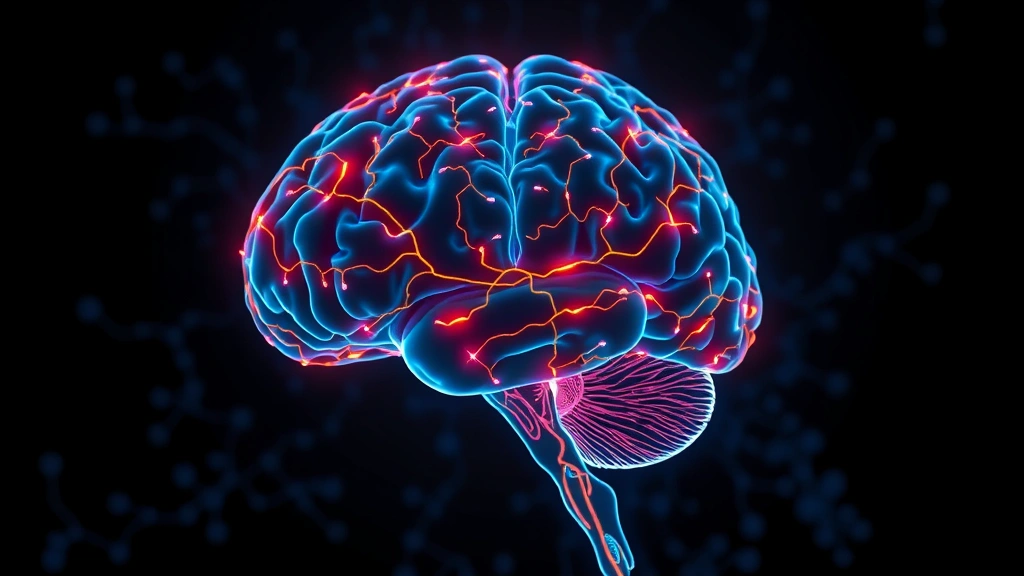
The Neuroscience Behind Mindfulness in Therapy
The brain’s remarkable neuroplasticity—its ability to reorganize neural pathways—forms the biological foundation for mindfulness-based therapeutic success. When individuals practice mindfulness meditation during therapy sessions, functional MRI studies show increased activation in the prefrontal cortex, the region responsible for decision-making, self-awareness, and emotional regulation. Simultaneously, activity decreases in the amygdala, the brain’s threat-detection center that often becomes hyperactive in individuals with trauma or anxiety disorders.
This neurobiological shift isn’t merely temporary. Consistent mindfulness practice literally rewires the brain’s stress response system. According to research published through the American Psychological Association, regular practitioners develop stronger connections between the prefrontal cortex and amygdala, meaning the thinking brain gains greater control over the reactive brain. This neural reorganization explains why therapy resources emphasizing mindfulness produce such durable results.
The dorsolateral prefrontal cortex also strengthens through mindfulness practice, enhancing working memory and cognitive flexibility. These improvements translate directly into therapeutic gains: patients can better observe their thoughts without becoming consumed by them, question unhelpful patterns more effectively, and access greater capacity for behavioral change. This is particularly significant for individuals recovering from trauma, where the brain’s threat-detection system has become overly sensitized.

Core Secrets That Amplify Therapeutic Outcomes
Present-moment awareness disrupts rumination cycles. One of therapy’s greatest challenges involves helping patients escape repetitive negative thought patterns. Mindfulness directly interrupts this cycle by anchoring attention to immediate sensory experience. When someone notices they’re ruminating about past failures or future worries, mindfulness teaches them to redirect awareness to their breath, physical sensations, or environmental sounds. This simple redirection, practiced consistently within therapy, fundamentally weakens the neural pathways supporting rumination.
Non-judgmental observation creates psychological distance. Traditional therapy often involves analyzing and interpreting thoughts and feelings. Mindfulness adds a crucial additional layer: observing these mental events without labeling them as good or bad. This distinction proves transformative. Rather than fighting anxious thoughts (which paradoxically strengthens them), mindful individuals notice thoughts as temporary mental events, like clouds passing through the sky. This shift in perspective, cultivated through specialized therapy approaches for different populations, reduces the emotional charge attached to distressing cognitions.
Body awareness reveals somatic patterns. Many psychological issues store themselves in physical tension, holding patterns, and restricted breathing. Mindfulness-based therapy uniquely addresses this mind-body connection. By systematically scanning attention through the body, patients discover how emotions manifest physically—anxiety tightens the chest, shame creates heaviness in the shoulders, grief restricts the throat. This somatic awareness enables therapeutic work that addresses the whole person, not just cognitive patterns.
Emotional regulation through the nervous system. Mindfulness activates the parasympathetic nervous system, the body’s rest-and-digest mechanism. By focusing on slow, intentional breathing during therapy sessions, patients directly calm their nervous system activation. This physiological shift creates optimal conditions for learning new thought patterns and behaviors, since the brain learns most effectively when not in survival mode.
Self-compassion emerges naturally. Perhaps the most underrated secret: mindfulness cultivates inherent self-compassion. As individuals observe their struggles without judgment, they naturally extend kindness toward themselves. This self-directed compassion proves essential for healing, particularly for those with histories of self-criticism, perfectionism, or internalized shame. Therapy that explicitly teaches comprehensive healing approaches recognizes that sustainable change requires treating oneself with genuine kindness.
Increased distress tolerance enables deeper processing. Paradoxically, mindfulness makes therapy more effective precisely because it helps individuals tolerate the discomfort inherent in meaningful change. When someone can observe difficult emotions without being overwhelmed, they can stay present with painful material long enough for genuine processing and integration to occur. This capacity for emotional tolerance accelerates healing.
Mindfulness Integration Across Different Modalities
Cognitive-behavioral therapy (CBT) benefits significantly from mindfulness integration. While traditional CBT focuses on identifying and challenging distorted thoughts, mindfulness-based CBT adds the capacity to notice thoughts arising without automatically believing them. This combination creates what researchers call cognitive defusion—the ability to see thoughts as mental events rather than facts requiring response.
Acceptance and Commitment Therapy (ACT) places mindfulness at its core. ACT teaches clients to mindfully accept uncomfortable thoughts and feelings while committing to values-aligned action. This approach proves particularly effective for chronic pain, anxiety disorders, and trauma, where avoidance typically perpetuates suffering. Therapists trained in ACT use mindfulness to help clients build psychological flexibility—the ability to experience difficult internal states while still moving toward meaningful goals.
Psychodynamic therapy increasingly incorporates mindfulness to strengthen the observing ego—the part of consciousness that can witness internal processes without being identified with them. This enhanced self-observation capacity helps individuals recognize unconscious patterns more readily and work with them more effectively. The combination of dynamic exploration and present-moment awareness creates particularly deep therapeutic work.
Somatic therapies naturally align with mindfulness practice. These approaches, which address trauma and emotion stored in the body, use mindfulness to help clients develop safe, compassionate awareness of bodily sensations. When combined with complementary healing modalities, mindfulness-informed somatic work produces remarkable trauma resolution.
Dialectical Behavior Therapy (DBT), originally developed for borderline personality disorder, makes mindfulness a foundational skill. DBT’s four modules (mindfulness, distress tolerance, emotion regulation, and interpersonal effectiveness) all build upon the mindfulness foundation. This structure demonstrates how mindfulness serves as the gateway skill enabling all other therapeutic learning.
Practical Applications for Accelerated Healing
Breath-focused meditation in sessions. Simple breath awareness represents the most accessible entry point to mindfulness within therapy. By dedicating even five minutes to observing the natural breath, clients activate parasympathetic calming while simultaneously strengthening attention control. Therapists increasingly begin or end sessions with brief breathing practices, setting the nervous system in an optimal state for productive work.
Body scan practices for emotional awareness. Progressive attention through the body—from toes to head—develops somatic awareness while creating a sense of safety and groundedness. This practice proves especially valuable for trauma survivors who may feel disconnected from their bodies. Regular body scans conducted within therapy gradually rebuild the sense of inhabiting one’s physical form.
Loving-kindness meditation for relational healing. This practice involves systematically directing wishes of wellbeing toward oneself, loved ones, neutral people, difficult people, and all beings. Research shows loving-kindness meditation increases positive emotions, reduces negative self-judgment, and improves relationship satisfaction. For those struggling with various therapeutic needs, this practice addresses the relational dimensions of healing.
Mindful movement practices. Walking meditation, yoga, and tai chi combine movement with mindful awareness, offering alternatives for those who struggle with seated meditation. These practices integrate body, breath, and awareness while providing the additional benefits of gentle exercise. Many therapists now recommend regular mindful movement as essential to comprehensive healing.
Mindfulness of thoughts and emotions. Advanced practice involves observing the arising, persistence, and dissolution of thoughts and feelings without intervention. This develops the psychological distance necessary to avoid becoming identified with momentary mental states. Over time, this practice reveals the impermanent, constructed nature of even the most compelling thoughts.
Sensory awareness practices. Deliberately focusing on sight, sound, touch, taste, and smell anchors attention in the present moment while interrupting rumination. Therapists often guide clients to notice five things they see, four they can touch, three they hear, two they smell, and one they taste—a grounding technique that combines mindfulness with sensory awareness.
Overcoming Common Obstacles
Many individuals initially struggle with meditation, experiencing restlessness, racing thoughts, or frustration. Understanding that mindfulness isn’t about achieving a blank mind but rather observing whatever arises without judgment proves crucial. Therapists help reframe these experiences: a busy mind provides rich material for practice, not evidence of failure.
Some clients worry that mindfulness means accepting harmful situations or abandoning goals. This misunderstanding requires clarification: mindfulness combined with discernment enables better decision-making. Accepting one’s current emotional state doesn’t mean accepting harmful treatment. Rather, it means responding from clarity rather than reactivity, which typically leads to more effective choices.
Physical discomfort during meditation can discourage practice. Skilled therapists help clients find comfortable positions and understand that some restlessness is normal. Shorter, more frequent practices often work better than lengthy sessions, particularly for beginners or those with attention difficulties. Even two minutes of daily mindfulness produces measurable benefits over time.
Cultural or spiritual concerns sometimes arise. Secular mindfulness-based interventions have been developed specifically to offer the therapeutic benefits of mindfulness without religious associations. Modern therapy recognizes diverse approaches to integrating mindfulness, respecting individual backgrounds and preferences while maintaining scientific rigor.
For individuals with trauma histories, mindfulness requires careful, gradual introduction. Therapists trained in trauma-informed care know to start with external focus (sounds, sensations) rather than internal focus, which can trigger overwhelming body memories. The pacing and depth of mindfulness practice must align with each individual’s window of tolerance and healing stage.
FAQ
How quickly does mindfulness improve therapeutic outcomes?
Research indicates measurable improvements within 2-4 weeks of consistent practice, though deeper benefits develop over months and years. Even a single mindful breath during a therapy session can shift nervous system state. The key is consistency rather than duration—brief daily practice outperforms occasional lengthy sessions.
Can mindfulness replace traditional therapy?
Mindfulness serves as a powerful complement to traditional therapy but not a replacement. The combination of therapeutic relationship, guided exploration, and mindfulness practice produces superior outcomes compared to either approach alone. Think of mindfulness as a skill that makes therapy more effective rather than an alternative to it.
Is mindfulness effective for severe mental illness?
Yes. Mindfulness-based approaches have demonstrated efficacy for depression, anxiety, bipolar disorder, and psychosis when integrated into comprehensive treatment plans. However, individuals with active psychosis or severe dissociation require careful, specialized implementation. Always work with qualified mental health professionals when addressing serious conditions.
How does mindfulness differ from relaxation techniques?
Relaxation aims to reduce tension and achieve a calm state. Mindfulness aims to develop awareness of whatever is present, whether calm or agitated. While mindfulness often produces relaxation as a byproduct, the fundamental goal differs. Mindfulness develops meta-awareness—the ability to observe your own mental processes—which provides lasting benefits beyond momentary relaxation.
Can I practice mindfulness if I have ADHD?
Absolutely. Mindfulness actually strengthens attention control and executive function, skills often challenged in ADHD. Shorter sessions, movement-based practices, and external focus techniques work particularly well. Many individuals with ADHD report that mindfulness practice significantly improves their ability to concentrate and manage impulses.
What’s the connection between mindfulness and professional therapeutic practice?
Mindfulness has become integrated into virtually all evidence-based therapeutic modalities. Therapists themselves increasingly practice mindfulness to enhance their presence, reduce burnout, and model the skills they teach. This professional integration reflects decades of research demonstrating mindfulness’s efficacy across diverse populations and presenting concerns.