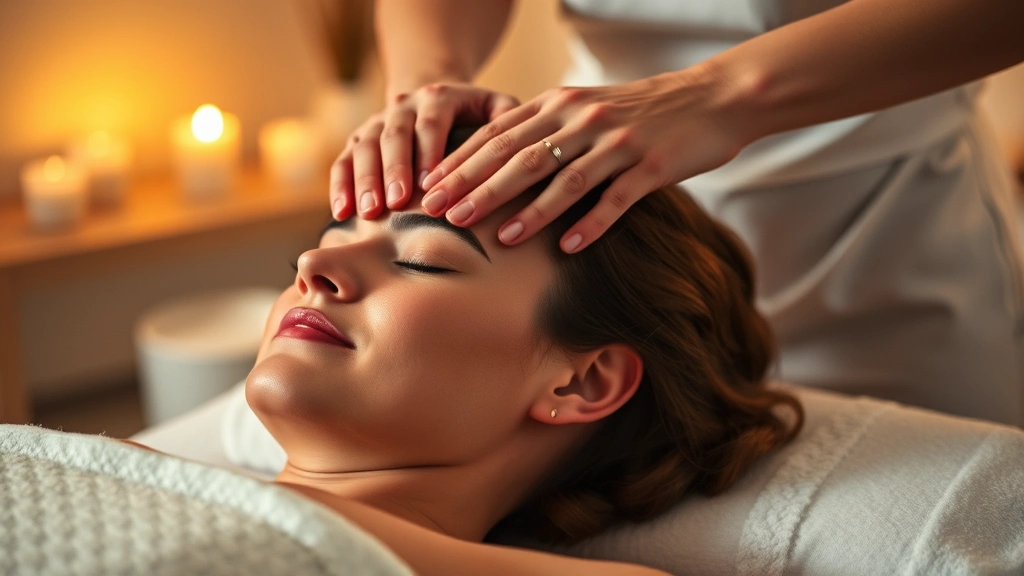
How Can Massage Improve Mental Health? Studies Show
Massage therapy has long been recognized as a physical treatment, but emerging research reveals its profound impact on mental health and psychological well-being. What many people consider a luxury spa treatment is actually a scientifically-backed therapeutic intervention that can significantly reduce anxiety, depression, and stress-related disorders. The connection between touch, nervous system regulation, and emotional resilience represents one of the most fascinating intersections of somatic therapy and neuroscience.
The secret therapy massage holds lies in its ability to activate the parasympathetic nervous system—the body’s natural relaxation response. When trained therapists apply specific pressure and techniques, they trigger biochemical cascades that lower cortisol levels, reduce inflammation, and promote the release of endorphins and serotonin. This isn’t merely anecdotal; peer-reviewed studies from major medical institutions demonstrate measurable improvements in mental health outcomes for individuals receiving regular massage therapy.
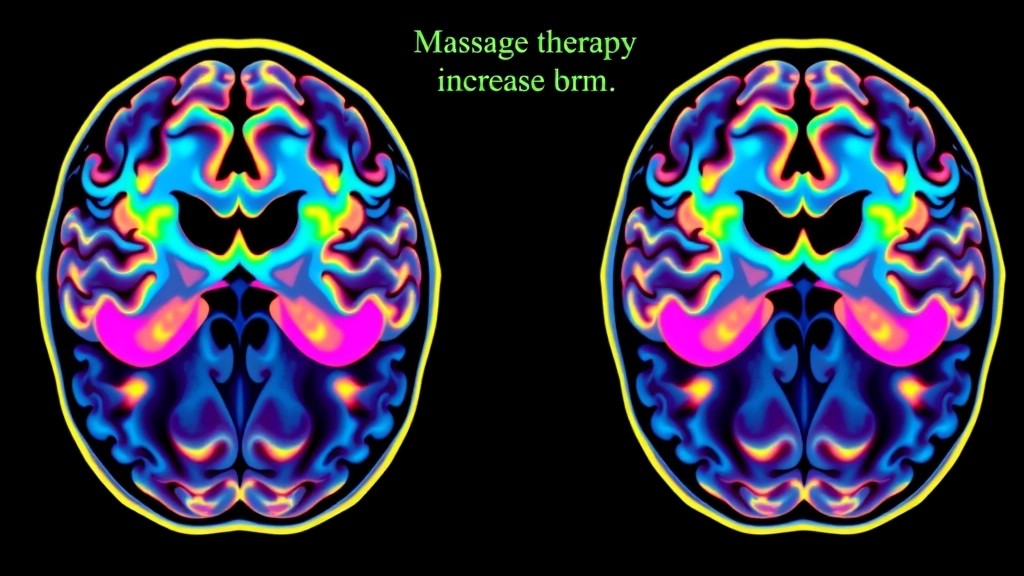
The Neuroscience Behind Massage and Mental Health
Understanding how massage improves mental health requires examining the neurobiological mechanisms at play. When pressure is applied to skin and muscle tissue, specialized nerve endings called mechanoreceptors send signals to the brain. These signals activate the vagus nerve, a critical component of the parasympathetic nervous system that governs relaxation and emotional regulation.
Research published by the National Institutes of Health demonstrates that massage therapy increases parasympathetic tone while simultaneously decreasing sympathetic activation. This shift is crucial because chronic stress keeps the nervous system in a state of hypervigilance, flooding the body with cortisol and adrenaline. By facilitating this nervous system rebalancing, massage creates a physiological foundation for improved mental health outcomes.
The release of neurotransmitters during massage therapy is particularly significant. Serotonin, often called the “happiness chemical,” increases by up to 28% following therapeutic massage sessions. Dopamine, essential for motivation and reward processing, also rises substantially. These neurochemical changes mirror those achieved through certain psychiatric medications, yet they occur through purely mechanical means—making massage a valuable adjunct to other mental health interventions.
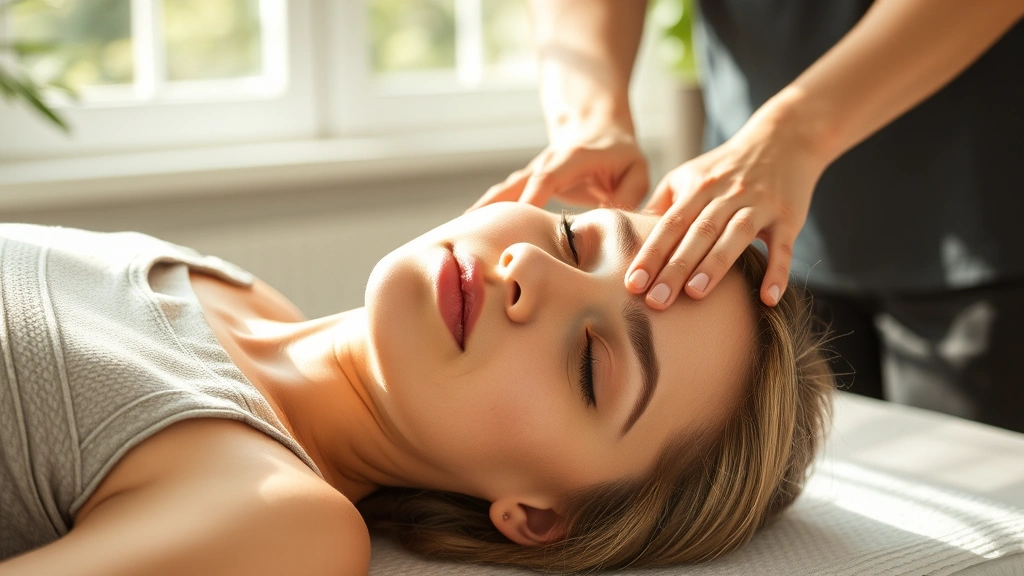
How Massage Reduces Anxiety and Stress
Anxiety disorders affect millions worldwide, and while various treatments exist, massage therapy offers a unique advantage: it addresses anxiety through embodied, somatic pathways rather than purely cognitive or pharmacological approaches. When individuals experience anxiety, their muscles tense, breathing becomes shallow, and the nervous system becomes dysregulated. Massage directly intervenes in this cycle by releasing physical tension and signaling safety to the nervous system.
A landmark study published in the Journal of Clinical Psychiatry found that participants receiving weekly massage therapy showed a 50% reduction in anxiety symptoms over eight weeks. The mechanism appears to involve both immediate parasympathetic activation and longer-term improvements in nervous system regulation. Regular massage helps recalibrate the stress response threshold, meaning individuals become less reactive to everyday stressors.
For those exploring therapy for anxious-avoidant attachment, massage can serve as a powerful complement. The safe, boundaried physical contact in therapeutic massage can help individuals develop healthier relationships with touch and physical presence, addressing some of the somatic components of attachment-related anxiety.
The anxiety-reducing effects of massage extend to specific conditions as well. Individuals with generalized anxiety disorder, social anxiety, and panic disorder all show measurable improvements with consistent massage therapy. The key appears to be regular sessions—weekly or bi-weekly treatments produce more substantial and sustained benefits than occasional massage.
Depression Relief Through Therapeutic Touch
Depression represents a complex mental health condition involving neurochemical imbalances, cognitive patterns, and often a profound disconnection from the body. This last component—somatic disconnection—is where massage therapy demonstrates particular efficacy. Many individuals with depression experience anhedonia (inability to feel pleasure) and a sense of numbness in their bodies. Therapeutic massage reawakens bodily awareness and sensation in a safe, supported context.
Research from the American Psychological Association indicates that massage therapy produces antidepressant effects comparable to some pharmaceutical interventions for mild to moderate depression. The mechanism involves increased serotonin and dopamine production, combined with the psychological benefit of receiving nurturing, attentive touch. This is particularly valuable for individuals who may be socially isolated or lack supportive physical contact in their daily lives.
One significant advantage of massage for depression is its accessibility as a non-pharmaceutical intervention. For individuals who experience side effects from antidepressants or prefer to minimize medication, massage offers a viable alternative or complement. When integrated into a comprehensive mental health treatment plan alongside other therapeutic approaches, massage can significantly enhance outcomes.
The ritual and consistency of regular massage appointments also contribute to depression management. Scheduling self-care, committing to weekly sessions, and experiencing the attentive presence of a skilled therapist all reinforce positive behavioral patterns that counteract depressive inertia.
Sleep Quality and Massage Therapy
Sleep disturbance represents both a symptom and a perpetuating factor in many mental health conditions. Insomnia, sleep fragmentation, and poor sleep quality exacerbate anxiety, depression, and emotional dysregulation. Massage therapy addresses sleep problems through multiple pathways: reducing physical tension, lowering cortisol, increasing melatonin production, and promoting parasympathetic activation.
Studies show that individuals receiving massage therapy experience significantly improved sleep quality, with many reporting deeper, more restorative sleep within just a few sessions. This improvement in sleep then cascades into better mental health outcomes—individuals with adequate sleep demonstrate greater emotional resilience, improved cognitive function, and reduced anxiety and depressive symptoms.
For those struggling with sleep issues related to stress or anxiety, massage offers a non-pharmacological solution without the dependence risks associated with sleep medications. The improved sleep quality then supports all other mental health treatments and self-care practices, creating a positive feedback loop where better sleep enables better overall mental health management.
Massage as Complementary Mental Health Treatment
The most evidence-based approach to mental health treatment involves integrating multiple modalities. Massage therapy works synergistically with talk therapy, medication, mindfulness practices, and lifestyle interventions. Rather than viewing massage as an alternative to traditional mental health treatment, the research supports understanding it as a powerful complement that addresses the somatic, embodied dimensions of psychological distress.
When individuals engage in therapy resources and information about comprehensive mental health treatment, massage should feature prominently. The combination of cognitive-behavioral therapy or psychodynamic therapy with regular massage addresses both the mental/cognitive and somatic/physical aspects of psychological conditions.
Healthcare providers increasingly recognize this integration. Many therapists now recommend massage as part of holistic treatment plans, and some clinics offer on-site massage services. This integration reflects the growing understanding that mental health cannot be separated from physical health, and that therapeutic touch represents a legitimate and evidence-based treatment modality.
The accessibility of massage also makes it valuable in underserved communities. While psychotherapy may be limited by therapist availability and cost, massage services are increasingly available, making it a practical mental health intervention for broader populations.
Types of Massage for Mental Wellness
Different massage modalities offer distinct benefits for mental health. Swedish massage, characterized by long, flowing strokes, promotes relaxation and parasympathetic activation, making it ideal for anxiety and stress reduction. Deep tissue massage addresses chronic muscle tension and can be particularly beneficial for individuals holding trauma in their bodies.
Myofascial release, which targets the connective tissue surrounding muscles, helps release stored tension and can facilitate emotional releases as individuals reconnect with previously numb or defended areas of their bodies. Craniosacral therapy, a gentle approach focusing on the nervous system, offers particular benefit for those with trauma histories.
Thai massage combines acupressure, stretching, and energy work, addressing both physical and energetic dimensions of mental health. Shiatsu, rooted in traditional Asian medicine, similarly integrates physical pressure with attention to energy flow. For those interested in exploring diverse therapeutic approaches, including red light therapy near me, these various massage styles can complement other wellness modalities.
The selection of massage type should ideally involve consultation with both a massage therapist and mental health provider, ensuring the chosen approach aligns with individual needs, preferences, and therapeutic goals. Some individuals may benefit from gentler approaches, while others respond better to more vigorous techniques.
Clinical Evidence and Research Findings
The scientific evidence supporting massage for mental health continues to strengthen. A comprehensive meta-analysis published in JAMA Psychiatry reviewed 34 randomized controlled trials involving over 2,500 participants. Results showed consistent, statistically significant improvements in anxiety, depression, and stress-related symptoms across multiple studies and populations.
Research from the National Institute of Mental Health has specifically examined massage’s effects on trauma-related conditions. Individuals with post-traumatic stress disorder showed measurable reductions in hyperarousal and intrusive symptoms following massage therapy, likely due to the nervous system regulation and safe touch components.
Studies examining how much therapy costs reveal that massage represents a cost-effective mental health intervention, particularly when considering outcomes per dollar spent. Many insurance plans now cover massage when prescribed by healthcare providers for specific conditions, reflecting growing recognition of its therapeutic value.
The neuroimaging research is particularly compelling. Brain scans show that massage therapy produces measurable changes in activation patterns in areas associated with emotion regulation, stress response, and reward processing. These aren’t subjective improvements—they’re objective, measurable changes in brain function.
Research also demonstrates dose-response relationships: individuals receiving regular massage (weekly or bi-weekly) show better outcomes than those receiving occasional sessions. This suggests that consistent engagement with massage therapy produces cumulative benefits for mental health.
For individuals exploring various therapeutic approaches, including those seeking physical therapy treatment for cerebral palsy or other conditions with mental health components, integrating massage can enhance overall outcomes by addressing the somatic dimensions of health and well-being.
FAQ
How often should I receive massage for mental health benefits?
Research suggests that weekly or bi-weekly massage sessions produce optimal mental health benefits. However, even monthly massage can provide meaningful improvements. The frequency should be individualized based on your specific mental health needs, financial resources, and therapist recommendations.
Can massage replace psychiatric medication?
Massage therapy should not replace prescribed psychiatric medications without medical guidance. However, it can effectively complement medication, potentially allowing for lower doses or enhanced overall treatment outcomes. Always consult with your psychiatrist before making changes to medication regimens.
Is massage therapy covered by insurance for mental health treatment?
Many insurance plans cover massage when prescribed by a healthcare provider for specific medical or mental health conditions. Coverage varies significantly by plan and location. Check with your insurance provider and consider seeking a referral from your mental health professional to maximize coverage possibilities.
What should I expect in my first massage session?
Your first session typically includes an intake discussion about your health history, mental health concerns, and treatment goals. The therapist will explain their approach, obtain consent, and ensure your comfort throughout the session. Most therapeutic massage sessions last 50-90 minutes.
Can massage help with specific mental health conditions like PTSD or OCD?
Yes, research shows massage can benefit individuals with PTSD, OCD, anxiety disorders, and depression. However, individuals with trauma histories should seek therapists trained in trauma-informed massage. Communication about your specific condition helps the therapist tailor their approach appropriately.
How long before I notice mental health improvements from massage?
Many individuals report feeling calmer and more relaxed immediately after their first massage. However, sustained improvements in anxiety, depression, and stress-related symptoms typically emerge after 4-8 weeks of regular sessions. Patience and consistency yield the best results.