
RSD Pain Relief: Do Exercises Help? Expert Insights on Physical Therapy
Reflex Sympathetic Dystrophy (RSD), now commonly referred to as Complex Regional Pain Syndrome (CRPS), is a chronic pain condition that typically affects a limb after an injury, surgery, stroke, or heart attack. The condition is characterized by disproportionate pain, swelling, changes in skin color and temperature, and reduced mobility. For many patients suffering from RSD, the question of whether physical therapy exercises can provide meaningful pain relief becomes central to their treatment strategy.
The answer is nuanced and evidence-based: yes, appropriately designed exercises can significantly help manage RSD symptoms and improve functional outcomes, but the approach must be carefully tailored to individual circumstances. This comprehensive guide explores what research tells us about exercise effectiveness, the types of exercises that work best, and how to safely integrate physical therapy into an RSD management plan.
Understanding RSD and CRPS: The Basics
Reflex Sympathetic Dystrophy represents a complex neurological condition where the sympathetic nervous system becomes dysregulated following an initial injury. The pain experienced often exceeds what would be expected from the original trauma, and patients may develop symptoms in areas beyond the initial injury site.
According to research published by the National Institute of Neurological Disorders and Stroke, CRPS affects approximately 5.46 cases per 100,000 person-years, though it remains underdiagnosed. The condition involves both peripheral and central nervous system changes, making treatment multifaceted.
Key characteristics include:
- Intense, burning pain disproportionate to the initial injury
- Swelling and edema in affected limbs
- Skin color changes (red, purple, or mottled appearance)
- Temperature fluctuations and sweating abnormalities
- Reduced range of motion and muscle weakness
- Potential spread to other limbs (mirror RSD)
The Role of Physical Therapy in RSD Management
Physical therapy stands as a cornerstone of RSD treatment, particularly when combined with medical interventions like medications and interventional procedures. Research from major pain management institutions demonstrates that early intervention with appropriate physical therapy treatment can prevent disease progression and improve long-term outcomes.
The primary goals of physical therapy for RSD include:
- Pain reduction through controlled movement and desensitization
- Restoration of function and increased range of motion
- Prevention of complications such as contractures and muscle atrophy
- Neuroplastic retraining to help the nervous system normalize its response to stimuli
- Psychological support and improved quality of life
According to the American Society for Pain Management Nursing, early mobilization and graded exercise represent evidence-based interventions that should begin as soon as the patient can tolerate them. The key principle is progressive, gradual loading rather than aggressive or forced movement.
Evidence-Based Exercises for RSD Relief
Research supports several specific exercise categories for managing RSD symptoms effectively. Understanding which exercises work and why is essential for successful pain management.
Range of Motion Exercises
Gentle range of motion (ROM) exercises form the foundation of RSD physical therapy. These exercises maintain joint mobility without aggressive stretching that could trigger increased pain and sympathetic activation. Passive and active-assisted ROM exercises should precede active exercises as tolerated.
Isometric Strengthening
Isometric exercises, where muscles contract without joint movement, offer significant advantages for RSD patients. These exercises build strength while minimizing the stress on affected joints and tissues. Examples include gentle muscle contractions held for 5-10 seconds without limb movement.
Aerobic Conditioning
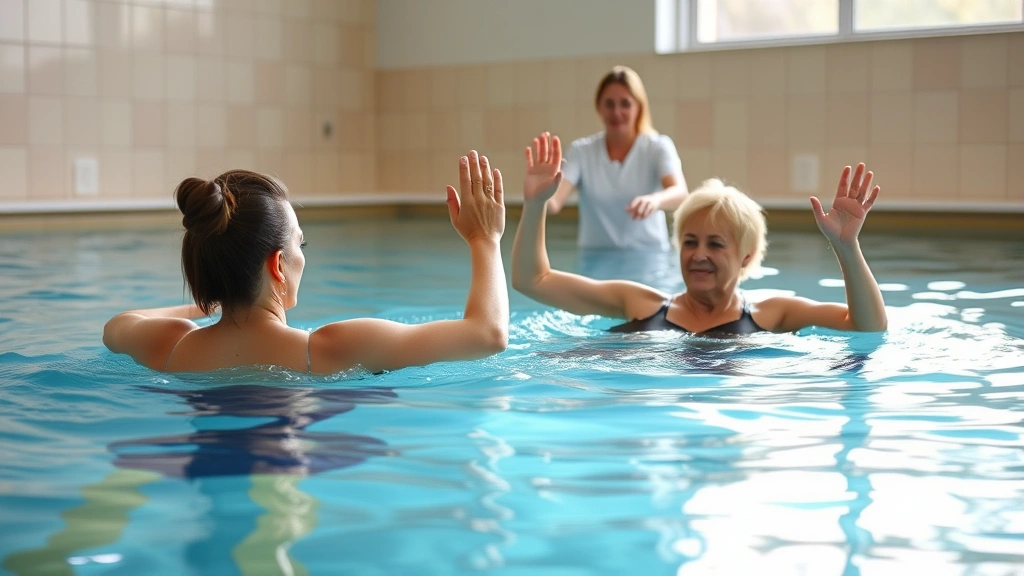
Low-impact aerobic activities like stationary cycling, swimming, or water aerobics have demonstrated efficacy in reducing overall pain and improving cardiovascular health. Water-based exercise offers particular benefits due to buoyancy support and temperature effects. Research indicates that gradual aerobic conditioning can improve pain thresholds and reduce sympathetic hyperactivity.
Mirror Therapy and Graded Motor Imagery
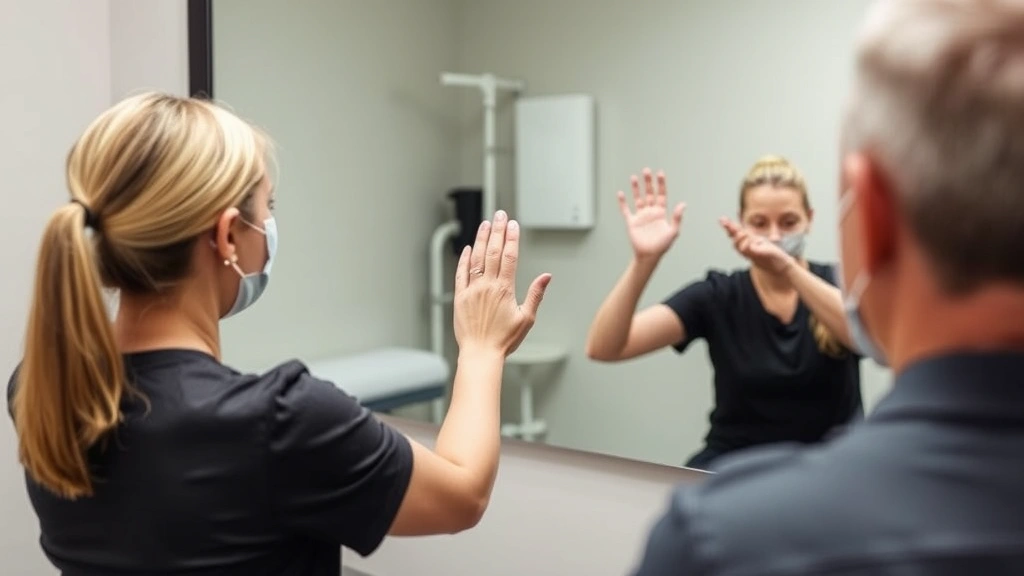
One of the most innovative and evidence-supported approaches involves mirror therapy, where patients perform movements with the unaffected limb while watching the reflection, creating the illusion of moving the affected limb. This technique activates motor cortex areas without the pain input from the affected limb, potentially facilitating neuroplastic changes.
Graded Motor Imagery and Neuroplasticity
Recent neuroscience research has revolutionized our understanding of RSD treatment. The condition involves not just peripheral nerve changes but also central nervous system reorganization. Graded Motor Imagery (GMI) addresses these neurological changes through a three-stage approach:
Stage 1: Laterality Recognition
Patients learn to quickly identify whether images of hands or feet shown on a screen are left or right. This activates motor planning areas without actual movement or pain, helping normalize cortical processing of the affected limb.
Stage 2: Explicit Motor Imagery
Patients mentally rehearse movements of the affected limb without actually moving it. This engages motor planning systems and has been shown to reduce pain and improve function in numerous clinical trials.
Stage 3: Graded Motor Practice
Once pain and sensitivity improve, patients progress to actual movement with careful monitoring of symptom response. This staged approach respects the nervous system’s need for gradual retraining.
Studies published in journals examining pain neuroscience demonstrate that GMI combined with exercise produces superior outcomes compared to exercise alone in many RSD cases, particularly when addressing the central sensitization component of the condition.
Creating a Safe Exercise Program
Developing an effective RSD exercise program requires careful individualization and professional guidance. Here’s how to approach program design safely:
Assessment and Baseline Measurement
Before beginning any exercise program, work with a physical therapist to establish baseline measurements of pain, range of motion, swelling, and function. This allows objective tracking of progress and helps guide progression decisions.
Gradual Progression Principles
The “start low, go slow” principle applies critically to RSD. Begin with gentle passive or active-assisted movements for 5-10 minutes daily. Progress frequency and intensity only when the patient demonstrates consistent tolerance without symptom flare-up lasting more than 2 hours post-exercise.
When exploring physical therapy treatment approaches, similar principles of gradual progression apply across various neurological conditions, though RSD requires particular sensitivity to pain response.
Monitoring and Symptom Response
Establish a pain rating system (0-10 scale) and track symptoms before, during, and after exercise. A good rule: pain should not exceed 4/10 during exercise, and should return to baseline within 2 hours. If symptoms worsen or persist, reduce exercise intensity or volume.
Consistency Over Intensity
Daily gentle exercise produces better results than intermittent intense sessions for RSD. A 20-minute daily program of appropriate exercises typically outperforms a 60-minute weekly session that may trigger flare-ups.
Common Mistakes to Avoid
Understanding what not to do proves equally important as knowing what to do in RSD management.
- Aggressive stretching: Forceful stretching can activate pain pathways and increase sympathetic nervous system activity, worsening symptoms. Gentle, sustained stretches held for 15-30 seconds work better.
- Ignoring pain signals: The “no pain, no gain” philosophy is dangerous in RSD. Respecting pain signals helps prevent central sensitization amplification.
- Overtraining: Excessive exercise can trigger flare-ups and disease progression. More is not better in RSD rehabilitation.
- Neglecting edema management: Combining exercise with elevation, compression garments, and manual lymphatic drainage optimizes outcomes.
- Skipping professional guidance: While home exercise is essential, initial program design should involve a therapist experienced with CRPS/RSD.
- Abandoning exercise during flare-ups: Even during pain exacerbations, maintaining gentle movement within tolerance prevents deconditioning.
Combining Exercises with Other Therapies
Exercise works best as part of a comprehensive, multidisciplinary approach to RSD management. Several complementary treatments enhance exercise effectiveness:
Occupational Therapy Integration
While physical therapists focus on movement and strengthening, occupational therapists address functional activities and adaptive strategies. Combined PT/OT approaches yield superior functional outcomes in RSD management.
Pain Management Interventions
Medications, nerve blocks, and other pain management strategies create a “window of opportunity” for more effective exercise participation. When pain is better controlled, patients can engage more fully in therapeutic exercise.
Red Light Therapy and Other Modalities
Some evidence supports red light therapy and photobiomodulation for reducing pain and inflammation in RSD. When combined with exercise, these modalities may enhance neuroplastic adaptations and reduce pain perception.
Psychological Support
RSD frequently involves psychological components including anxiety, catastrophizing, and depression. Cognitive behavioral therapy and mindfulness-based approaches combined with exercise produce better long-term outcomes than exercise alone.
Professional Guidance and Therapy Costs
Understanding therapy cost considerations helps patients plan comprehensive treatment. Many insurance plans cover physical and occupational therapy for RSD when properly documented, making professional treatment more accessible.
FAQ
Q: How quickly do exercises help with RSD pain?
A: Pain relief timelines vary significantly. Some patients experience symptom improvement within 2-4 weeks of consistent, appropriate exercise, while others require 8-12 weeks. Neuroplastic changes take time, and early stages may show functional improvements before pain reduction. Consistency matters more than speed.
Q: Can exercises make RSD worse?
A: Inappropriately aggressive exercise can trigger flare-ups and potentially worsen symptoms. This is why gradual progression and professional guidance are critical. Gentle, well-tolerated exercise should improve symptoms over time; if symptoms consistently worsen, exercise modification is necessary.
Q: Should I exercise during a flare-up?
A: Yes, but with significant modification. Gentle passive range of motion, mirror therapy, or graded motor imagery can continue during flare-ups, maintaining neuroplastic engagement without excessive loading. Intensity and volume should decrease, but complete cessation can lead to deconditioning.
Q: What type of therapist should manage RSD exercise?
A: A physical therapist with specific experience treating CRPS/RSD offers optimal guidance. Look for therapists trained in pain neuroscience, graded motor imagery, and modern RSD management approaches. Some are certified through specialized pain management programs.
Q: How long should I do RSD exercises daily?
A: Most evidence supports 20-40 minutes of daily exercise, divided into manageable sessions if needed (e.g., 3 sessions of 10-15 minutes). This prevents overtraining while maintaining consistency. Duration should be adjusted based on individual tolerance and symptom response.
Q: Can I return to normal activities with RSD?
A: Many RSD patients achieve significant functional improvement or remission with appropriate treatment including exercise. Full return to previous activities depends on disease severity, duration, and individual factors. Graded return to normal activities forms a key goal of exercise progression.
Q: Are there exercises I should avoid with RSD?
A: Avoid high-impact activities, aggressive stretching, and heavy resistance training during acute phases. Also avoid immobilization, which accelerates deconditioning and worsening. A therapist can identify which specific movements trigger excessive pain and should be modified or avoided temporarily.
Q: How does mirror therapy actually work?
A: Mirror therapy activates motor cortex areas without pain input from the affected limb, potentially reversing cortical reorganization associated with chronic pain. By creating the visual illusion of normal movement, it helps “re-educate” the nervous system about normal limb function, reducing pain perception over time.