Top Exercises for RSD: Expert Tips for Relief
Reflex Sympathetic Dystrophy (RSD), now commonly referred to as Complex Regional Pain Syndrome (CRPS), is a chronic pain condition that typically affects a limb after an injury, surgery, stroke, or heart attack. The condition is characterized by disproportionate pain, swelling, changes in skin color and temperature, and reduced mobility. Managing RSD requires a comprehensive approach, and RSD physical therapy exercises play a crucial role in pain management and functional recovery.
Physical therapy is one of the most evidence-based interventions for RSD, helping patients regain mobility, reduce pain, and improve quality of life. The key to successful treatment lies in early intervention combined with a structured, progressive exercise program. This guide explores the most effective exercises for RSD relief, backed by expert recommendations and clinical research.
Whether you’re newly diagnosed or managing long-term CRPS symptoms, understanding which exercises are safe and beneficial can make a significant difference in your recovery journey. We’ll explore gentle range-of-motion exercises, strengthening techniques, and functional activities that can help restore normalcy to your daily life.
Understanding RSD and the Role of Physical Therapy
Reflex Sympathetic Dystrophy is a complex neurological condition involving the sympathetic nervous system. When this system becomes overactive following an injury, it can trigger a cascade of symptoms that extend far beyond the original injury site. The pain experienced with RSD is often described as burning, throbbing, or shooting, and it may be accompanied by swelling, stiffness, and reduced range of motion.
Physical therapy stands at the forefront of RSD treatment protocols. According to research published by the National Institute of Neurological Disorders and Stroke, early mobilization and structured exercise programs can significantly improve outcomes in CRPS patients. The goal of physical therapy is not to push through pain but to gently challenge the affected limb while respecting pain boundaries.
Our comprehensive therapy resources and information section provides additional context on how various therapeutic interventions work together. When combined with other treatments like red light therapy for pain management, exercise becomes even more effective.
The sympathetic nervous system’s involvement means that stress reduction and proper breathing techniques are equally important as the physical movements themselves. This is why a holistic approach to RSD treatment yields the best results.
Gentle Range-of-Motion Exercises
Range-of-motion (ROM) exercises are the foundation of any RSD physical therapy program. These exercises maintain and gradually improve joint mobility without excessive stress on the affected limb. The key principle is to move within a pain-free or minimally painful range, gradually expanding that range over time.
Active-Assisted Range of Motion (AAROM)
Active-assisted ROM exercises involve using your unaffected limb or a therapist’s assistance to help move the affected joint. For example, if your right hand is affected, your left hand can gently assist in moving the fingers, wrist, and elbow through their normal ranges of motion. These exercises should be performed slowly and deliberately, holding each position for 2-3 seconds before returning to the starting position.
Perform 10-15 repetitions of each movement, 2-3 times daily. Common AAROM exercises include:
- Finger flexion and extension
- Wrist circles and side-to-side movements
- Elbow bending and straightening
- Shoulder movements in all directions
- Ankle circles and toe movements
Active Range of Motion (AROM)
Once you can perform AAROM exercises with minimal pain, progress to active ROM where you move the affected limb without assistance. These movements should still be slow and controlled, emphasizing smooth, pain-free motion over speed or force.
Active ROM exercises help re-establish neuromuscular control and improve proprioception—your body’s awareness of limb position. This is particularly important in RSD, as the condition often disrupts normal sensory feedback.
Pendulum Exercises
For upper extremity RSD, pendulum exercises are highly effective. Stand with your affected arm hanging relaxed at your side, then gently sway your entire body to create small circular motions with your arm. This passive movement reduces joint stress while promoting circulation. Start with small circles and gradually increase the diameter as tolerated.
Progressive Strengthening Techniques
Once range-of-motion improves, progressive strengthening becomes the next phase of rehabilitation. However, strengthening in RSD must be approached cautiously, as aggressive resistance can exacerbate symptoms. Isometric exercises—where muscles contract without joint movement—are often the safest starting point.
Isometric Strengthening
Isometric exercises involve contracting muscles against an immovable object or against your other hand. For instance, press your affected hand against a table without moving it, holding the contraction for 5-10 seconds. These exercises build strength without the joint stress of traditional resistance training.
Key isometric exercises include:
- Hand gripping against resistance (soft ball or therapy putty)
- Finger pressing against a table surface
- Wrist flexion and extension against resistance
- Leg pressing against a wall or table
- Foot pressing exercises for lower extremity involvement
Resistance Band Exercises
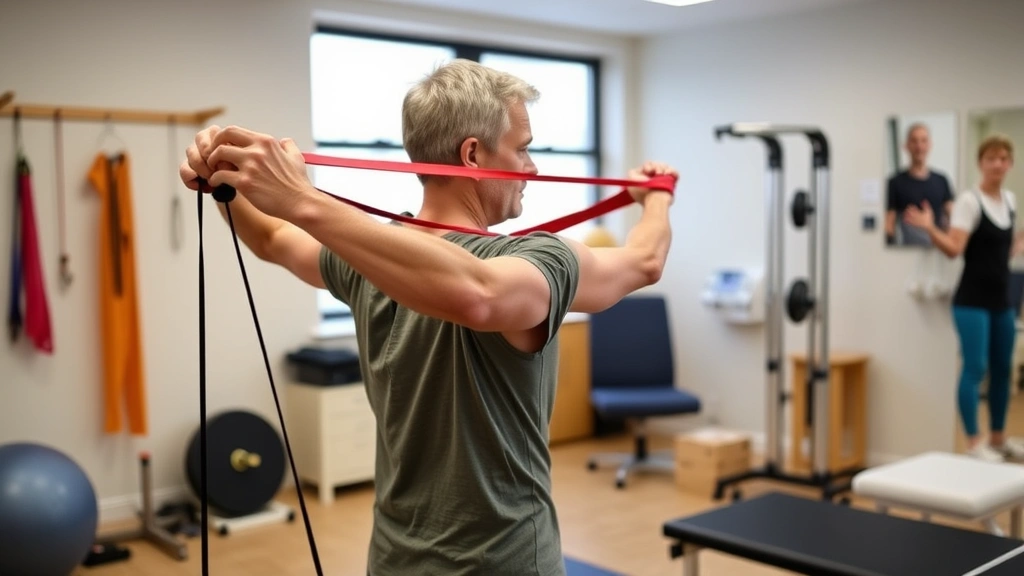
After mastering isometric work, light resistance bands introduce dynamic strengthening with minimal joint stress. Begin with very light resistance—even the gentlest colored bands—and focus on controlled movements through pain-free ranges. As strength improves over weeks, gradually progress to slightly stronger resistance.
Resistance band work should emphasize slow, deliberate movements with 15-20 repetitions rather than heavy resistance with fewer repetitions. This approach builds endurance and functional strength while minimizing pain flare-ups.
Water-Based Strengthening
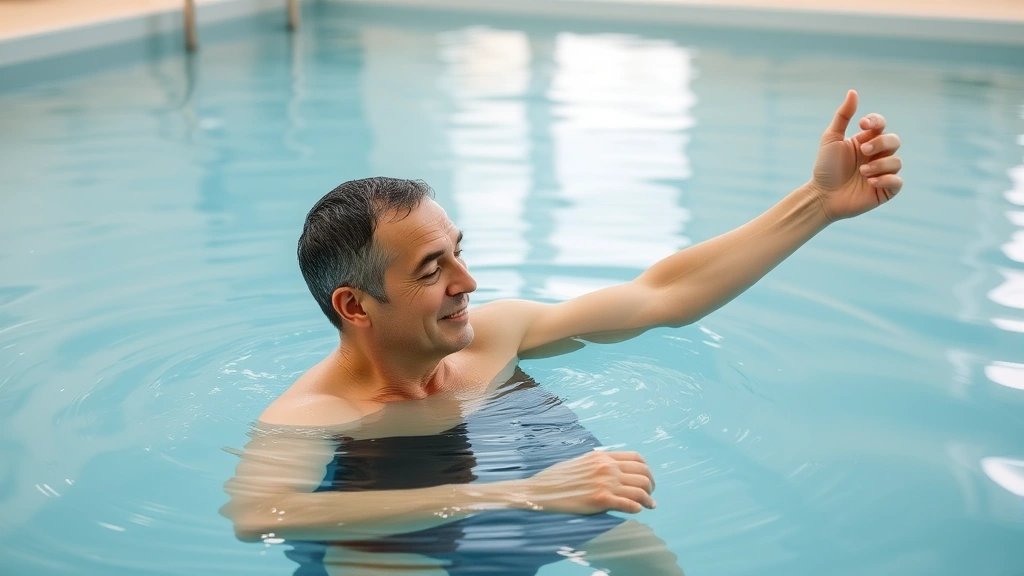
Aquatic therapy provides a unique advantage for RSD patients. Water’s buoyancy reduces joint loading while providing gentle resistance. Performing exercises in warm water (around 92-96°F) can also improve circulation and reduce pain. Simple movements like walking, arm circles, and leg lifts become therapeutic in an aquatic environment.
Many facilities now recognize the benefits of water therapy for RSD, making it an accessible option for many patients. If you’re exploring various therapeutic options, understanding the full spectrum of physical therapy treatment approaches can help you make informed decisions about your care.
Functional Activity Training
The ultimate goal of RSD physical therapy is to restore functional abilities in daily activities. Functional activity training bridges the gap between isolated exercises and real-world tasks like dressing, eating, typing, or walking.
Fine Motor Activities
For upper extremity RSD, fine motor activities rebuild coordination and dexterity. These might include:
- Picking up small objects (buttons, coins) and placing them in containers
- Manipulating therapy putty into different shapes
- Sorting activities with varying object sizes
- Writing or drawing exercises
- Stacking activities to improve hand-eye coordination
Gross Motor Activities
Lower extremity RSD requires functional training that emphasizes weight-bearing and balance. Progressive activities include:
- Standing balance exercises, progressing from parallel bars to independent standing
- Sit-to-stand transfers, gradually reducing upper extremity support
- Walking on various surfaces, starting with smooth, flat ground
- Stair climbing with proper support and technique
- Stepping over obstacles to improve clearance and confidence
Desensitization Activities
RSD often involves heightened sensitivity to touch and temperature. Graded exposure to different textures and temperatures helps normalize sensory processing. Activities might include:
- Touching various textures (soft cloth, rough towel, smooth ceramic)
- Exposure to different water temperatures during therapy
- Progressive tolerance of light touch and pressure
- Environmental exploration to rebuild confidence in the affected limb
Pain Management During Exercise
One of the most critical aspects of RSD physical therapy is managing pain during exercise. Unlike typical rehabilitation where some discomfort is expected, RSD requires a different philosophy often called “pain science approach” or “graded exposure therapy.”
The Pain Scale and Exercise Intensity
Physical therapists typically recommend keeping exercise-related pain at or below 3-4 on a 0-10 pain scale. Exceeding this threshold can trigger pain amplification and worsen symptoms. This means exercises should feel challenging but not painful—a concept that requires patient education and buy-in.
Before beginning any exercise program, consult with a healthcare provider familiar with RSD. The latest clinical research on CRPS emphasizes individualized, cautious progression.
Pacing Strategies
Activity pacing prevents the boom-bust cycle common in RSD, where patients overdo activities during good days and suffer consequences during bad days. Instead, maintain consistent, moderate activity levels daily. This might mean doing 5 minutes of exercise multiple times daily rather than one 30-minute session.
Temperature Management
Temperature regulation is crucial during RSD exercise. Cold typically worsens symptoms, so warm environments are preferable. Some patients benefit from warm compresses before exercise or performing activities in heated spaces. After exercise, gentle cooling may help reduce any inflammation.
Psychological Components
Pain anxiety and catastrophizing can amplify RSD symptoms. Incorporating relaxation techniques, deep breathing, and cognitive behavioral strategies alongside physical exercise improves outcomes. Understanding the connection between therapy approaches and mental health helps create comprehensive treatment plans.
Creating Your Personalized Exercise Program
Every RSD case is unique, and cookie-cutter exercise programs often fail. Your personalized program should account for your specific symptoms, affected limb, pain levels, and functional goals.
Initial Assessment Phase
Your physical therapist should conduct comprehensive assessments measuring:
- Range of motion in all affected joints
- Grip strength and functional grip ability
- Edema (swelling) measurements
- Skin temperature and color changes
- Pain levels at rest and with activity
- Functional limitations in daily activities
- Psychological factors affecting recovery
Progressive Phases
Most RSD physical therapy programs follow phases:
Phase 1 (Weeks 1-4): Focus on pain control, edema reduction, and gentle ROM exercises. Goals include reducing swelling through elevation and compression, establishing pain-free movement patterns, and patient education about the condition.
Phase 2 (Weeks 5-12): Progress to active ROM, light isometric strengthening, and functional activities. Gradually increase exercise duration and intensity while monitoring pain responses.
Phase 3 (Weeks 13+): Introduce resistance training, advanced functional activities, and return-to-work or return-to-sport training. This phase emphasizes building confidence and independence.
Home Exercise Program (HEP)
Consistency between therapy sessions is crucial. Your therapist should provide a detailed HEP with clear instructions, photographs or videos, and specific frequency recommendations. Ideally, you’ll perform exercises 2-3 times daily, with each session lasting 10-20 minutes.
For those seeking additional therapeutic support, exploring therapy services in your area can help coordinate comprehensive care with other specialists if needed.
Monitoring Progress
Regular reassessment ensures your program remains appropriate. Progress metrics include:
- Improved range of motion measurements
- Reduced swelling and skin changes
- Increased functional independence
- Improved pain scores
- Better tolerance of daily activities
- Psychological improvements in confidence and mood
If progress plateaus or symptoms worsen, your program should be adjusted. This might mean changing exercise types, modifying intensity, or incorporating additional treatments like manual therapy or modalities.
FAQ
How long does it take to see improvement with RSD physical therapy?
Most patients begin noticing improvements within 2-4 weeks of consistent therapy, though significant functional gains typically require 3-6 months. Recovery timelines vary considerably based on symptom severity, how quickly treatment began, and individual factors like age and overall health.
Can exercise make RSD worse?
Aggressive or inappropriate exercise can exacerbate symptoms, which is why the pain scale approach is essential. However, appropriate, graded exercise typically improves outcomes. Working with an RSD-experienced therapist minimizes this risk.
What should I do if exercise causes increased pain?
If pain exceeds 4 on the 0-10 scale during or after exercise, reduce intensity or duration. Report this to your therapist immediately. Pain lasting more than 2 hours after exercise suggests the activity was too aggressive and should be modified.
Are there exercises I should avoid with RSD?
Avoid high-impact activities, heavy resistance training, and exercises causing sharp pain. Also avoid immobility and overprotection, which can worsen stiffness and pain. Your therapist will specify which movements are appropriate for your particular case.
Can I return to sports or previous activities?
Many RSD patients successfully return to their previous activity levels, though this may take 6-12 months or longer. Gradual, progressive functional training under professional guidance makes this possible. Return-to-activity protocols should be individualized and carefully progressed.
Is physical therapy alone sufficient for RSD treatment?
While physical therapy is essential, comprehensive RSD treatment often includes medications, psychological support, occupational therapy, and sometimes interventional procedures. A multidisciplinary approach typically yields the best outcomes. If you’re exploring various therapeutic options, understanding all available therapy resources and information helps create the most effective treatment plan.
How often should I do RSD exercises?
Most protocols recommend 2-3 sessions daily, with each session lasting 10-20 minutes. This frequent, moderate-intensity approach is more effective than longer, less frequent sessions and helps prevent the boom-bust cycle common in RSD.