
Ripe Therapy: How Mindfulness Boosts Mental Health
Ripe Therapy represents an innovative intersection of mindfulness practices and therapeutic intervention designed to enhance mental health outcomes through structured, evidence-based approaches. This therapeutic modality emphasizes the cultivation of present-moment awareness combined with psychological techniques to address anxiety, depression, and emotional dysregulation. As mental health challenges continue to affect millions globally, understanding how ripe therapy leverages mindfulness to create sustainable psychological improvements has become increasingly important for both practitioners and individuals seeking effective treatment options.
The effectiveness of ripe therapy stems from its integration of ancient mindfulness traditions with contemporary psychological science. By combining cognitive behavioral approaches with mindfulness techniques, this therapeutic framework addresses both the thinking patterns and emotional responses that contribute to mental health challenges. The term “ripe” itself suggests optimal timing and readiness—the idea that when individuals cultivate the right mindset and awareness, they become ready for meaningful psychological change and healing.
Understanding Ripe Therapy and Its Origins
Ripe Therapy emerged from the convergence of Mindfulness-Based Stress Reduction (MBSR), Acceptance and Commitment Therapy (ACT), and traditional psychotherapeutic methods. The framework was developed to address limitations in conventional therapy by incorporating contemplative practices that activate the parasympathetic nervous system—the body’s natural relaxation response. This approach recognizes that sustainable mental health improvements require not just cognitive restructuring, but also emotional regulation through mindfulness cultivation.
The theoretical foundation of ripe therapy rests on the principle that psychological suffering often stems from our relationship to thoughts and emotions rather than the thoughts and emotions themselves. By developing metacognitive awareness—the ability to observe one’s thoughts without judgment—individuals can create psychological distance from distressing mental content. This process allows for more adaptive responding rather than reactive patterns that perpetuate mental health challenges.
Research from leading institutions has demonstrated that therapeutic interventions combining mindfulness with traditional psychology produce superior outcomes compared to either approach alone. The integration creates a more comprehensive treatment that addresses biological, psychological, and behavioral dimensions of mental health simultaneously.

The Science of Mindfulness in Mental Health
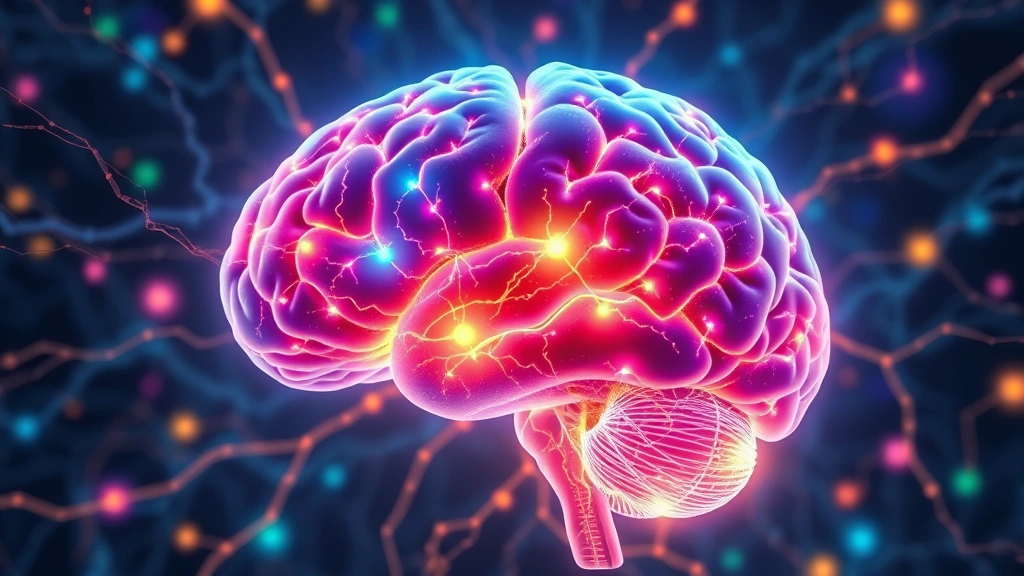
Neuroscientific research has established concrete mechanisms through which mindfulness practices alter brain function and structure in ways that improve mental health. Functional MRI studies show that regular mindfulness meditation increases activity in the prefrontal cortex—the region responsible for rational thinking, emotional regulation, and self-awareness—while simultaneously reducing activity in the amygdala, which processes fear and threat responses.
The neuroplasticity principle demonstrates that consistent mindfulness practice literally rewires neural pathways. When individuals regularly engage in focused attention and present-moment awareness, they strengthen connections between brain regions associated with emotional regulation and weaken those associated with rumination and worry. This biological transformation provides the neural substrate for lasting improvements in mood, anxiety, and emotional resilience.
A landmark study published in JAMA Psychiatry found that mindfulness-based interventions demonstrated efficacy comparable to pharmaceutical interventions for anxiety disorders, with the added benefit of no side effects and sustained benefits after treatment completion. Another investigation into therapeutic modalities highlighted how multimodal approaches incorporating mindfulness achieve superior long-term outcomes.
The stress-buffering hypothesis explains how mindfulness reduces cortisol reactivity—the body’s primary stress hormone. By activating the parasympathetic nervous system through focused breathing and body awareness, mindfulness dampens the physiological stress response, preventing the cascade of negative effects associated with chronic stress including inflammation, immune suppression, and mood dysregulation.
Core Components of Ripe Therapy
Ripe Therapy incorporates several essential components that work synergistically to produce mental health improvements. Understanding these elements helps individuals recognize what makes this approach distinct and effective for addressing diverse mental health concerns.
Mindful Awareness Development: The foundation of ripe therapy involves cultivating sustained attention and meta-awareness. Practitioners learn to observe their thoughts, emotions, and bodily sensations without judgment or attempts to change them. This observational stance reduces the struggle against unwanted mental content, which paradoxically intensifies psychological distress. By accepting thoughts as mental events rather than facts requiring action, individuals diminish their emotional impact.
Emotional Regulation Training: Ripe therapy teaches specific techniques for managing emotional intensity and reactivity. These include body-based interventions like progressive muscle relaxation, diaphragmatic breathing, and somatic awareness practices that help individuals recognize and modulate emotional states before they escalate into crisis episodes.
Cognitive Restructuring Integration: While emphasizing acceptance, ripe therapy also incorporates evidence-based cognitive techniques from comprehensive therapeutic frameworks to identify and modify unhelpful thought patterns. This balanced approach addresses both the content and the relationship to thoughts simultaneously.
Values Clarification and Meaningful Living: Ripe therapy helps individuals identify their core values and align daily behaviors with what matters most. This values-driven approach provides intrinsic motivation for change and creates a sense of purpose that protects against depression and meaninglessness.
Self-Compassion Cultivation: A critical component involves developing compassionate attitudes toward oneself, particularly during difficult moments. Research demonstrates that self-compassion reduces depression and anxiety while increasing psychological resilience and overall well-being.
Mindfulness Practices for Daily Mental Wellness
Integrating ripe therapy principles into daily life requires consistent practice with specific mindfulness techniques. These evidence-based practices provide tools individuals can use independently to maintain and enhance mental health outcomes.
Body Scan Meditation: This foundational practice involves systematically directing attention through different body regions, noticing sensations without judgment. A typical 20-minute body scan meditation activates the parasympathetic nervous system while building interoceptive awareness—the ability to accurately perceive internal bodily states. This increased bodily awareness enables earlier recognition of stress responses before they escalate.
Mindful Breathing: Focused attention on the breath serves as an anchor to present-moment awareness. Box breathing (inhaling for four counts, holding for four, exhaling for four, holding for four) has documented effects on nervous system regulation and can be practiced anywhere, anytime, making it ideal for acute anxiety management.
Loving-Kindness Meditation: This practice involves directing phrases of goodwill toward oneself and others in expanding circles. Research shows loving-kindness meditation increases positive emotions, reduces implicit bias, and enhances social connection—all protective factors for mental health.
Mindful Movement: Yoga, tai chi, and qigong integrate mindfulness with gentle movement, providing both the benefits of physical activity and contemplative practice. These modalities are particularly effective for individuals who struggle with sitting meditation.
Mindful Daily Activities: Ripe therapy extends mindfulness beyond formal meditation into everyday activities. Mindful eating, walking, listening, and working transform routine activities into opportunities for present-moment awareness and stress reduction.
Ripe Therapy for Anxiety and Depression
Anxiety and depression represent the most prevalent mental health conditions, affecting hundreds of millions globally. Ripe therapy has demonstrated particular effectiveness for these conditions through multiple mechanisms.
Anxiety Management Through Ripe Therapy: Anxiety disorders involve excessive worry about future events and heightened threat perception. Ripe therapy addresses anxiety by anchoring attention to present-moment reality, where threat is typically absent. By repeatedly practicing present-moment awareness, individuals weaken the neural habit of future-focused worry. Additionally, the acceptance components of ripe therapy reduce anxiety about anxiety—the secondary distress of fighting against anxious sensations that often perpetuates anxiety cycles.
Individuals with interest in professional therapeutic work increasingly recognize that ripe therapy principles enhance treatment effectiveness across diverse populations and settings. The approach’s flexibility allows adaptation for various anxiety presentations from generalized anxiety to social anxiety and panic disorder.
Depression Treatment Through Mindfulness: Depression involves rumination—repetitive negative thinking about the past and oneself. Ripe therapy interrupts rumination through present-moment awareness and cognitive defusion techniques that reduce the believability and emotional impact of depressive thoughts. The values clarification component addresses anhedonia (loss of pleasure) by helping individuals engage in meaningful activities aligned with personal values, which increases positive reinforcement and mood improvement.
Research from the University of California San Diego demonstrated that Mindfulness-Based Cognitive Therapy (a ripe therapy variant) reduced depression relapse rates by 50% compared to standard treatment alone. This substantial improvement reflects how mindfulness addresses the underlying mechanisms maintaining depression rather than just symptom suppression.
Trauma and PTSD Applications: For individuals with trauma histories, ripe therapy’s emphasis on safe present-moment awareness and titrated exposure to internal sensations provides a gentler alternative to traditional exposure therapy. The somatic components help process trauma held in the body while maintaining the nervous system regulation necessary for safety during healing.
Integration with Other Therapeutic Approaches
Ripe therapy functions optimally as part of an integrated treatment approach rather than as an isolated intervention. Understanding how it complements other therapeutic modalities maximizes mental health benefits.
Combination with Pharmacotherapy: For many individuals, particularly those with moderate to severe mental illness, combining ripe therapy with psychiatric medication produces superior outcomes compared to either treatment alone. Mindfulness practices enhance medication effectiveness by supporting medication adherence and reducing the psychological resistance that sometimes accompanies pharmaceutical treatment.
Integration with Traditional Psychotherapy: Ripe therapy principles enhance cognitive-behavioral therapy, psychodynamic therapy, and interpersonal therapy. The mindfulness foundation helps individuals observe their patterns with curiosity rather than judgment, facilitating deeper psychological insight and more sustainable behavioral change. Finding appropriate therapeutic services that integrate multiple evidence-based approaches increases treatment effectiveness.
Complementary with Lifestyle Interventions: Ripe therapy synergizes powerfully with exercise, sleep optimization, nutrition, and social connection—all foundational mental health interventions. The mindfulness component supports adherence to these lifestyle practices by increasing motivation and reducing the willpower depletion that undermines long-term behavioral change.
Group-Based Delivery: Ripe therapy’s effectiveness increases substantially when delivered in group formats, which provide social support, normalization of struggles, and accountability. Group mindfulness-based interventions create healing communities while reducing treatment costs, making evidence-based mental health care more accessible.
Implementing Ripe Therapy in Your Life
Translating ripe therapy principles into sustainable personal practice requires structured approaches and realistic expectations. The following framework supports successful implementation.
Starting a Mindfulness Practice: Begin with 5-10 minutes of daily meditation using guided recordings from established sources like Mindful magazine or the Headspace app. Consistency matters more than duration—daily 10-minute practice produces greater benefits than occasional longer sessions. Expect the mind to wander frequently; this is normal and each time you notice and redirect attention, you strengthen mindfulness capacity.
Developing a Personal Practice Plan: Identify which mindfulness techniques resonate most with you. Some individuals prefer sitting meditation, others respond better to movement practices like yoga. Consistency increases when practices align with personal preferences. Schedule meditation at a consistent time, ideally when you’re naturally alert but not rushed.
Tracking Progress and Adjusting: Monitor changes in anxiety, mood, sleep quality, and emotional reactivity. Meaningful improvements typically emerge after 8-12 weeks of consistent practice, though some individuals notice benefits within days. Keep a simple journal noting practice frequency and subjective mental health changes.
Addressing Common Obstacles: When motivation wanes, reconnect with the values that prompted starting practice. Join a meditation group for accountability and community support. Remember that all meditation practitioners experience restlessness and doubt—these are universal experiences, not signs of failure.
Professional Support: Consider working with a therapist trained in mindfulness-based approaches to accelerate learning and address mental health challenges more directly. Individual therapy combined with personal practice produces optimal outcomes for most individuals with significant mental health concerns.
FAQ
What is the difference between ripe therapy and standard mindfulness?
Ripe therapy represents a formalized therapeutic application of mindfulness principles integrated with psychological treatment techniques. While general mindfulness emphasizes present-moment awareness, ripe therapy specifically targets mental health conditions through structured protocols combining mindfulness with cognitive restructuring, emotional regulation training, and values-based living. It functions as a complete therapeutic system rather than a standalone practice.
How long does ripe therapy take to show results?
Most individuals notice initial improvements in stress and emotional reactivity within 2-4 weeks of consistent practice. Significant reductions in anxiety and depression typically emerge within 8-12 weeks. Long-term structural changes in brain function and lasting personality changes develop over months and years of sustained practice. Patience and consistency are essential, as mindfulness benefits accumulate gradually.
Can ripe therapy replace psychiatric medication?
For mild to moderate mental health conditions, ripe therapy sometimes provides sufficient symptom relief to avoid medication. However, for moderate to severe conditions, particularly bipolar disorder and psychotic disorders, ripe therapy should complement rather than replace medication. The decision requires professional evaluation considering individual circumstances, condition severity, and previous treatment responses.
Is ripe therapy effective for all mental health conditions?
Ripe therapy demonstrates strong evidence for anxiety disorders, depression, chronic pain, and stress-related conditions. It also shows promise for PTSD, substance use disorders, eating disorders, and personality disorders. However, individuals experiencing acute psychosis or severe suicidal ideation require more intensive interventions, though ripe therapy can support recovery once acute symptoms stabilize.
What if I can’t quiet my mind during meditation?
An active mind during meditation is completely normal and doesn’t indicate failure. Mindfulness involves noticing where your attention goes, not forcing a blank mind. Each time you notice your mind has wandered and redirect attention, you’re successfully practicing mindfulness. With continued practice, the mind naturally becomes quieter, but that’s a side effect rather than the goal.
How does ripe therapy differ from other therapy types?
Unlike purely cognitive approaches that focus on changing thoughts, ripe therapy emphasizes changing your relationship to thoughts. Unlike purely behavioral approaches focused on activity scheduling, ripe therapy addresses internal emotional experiences. This integrated approach addressing thoughts, emotions, behaviors, and values simultaneously creates more comprehensive and lasting change.