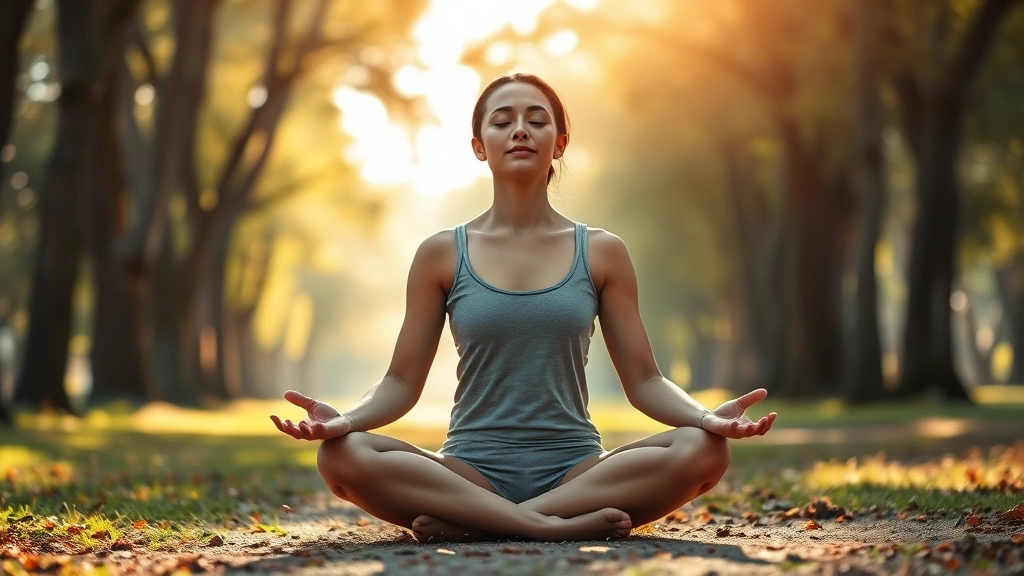
Mindfulness for Anxiety: Therapist Insights and Practical Techniques
Anxiety disorders affect millions of people worldwide, creating a significant burden on mental health and overall quality of life. While traditional pharmaceutical interventions remain important, an increasing number of mental health professionals are recognizing the profound benefits of mindfulness-based approaches. Mindfulness, rooted in ancient contemplative practices but now supported by contemporary neuroscience, offers evidence-based strategies that empower individuals to manage anxiety symptoms effectively and sustainably.
Therapists across diverse clinical settings—from cognitive-behavioral therapy practices to holistic wellness centers—are integrating mindfulness techniques into their treatment protocols. These evidence-based interventions work synergistically with other therapeutic modalities, helping clients develop greater emotional resilience and awareness. Whether you’re seeking professional support or exploring complementary techniques, understanding how mindfulness addresses anxiety mechanisms can transform your approach to mental wellness.

How Mindfulness Reduces Anxiety: The Science Behind the Practice
Mindfulness operates through multiple neurobiological pathways that directly counteract anxiety mechanisms. When we experience anxiety, our amygdala—the brain’s threat-detection center—becomes hyperactive, triggering the fight-or-flight response. This physiological cascade floods the body with cortisol and adrenaline, creating the physical sensations we associate with anxiety: racing heart, shallow breathing, muscle tension, and catastrophic thinking patterns.
Research published by the American Psychological Association demonstrates that consistent mindfulness practice strengthens connections between the prefrontal cortex (responsible for rational thinking and emotional regulation) and the amygdala. This neural rewiring enables individuals to observe anxious thoughts without becoming enslaved by them, creating psychological distance from anxiety narratives.
Neuroimaging studies reveal that mindfulness practitioners show reduced gray matter density in the amygdala and increased activity in regions associated with attention control and emotional processing. These structural and functional changes translate into tangible improvements: lower baseline anxiety levels, reduced panic attack frequency, and enhanced emotional flexibility. The practice essentially trains the brain to respond to stress adaptively rather than reactively.
A landmark study from the Journal of Anxiety Disorders found that mindfulness-based stress reduction (MBSR) programs produce outcomes comparable to pharmaceutical interventions for generalized anxiety disorder, without the side effects or dependency concerns. This evidence has prompted major healthcare institutions and insurance providers to recognize mindfulness as a legitimate therapeutic intervention.
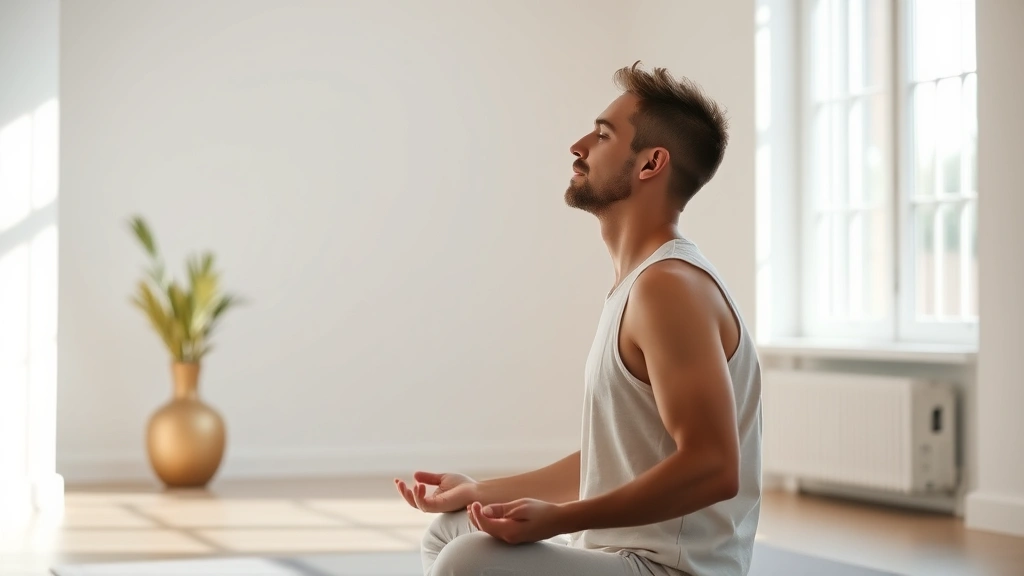
Core Mindfulness Techniques Therapists Recommend
Experienced therapists employ several foundational mindfulness techniques tailored to individual anxiety presentations. Understanding these core practices helps you recognize which approaches might resonate with your unique neurological and psychological makeup.
Body Scan Meditation involves systematically directing attention through different body regions, noticing sensations without judgment. This technique proves particularly effective for anxiety sufferers who experience somatic symptoms—tension headaches, chest tightness, or muscle rigidity. By cultivating non-judgmental awareness of physical sensations, clients learn that discomfort is temporary and manageable, reducing the secondary anxiety that often accompanies initial symptoms.
Open Monitoring Meditation expands awareness to encompass all present-moment experiences—thoughts, emotions, bodily sensations, and environmental stimuli—without fixating on any particular focus. This panoramic awareness helps anxiety sufferers recognize the impermanent nature of anxious thoughts. Rather than fighting intrusive thoughts, practitioners learn to observe them like clouds passing through the sky, which paradoxically reduces their psychological grip.
Loving-kindness Meditation (Metta) addresses the self-critical thought patterns that amplify anxiety. This practice involves directing compassionate phrases toward oneself and others, systematically expanding circles of care. Research indicates that loving-kindness practice reduces rumination and self-judgment—two primary anxiety maintenance mechanisms—while increasing social connection and emotional warmth.
Many therapists recommend starting with therapy resources and articles on the MindLift Daily Blog to understand foundational concepts before implementing these techniques. Progressive practice builds confidence and competence with mindfulness approaches.
Breathing Exercises and the Nervous System Connection
The respiratory system represents the most direct physiological pathway through which mindfulness interventions influence anxiety. Unlike heart rate or cortisol levels, which respond slowly to conscious intervention, breathing patterns can be modified immediately and deliberately. This accessibility makes breathing practices invaluable for anxiety management.
The vagus nerve, the longest cranial nerve extending from the brainstem through the heart, lungs, and digestive organs, plays a central role in parasympathetic nervous system activation—the physiological state opposite to anxiety’s fight-or-flight response. Slow, deep breathing directly stimulates vagal tone, signaling safety to the nervous system and triggering the relaxation response.
4-7-8 Breathing involves inhaling for four counts, holding for seven counts, and exhaling for eight counts. The extended exhale activates parasympathetic pathways, producing measurable decreases in heart rate and blood pressure within minutes. Therapists recommend this technique during acute anxiety episodes when rapid intervention is necessary.
Box Breathing (also called square breathing) synchronizes inhalation, retention, exhalation, and pause in equal four-count intervals. This balanced pattern creates rhythmic coherence between heart rate and breathing, a state associated with optimal emotional regulation and cognitive performance. Military and emergency personnel use this technique during high-stress situations.
Alternate Nostril Breathing (Nadi Shodhana) involves breathing through one nostril while blocking the other, then alternating. This practice balances right and left hemisphere brain activity, reducing the hyperarousal characteristic of anxiety disorders. Studies suggest this technique particularly benefits individuals with racing thoughts and mental agitation.
Professional therapists often integrate breathing work with occupational therapy approaches that address holistic wellness, recognizing that physical and mental health interconnect through respiratory physiology.
Integrating Mindfulness Into Daily Life
The transformative power of mindfulness emerges through consistent, real-world application rather than isolated meditation sessions. Therapists emphasize that sustainable anxiety reduction requires weaving mindful awareness into everyday activities and challenging situations.
Mindful Eating involves consuming food with full sensory awareness—noticing colors, textures, aromas, and flavors without distraction. This practice interrupts the anxiety-eating cycle while cultivating present-moment focus. Many anxiety sufferers unconsciously use food for emotional regulation; mindful eating transforms this pattern into genuine nourishment and pleasure.
Mindful Walking combines physical activity with present-moment awareness. Rather than walking while lost in anxious rumination, practitioners consciously notice foot contact with ground, rhythm of movement, environmental details, and bodily sensations. This accessible practice fits seamlessly into daily routines—commutes, errands, or exercise—making mindfulness portable and practical.
Transition Mindfulness addresses the moments between activities when anxiety often spikes. Before meetings, social interactions, or challenging tasks, brief mindfulness practices (30 seconds to two minutes) recalibrate the nervous system. Therapists recommend using these micro-practices as preventive interventions rather than waiting until anxiety escalates.
Mindful Communication applies present-moment awareness to conversations and relationships. By genuinely listening without planning responses, individuals reduce social anxiety and deepen connections. This practice also interrupts the anxiety spiral triggered by misunderstandings and conflicts.
For those interested in comprehensive therapeutic approaches, exploring therapy pricing and options helps identify professional support that complements self-directed mindfulness practice.
Common Challenges and How to Overcome Them
Despite mindfulness’s effectiveness, practitioners frequently encounter obstacles that can derail consistent practice. Understanding these challenges and evidence-based solutions increases success rates.
The “Monkey Mind” Problem describes the difficulty maintaining focus during meditation. Anxious individuals often experience this intensely—racing thoughts, intrusive worries, and inability to settle attention. Rather than indicating meditation failure, this experience reflects the anxiety patterns that mindfulness ultimately addresses. Therapists recommend starting with shorter sessions (5-10 minutes) and gradually extending duration as concentration improves. Noting that thoughts arise without judgment transforms this challenge into valuable practice material.
Increased Anxiety During Practice occasionally occurs, particularly for trauma survivors or individuals with severe anxiety. This phenomenon, sometimes called “meditation-induced anxiety,” results from reduced external stimulation allowing previously suppressed emotions to surface. Working with experienced therapists who understand these dynamics proves essential. Guided meditations, shorter practice durations, and grounding techniques help manage this response.
Inconsistent Practice represents the most common obstacle. Motivation fluctuates, and busy schedules challenge commitment. Therapists recommend anchoring mindfulness to existing habits—meditating immediately after waking, during lunch breaks, or before sleep. Apps with reminders, accountability partners, or group practice settings increase consistency through external structure.
Perfectionism and Performance Anxiety paradoxically undermine mindfulness practice. Individuals struggling with anxiety often approach meditation as another achievement domain, creating pressure to meditate “correctly.” Reframing practice as experiential rather than performance-based—where all experiences, including restlessness or difficulty, constitute valid practice—resolves this obstacle.
Those seeking professional guidance can explore speech therapy and counseling services near me to locate qualified practitioners who integrate mindfulness into comprehensive treatment plans.
Professional Support and Finding the Right Therapist
While self-directed mindfulness practice offers significant benefits, professional therapeutic guidance substantially accelerates progress and prevents common pitfalls. Therapists trained in mindfulness-based cognitive therapy (MBCT) or mindfulness-based stress reduction (MBSR) combine meditation instruction with psychological expertise.
Effective anxiety therapists integrate mindfulness with physical therapy and somatic approaches, recognizing that anxiety manifests across mental, emotional, and physical domains. This integrated perspective addresses root causes rather than merely symptom management.
When selecting a therapist, verify their training credentials in mindfulness-based interventions. Look for practitioners with specialized certifications from reputable organizations like the Center for Mindfulness at the University of Massachusetts Medical School or similar institutions offering rigorous training programs. Experience working specifically with anxiety disorders, rather than general mental health practice, increases therapeutic effectiveness.
Group MBSR programs, increasingly offered through hospitals and wellness centers, provide cost-effective access to structured mindfulness training. These eight-week programs combine meditation instruction, psychoeducation, and group discussion, creating supportive communities that enhance motivation and learning.
Research from the National Center for Biotechnology Information demonstrates that combining individual therapy with group mindfulness programs produces superior outcomes compared to either approach alone. The synergy between personalized psychological work and standardized mindfulness training creates comprehensive anxiety reduction.
For those exploring diverse therapeutic modalities, red light therapy and complementary approaches sometimes integrate with mindfulness practice for holistic wellness. Additionally, understanding career pathways in therapeutic professions may interest those considering becoming practitioners themselves.
Frequently Asked Questions
How long does mindfulness take to reduce anxiety symptoms?
Individual responses vary, but research indicates noticeable improvements within 8-12 weeks of consistent practice (typically 20-30 minutes daily). Some individuals experience immediate relief during meditation sessions, while lasting changes to baseline anxiety levels develop gradually through neuroplasticity. Patience and consistency prove more important than intensity or duration.
Can mindfulness replace medication for anxiety?
Mindfulness effectively reduces anxiety symptoms and can be the primary intervention for mild-to-moderate anxiety. However, severe anxiety disorders, panic disorder, and anxiety with depression often benefit from combined approaches including medication and therapy. Consult healthcare providers before modifying psychiatric medications; mindfulness complements rather than replaces medical treatment when warranted.
What’s the difference between mindfulness meditation and relaxation techniques?
Relaxation techniques aim to reduce physical tension and achieve calm states—valuable but temporary effects. Mindfulness develops awareness of present-moment experience without judgment, creating lasting changes in how individuals relate to anxiety. While relaxation feels pleasant, mindfulness sometimes involves discomfort as practitioners observe difficult emotions and sensations, ultimately building psychological resilience.
Is mindfulness suitable for everyone with anxiety?
Mindfulness benefits most anxiety sufferers, but individuals with severe trauma, psychosis, or dissociative disorders may require modified approaches or preliminary stabilization work. Therapists trained in trauma-sensitive mindfulness can adapt practices for sensitive populations. Starting with shorter sessions and professional guidance ensures safety and effectiveness.
Can I practice mindfulness alongside other therapy modalities?
Absolutely. Mindfulness integrates effectively with cognitive-behavioral therapy, acceptance and commitment therapy, interpersonal therapy, and most other evidence-based approaches. The enhanced present-moment awareness and emotional regulation from mindfulness amplifies benefits from concurrent therapeutic work, creating synergistic effects.
How do I know if I’m meditating correctly?
There’s no “correct” way to meditate—only your authentic experience. If you’re sitting quietly, directing attention toward a focus object (breath, body, or sensations), and gently returning attention when it wanders, you’re meditating successfully. Thoughts, emotions, and restlessness during meditation don’t indicate failure; they constitute the practice itself.