Red Light Therapy: Should Eyes Be Open or Closed?
Red light therapy has emerged as one of the most accessible and scientifically-backed wellness interventions available today. From professional athletes to individuals seeking pain relief and improved skin health, millions of people incorporate red light therapy into their daily routines. However, a fundamental question persists: should you keep your eyes open or closed during red light therapy sessions? This seemingly simple question involves understanding the science of photobiomodulation, the safety considerations for ocular exposure, and the specific therapeutic goals you’re trying to achieve.
The answer isn’t universally straightforward because it depends on multiple factors including your treatment objectives, the wavelength of light being used, the intensity of the device, and individual sensitivity levels. This comprehensive guide will explore the evidence-based recommendations for optimal red light therapy practice, helping you maximize benefits while maintaining safety.
Understanding Red Light Therapy Basics
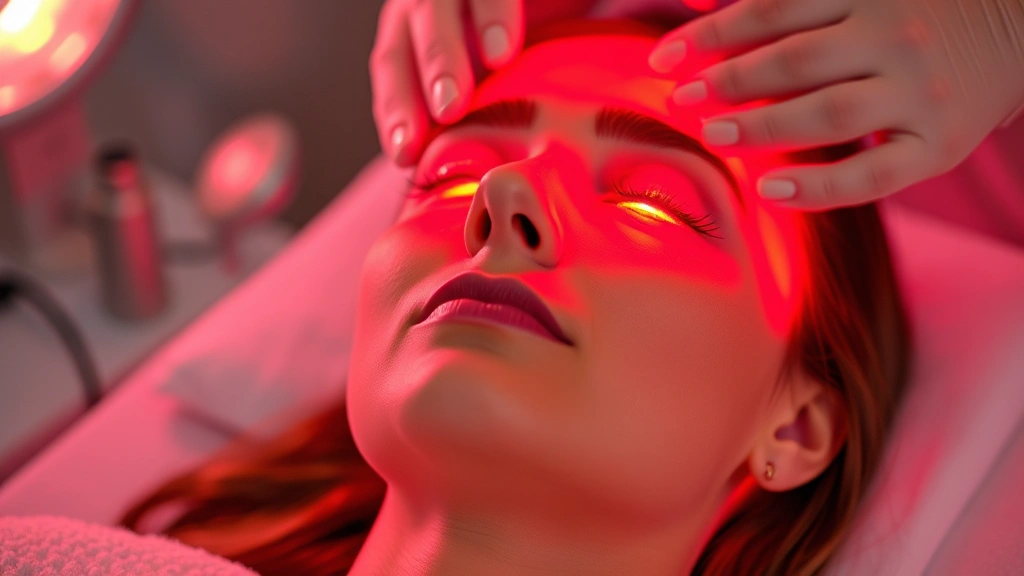
Red light therapy, also known as photobiomodulation (PBM), utilizes specific wavelengths of light—typically between 600 and 1000 nanometers—to stimulate cellular energy production. When these photons penetrate tissue, they interact with mitochondrial chromophores, particularly cytochrome c oxidase in the electron transport chain, enhancing adenosine triphosphate (ATP) synthesis. This fundamental biological mechanism underlies virtually all red light therapy benefits, from wound healing to muscle recovery.
The therapeutic window for red light therapy is remarkably specific. Wavelengths in the 630-700 nanometer range penetrate skin effectively, while near-infrared light (700-1100 nanometers) penetrates deeper into muscle and bone tissue. Understanding this distinction becomes critical when considering whether your eyes should be open or closed, as different wavelengths have different penetration depths and tissue interaction patterns.
When exploring red light therapy blanket benefits, you’ll notice most devices operate within these established wavelength ranges. The consistency of these parameters across therapeutic devices reflects decades of research establishing what wavelengths produce optimal biological responses.
How Red Light Interacts with Eye Tissue
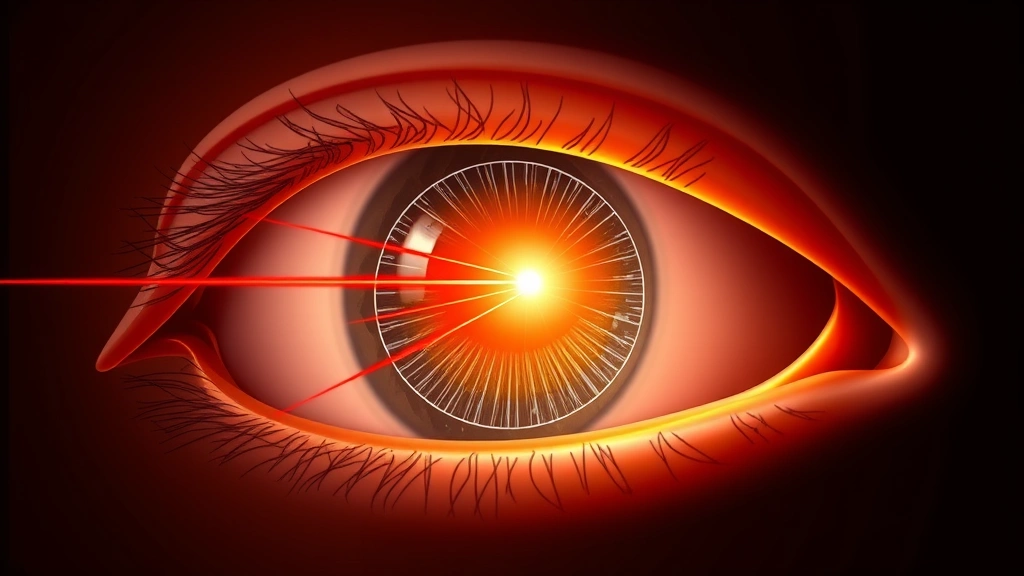
Your eyes are remarkably sensitive organs with specialized structures designed to process light. The cornea, lens, and retina each respond differently to various wavelengths. Red and near-infrared light penetrates through the cornea and lens relatively easily, reaching the retina and deeper ocular structures. This penetration capacity is why red light therapy has garnered interest for treating certain eye conditions, but it also necessitates careful consideration of safety parameters.
The retina contains photoreceptor cells (rods and cones) that detect light and initiate visual signals. Beneath the retina lies the retinal pigment epithelium (RPE), which supports photoreceptor function and contains mitochondria-rich cells capable of responding to red light stimulation. Research suggests that red light may enhance mitochondrial function in these cells, potentially supporting ocular health. However, excessive light exposure—regardless of wavelength—can cause photochemical damage through reactive oxygen species generation.
The lens, which focuses light onto the retina, also contains mitochondria and may benefit from red light exposure. Some emerging research suggests that red light therapy might support lens health and potentially help with age-related changes, though this remains an active area of investigation requiring further clinical validation.
Eyes Open vs Eyes Closed: The Evidence
The scientific literature on this specific question reveals nuanced findings rather than absolute directives. Research published in Investigative Ophthalmology & Visual Science and related journals indicates that red light exposure to closed eyes still delivers therapeutic benefit because light penetrates the eyelid. Studies measuring light transmission through eyelids show that approximately 30-40% of incident red light (600-700 nanometers) passes through closed eyelids, while near-infrared penetration is even higher at 50-60%.
This means you don’t lose the majority of therapeutic benefit by closing your eyes. In fact, for most applications, keeping eyes closed is the recommended approach. Here’s why: closed eyes reduce the risk of accidental direct retinal exposure to intense light sources, eliminate the discomfort some people experience from direct light in their visual field, and allow for more relaxation during treatment sessions.
However, if your specific goal involves supporting ocular health—such as addressing macular degeneration, dry eye syndrome, or age-related vision changes—some practitioners recommend eyes-open protocols. This allows for more direct light exposure to intraocular structures. That said, this should only be done with appropriate devices designed for ocular use, at safe intensity levels, and ideally under professional guidance.
Research from the National Institutes of Health documents multiple clinical trials examining red light’s effects on retinal health, with many studies conducted with eyes open using controlled, safe exposure parameters. The key distinction is between casual, home-based therapy and clinical protocols specifically designed for ocular treatment.
Safety Considerations for Eye Exposure
Safety should always be your primary concern when considering any light-based therapy near sensitive structures like eyes. The eyes lack the protective mechanisms that skin possesses, such as melanin and robust antioxidant systems. This makes them more vulnerable to certain types of light damage.
Thermal damage represents one potential risk, though this primarily concerns infrared wavelengths above 1000 nanometers and high-intensity devices. The therapeutic red and near-infrared devices used in clinical settings and homes typically operate at intensities well below thermal damage thresholds. Photochemical damage, caused by excessive reactive oxygen species generation, represents a more nuanced concern. However, the wavelengths and intensities used in legitimate red light therapy devices are designed to enhance mitochondrial function without triggering excessive oxidative stress.
The American Academy of Ophthalmology and similar professional organizations haven’t issued blanket warnings against red light therapy, but they emphasize the importance of using devices from reputable manufacturers, following recommended protocols, and avoiding direct exposure to extremely high-intensity sources. Many commercial red light therapy devices include built-in safety features and intensity limitations specifically to prevent ocular damage.
For individuals with existing eye conditions—such as macular degeneration, diabetic retinopathy, or retinal detachment—consultation with an ophthalmologist before beginning red light therapy is essential. Similarly, those taking photosensitizing medications should exercise caution.
Wavelength Matters: Different Light, Different Rules
Not all red light is created equal, and wavelength significantly influences whether eyes should be open or closed. Red light in the 630-660 nanometer range penetrates tissue relatively shallowly and produces primarily surface effects. Near-infrared light at 810-850 nanometers penetrates much deeper, reaching muscle, bone, and deeper ocular structures.
For general wellness and surface-level benefits like skin health and localized muscle recovery, eyes-closed protocols work perfectly well. The light penetration through eyelids is sufficient, and you avoid any potential for direct retinal exposure. For deeper tissue benefits, including potential ocular health support, eyes-open protocols might be considered—but again, only with appropriate devices and professional guidance.
Blue light, which operates at shorter wavelengths (400-500 nanometers), differs fundamentally from red light and carries different safety considerations. While some devices combine red and blue light, the discussion of eyes open versus closed becomes more complex with blue light inclusion. Generally, blue light should be avoided near eyes without specific clinical justification.
Understanding your device’s specific wavelength output is crucial. Reputable manufacturers clearly specify their wavelengths, power output, and recommended usage parameters. If your device doesn’t provide this information, it’s a red flag regarding product quality and safety standards.
Optimal Protocols for Different Goals
Your specific therapeutic objectives should guide your eyes-open or eyes-closed decision. If your primary goal involves physical therapy treatment for various conditions, muscle recovery, or pain management, keeping your eyes closed during treatment is perfectly appropriate and actually recommended. This approach minimizes any potential ocular exposure while still delivering full therapeutic benefit through eyelid penetration.
For skin health and anti-aging applications—treating facial wrinkles, improving skin texture, or addressing acne—many people use red light therapy with eyes closed, positioning the device slightly away from the face to avoid direct eye exposure. This protects the eyes while still allowing the light to reach facial skin effectively.
If your goal specifically involves supporting eye health—addressing dry eye, supporting macular health, or exploring red light’s potential for presbyopia management—you might consider eyes-open protocols. However, this should involve:
- Devices specifically designed and labeled for ocular use
- Wavelengths in the safe therapeutic range (typically 630-850 nanometers)
- Power densities that comply with safety standards
- Professional guidance from an eye care practitioner
- Gradual adaptation to ensure comfort and safety
Some practitioners recommend starting with eyes closed even for ocular health goals, gradually transitioning to eyes-open sessions as comfort increases and you become familiar with the sensation. This conservative approach minimizes risk while allowing exploration of potential benefits.
Common Mistakes and Best Practices
Many people make avoidable errors when incorporating red light therapy into their wellness routines. Understanding these pitfalls helps you optimize your practice and ensure safety.
Mistake 1: Assuming all red light devices are equivalent. Quality varies dramatically among manufacturers. Premium medical-grade devices undergo rigorous testing and certification, while budget alternatives may not deliver consistent wavelengths or safe power output. Investing in a quality device from an established manufacturer is worthwhile.
Mistake 2: Ignoring manufacturer guidelines. Your device comes with specific recommendations regarding treatment duration, distance, frequency, and whether eyes should be open or closed. These aren’t arbitrary suggestions—they’re based on safety testing and efficacy research. Following them ensures you’re operating within the established safe and effective parameters.
Mistake 3: Exceeding recommended session duration. More isn’t always better with red light therapy. Sessions typically range from 5-20 minutes depending on device intensity and treatment goals. Extended sessions don’t produce proportionally better results and may increase risk of adverse effects. Consistency matters more than duration.
Mistake 4: Positioning devices incorrectly. Proper distance from the skin affects both safety and efficacy. Most devices specify recommended distances, typically ranging from a few inches to several feet. Following these recommendations ensures appropriate light intensity at the tissue surface.
Mistake 5: Neglecting individual sensitivity variation. People respond differently to red light therapy based on skin tone, eye sensitivity, existing health conditions, and medications. What works perfectly for one person might require adjustment for another. Start conservatively and adjust based on your response.
When exploring broader therapy resources, you’ll find that professional guidance from practitioners familiar with red light therapy can help you develop personalized protocols. This is particularly valuable if you have existing health conditions or take medications that might interact with light therapy.
Best Practice 1: Keep detailed session records. Track when you use red light therapy, duration, distance, whether eyes were open or closed, and any effects you notice. This data helps you identify optimal protocols and adjust as needed.
Best Practice 2: Start conservatively. Begin with shorter sessions (5-10 minutes) and gradually extend duration as you become comfortable. This approach minimizes risk while allowing your body to adapt.
Best Practice 3: Maintain consistent spacing. Rather than occasional extended sessions, regular shorter sessions produce better results. Daily or every-other-day treatment typically outperforms sporadic longer sessions.
Best Practice 4: Combine with complementary practices. Red light therapy works synergistically with other wellness practices. Combining it with proper nutrition, exercise, sleep, and stress management amplifies benefits. If you’re interested in comprehensive wellness approaches, exploring therapy cost and pricing information for professional guidance is worthwhile.
Best Practice 5: Stay informed about research developments. Red light therapy research continues evolving, with new applications and safety data emerging regularly. Staying current with peer-reviewed research helps you make informed decisions about your practice.
Research from Frontiers in Neurology documents emerging applications and safety profiles, providing evidence-based information for practitioners and users. Similarly, Nature’s open-access publications frequently feature red light therapy research, offering peer-reviewed validation of various applications.
FAQ
Is it safe to do red light therapy with eyes open?
Yes, red light therapy with eyes open is generally safe when using appropriately designed devices at recommended intensities and distances. However, for most home applications, keeping eyes closed is equally effective and provides an additional safety margin. If you specifically want to target ocular health, consult with an eye care professional about safe open-eye protocols.
Will red light therapy damage my eyes?
Red light therapy, when used appropriately with quality devices at manufacturer-recommended parameters, does not damage eyes. The wavelengths and intensities used in therapeutic devices are specifically chosen to avoid photochemical and thermal damage. However, using extremely high-intensity devices, ignoring safety guidelines, or using low-quality devices with inconsistent wavelengths increases risk.
How much red light exposure is too much?
Therapeutic red light therapy typically involves 5-20 minute sessions at recommended distances. Daily or every-other-day frequency is appropriate for most applications. Exceeding 20-30 minutes per session provides diminishing returns and unnecessary light exposure. Individual tolerance varies, so start conservatively.
Can red light therapy help with specific eye conditions?
Research suggests potential benefits for age-related macular degeneration, dry eye syndrome, and certain retinal conditions, though clinical evidence is still developing. If you have existing eye conditions, discuss red light therapy with your ophthalmologist before beginning treatment. Professional guidance ensures you’re using appropriate protocols for your specific situation.
What wavelength is safest for eyes?
Wavelengths between 630-850 nanometers are considered within the therapeutic window and generally safe for ocular exposure when used at appropriate intensities. Red light (630-700 nanometers) and near-infrared (700-850 nanometers) both penetrate ocular tissue effectively while avoiding the photochemical damage risks associated with shorter wavelengths like blue light.
Should I wear eye protection during red light therapy?
For most home red light therapy devices, eye protection isn’t necessary, especially if you’re keeping your eyes closed. If using high-intensity professional devices with eyes open, some practitioners recommend amber or red-tinted glasses that filter potentially problematic wavelengths while allowing therapeutic wavelengths to pass through. Check your device manufacturer’s recommendations.
How does red light therapy compare to other light therapies?
Red light therapy differs fundamentally from blue light therapy (used for circadian rhythm regulation and acne treatment) and ultraviolet therapy (used for psoriasis and vitamin D synthesis). Each has distinct wavelengths, mechanisms of action, and safety profiles. Red light is generally considered safer for extended exposure and broader applications.
Can I use red light therapy if I take light-sensitive medications?
Some medications increase photosensitivity, making excessive light exposure problematic. If you take photosensitizing medications, consult with your healthcare provider before beginning red light therapy. They can advise whether your specific medications warrant precautions or modifications to standard red light therapy protocols.