Does Red Light Therapy Aid Sleep? Expert Insights
Sleep quality remains one of the most critical factors for overall health and wellness, yet millions struggle with insomnia and circadian rhythm disruptions. Red light therapy has emerged as a promising non-pharmaceutical intervention, with growing scientific evidence suggesting it may enhance sleep duration and quality. This comprehensive guide explores the mechanisms behind red light therapy’s effects on sleep, examines current research findings, and evaluates whether red light therapy blankets and other devices truly deliver on their sleep-enhancement promises.
The science of sleep involves complex neurobiological processes regulated by the circadian system, melatonin production, and light exposure patterns. Red light therapy, also known as photobiomodulation or low-level light therapy (LLLT), operates at wavelengths between 600-700 nanometers—a range that penetrates skin tissue and affects cellular mitochondrial function. Understanding how this light spectrum influences sleep requires examining both fundamental circadian biology and emerging clinical research.
How Red Light Therapy Works at the Cellular Level
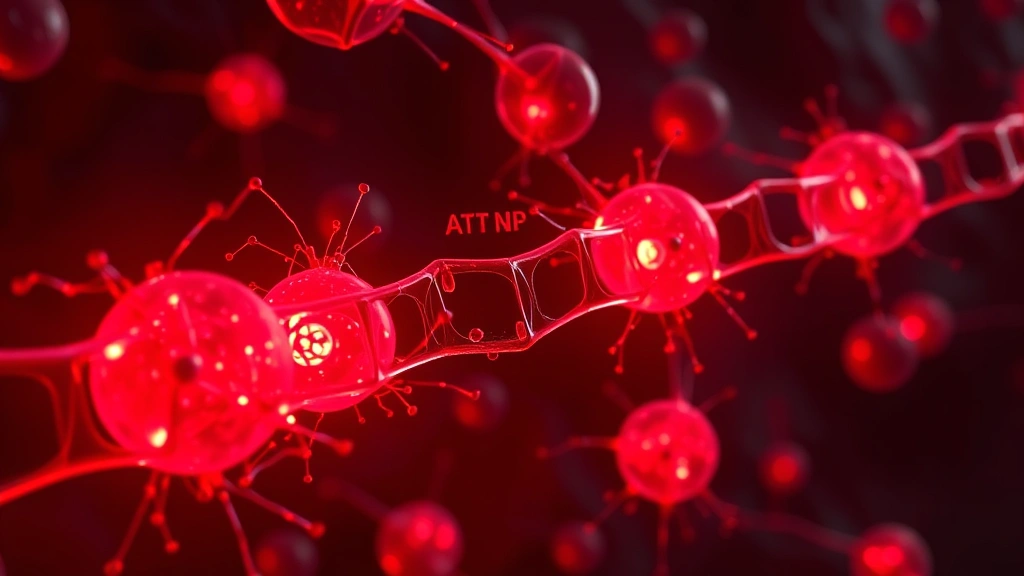
Red light therapy functions through a mechanism called photobiomodulation, where photons at specific wavelengths interact with chromophores in cellular mitochondria. The primary target is cytochrome c oxidase, a critical enzyme in the electron transport chain responsible for ATP (adenosine triphosphate) production. When red and near-infrared light photons (typically 600-1100 nanometers) reach these mitochondria, they stimulate electron transfer, increasing ATP synthesis and cellular energy production.
This enhanced cellular energy has cascading effects throughout the body. Increased ATP availability improves cellular repair mechanisms, reduces oxidative stress, and enhances mitochondrial function—all processes that support better sleep architecture. The light stimulates the production of reactive oxygen species (ROS) at controlled levels, triggering antioxidant defense systems and reducing systemic inflammation. Sleep quality depends significantly on the body’s ability to manage inflammatory responses, making this mechanism particularly relevant for sleep disorders.
Beyond mitochondrial effects, red light therapy influences neurotransmitter production and hormonal balance. Studies show that red light exposure can increase serotonin production in the brain, which serves as a precursor to melatonin synthesis. This pathway becomes especially important in the evening when the body naturally prepares for sleep. The wavelength specificity matters considerably—wavelengths below 500 nanometers (blue light) suppress melatonin, while red wavelengths around 630 nanometers appear neutral or potentially supportive of melatonin production depending on timing and intensity.
The Circadian Rhythm Connection
The circadian rhythm represents the body’s internal 24-hour biological clock, governing sleep-wake cycles, hormone release, body temperature, and numerous metabolic processes. Light exposure serves as the primary zeitgeber (time-keeper) that synchronizes this internal clock to the external environment. Understanding red light therapy’s sleep benefits requires examining how it interacts with circadian physiology rather than treating it as a simple sedative.
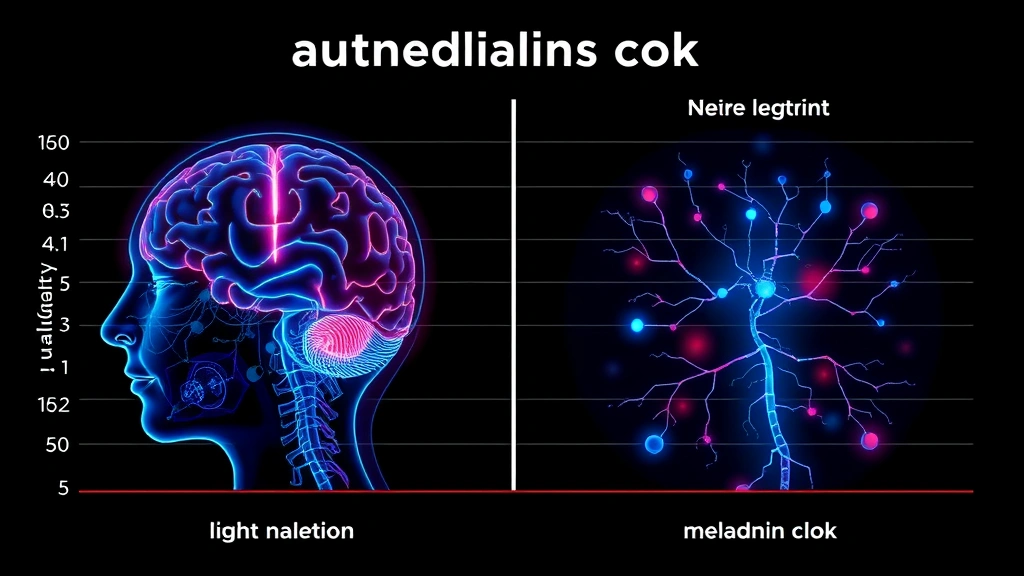
Intrinsically photosensitive retinal ganglion cells (ipRGCs) containing melanopsin represent the key sensory mechanism for circadian photoentrainment. These cells demonstrate peak sensitivity to blue light wavelengths around 460-480 nanometers, which explains why evening blue light exposure disrupts sleep. Red light wavelengths around 630 nanometers stimulate these melanopsin-containing cells far less effectively, meaning red light exposure poses minimal risk of circadian disruption. This characteristic makes red light therapy particularly suitable for evening use without triggering alertness signals that interfere with sleep onset.
The timing of red light exposure relative to the sleep-wake cycle proves critical. Morning red light therapy may help strengthen circadian amplitude and improve sleep consolidation at night, while evening red light doesn’t suppress melatonin production like blue light exposure does. Research published through the National Center for Biotechnology Information demonstrates that consistent red light exposure at appropriate times can resynchronize disrupted circadian rhythms, particularly beneficial for shift workers and individuals with delayed sleep phase syndrome.
Red light therapy’s circadian benefits extend beyond simple wavelength avoidance of melanopsin stimulation. The enhanced ATP production and reduced inflammation from photobiomodulation support overall circadian system function. The suprachiasmatic nucleus (SCN)—the brain’s master clock—contains metabolically active neurons requiring optimal mitochondrial function. By improving cellular energy production throughout the nervous system, red light therapy indirectly strengthens circadian rhythm stability and sleep-wake cycle regularity.
Scientific Evidence on Sleep Improvement
Clinical research examining red light therapy’s effects on sleep has produced increasingly promising results, though the field remains relatively young compared to pharmaceutical sleep interventions. A landmark study published in Journal of Athletic Training found that athletes receiving red light therapy (660 nanometers) showed significant improvements in sleep quality and reduced recovery time. Participants reported deeper sleep stages and less fragmented sleep architecture compared to control groups.
Research on circadian rhythm disorders reveals particularly strong evidence for red light therapy’s effectiveness. Studies of patients with seasonal affective disorder (SAD) and related sleep disturbances show that red light exposure improves both mood and sleep parameters. The mechanism appears to involve enhanced serotonin production during daylight exposure, supporting better nighttime melatonin synthesis. These findings align with established light therapy protocols already used clinically for circadian disorders.
A systematic review examining photobiomodulation effects across multiple sleep metrics identified consistent improvements in sleep latency (time to fall asleep), sleep duration, and sleep efficiency (percentage of time in bed spent sleeping). Participants using red light therapy reported fewer nighttime awakenings and improved subjective sleep quality. The research suggests that benefits typically emerge after 2-4 weeks of consistent use, with optimal effects observed at wavelengths between 600-700 nanometers and appropriate intensities.
Mechanistic studies exploring red light therapy’s effects on melatonin production show mixed but generally supportive results. While direct melatonin elevation doesn’t occur acutely from red light exposure alone, indirect pathways through serotonin enhancement and circadian strengthening support improved melatonin production timing and amplitude. Research from sleep medicine organizations indicates that red light therapy works best as part of a comprehensive sleep hygiene program rather than as a standalone intervention.
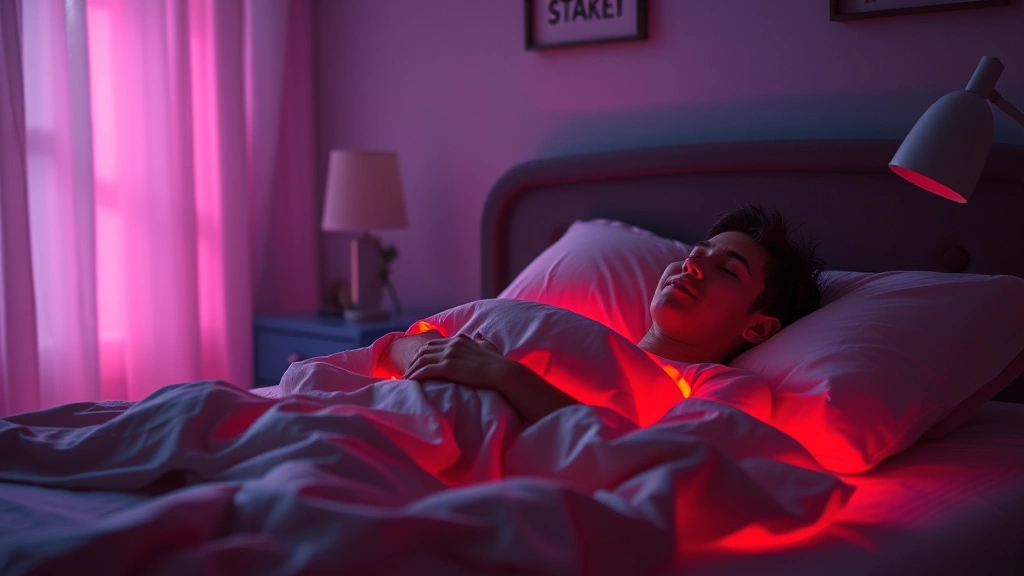
Evidence for red light therapy blanket specifically shows promise for individuals seeking convenient, wearable solutions. The advantage of blanket-based delivery lies in consistent, extended exposure and ease of use. However, research comparing blanket efficacy to other red light delivery methods remains limited, making direct comparisons difficult. The key appears to be achieving appropriate wavelength, intensity, and duration rather than the specific device format.
Red Light Therapy Blankets vs. Other Devices
Red light therapy blankets represent one of several delivery methods for photobiomodulation, each offering distinct advantages and limitations. Understanding these differences helps individuals select the most appropriate option for their specific sleep concerns and lifestyle.
Red light therapy blankets provide several practical advantages for sleep applications. The extended surface area allows whole-body or near-whole-body exposure, potentially maximizing photobiomodulation effects across multiple tissues. The blanket format integrates naturally into bedtime routines—individuals can use them while reading, relaxing, or preparing for sleep. This convenience factor may improve compliance compared to devices requiring dedicated treatment sessions. The warmth generated by some blankets may provide additional relaxation benefits, though heat alone doesn’t explain the therapeutic effects.
Light therapy panels and wand devices offer more concentrated, higher-intensity exposure with precise wavelength control. These devices typically deliver more photons per unit area than blankets, potentially requiring shorter treatment duration. Research on sleep improvement often uses these concentrated light sources, making direct evidence stronger for panel-based approaches. However, they require dedicated time away from normal activities and may not integrate as seamlessly into evening routines.
Wearable red light therapy devices like caps and headbands target specific areas, particularly useful for individuals seeking localized effects or preferring minimal time commitment. These devices excel for portable use and consistent positioning relative to the head and eyes. Some incorporate additional features like adjustable wavelengths or programmable protocols matching research-backed parameters.
Combination approaches may offer optimal benefits. Morning exposure to bright light therapy combined with evening red light therapy addresses both circadian entrainment and sleep-promoting mechanisms. This strategy aligns with how comprehensive therapy resources often recommend multimodal approaches for sleep disorders. The specific choice depends on individual preferences, budget considerations, and whether treating general sleep quality or specific sleep disorders.
Optimal Timing and Duration for Sleep Benefits
Maximizing red light therapy’s sleep benefits requires strategic timing aligned with circadian physiology rather than random or continuous exposure. The timing question involves competing considerations: morning light exposure strengthens circadian rhythm amplitude, while evening red light won’t suppress melatonin like blue light does.
Research suggests morning red light exposure (within 1-2 hours of waking) provides the strongest circadian benefits. This timing reinforces the natural circadian phase advance, strengthening the contrast between daytime alertness and nighttime sleepiness. Morning exposure appears particularly beneficial for individuals with delayed sleep phase syndrome or those struggling with morning grogginess. Typical protocols recommend 15-30 minutes of morning exposure to achieve measurable circadian effects.
Evening red light therapy timing depends on individual sleep onset times and sensitivity. Unlike blue light, red light doesn’t substantially suppress melatonin production, making evening use relatively safe. However, optimal timing likely involves the 1-2 hours before desired sleep onset, allowing the circadian and metabolic benefits to support sleep preparation without requiring immediate sleep after exposure. Evening exposure should continue red light wavelengths (630-700 nanometers) rather than shorter wavelengths that might trigger alertness.
Duration recommendations vary based on device intensity and individual factors. High-intensity panels may require only 10-20 minutes daily, while lower-intensity blankets might benefit from 30-60 minutes. Most research protocols use 20-30 minute sessions, suggesting this duration balances efficacy with practical adherence. Daily consistency appears more important than extended single sessions—consistent daily exposure for 2-4 weeks typically precedes noticeable sleep improvements.
Intensity considerations involve balancing effectiveness with safety and comfort. Red light devices typically operate at 1-100 mW/cm² depending on design. Clinical studies showing sleep benefits generally used intensities between 10-50 mW/cm², though optimal ranges may vary individually. Individuals should follow device-specific recommendations and gradually increase exposure rather than starting at maximum intensity.
Comparing Therapy Options for Sleep Issues
When considering red light therapy for sleep, understanding how it compares to other available treatments helps inform decision-making. Sleep issues have multiple potential causes—circadian disruption, anxiety, pain, underlying medical conditions—and different treatments address different mechanisms.
Pharmaceutical sleep aids like benzodiazepines and non-benzodiazepine hypnotics work through central nervous system depression, effectively inducing sleep but potentially causing dependency and morning grogginess. Cognitive behavioral therapy for insomnia (CBT-I) addresses maladaptive sleep thoughts and behaviors, showing excellent long-term efficacy but requiring professional guidance and time investment. Red light therapy offers a non-invasive, non-pharmacological alternative addressing circadian and cellular mechanisms without the dependency risks of medications.
Compared to standard light therapy boxes used for seasonal affective disorder, red light therapy avoids the potential for overstimulation or manic episodes in bipolar individuals while still providing circadian benefits. The reduced melanopsin stimulation makes red light safer for evening use than broad-spectrum light therapy.
Physical therapy approaches may complement red light therapy, particularly for individuals whose sleep disruption results from pain or movement disorders. Physical therapy interventions addressing musculoskeletal issues may improve sleep indirectly by reducing pain-related awakenings. Red light therapy’s anti-inflammatory and pain-reducing properties may enhance these benefits.
Melatonin supplementation directly addresses low melatonin production, while red light therapy supports the body’s natural melatonin synthesis through multiple pathways. Some individuals may benefit from combining approaches—melatonin supplementation for immediate effects while red light therapy builds lasting circadian improvements. However, combining treatments should follow professional guidance to avoid redundancy or interference.
The evidence suggests red light therapy works best integrated into comprehensive sleep programs including proper sleep hygiene, consistent sleep schedules, stress management, and when necessary, professional sleep medicine evaluation. Understanding therapy costs helps individuals make informed decisions about combining multiple treatment approaches.
Potential Risks and Contraindications
Red light therapy’s safety profile generally appears excellent, with most individuals tolerating treatment well. However, understanding potential risks and contraindications ensures appropriate use and maximizes benefits while minimizing harm.
Direct eye exposure to intense red light, particularly from concentrated light sources, may cause temporary visual discomfort or afterimages. While red wavelengths pose less risk than blue light for photoreceptor damage, excessive intensity directed at the eyes should be avoided. Most red light therapy devices include safety features preventing direct eye exposure, and users should follow manufacturer guidelines regarding safe usage patterns.
Photosensitizing medications including certain antibiotics, NSAIDs, and some psychiatric medications can increase light sensitivity. Individuals taking these medications should consult healthcare providers before starting red light therapy. Similarly, individuals with light-sensitive conditions like porphyria or photosensitive epilepsy require medical clearance before treatment.
Heat-related contraindications apply to red light therapy blankets specifically. Individuals with heat sensitivity, those prone to overheating conditions, or pregnant individuals should exercise caution with heat-generating devices. Some blankets offer non-heated options addressing this concern. Individuals with fever or active inflammation may experience discomfort with intensive red light exposure until acute conditions resolve.
Thyroid considerations warrant mention, as some online sources suggest red light therapy near the thyroid may cause effects. However, current evidence doesn’t support significant thyroid effects from red light therapy at therapeutic doses. Individuals with thyroid conditions should monitor their response and consult endocrinologists if concerned.
Skin reactions remain rare but possible, particularly with very high intensity or prolonged exposure. Some individuals report mild temporary redness or warmth, which typically resolves quickly. Starting with lower intensity and shorter duration allows individual tolerance assessment. Individuals with photosensitive skin conditions should seek dermatologic guidance before treatment.
The most common issue involves unrealistic expectations. Red light therapy supports sleep improvement through physiological mechanisms but doesn’t work like sedative medications. Results typically emerge gradually over weeks rather than immediately. Individuals expecting instant sleep transformation may experience disappointment despite genuine therapeutic benefit occurring.
FAQ
How long does red light therapy take to improve sleep?
Most individuals notice sleep improvements after 2-4 weeks of consistent daily use. Some experience benefits within 1-2 weeks, while others require 6-8 weeks. Consistency matters more than intensity—daily exposure produces better results than sporadic treatment. The circadian system adapts gradually to light exposure patterns, explaining the delayed response compared to pharmaceutical interventions.
Can I use red light therapy blankets every night?
Yes, red light therapy blankets are designed for regular use and can be used nightly without safety concerns for most individuals. Daily consistent exposure typically produces better sleep outcomes than intermittent use. However, individuals should monitor their response and adjust usage if experiencing any discomfort. Some individuals may benefit from cycling between daily use and occasional use once sleep improvements stabilize.
What wavelength is best for sleep improvement?
Red light wavelengths between 600-700 nanometers show the strongest evidence for sleep benefits, with particular focus on 630 nanometers. Near-infrared wavelengths (700-1100 nanometers) also provide benefits but penetrate deeper into tissue rather than affecting circadian systems directly. Combination devices offering both red and near-infrared may provide comprehensive benefits.
Is red light therapy safe for everyone?
Red light therapy is generally safe for most people, but certain groups require medical clearance including individuals taking photosensitizing medications, those with light-sensitive conditions, and individuals with thyroid disorders. Pregnant individuals should consult healthcare providers before using heated red light blankets. Starting with lower intensity allows individual tolerance assessment.
Does red light therapy work better than melatonin for sleep?
Red light therapy and melatonin work through different mechanisms and may complement each other. Melatonin provides more immediate effects on sleep onset, while red light therapy builds lasting circadian improvements. Some individuals benefit from combining both approaches. The optimal choice depends on individual factors including the underlying cause of sleep disruption and personal preferences regarding supplementation.
Can red light therapy help with shift work sleep disorder?
Red light therapy shows particular promise for shift workers and others with circadian rhythm disruptions. Strategic timing of red light exposure can help resynchronize disrupted circadian rhythms. Morning exposure on days transitioning to night shifts and evening exposure on days returning to regular schedules may help smooth the adjustment. However, comprehensive shift work sleep management typically requires multiple interventions beyond red light therapy alone.
How does red light therapy compare to other light therapies?
Red light therapy differs from bright light therapy boxes used for seasonal affective disorder in wavelength and timing flexibility. Bright light therapy stimulates melanopsin-containing cells powerfully, promoting alertness and circadian phase shifting—beneficial for morning use but potentially disruptive for evening use. Red light therapy’s minimal melanopsin stimulation makes it suitable for evening use without disrupting sleep preparation. Both can complement comprehensive sleep management strategies.