Is Light Therapy Effective? Experts Weigh In
Light therapy has emerged as one of the most promising non-pharmaceutical interventions in modern medicine, with growing scientific evidence supporting its effectiveness for various health conditions. From seasonal affective disorder to skin rejuvenation and pain management, red and blue light therapy has captured the attention of researchers, clinicians, and health-conscious individuals alike. But does the science actually back up the hype, or is this another wellness trend destined to fade away?
The answer is nuanced. While light therapy shows remarkable potential in clinical settings, its effectiveness depends heavily on the specific wavelengths used, treatment duration, intensity, and individual factors. This comprehensive guide examines what experts say about light therapy, breaking down the evidence for different applications and helping you understand whether this treatment might benefit you.
How Light Therapy Works: The Science Behind the Glow
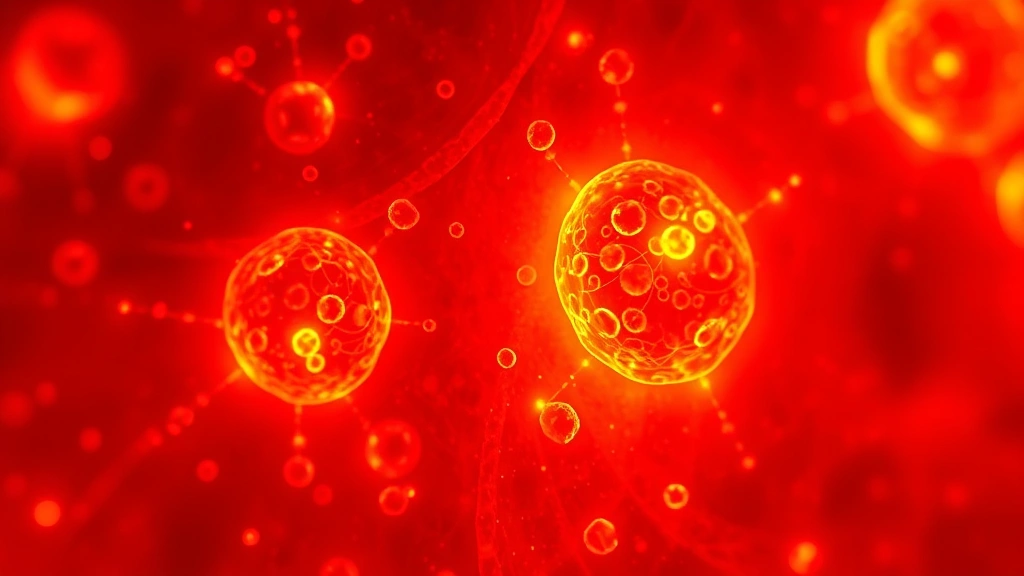
Light therapy operates on a fascinating biological principle: different wavelengths of light penetrate human tissue at varying depths and trigger distinct physiological responses. The visible light spectrum ranges from approximately 380 nanometers (violet) to 700 nanometers (red), with infrared light extending beyond the visible range. When light enters the body, it interacts with chromophores—light-absorbing molecules within our cells—initiating a cascade of biochemical reactions.
The primary mechanism involves mitochondrial function. Red and blue light therapy wavelengths, particularly in the 600-1000 nanometer range, penetrate the skin and reach mitochondria, where they stimulate cytochrome c oxidase, an enzyme critical to the electron transport chain. This stimulation increases adenosine triphosphate (ATP) production, the energy currency of cells. Enhanced ATP availability improves cellular repair, reduces inflammation, and promotes healing at the molecular level.
According to peer-reviewed research published in PubMed, this process, known as photobiomodulation, doesn’t generate heat like traditional infrared therapy. Instead, it creates a photochemical effect that optimizes cellular function. Different wavelengths produce different effects: red light (600-700nm) tends to work in superficial tissues, while near-infrared light (700-1100nm) penetrates deeper into muscles, bones, and organs.
Red Light Therapy: Benefits and Research Evidence
Red light therapy has become increasingly popular, with proponents claiming benefits ranging from anti-aging to athletic performance enhancement. The scientific evidence supporting these claims is surprisingly robust, though researchers emphasize the importance of proper dosing and consistency. When exploring red and blue light therapy options, it’s essential to understand what red light specifically targets.
Red light wavelengths (typically 620-700 nanometers) are particularly effective for skin health applications. Studies demonstrate that red light therapy stimulates collagen production, increases blood flow to treated areas, and reduces the appearance of fine lines and wrinkles. A landmark study from the Journal of Cosmetic and Laser Therapy found that participants using red light therapy showed significant improvements in skin texture and elasticity after 12 weeks of consistent treatment.
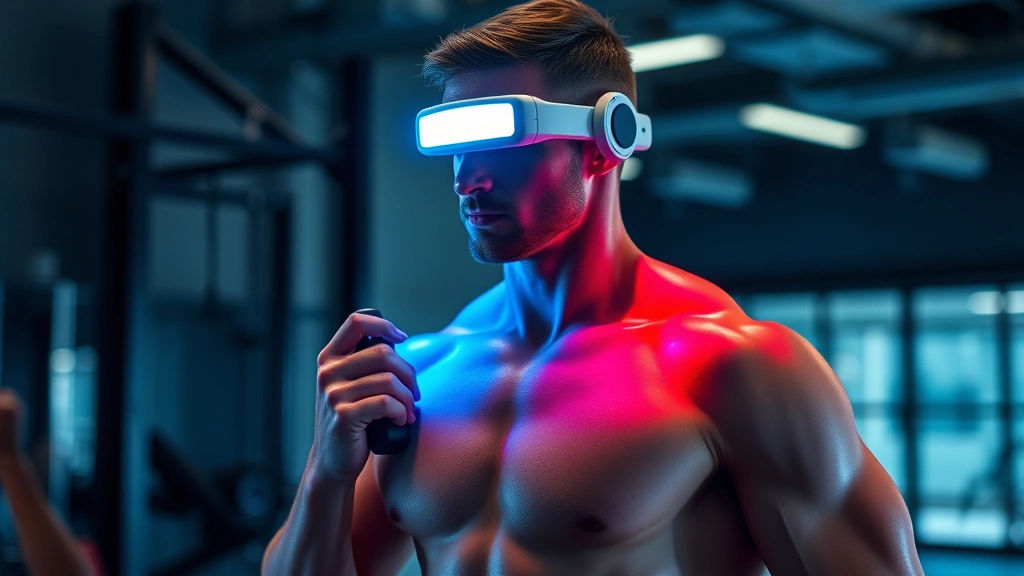
Beyond aesthetics, red light therapy shows promise for wound healing and tissue repair. Research indicates that red light accelerates the healing process by promoting fibroblast activity—cells responsible for collagen synthesis. Athletes and fitness enthusiasts have adopted red light therapy for muscle recovery, with some evidence suggesting it may reduce exercise-induced muscle damage and enhance performance recovery times. However, experts caution that while results are encouraging, more large-scale clinical trials are needed to establish optimal protocols.
The mechanism extends to pain relief as well. Red light’s ability to reduce inflammation and improve circulation makes it a potential therapeutic tool for chronic pain conditions. Many physical therapy treatment approaches now incorporate red light therapy alongside traditional interventions, recognizing its complementary benefits.
Blue Light Therapy: Applications and Effectiveness
While red light dominates wellness conversations, blue light therapy occupies a critical niche in clinical medicine, particularly dermatology and psychiatry. Blue light wavelengths (typically 400-495 nanometers) have a shorter wavelength than red light, limiting their tissue penetration but enabling specific biological effects.
The most established clinical application for blue light therapy is treating acne. The American Academy of Dermatology recognizes blue light as an effective treatment for mild to moderate acne vulgaris. Blue light kills acne-causing bacteria (Propionibacterium acnes) by generating reactive oxygen species that damage bacterial cell walls. Clinical trials demonstrate that blue light therapy can reduce acne lesions by 60-80% over 8-12 weeks, often without the side effects associated with topical antibiotics or isotretinoin.
Beyond acne, blue light shows potential for seasonal mood disorders and circadian rhythm regulation. The human eye contains intrinsically photosensitive retinal ganglion cells that respond strongly to blue wavelengths (around 480 nanometers). These cells regulate circadian rhythms by communicating with the suprachiasmatic nucleus, the brain’s master clock. This mechanism explains why morning blue light exposure can help reset sleep-wake cycles and why evening blue light exposure can disrupt sleep.
Some researchers propose that therapeutic blue light exposure might help regulate mood in individuals with seasonal affective disorder, though the evidence is less robust than for red light’s effects on physical healing. The key distinction is that blue light therapy’s benefits often relate to circadian and neurological effects rather than cellular energy production.
Seasonal Affective Disorder and Light Therapy
Seasonal affective disorder (SAD) represents one of light therapy’s most evidence-based applications. This condition affects millions of individuals, particularly in northern latitudes where winter daylight is severely limited. The standard treatment involves light boxes emitting 10,000 lux of bright white light, which typically contains significant blue wavelength components.
Expert consensus, supported by the American Psychiatric Association, recognizes light therapy as a first-line treatment for SAD. The mechanism involves resetting disrupted circadian rhythms and potentially increasing serotonin production. Patients typically use light boxes for 20-30 minutes each morning, with most experiencing mood improvement within 3-7 days of consistent use.
The effectiveness rates are impressive: approximately 60-80% of SAD patients respond positively to light therapy, often showing significant symptom reduction. This makes light therapy comparable to antidepressant medications for seasonal mood disorders, with fewer side effects. Experts emphasize that timing matters—morning exposure is crucial, as evening light therapy can worsen sleep disruption.
Understanding the relationship between light exposure and mental health has also influenced how therapy resources and treatment approaches are designed for seasonal conditions. Modern mental health practitioners increasingly integrate light therapy into comprehensive treatment plans.
Skin Health and Photobiomodulation
The skin represents light therapy’s most visible battleground, with both red and blue wavelengths offering distinct benefits. Photobiomodulation—the non-thermal interaction between light and biological tissue—has revolutionized dermatological approaches to aging, inflammation, and healing.
Red light therapy’s effects on skin involve multiple mechanisms. It increases blood flow, delivering more oxygen and nutrients to skin cells. It stimulates fibroblasts to produce collagen and elastin, the structural proteins responsible for skin firmness and elasticity. It also reduces inflammatory markers, making it valuable for conditions like rosacea and psoriasis. Dermatologists increasingly offer red light therapy as a non-invasive anti-aging option, sometimes combined with other treatments like microneedling or chemical peels.
The research landscape shows consistent improvements in skin quality metrics. Studies measuring skin elasticity, hydration, and wrinkle depth have demonstrated statistically significant improvements following red light therapy. A systematic review published in clinical dermatology journals found that most studies reported positive outcomes, though effect sizes varied based on treatment parameters.
Blue light therapy’s role in acne treatment deserves particular emphasis. Unlike topical treatments that may cause irritation or systemic medications with potential side effects, blue light therapy offers a localized, non-invasive option. The antibacterial mechanism is so effective that some dermatologists recommend blue light as a first-line treatment before considering pharmaceutical interventions.
However, experts caution against overestimating light therapy’s skin benefits. Results develop gradually, typically requiring 8-12 weeks of consistent treatment. Expectations matter—light therapy enhances skin health but doesn’t produce dramatic transformations comparable to surgical procedures. Most dermatologists view light therapy as an excellent maintenance tool and preventive approach rather than a treatment for severe skin damage.
Pain Management and Muscle Recovery
Athletes and individuals with chronic pain conditions have embraced red and near-infrared light therapy, with emerging scientific support for these applications. The mechanism involves reduced inflammation, improved mitochondrial function, and enhanced blood flow—all factors that contribute to pain relief and faster recovery.
Research in sports medicine demonstrates that light therapy may reduce delayed-onset muscle soreness (DOMS) and accelerate recovery from intense exercise. Some studies show improved strength recovery and reduced muscle damage markers following light therapy treatment. Professional sports teams and elite athletes have integrated light therapy devices into their recovery protocols, suggesting practical benefits even if the mechanisms aren’t completely understood.
For chronic pain conditions like fibromyalgia, arthritis, and myofascial pain syndrome, light therapy offers a non-pharmacological option that complements traditional pain management. The anti-inflammatory effects appear particularly valuable for individuals seeking to reduce reliance on pain medications. However, experts emphasize that light therapy works best as part of comprehensive pain management strategies, not as a standalone solution.
The connection to broader therapeutic approaches is important. Many therapy cost considerations now include light therapy as a potentially valuable investment, particularly for chronic conditions where traditional treatments have limited effectiveness or significant side effects.
Safety Considerations and Potential Risks
Despite light therapy’s generally favorable safety profile, experts emphasize the importance of understanding potential risks and contraindications. While serious adverse effects are rare, improper use can cause problems.
Eye safety represents the primary concern, particularly with devices using high-intensity light. Prolonged direct exposure to certain wavelengths, especially blue light at high intensities, can potentially damage retinal tissue. Experts recommend never staring directly into light therapy devices and using appropriate eye protection when treating facial areas. Individuals with photosensitivity conditions or taking photosensitizing medications should consult healthcare providers before beginning light therapy.
Some people experience mild side effects including headaches, eye strain, or temporary mood elevation that can interfere with sleep if treatment occurs in the evening. These effects are typically transient and resolve with dose adjustment or timing modifications. However, individuals with bipolar disorder should use light therapy cautiously, as excessive stimulation can potentially trigger manic episodes—a concern that warrants medical supervision.
Skin sensitivity varies among individuals. While light therapy is generally well-tolerated, some people with very sensitive skin may experience temporary redness or irritation. Starting with shorter treatment durations and gradually increasing exposure helps minimize these reactions.
Device quality matters significantly. Low-quality devices may emit inaccurate wavelengths or intensities, reducing effectiveness or potentially causing harm. Experts recommend purchasing from reputable manufacturers with published specifications and third-party testing documentation.
Choosing the Right Light Therapy Device
The market offers countless light therapy devices, ranging from inexpensive consumer products to professional-grade equipment. Selecting an appropriate device requires understanding your specific needs and evaluating device specifications.
For seasonal affective disorder, light boxes should emit at least 10,000 lux and contain predominantly white light with blue wavelength components. Positioning the light box approximately 16-24 inches from your face at a slight downward angle optimizes effectiveness while protecting eyes. Established manufacturers like Philips, Carex, and Day-Light produce devices with extensive clinical validation.
For skin applications, red light therapy devices vary widely in wavelength (typically 600-700nm) and intensity. Professional devices used in dermatology clinics deliver higher power densities than consumer versions. If considering home use, prioritize devices with published wavelength specifications and clinical evidence supporting their efficacy for your intended application.
Muscle recovery and pain management applications typically utilize red or near-infrared light devices, often in panel or wearable formats. These devices range from small handheld units to full-body panels. Effectiveness depends on wavelength accuracy, power output, and treatment duration. Research-backed devices from manufacturers like Joovv, Theralight, and BioPhotas offer varying price points and specifications.
Regardless of device type, experts recommend prioritizing:
- Published specifications—wavelength range, power density, and intensity measurements
- Clinical evidence—peer-reviewed studies supporting the device’s effectiveness
- Safety certifications—FDA clearance or equivalent regulatory approval
- User reviews—real-world experiences from individuals with similar goals
- Warranty and customer support—protection against defective devices
Budget considerations are important. Effective light therapy doesn’t require the most expensive device. Many mid-range products offer excellent performance at reasonable prices. However, extremely cheap devices often sacrifice wavelength accuracy and power output, potentially reducing effectiveness.
FAQ
How long does light therapy take to work?
Timeline varies by application. For seasonal affective disorder, many people notice mood improvement within 3-7 days of consistent morning light exposure. Skin and pain applications typically require 8-12 weeks of regular treatment before noticeable improvements appear. Consistency matters more than intensity—daily use produces better results than sporadic treatments.
Can light therapy replace medication?
Light therapy can be an effective standalone treatment for some conditions, particularly seasonal affective disorder. However, it shouldn’t replace prescribed medications without medical consultation. Many individuals benefit most from combining light therapy with other treatments as part of a comprehensive approach. Always discuss potential medication changes with your healthcare provider.
Is light therapy safe for all skin types?
Light therapy is generally safe for all skin types, though individual responses vary. People with darker skin tones may require longer treatment durations to achieve similar effects, as melanin absorbs some light energy. Those with photosensitivity conditions or taking photosensitizing medications should consult healthcare providers before starting treatment.
What’s the difference between red and blue light therapy?
Red light (600-700nm) penetrates tissues more deeply and primarily supports cellular energy production, healing, and collagen synthesis. Blue light (400-495nm) has shorter wavelengths with more superficial penetration but effectively kills acne bacteria and helps regulate circadian rhythms. Many devices combine both wavelengths for broader benefits.
How much does light therapy cost?
Cost varies widely depending on device type and quality. SAD light boxes range from $30-$200. Red light therapy panels for home use typically cost $100-$500, with professional-grade devices exceeding $1,000. Understanding how much therapy typically costs helps contextualize light therapy’s affordability compared to other treatment options.
Can I use light therapy while pregnant?
Light therapy is generally considered safe during pregnancy, particularly for seasonal affective disorder. However, pregnant individuals should consult their healthcare providers before beginning any new treatment, including light therapy, to ensure it’s appropriate for their specific situation.
Does light therapy work for everyone?
While light therapy is effective for many people, individual responses vary. Approximately 60-80% of people with seasonal affective disorder respond positively, but some don’t experience significant benefits. Factors including genetics, underlying health conditions, and treatment consistency influence outcomes. If light therapy doesn’t help after consistent use, discuss alternative approaches with your healthcare provider.
Are there any drug interactions with light therapy?
Light therapy itself doesn’t interact with medications in the traditional sense. However, some medications increase photosensitivity, potentially making light therapy less safe. Medications like certain antibiotics, NSAIDs, and psychiatric drugs can increase sensitivity. Always inform healthcare providers about light therapy plans if taking medications.