How Does Light Therapy Affect Mood? Experts Explain
Light therapy has emerged as one of the most compelling non-pharmaceutical interventions for mood regulation in recent years. By harnessing specific wavelengths of light—particularly red and blue light therapy—researchers have discovered mechanisms that directly influence our emotional well-being, circadian rhythms, and neurochemical balance. Whether you’re struggling with seasonal affective disorder, depression, or simply want to optimize your mental health, understanding how light therapy works can be transformative.
The science behind light therapy is rooted in decades of rigorous research demonstrating that our eyes and skin contain photoreceptors sensitive to different light wavelengths. When these receptors are stimulated appropriately, they trigger cascading physiological responses that affect serotonin production, melatonin regulation, and overall mood stability. This article explores the evidence-based mechanisms, expert insights, and practical applications of light therapy for mental health.
Understanding Light Therapy and Mood Regulation
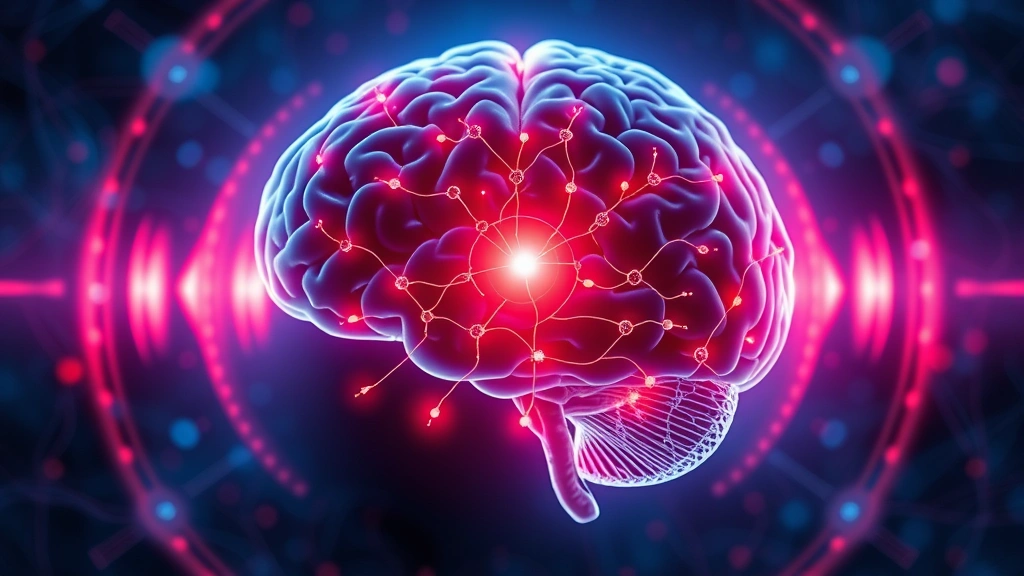
Light therapy operates on a fundamental principle: light exposure influences our brain chemistry through specific neural pathways. When light enters the eye, it doesn’t just enable vision—it activates specialized cells called intrinsically photosensitive retinal ganglion cells (ipRGCs) that contain melanopsin, a photopigment sensitive to blue wavelengths around 460-480 nanometers.
These cells connect directly to the suprachiasmatic nucleus (SCN), the brain’s master clock, which orchestrates circadian rhythms and hormonal cycles. The SCN communicates with the pineal gland to regulate melatonin production, affecting sleep-wake cycles that profoundly impact mood. Additionally, light exposure influences the production of serotonin, often called the “happiness hormone,” which plays a crucial role in mood regulation, anxiety reduction, and overall emotional well-being.
Research from the National Institutes of Health demonstrates that light therapy can increase serotonin levels by up to 20-30% in individuals with mood disorders. The timing, intensity, and wavelength of light exposure all contribute to these effects, making it essential to understand how different colors of light interact with our biology.
When exploring therapeutic options, many people consider how therapy cost factors into their treatment decisions. Light therapy offers a relatively affordable alternative or complementary approach to traditional mental health interventions.
Red Light Therapy: Benefits and Mechanisms
Red light therapy, typically operating in the 600-700 nanometer wavelength range, has garnered significant attention for its mood-enhancing properties. Unlike blue light, which primarily affects circadian rhythms through melanopsin activation, red light works through different mechanisms involving mitochondrial function and cellular energy production.
Red light penetrates deeper into tissue than blue light, reaching mitochondria where it stimulates cytochrome c oxidase in the electron transport chain. This process enhances ATP (adenosine triphosphate) production, the cellular energy currency. Enhanced mitochondrial function translates to improved brain function, reduced neuroinflammation, and better mood regulation. Studies have shown that red light therapy can:
- Increase cerebral blood flow and oxygenation to mood-regulating brain regions
- Reduce inflammation in the brain associated with depression and anxiety
- Enhance neuroplasticity, the brain’s ability to form new neural connections
- Improve sleep quality by supporting natural melatonin production
- Decrease oxidative stress in neuronal tissue
A comprehensive review published in Frontiers in Neuroscience found that red light therapy showed promise for treating depression, with effect sizes comparable to some antidepressant medications in certain populations. The therapeutic benefits appear particularly pronounced when combining red light with red light therapy near me sessions, ensuring consistent, professionally-administered treatment.
For those interested in how light therapy complements other therapeutic approaches, understanding the broader field of occupational therapy jobs and treatment modalities provides valuable context for comprehensive mental health care.
Blue Light Therapy: Applications and Considerations
Blue light therapy operates through distinctly different mechanisms than red light, primarily by entraining circadian rhythms and suppressing melatonin production during daytime hours. This makes blue light particularly effective for addressing seasonal affective disorder (SAD) and circadian rhythm disorders that manifest as mood disturbances.
The ipRGCs containing melanopsin show peak sensitivity to blue light around 460-480 nanometers. When these cells are activated, they send powerful signals to the SCN, essentially telling the brain “it’s daytime.” This signal suppresses melatonin production, increases alertness, and promotes serotonin synthesis. For individuals with SAD—a condition affecting millions during winter months when natural light exposure decreases—blue light therapy can be remarkably effective.
Clinical trials have demonstrated that blue light therapy:
- Reduces depressive symptoms in 50-80% of SAD patients within 3-7 days of treatment
- Improves mood and energy levels comparable to antidepressant medications
- Enhances cognitive function and alertness during treatment sessions
- Helps reset disrupted circadian rhythms in shift workers and night owls
- Supports better sleep quality when administered at appropriate times
However, blue light requires careful timing. Evening exposure can suppress melatonin production when you’re trying to sleep, potentially worsening mood and sleep quality. This is why light therapy protocols typically recommend morning exposure, ideally within 30 minutes of waking.
Research from the American Journal of Psychiatry indicates that blue light therapy produces results comparable to pharmacological interventions, with remission rates reaching 60-70% in SAD populations when administered properly.
Circadian Rhythms and Light Exposure
Our circadian rhythm—the 24-hour biological cycle governing sleep, hormone production, and mood—represents one of the most fundamental aspects of human physiology. Light serves as the primary zeitgeber (time-giver) that synchronizes our internal clock to the external environment. When circadian rhythms become disrupted, mood disorders frequently follow.
Disrupted circadian rhythms correlate with:
- Depression and bipolar disorder manifestations
- Anxiety disorders and panic attacks
- Sleep disturbances that perpetuate mood problems
- Cognitive impairment and reduced emotional regulation
- Hormonal imbalances affecting emotional stability
Light therapy realigns circadian rhythms by providing appropriately-timed light signals that reset the SCN. Morning light exposure tells your brain to increase cortisol and serotonin production, promoting alertness and mood elevation throughout the day. Evening darkness allows melatonin production to increase naturally, supporting restorative sleep essential for emotional well-being.
For individuals working irregular schedules or traveling across time zones, strategic light exposure can prevent the mood disturbances commonly associated with circadian disruption. This principle applies across various therapeutic contexts, from traditional mental health treatment to specialized fields like physical therapy treatment for cerebral palsy, where circadian-supported sleep quality enhances overall recovery outcomes.
Clinical Evidence for Seasonal Affective Disorder
Seasonal affective disorder represents one of the most well-established applications for light therapy in treating mood disorders. This condition, affecting approximately 5% of the population with another 10-20% experiencing subsyndromal symptoms, develops when reduced winter sunlight disrupts circadian rhythms and serotonin production.
The gold standard for SAD treatment involves bright light therapy using 10,000 lux intensity light boxes administered for 20-30 minutes each morning. This protocol has demonstrated remarkable efficacy across multiple randomized controlled trials:
- Response rates of 60-90% within one week of starting treatment
- Remission of depressive symptoms in 50-70% of patients
- Sustained benefits throughout winter months with consistent use
- Minimal side effects compared to antidepressant medications
- Cost-effectiveness making it accessible to broader populations
Research published by the National Institute of Mental Health confirms that light therapy should be considered a first-line treatment for SAD, often preferred over medications due to rapid onset and safety profile.
Beyond SAD, emerging evidence suggests light therapy benefits other mood disorders. Studies examining bipolar depression, major depressive disorder, and anxiety disorders show promising results, though researchers emphasize the need for careful monitoring in bipolar populations where light therapy might trigger mood elevation.
Combining Light Therapy with Other Treatments
While light therapy demonstrates impressive standalone efficacy, combining it with other evidence-based treatments often produces superior outcomes. Integrated treatment approaches might include cognitive-behavioral therapy, medication management, exercise, and social support alongside light therapy.
Light therapy works synergistically with:
- Psychotherapy: Light therapy’s mood-elevating effects create a better neurochemical foundation for therapeutic work, enhancing emotional processing and behavioral change
- Medication: Light therapy can potentiate antidepressant effects, sometimes allowing lower medication doses with better tolerability
- Exercise: Both light exposure and physical activity increase serotonin and BDNF (brain-derived neurotrophic factor), creating additive mood benefits
- Sleep optimization: Light therapy improves sleep quality, which independently enhances mood and emotional regulation
- Nutritional support: Adequate vitamin D, omega-3 fatty acids, and other nutrients work alongside light therapy to support neurochemical balance
For those exploring comprehensive mental health approaches, understanding various therapeutic modalities—from traditional counseling to specialized fields like speech therapy near me for those with communication-related anxiety—provides a complete picture of available resources. Additionally, reviewing the MindLift Daily Blog offers insights into integrating multiple therapeutic approaches.
Expert clinicians increasingly recognize that mood disorders rarely respond to single-intervention approaches. Instead, personalized treatment plans addressing circadian rhythm optimization, neurochemical balance, cognitive patterns, behavioral activation, and social connection produce the most sustainable outcomes.
Practical Implementation and Safety
Implementing light therapy effectively requires understanding proper protocols, device selection, and safety considerations. Here’s what experts recommend:
Light Therapy Devices and Specifications:
- Intensity: Minimum 10,000 lux for SAD treatment; 2,500-5,000 lux for general mood support
- Duration: 20-30 minutes for high-intensity devices; longer for lower-intensity options
- Timing: Morning exposure (within 30 minutes of waking) for circadian rhythm entrainment
- Wavelength: Blue-enriched light (460-480 nm) for SAD; red light (600-700 nm) for cellular energy and inflammation
- Distance: Typically 16-24 inches from the eyes, angled downward to prevent direct retinal exposure
Safety Considerations:
While generally safe, light therapy warrants careful attention in specific populations. Individuals with bipolar disorder may experience mood elevation or rapid cycling with light exposure, requiring medical supervision. Those taking photosensitizing medications or with eye conditions like macular degeneration should consult healthcare providers before starting light therapy.
Common mild side effects include eye strain, headaches, or jitteriness, typically resolving within a few days as the body adjusts. Importantly, light therapy should not replace professional mental health treatment in severe depression or psychiatric emergencies.
Optimal implementation involves:
- Consulting a healthcare provider to rule out contraindications
- Selecting appropriate light therapy devices meeting therapeutic specifications
- Establishing consistent morning exposure routines
- Monitoring mood changes and adjusting duration/intensity as needed
- Combining light therapy with complementary lifestyle modifications
- Tracking seasonal patterns to anticipate and prevent mood changes
For those seeking professional guidance on integrating light therapy into comprehensive treatment plans, exploring career opportunities in mental health fields—such as those listed in occupational therapy jobs—highlights the growing recognition of holistic therapeutic approaches.
FAQ
How quickly does light therapy improve mood?
Most individuals with seasonal affective disorder experience noticeable mood improvement within 3-7 days of starting appropriate light therapy. For general mood support, benefits typically emerge within 1-2 weeks. However, individual responses vary based on baseline mood severity, circadian rhythm disruption degree, and consistent protocol adherence.
Can red and blue light therapy be combined?
Yes, combining red and blue light therapy can leverage benefits from both mechanisms—blue light’s circadian rhythm entrainment and serotonin enhancement alongside red light’s mitochondrial support and anti-inflammatory effects. Some modern light therapy devices incorporate both wavelengths. Timing matters: blue light in the morning for circadian reset, red light anytime for cellular energy support.
Is light therapy effective for non-seasonal depression?
Research increasingly supports light therapy for non-seasonal depression, though effects may be more modest than for SAD. Studies show 40-50% response rates in general depression populations compared to 60-80% in SAD. Light therapy appears particularly effective for depression characterized by low energy, poor sleep quality, or circadian rhythm disruption.
What’s the best time to use light therapy?
Morning exposure within 30 minutes of waking produces optimal circadian rhythm entrainment and mood benefits. Early morning use (6-9 AM) aligns with natural cortisol and serotonin production peaks, maximizing therapeutic effects. Evening light therapy can interfere with sleep, potentially worsening mood. Consistency matters more than perfect timing—establishing a daily routine produces better results than sporadic use.
Are light therapy devices expensive?
Quality light therapy devices range from $30-300 depending on specifications and brand. Professional-grade 10,000 lux light boxes typically cost $50-150, making light therapy relatively affordable compared to ongoing medication or therapy costs. Many insurance plans cover light therapy devices with medical necessity documentation.
Can light therapy replace antidepressant medication?
Light therapy can be an effective standalone treatment, particularly for SAD, but shouldn’t replace medication without medical guidance. For many individuals, combining light therapy with antidepressants produces superior outcomes than either approach alone. Anyone considering medication changes should consult their healthcare provider about integrating light therapy into existing treatment plans.